A very interesting and rare figure depicting a man and young girl standing by a grey structure against which tools are propped.
The man wears a black coat, white patterned waistcoat, and pink breeches. The girl wears a green skirt, orange cape, and hat.
The subject of this figure has been debated for many years. For a time it was thought that the figure had something to do with the employment of children in the mining industry - the grey structure apparently being a chimney and the tools being a spade and pick. In more recent years, it has become accepted by some that the figure depicts William Wilberforce whose Bill to abolish the slave trade was granted Royal Assent in 1807 (in this case, the child’s identity is not clear). While I personally find the mining theory more compelling, this figure is generally referred to as William Wilberforce.
The figure is in very good condition. There is what seems to be a firing flaw across the neck of the chimney (it does not seem to be a repair but, if it is, it has been professionally executed), and there is stray enamel behind the finial. Flaking to the overglaze black of Wilberforce’s shoes and hat and the handles of the tools has been discreetly retouched, as has some small flakes to the girl’s hair and cape.
This is a rare and desirable figure, well modelled, well coloured, and very well presented.
Reference: P. D. Gordon Pugh, Staffordshire Portrait Figures, p. I617, pl. 23, fig. 59
Height: 10.25”
Date: c. 1850s
A very interesting and rare figure depicting a man and young girl standing by a grey structure against which tools are propped.
The man wears a black coat, white patterned waistcoat, and pink breeches. The girl wears a green skirt, orange cape, and hat.
The subject of this figure has been debated for many years. For a time it was thought that the figure had something to do with the employment of children in the mining industry - the grey structure apparently being a chimney and the tools being a spade and pick. In more recent years, it has become accepted by some that the figure depicts William Wilberforce whose Bill to abolish the slave trade was granted Royal Assent in 1807 (in this case, the child’s identity is not clear). While I personally find the mining theory more compelling, this figure is generally referred to as William Wilberforce.
The figure is in very good condition. There is what seems to be a firing flaw across the neck of the chimney (it does not seem to be a repair but, if it is, it has been professionally executed), and there is stray enamel behind the finial. Flaking to the overglaze black of Wilberforce’s shoes and hat and the handles of the tools has been discreetly retouched, as has some small flakes to the girl’s hair and cape.
This is a rare and desirable figure, well modelled, well coloured, and very well presented.
Reference: P. D. Gordon Pugh, Staffordshire Portrait Figures, p. I617, pl. 23, fig. 59
Height: 10.25”
Date: c. 1850s
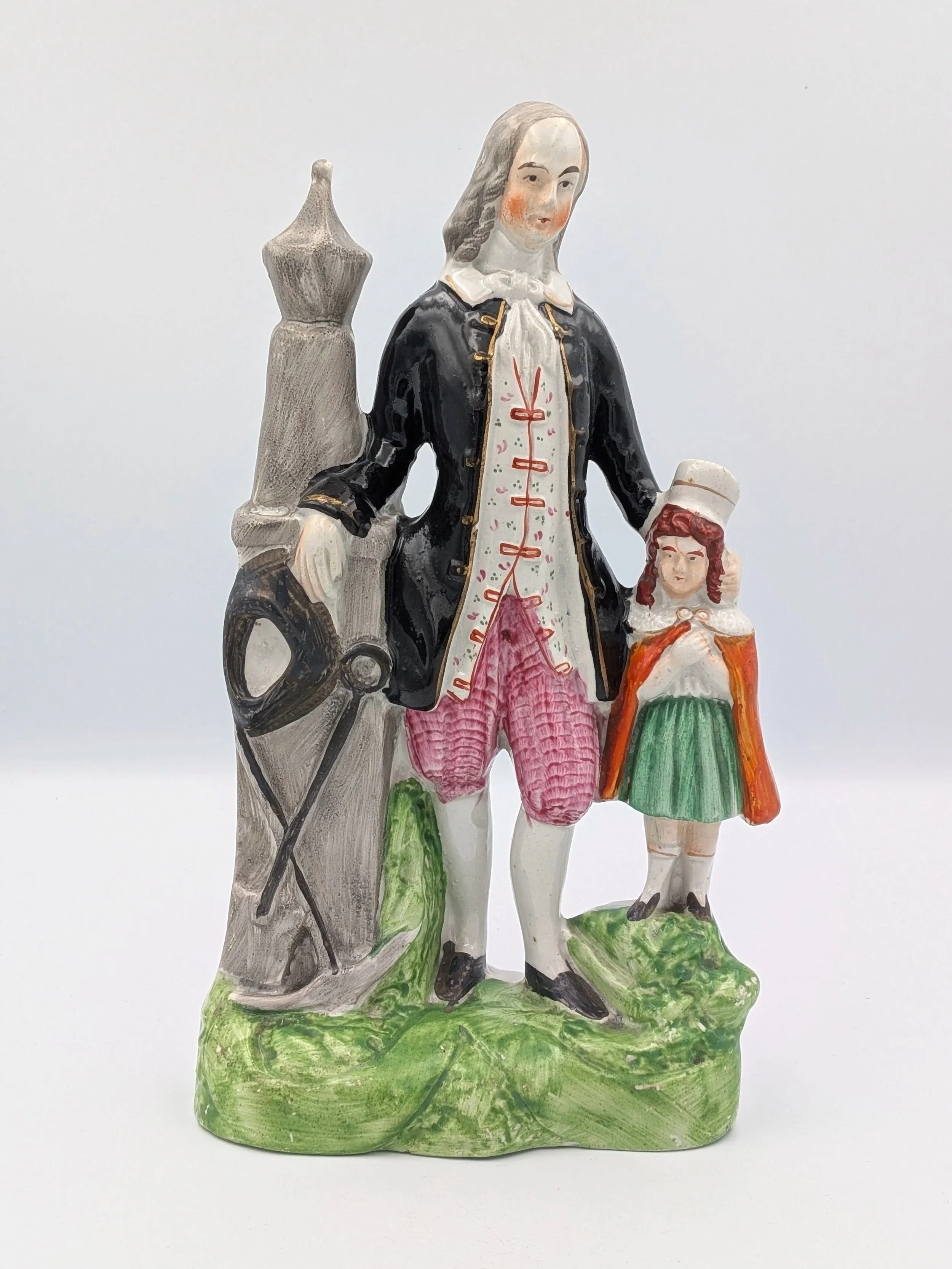 Image 1 of 21
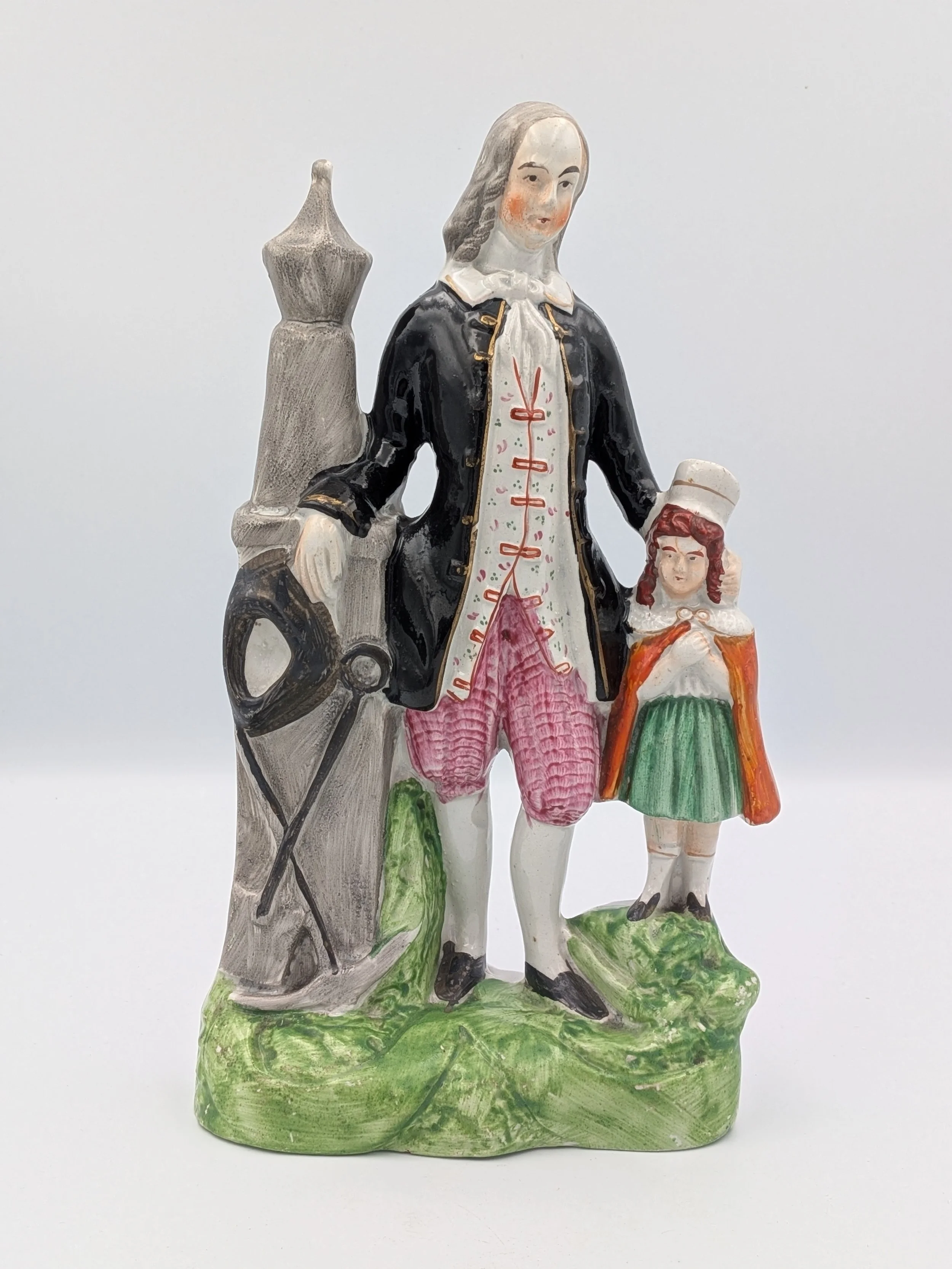 Image 2 of 21
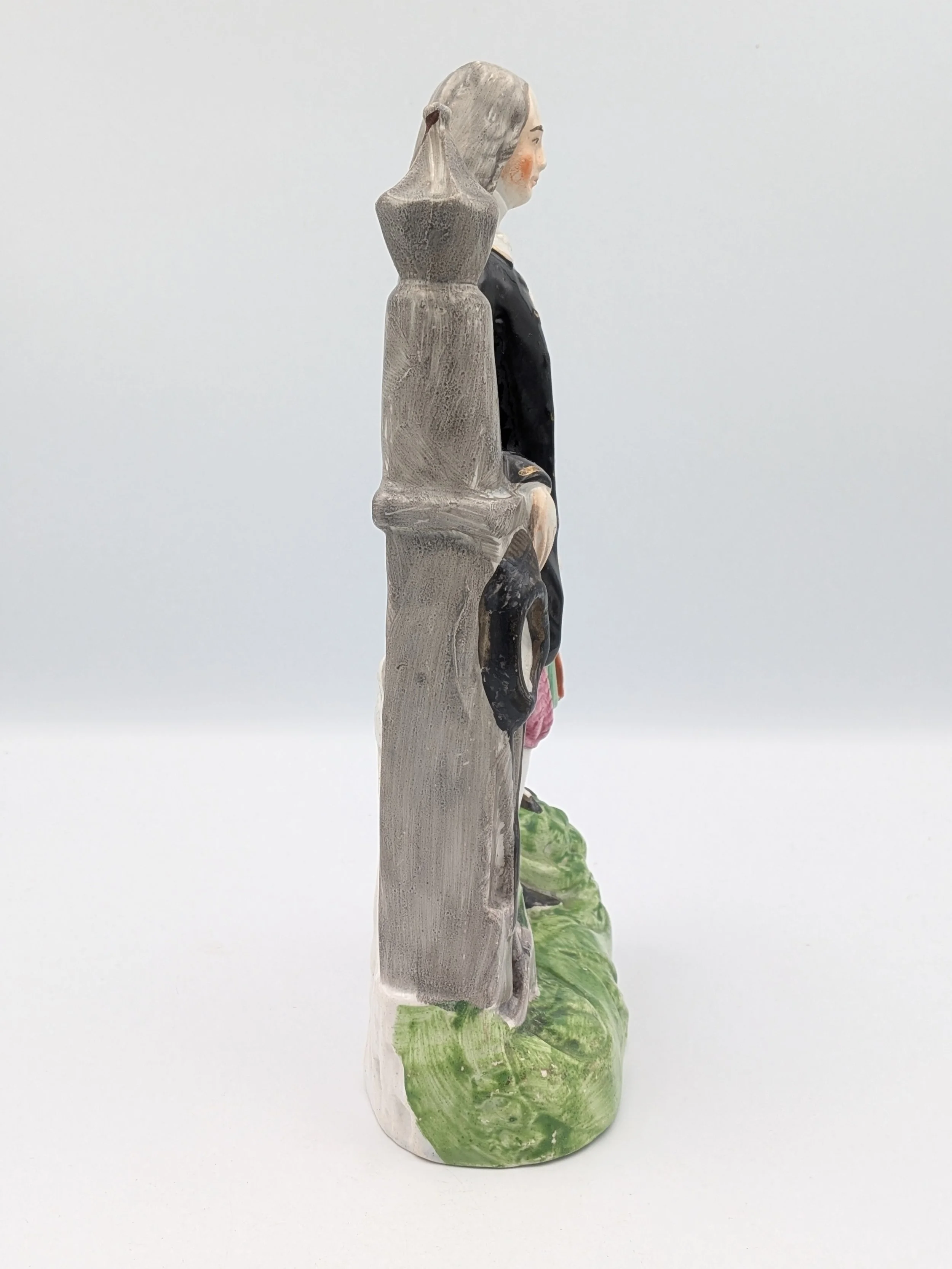 Image 3 of 21
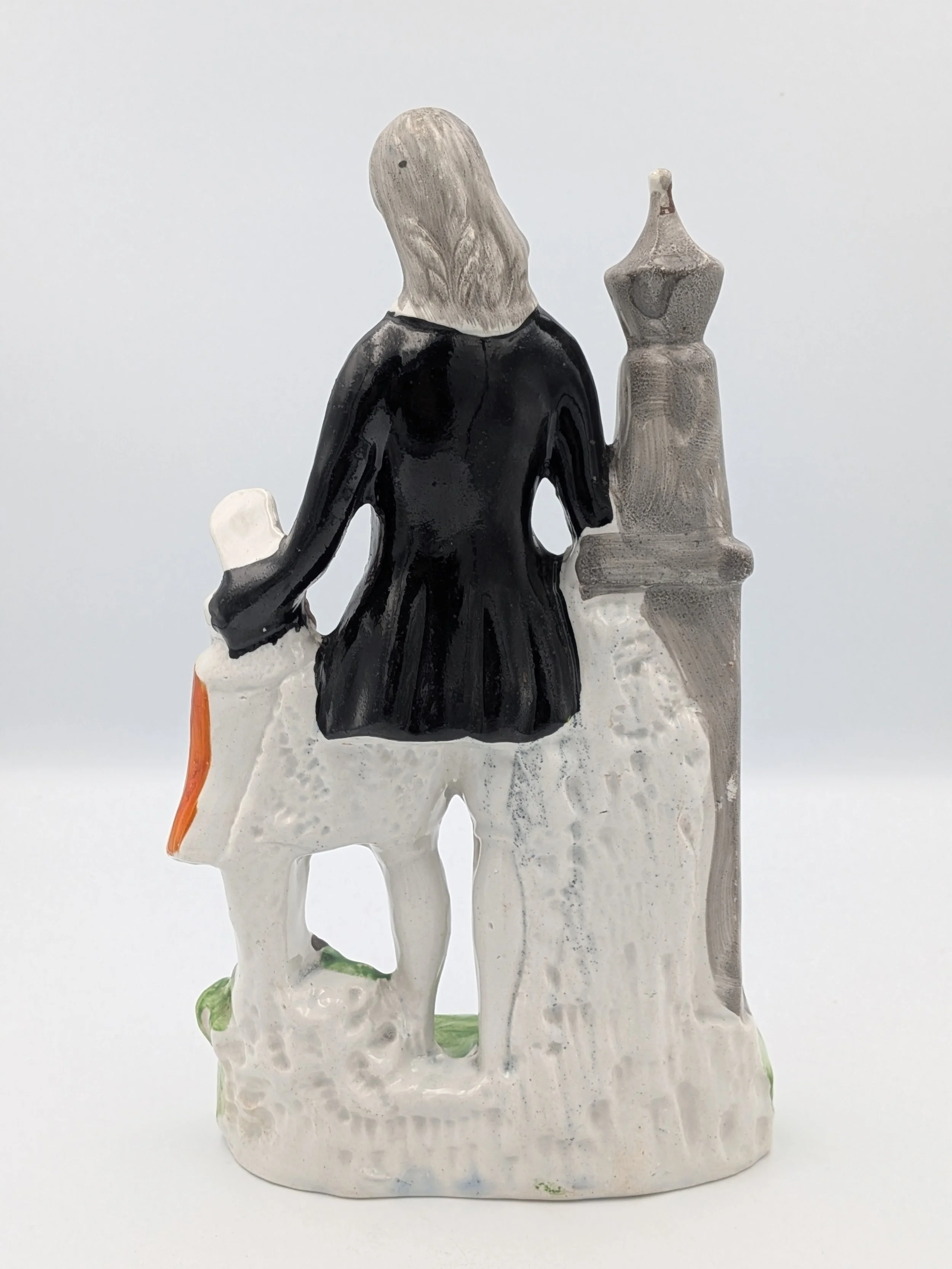 Image 4 of 21
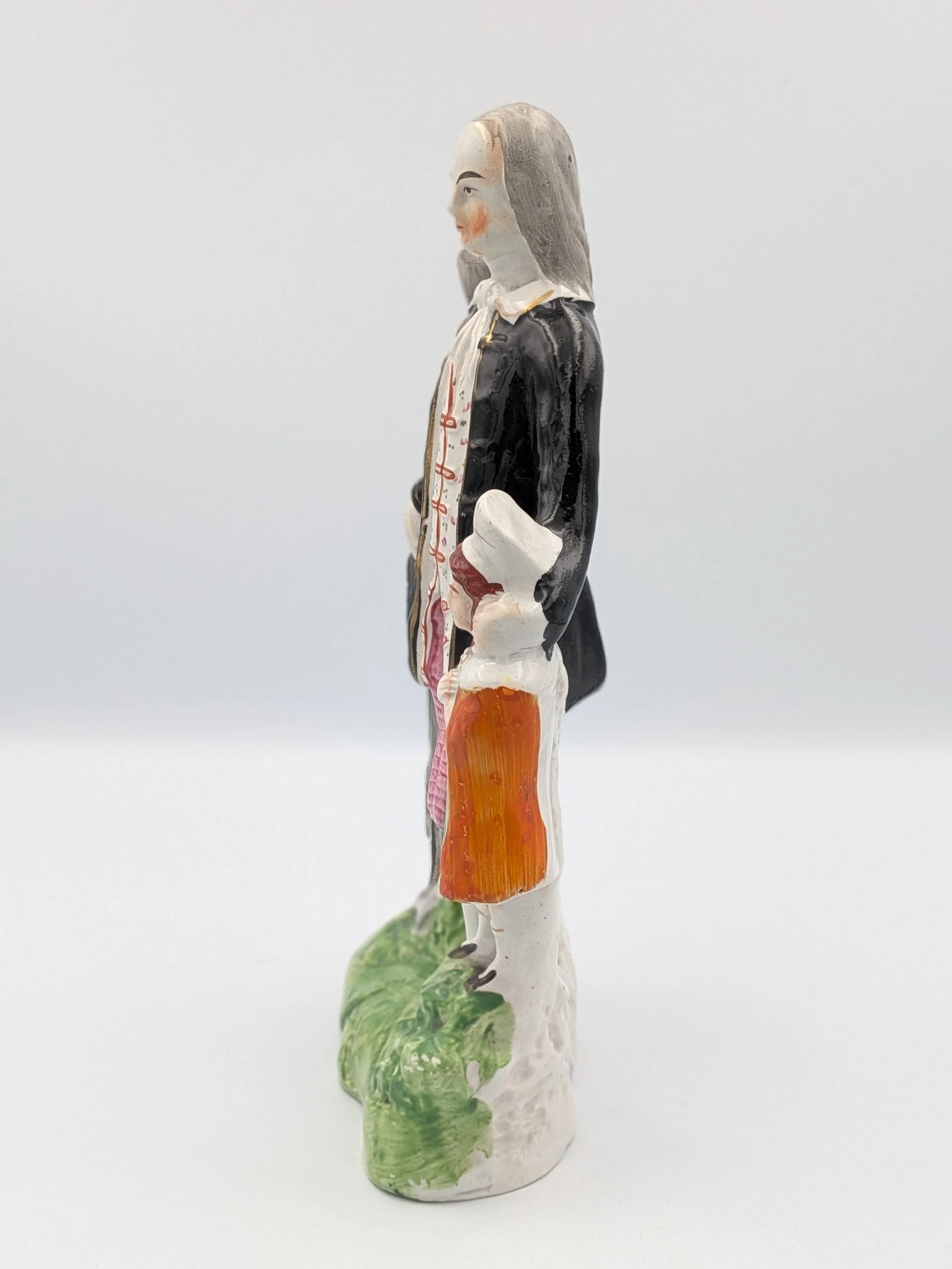 Image 5 of 21
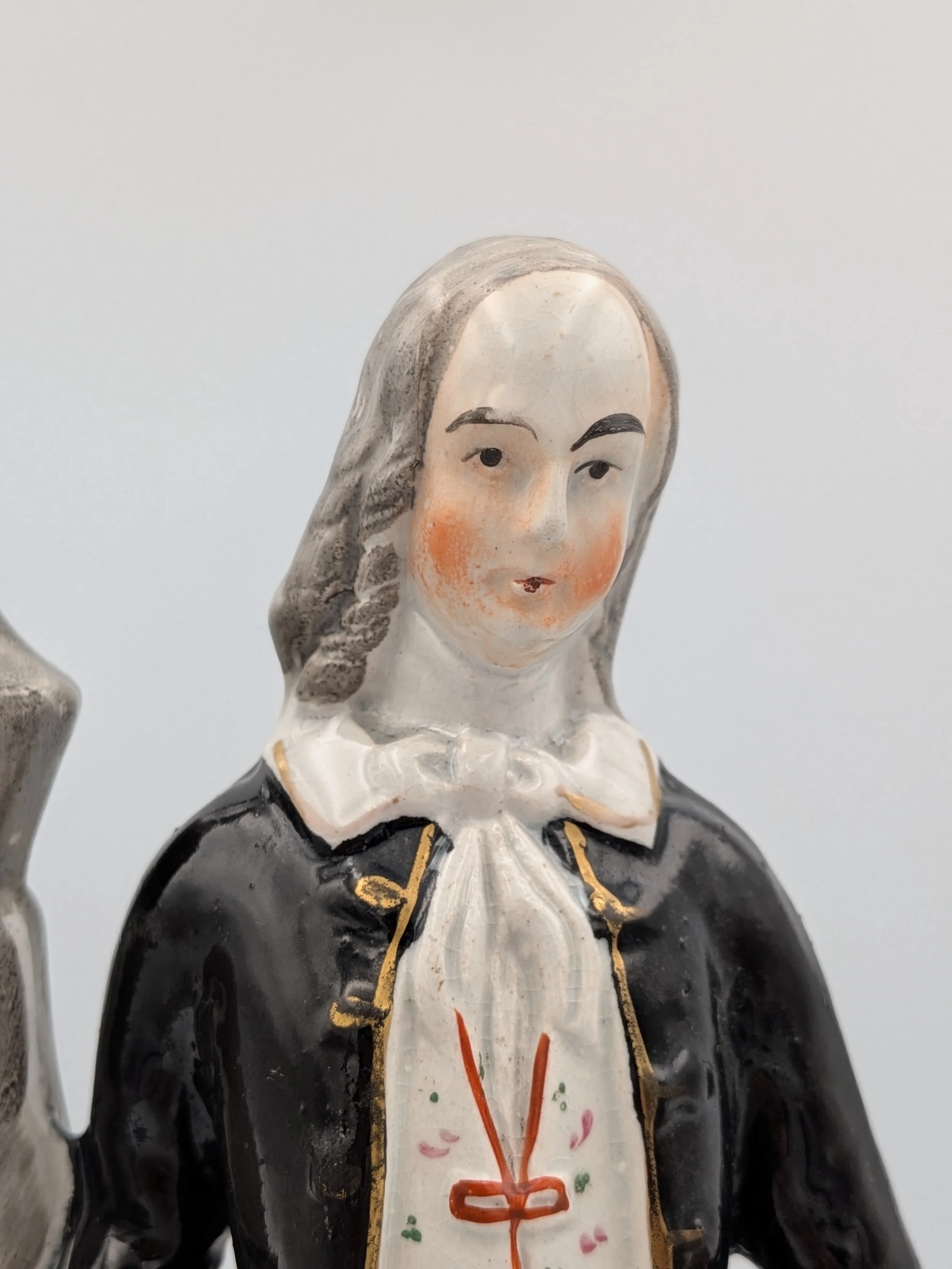 Image 6 of 21
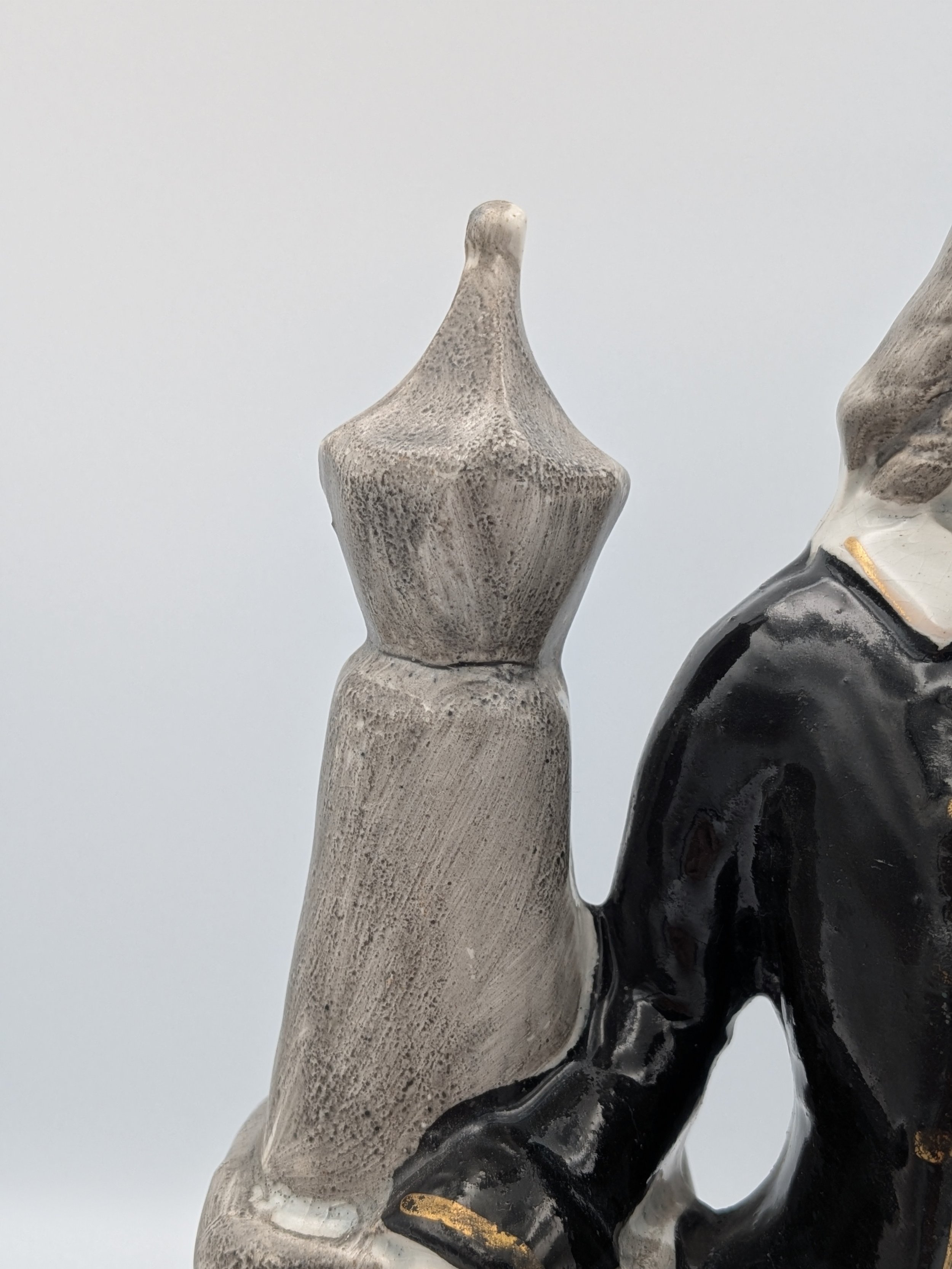 Image 7 of 21
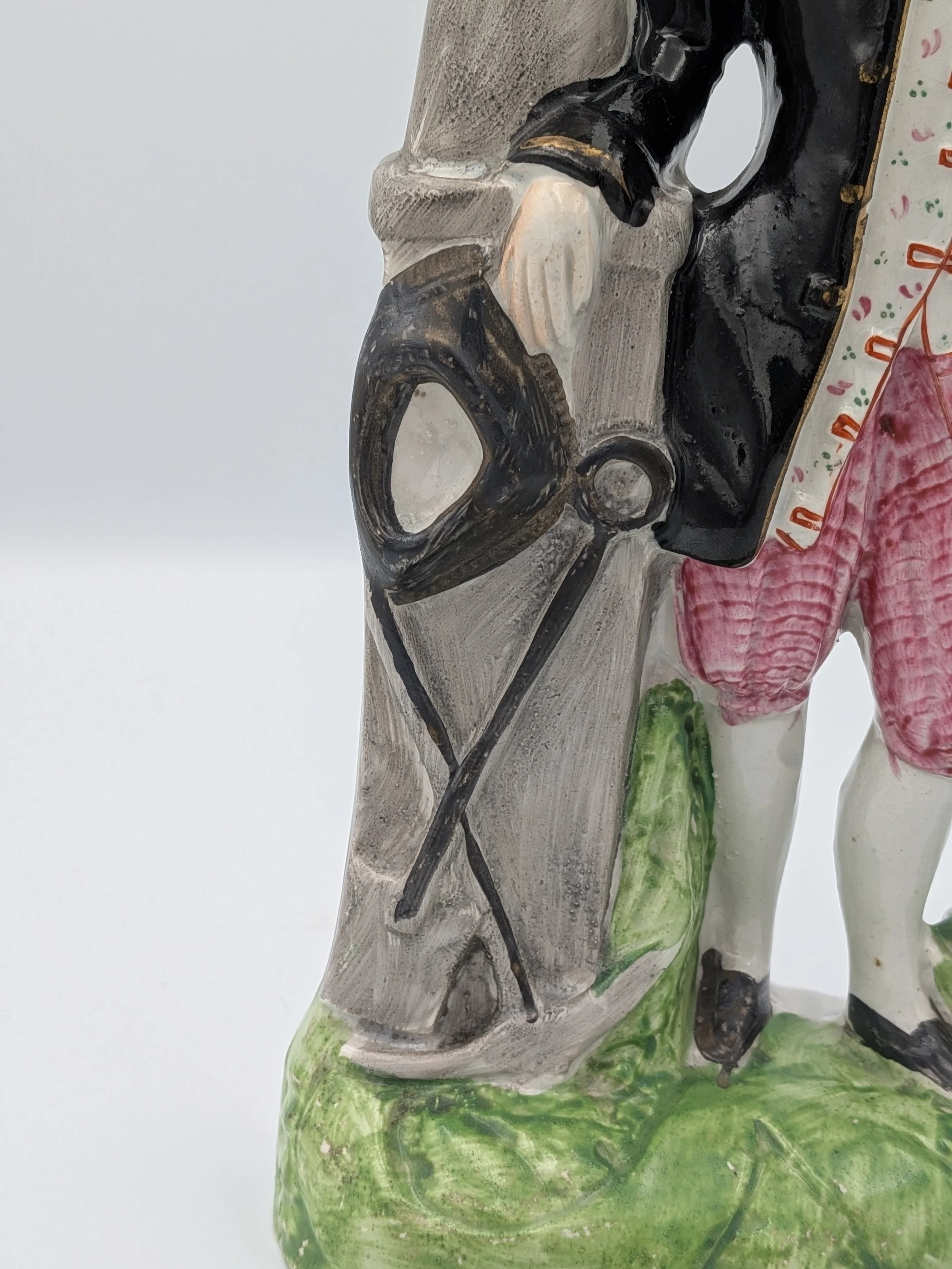 Image 8 of 21
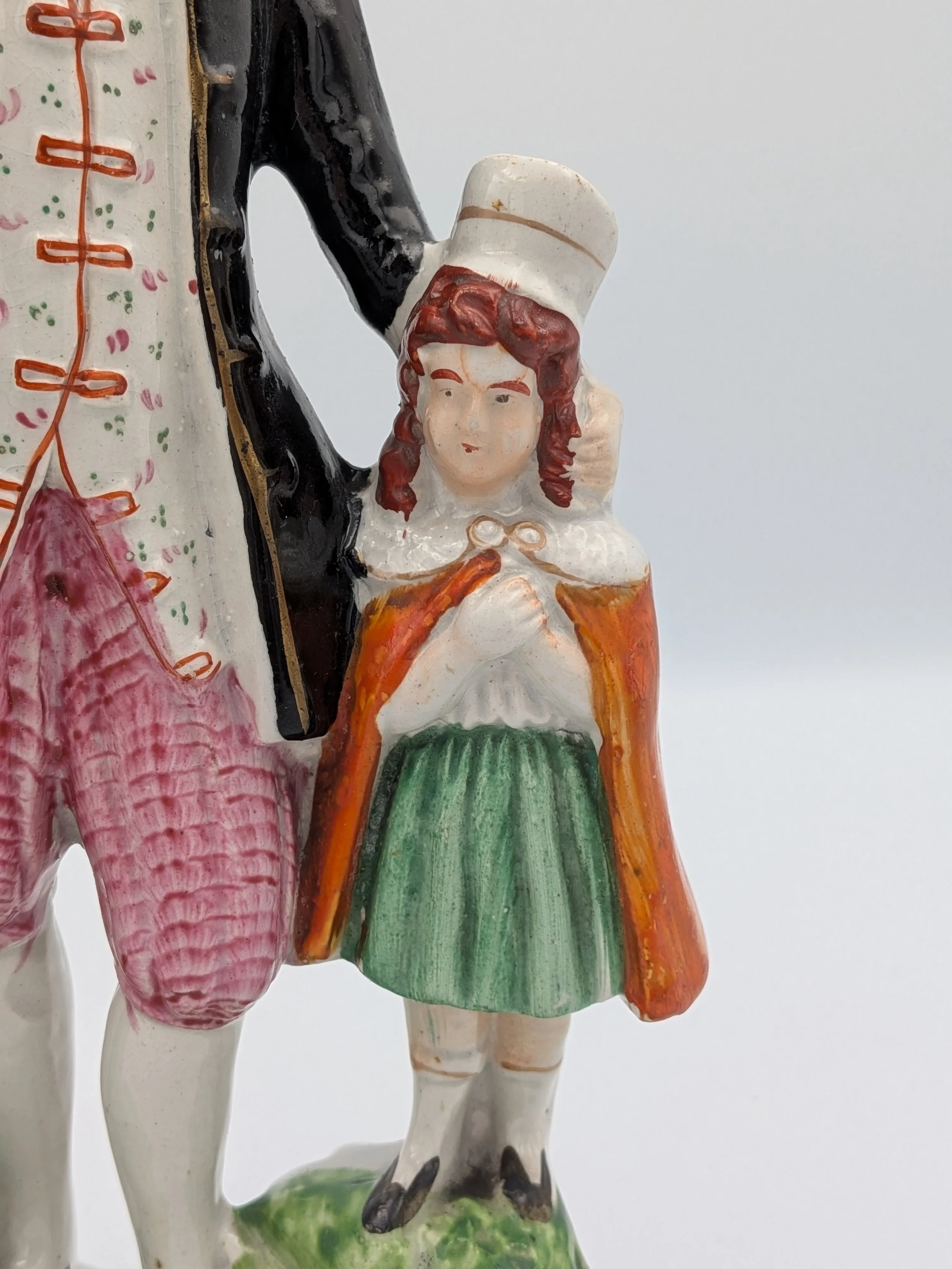 Image 9 of 21
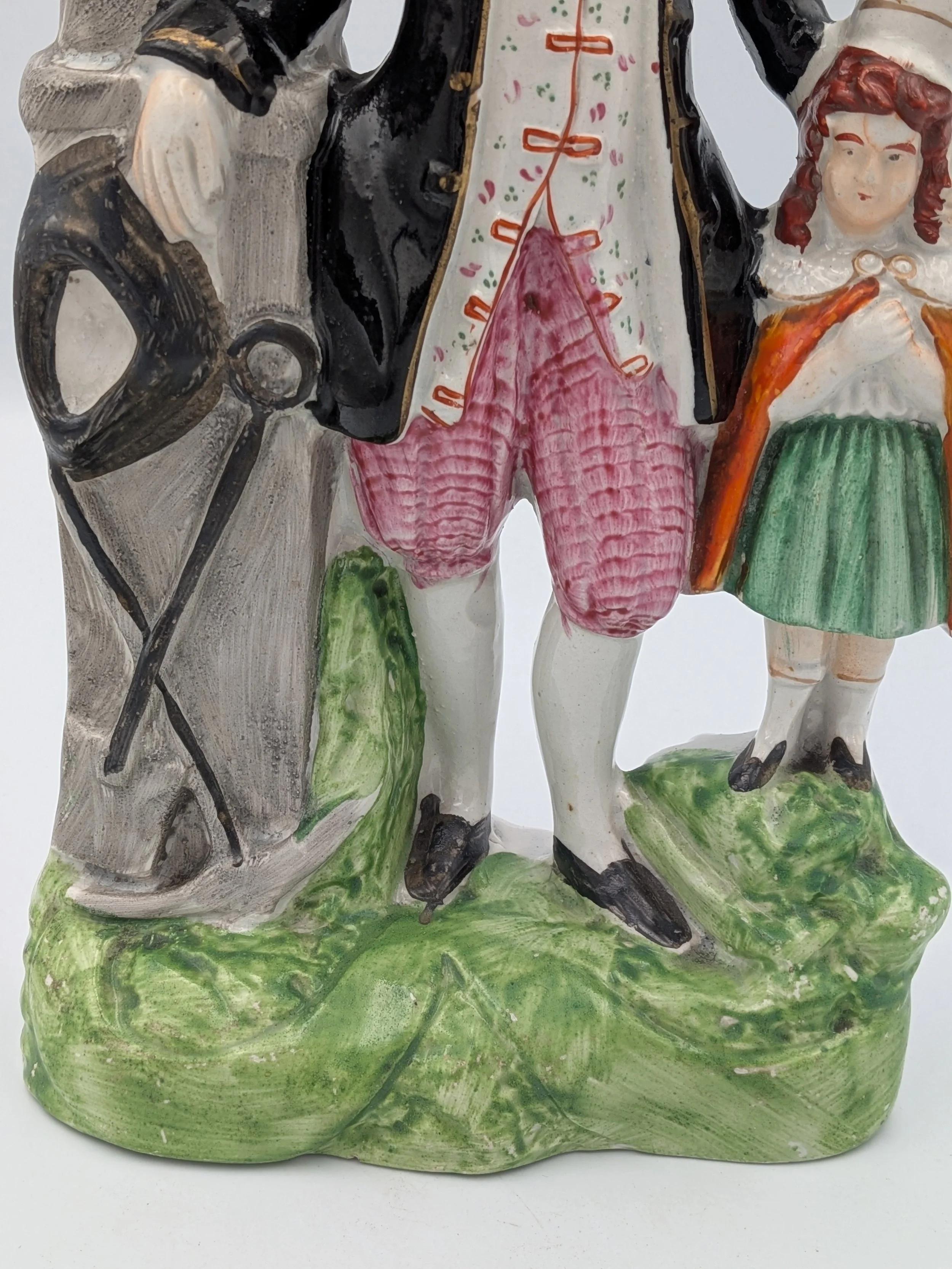 Image 10 of 21
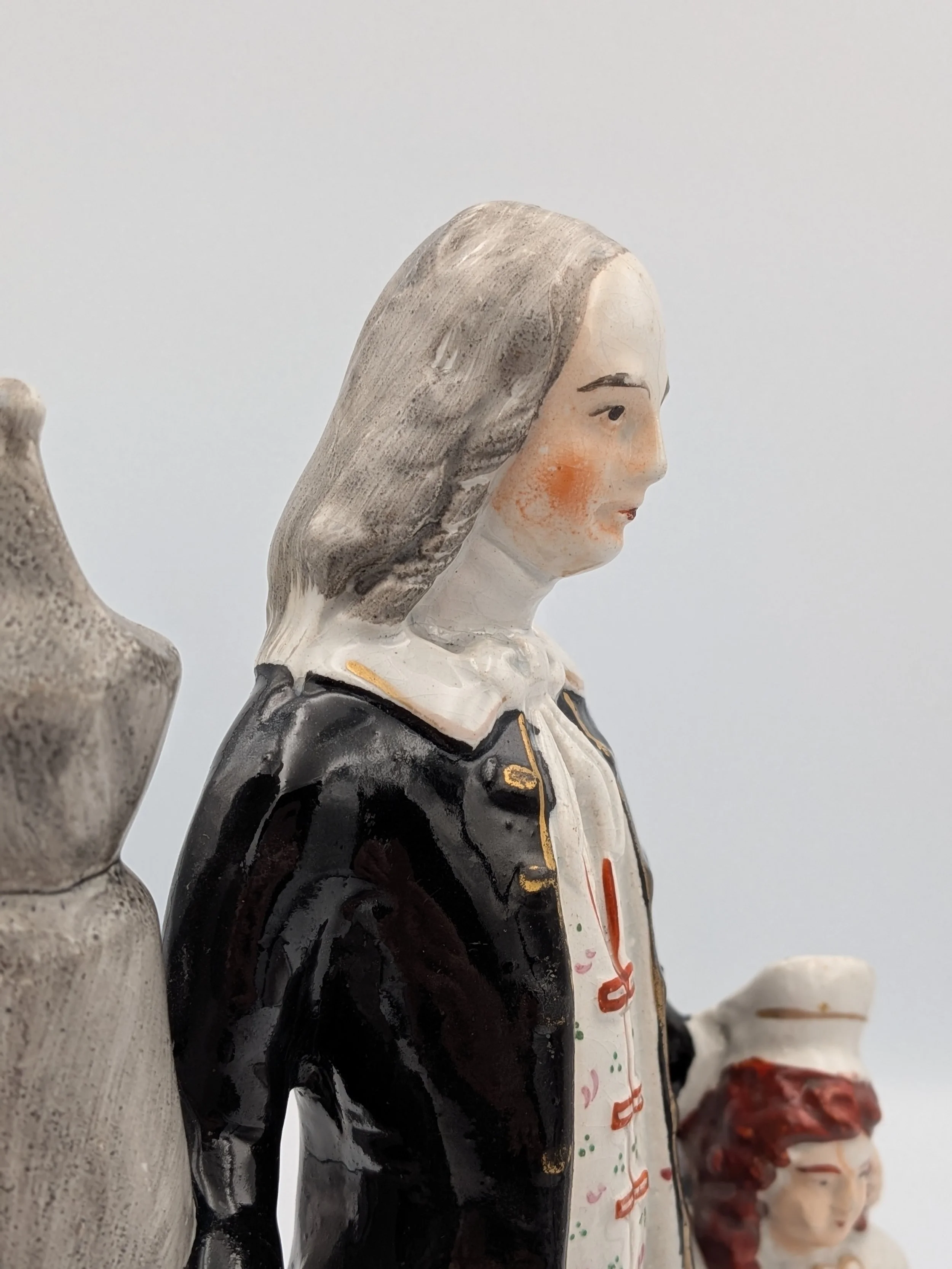 Image 11 of 21
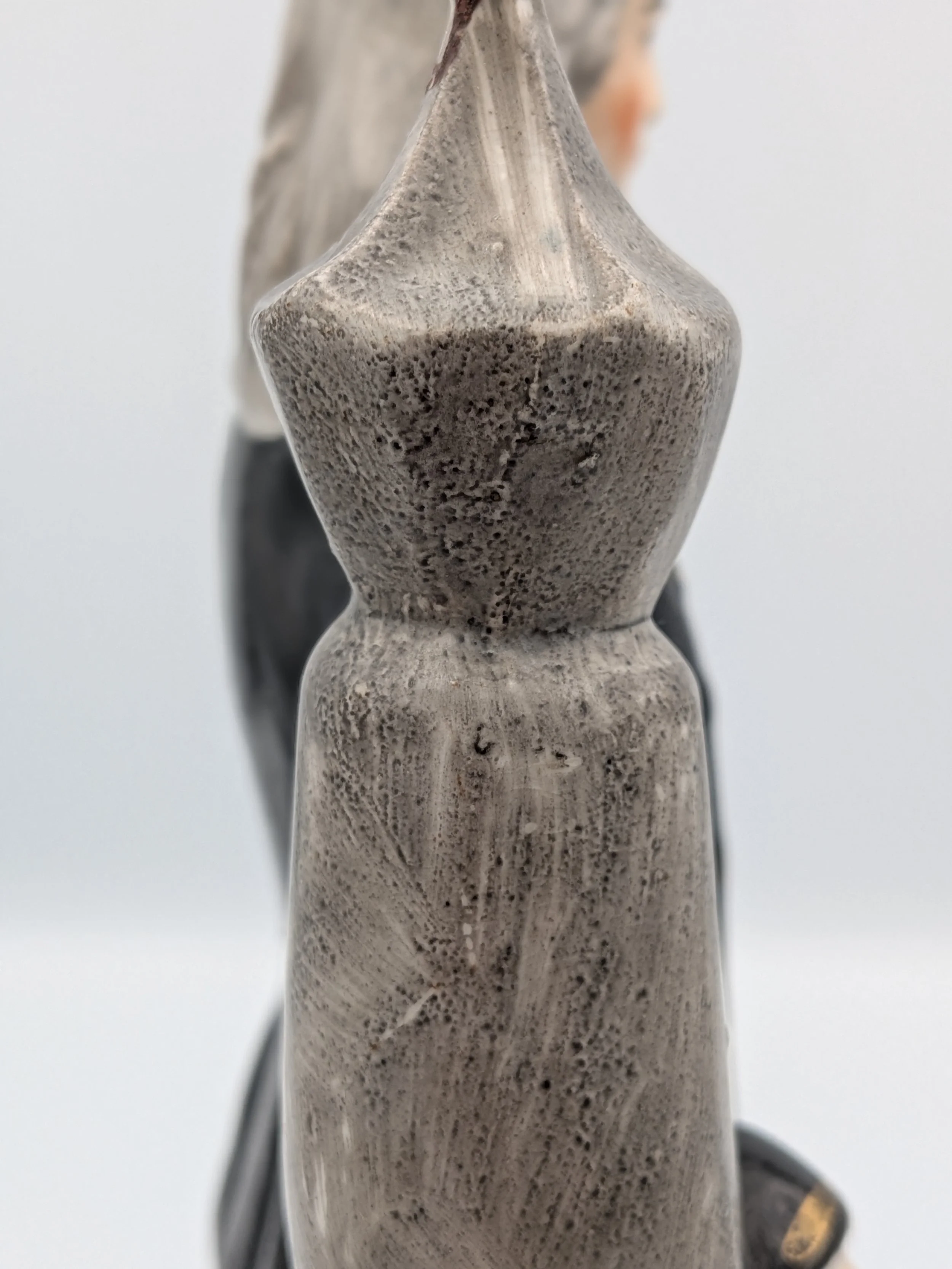 Image 12 of 21
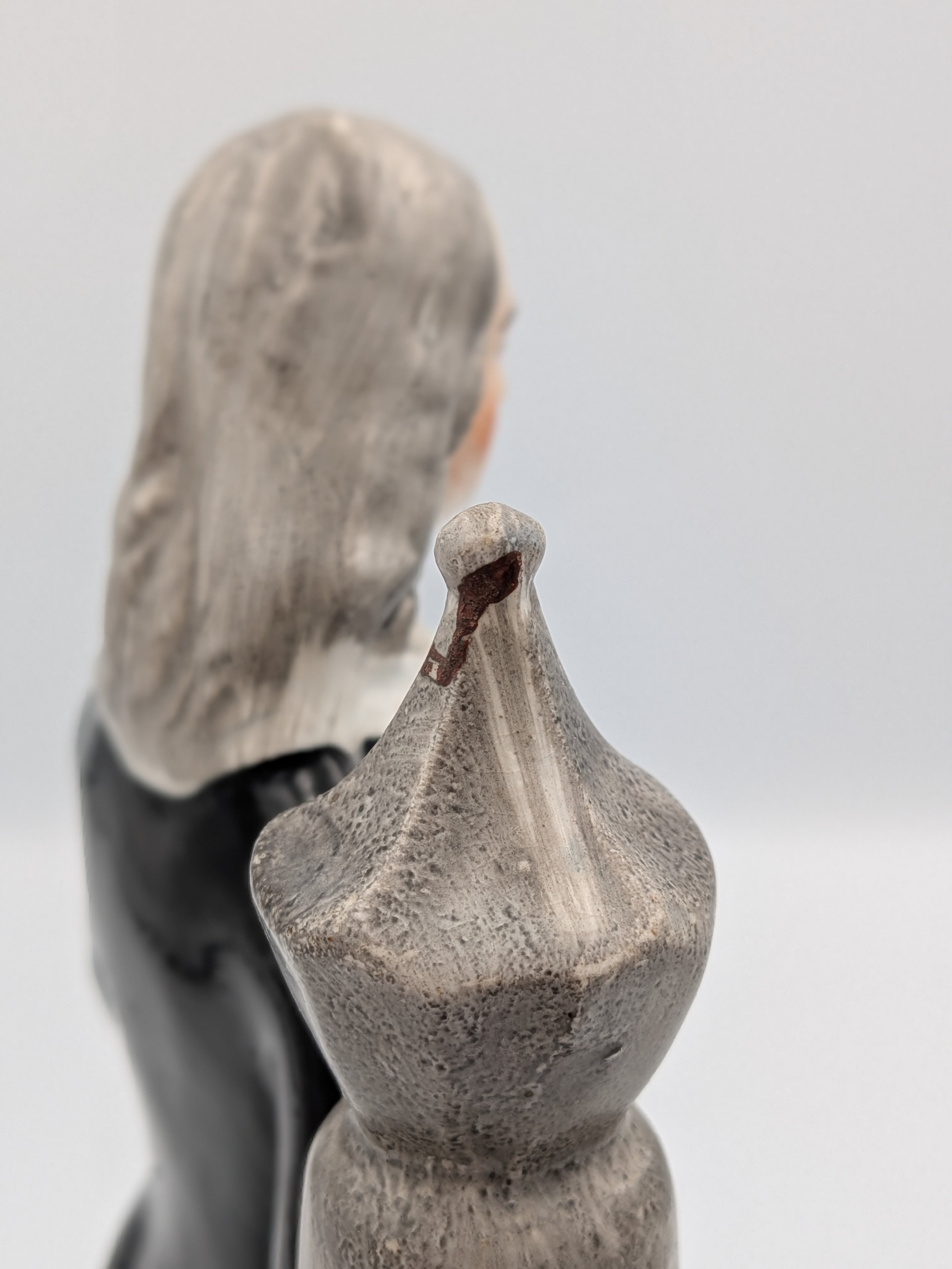 Image 13 of 21
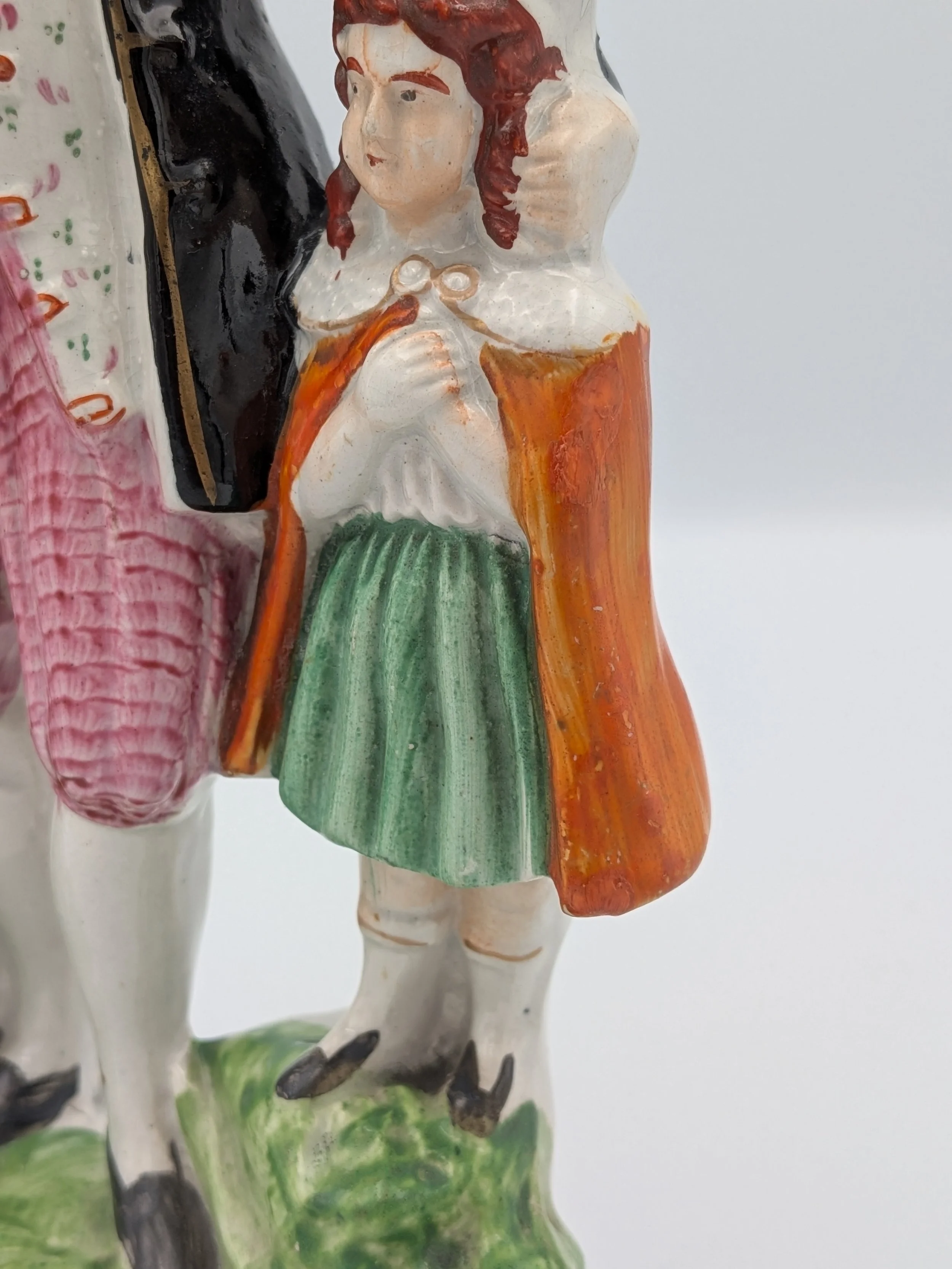 Image 14 of 21
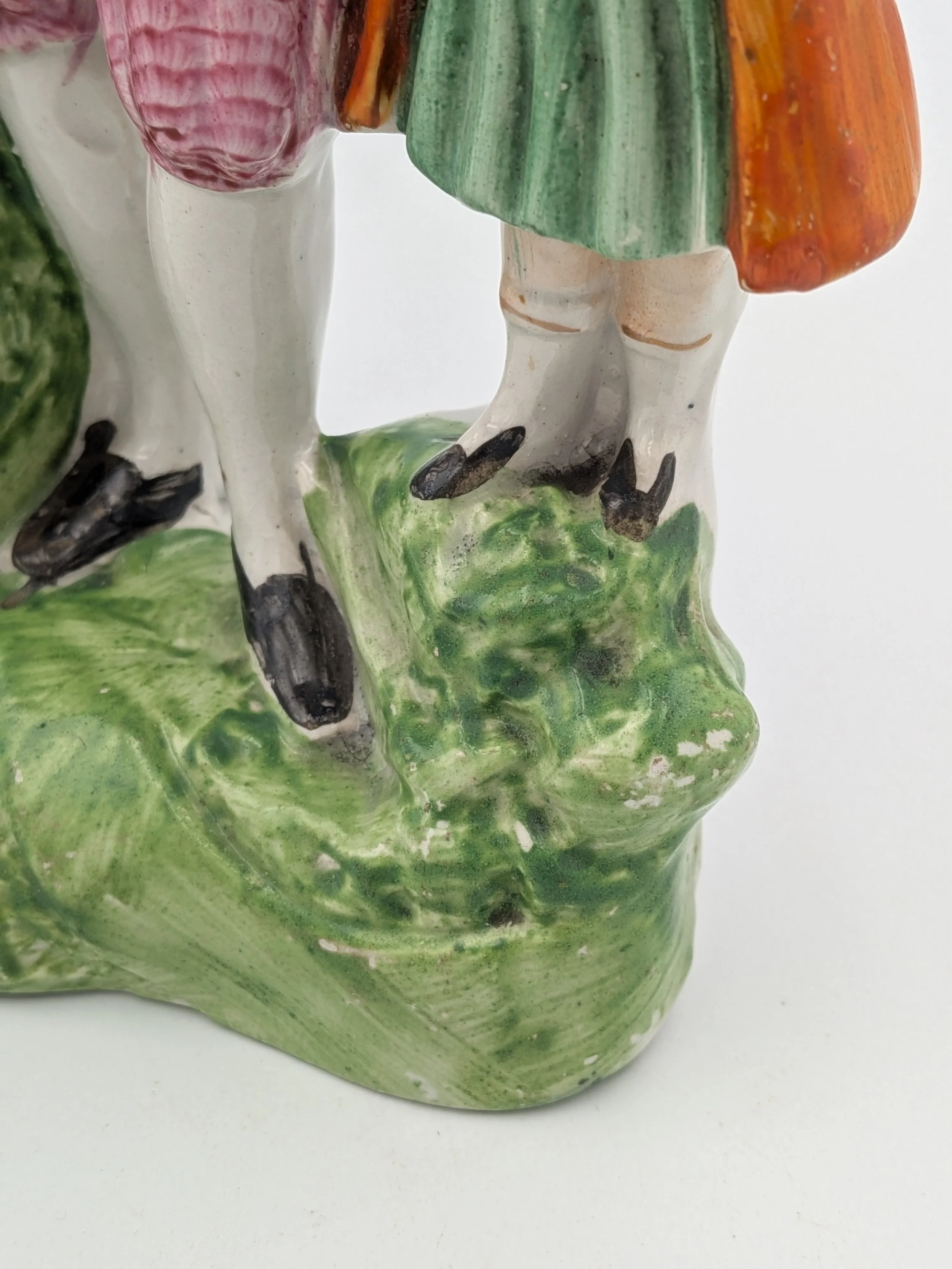 Image 15 of 21
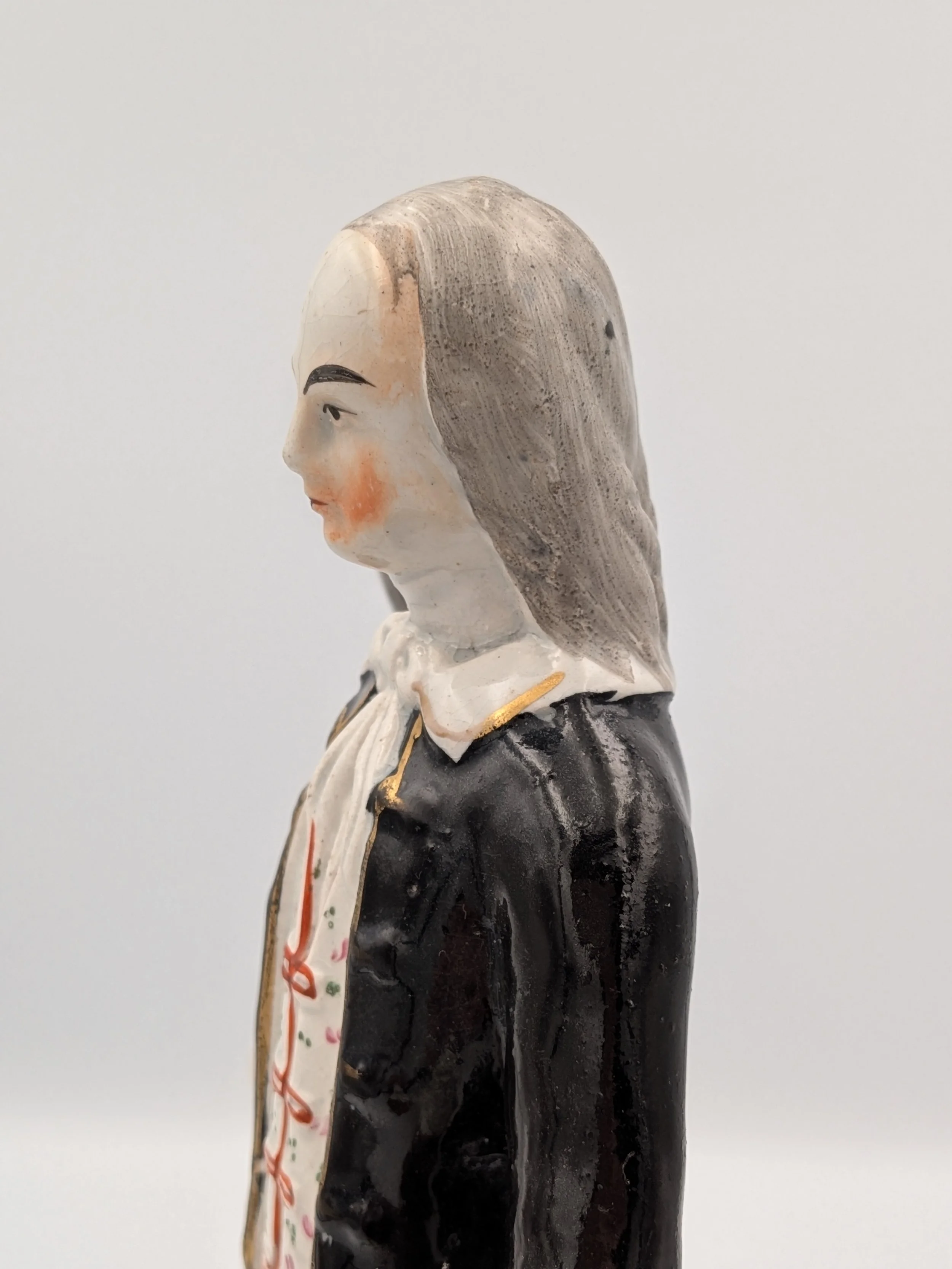 Image 16 of 21
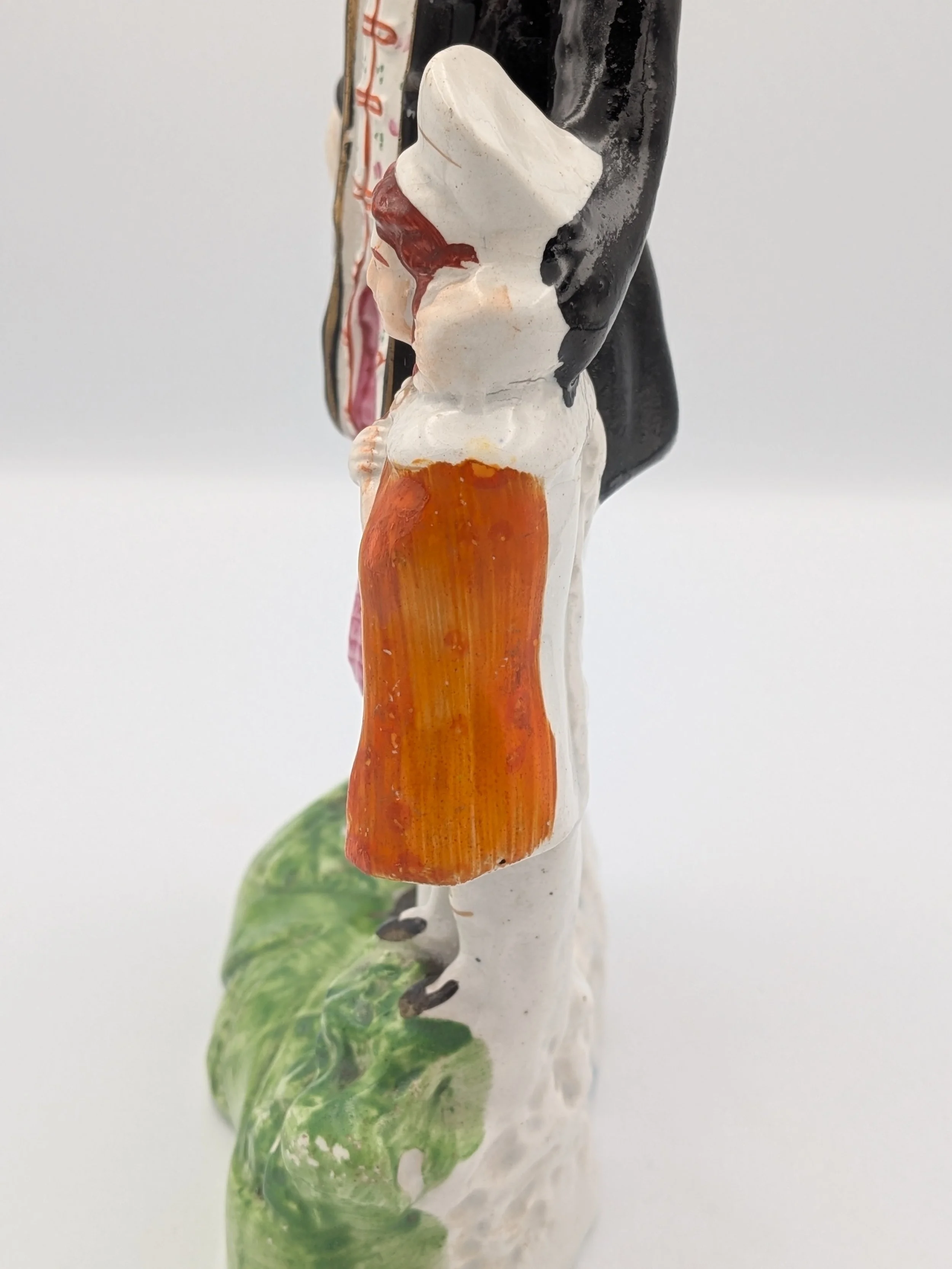 Image 17 of 21
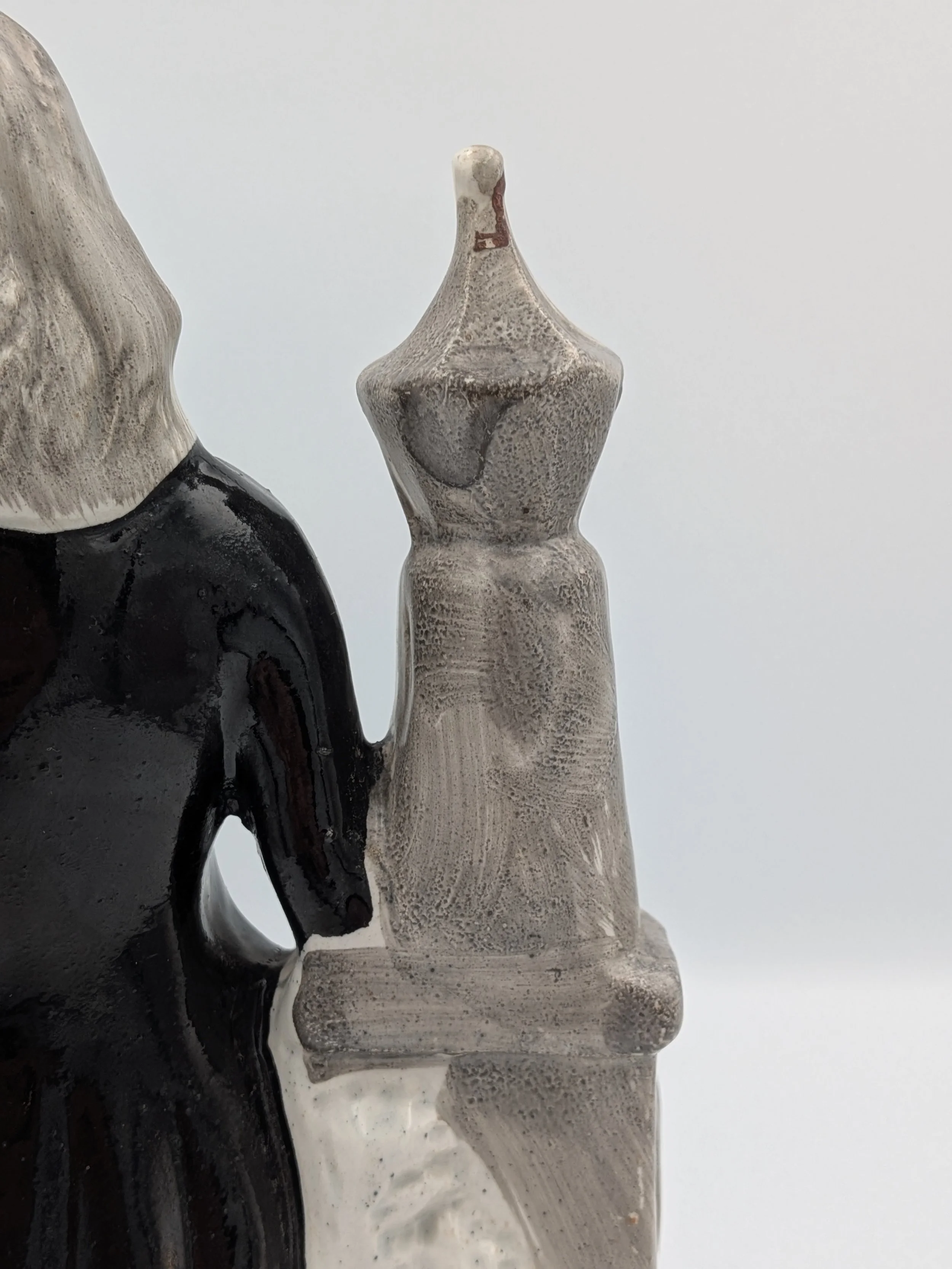 Image 18 of 21
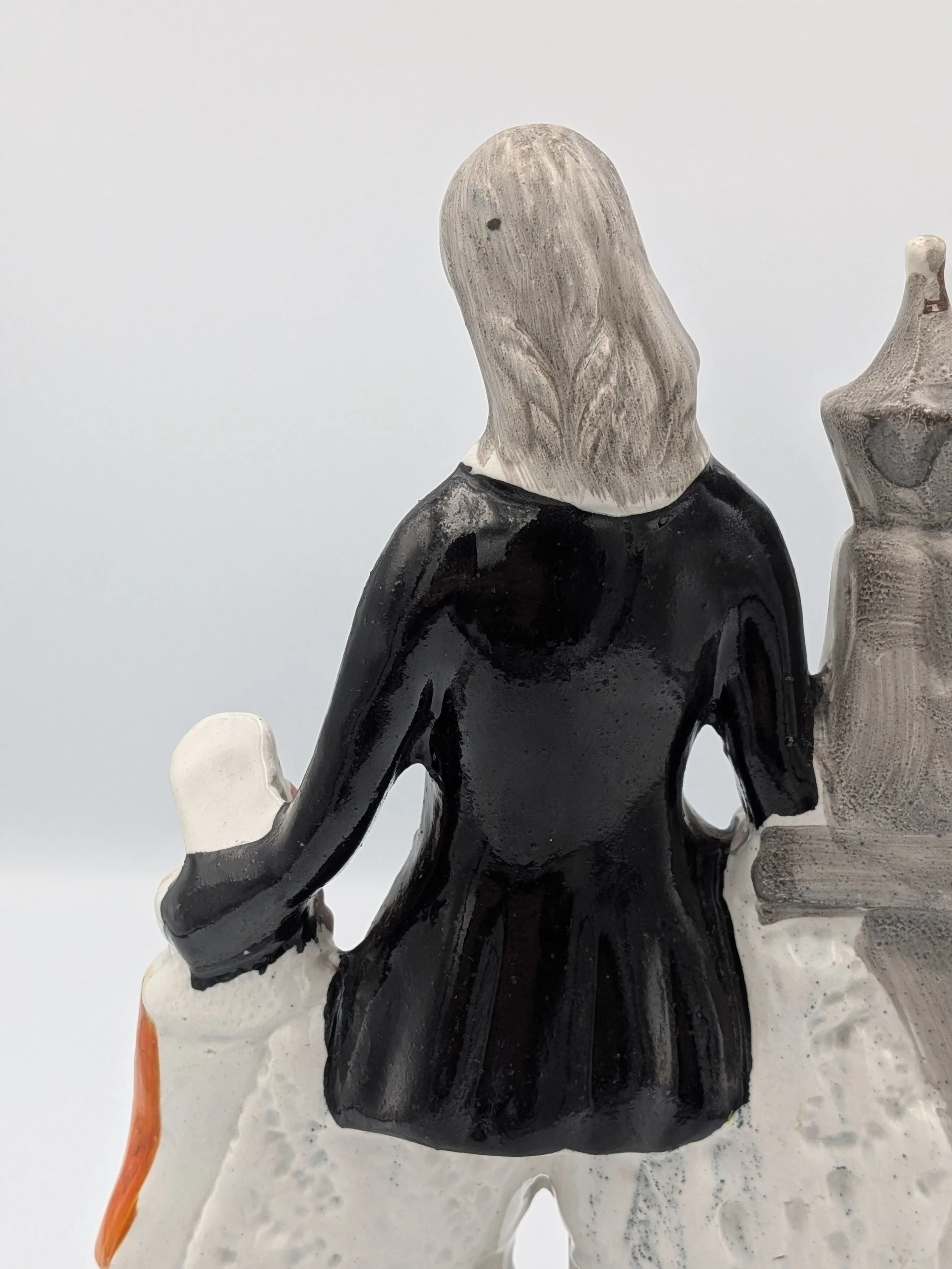 Image 19 of 21
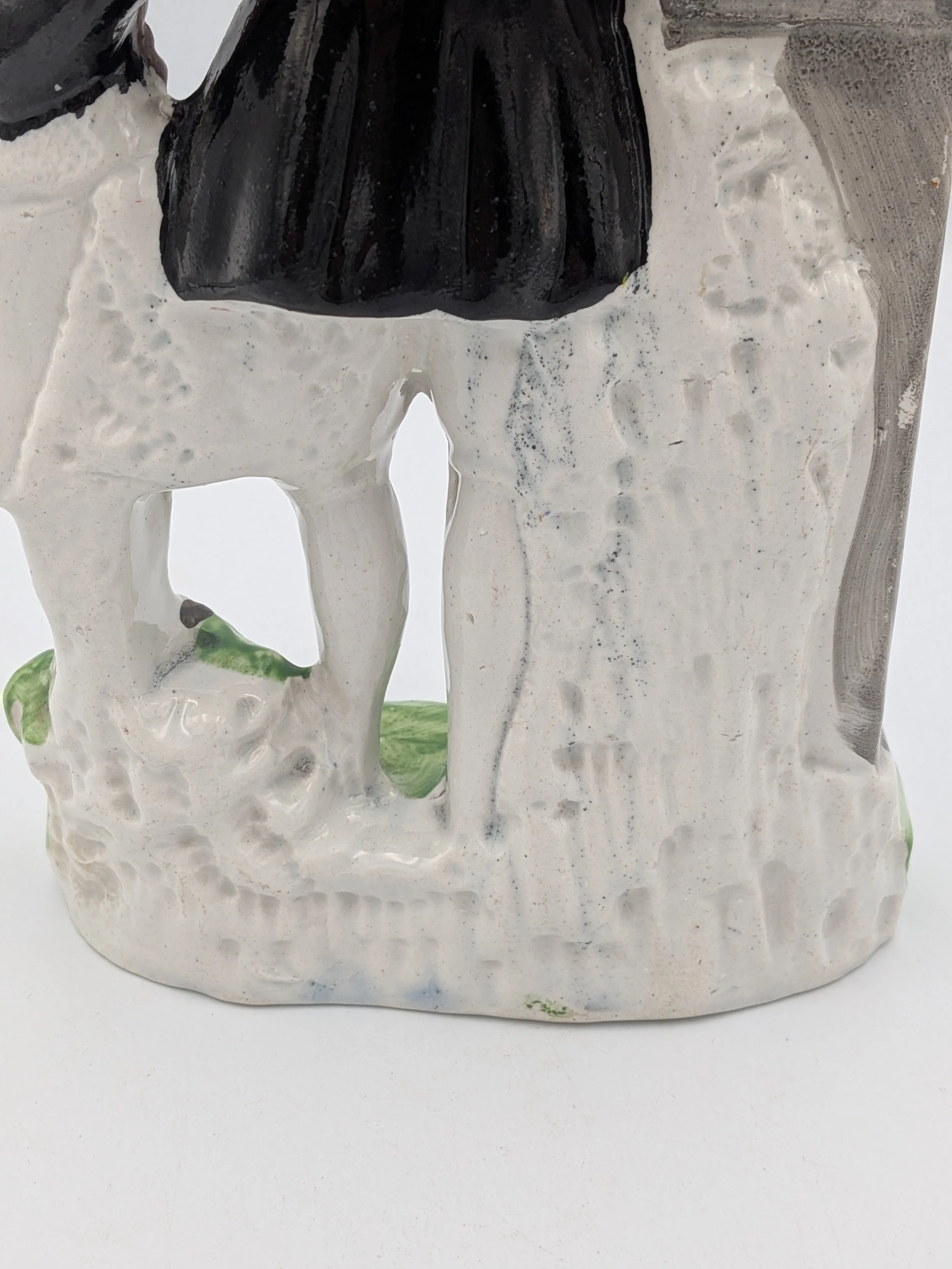 Image 20 of 21
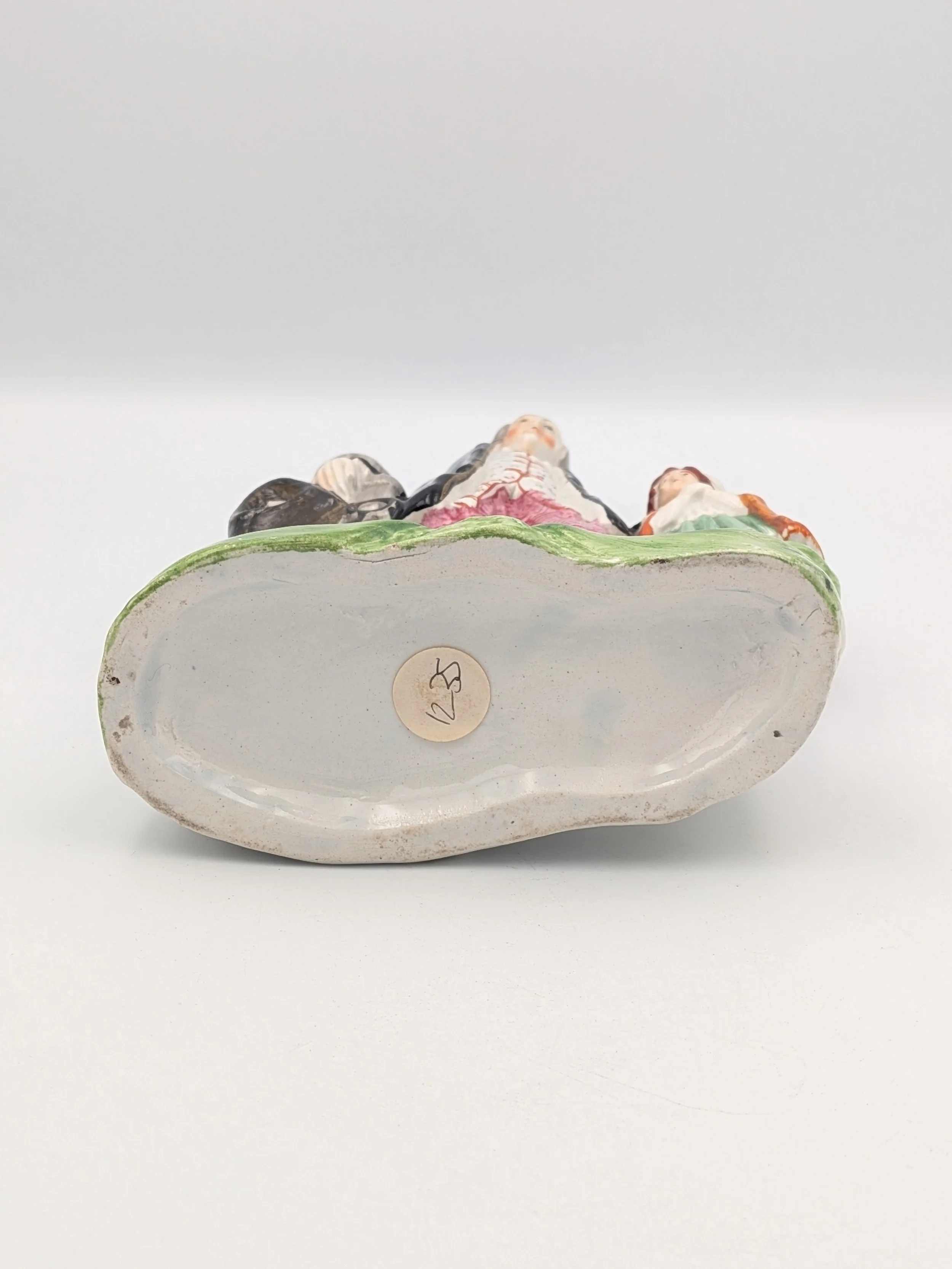 Image 21 of 21