A handsome later 19th century figure depicting a vendor standing by a mule laden with brooms.
This figure - titled ‘Beesums’ - pairs with a figure of a female vendor and mule titled ‘Sand’.
A beesum was a broom fashioned from twigs. Vendors would travel the counties selling yellow sand and brooms to workers' and peasants' wives. Most people lived in houses with flagstone floors which accumulated a lot of dirt and grease, and to polish their floors they would liberally scatter coarse sand, 'walk it in' for a few days, and then sweep up the sand with a beesum. Sand vendors were known to cry 'sanyello' (yellow sand) as they went about their trade.
This figure presents well and is in very good condition with no damage or repair. There is some flaking to the dark, glossy enamels and there is fading to the reflective, brassy gilt typical of the period.
Reference: A. & N. Harding, Victorian Staffordshire Figures 1835 - 1875: Book Three, p. 202, fig. a2177
Height: 8.5”
Date: c. 1880
Provenance: Collection of Mr and Mrs J. L. Prentice, Buckinghamshire; and the collection of the late H. A. B. Turner, author of A Collector’s Guide to Staffordshire Pottery Figures.
A handsome later 19th century figure depicting a vendor standing by a mule laden with brooms.
This figure - titled ‘Beesums’ - pairs with a figure of a female vendor and mule titled ‘Sand’.
A beesum was a broom fashioned from twigs. Vendors would travel the counties selling yellow sand and brooms to workers' and peasants' wives. Most people lived in houses with flagstone floors which accumulated a lot of dirt and grease, and to polish their floors they would liberally scatter coarse sand, 'walk it in' for a few days, and then sweep up the sand with a beesum. Sand vendors were known to cry 'sanyello' (yellow sand) as they went about their trade.
This figure presents well and is in very good condition with no damage or repair. There is some flaking to the dark, glossy enamels and there is fading to the reflective, brassy gilt typical of the period.
Reference: A. & N. Harding, Victorian Staffordshire Figures 1835 - 1875: Book Three, p. 202, fig. a2177
Height: 8.5”
Date: c. 1880
Provenance: Collection of Mr and Mrs J. L. Prentice, Buckinghamshire; and the collection of the late H. A. B. Turner, author of A Collector’s Guide to Staffordshire Pottery Figures.
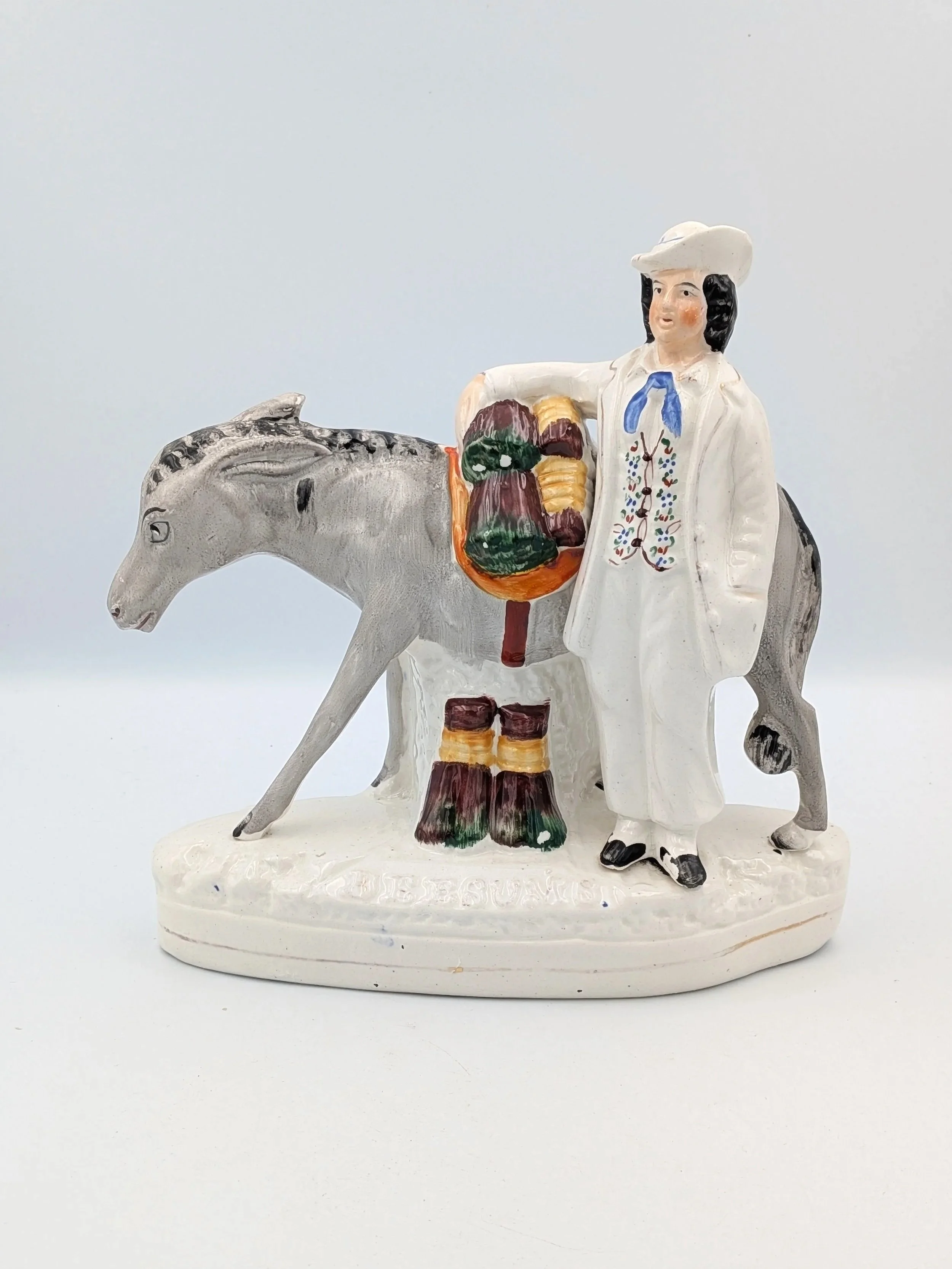 Image 1 of 23
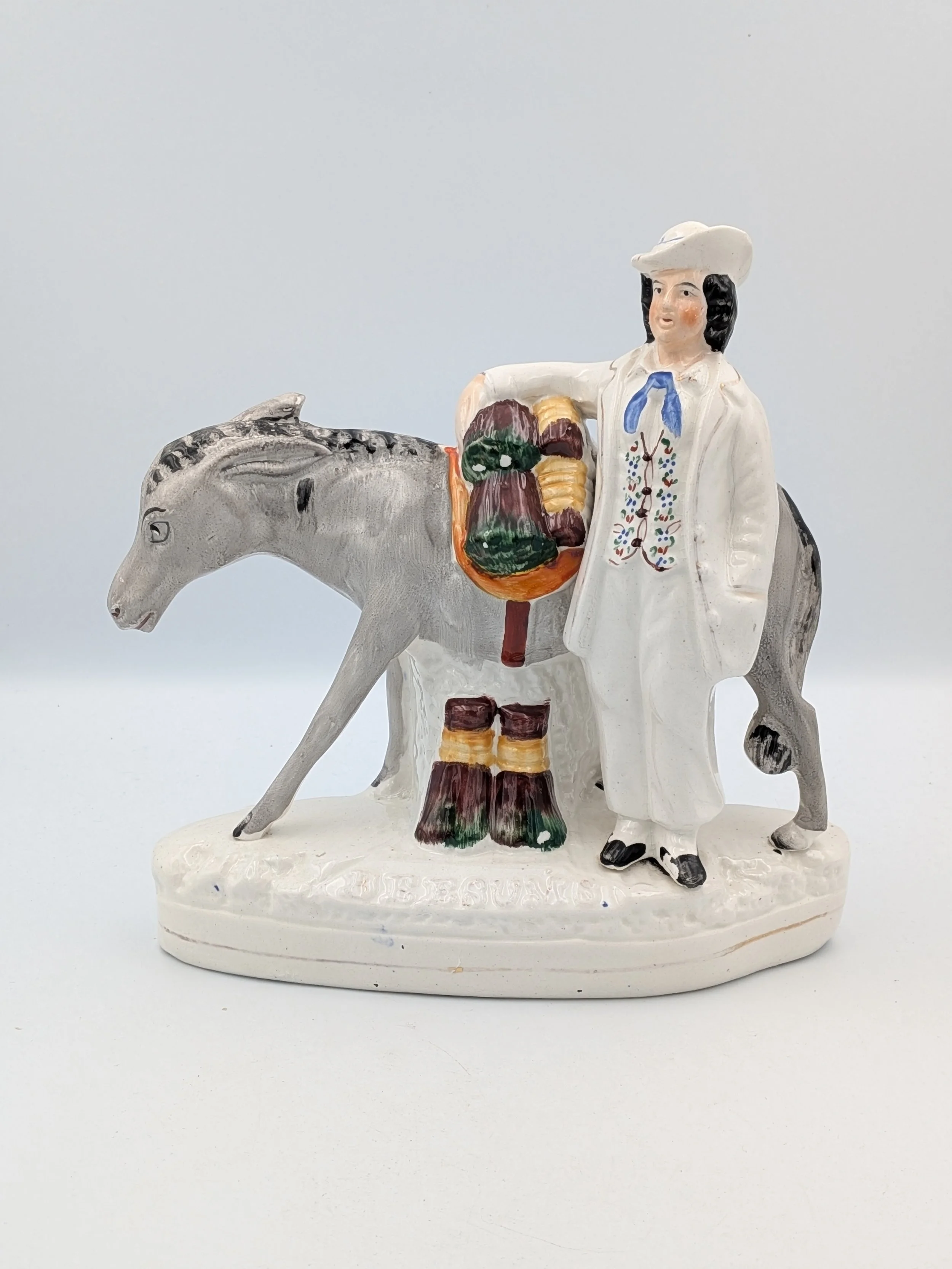 Image 2 of 23
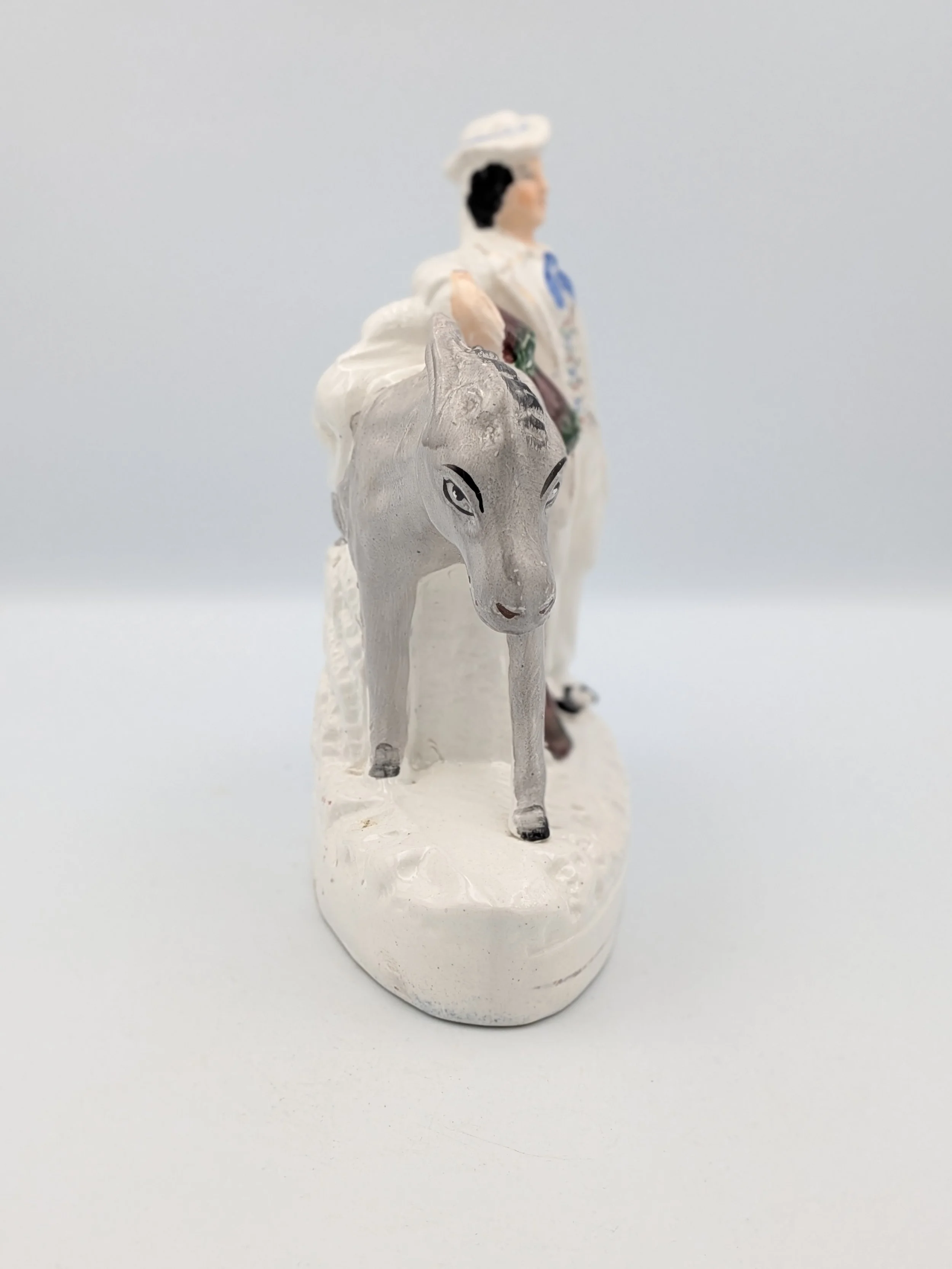 Image 3 of 23
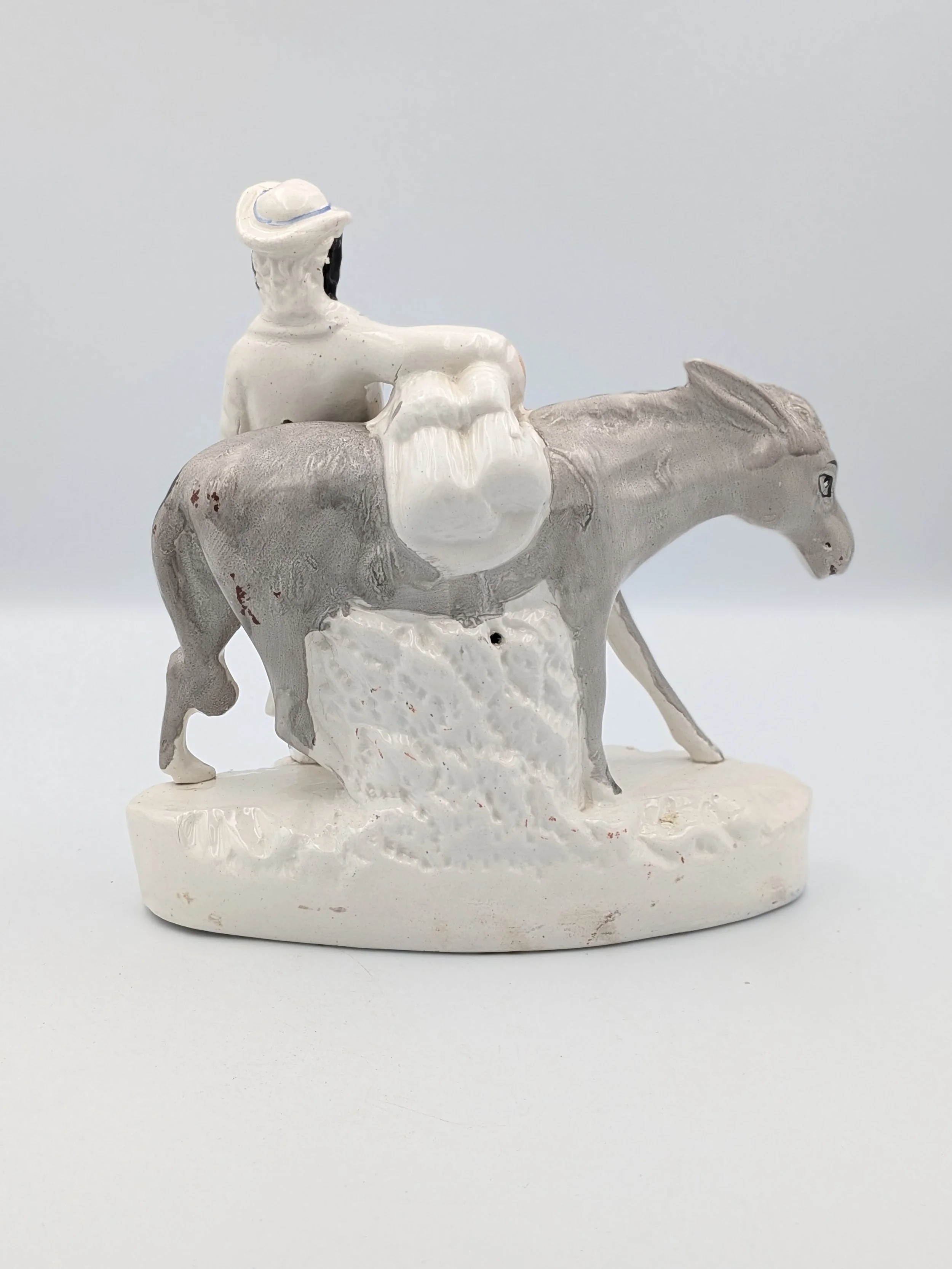 Image 4 of 23
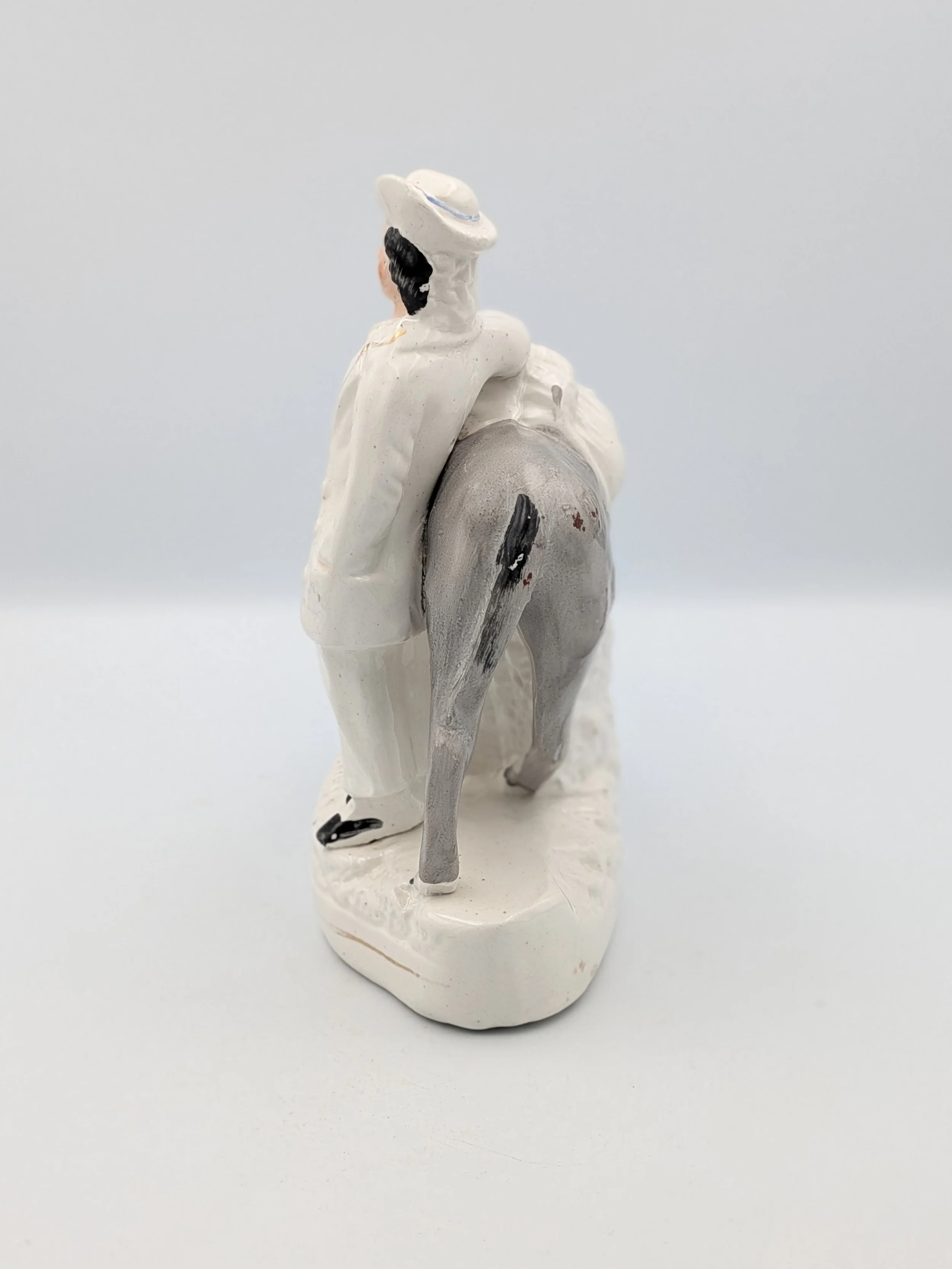 Image 5 of 23
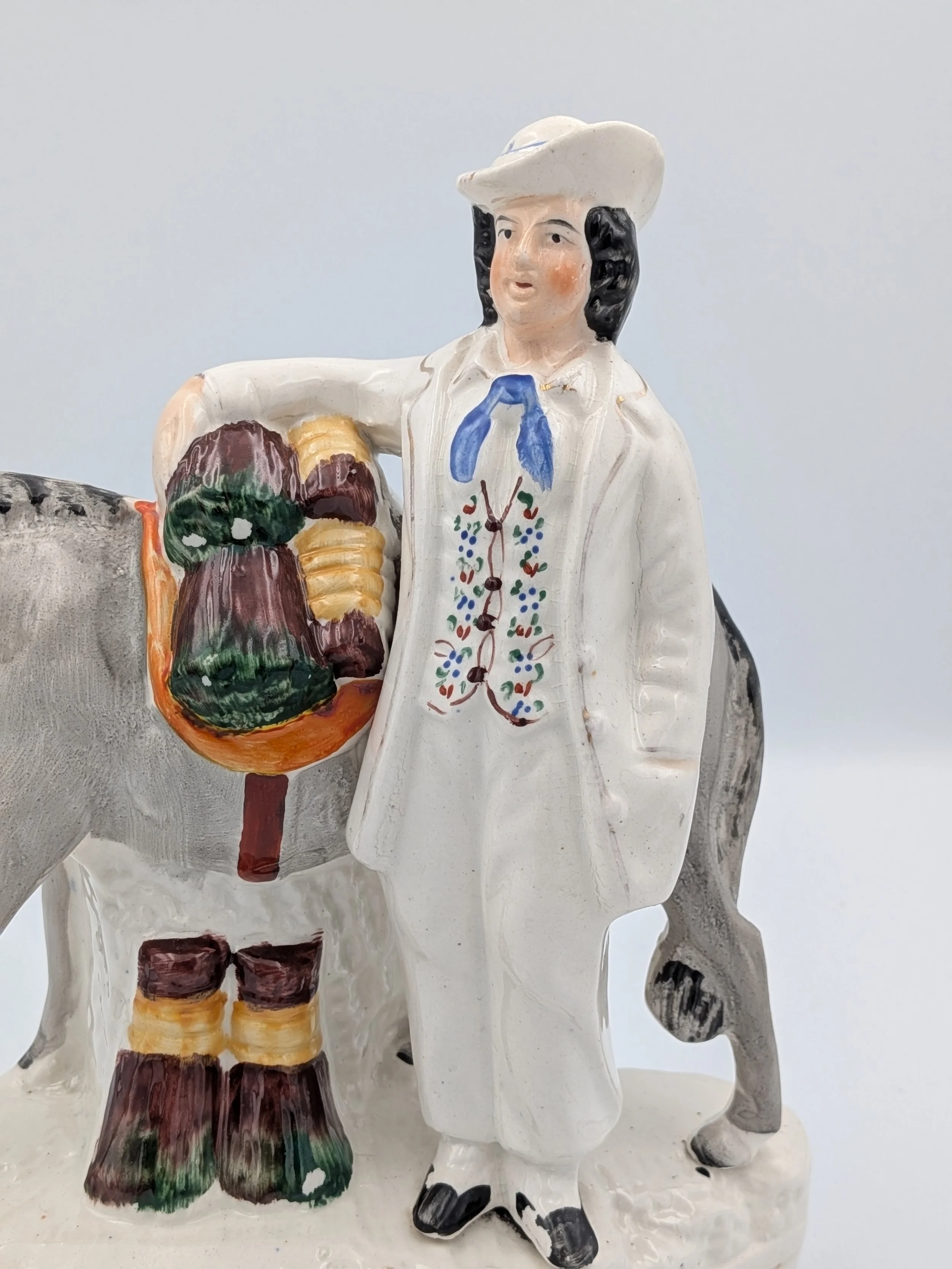 Image 6 of 23
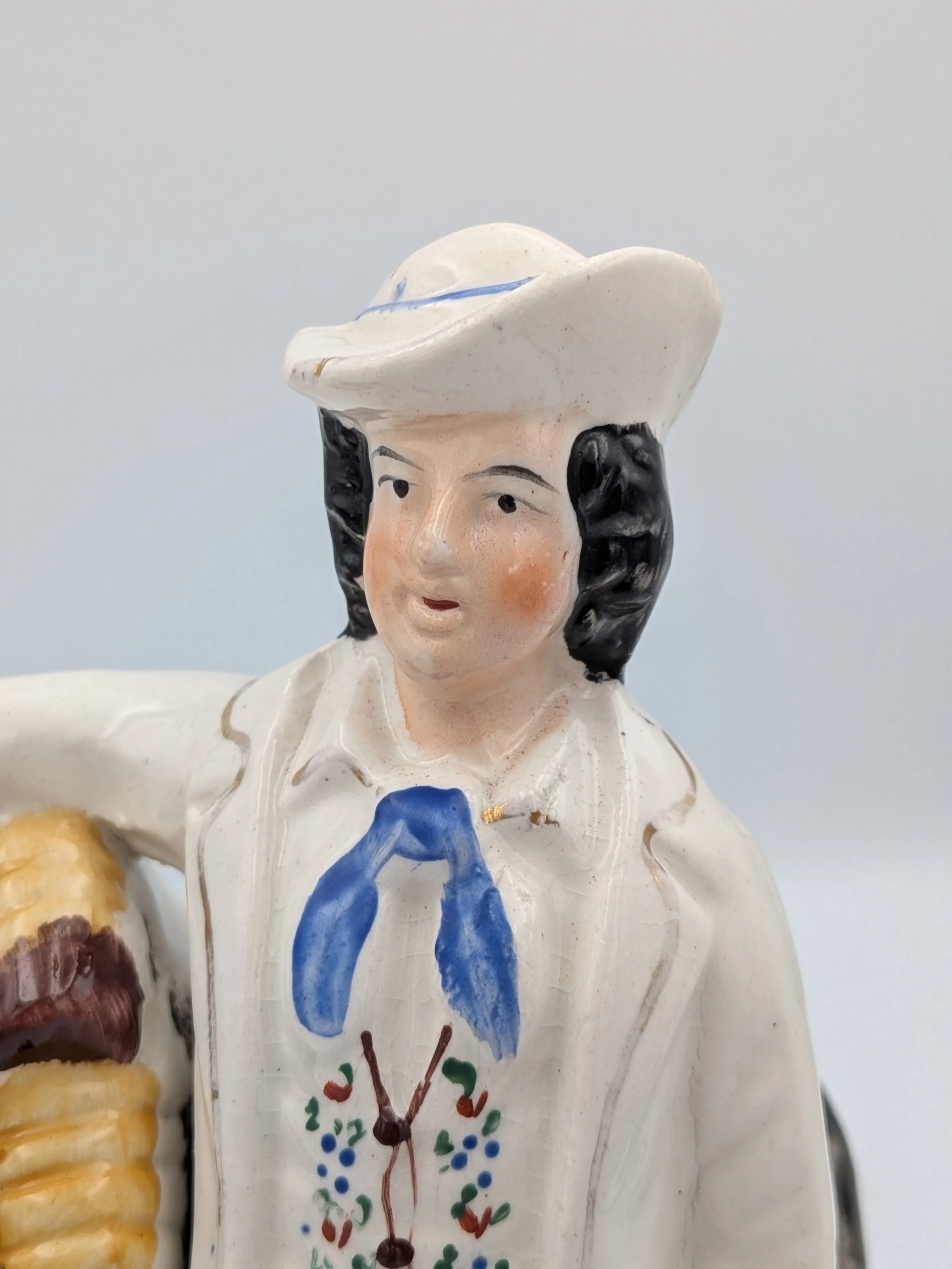 Image 7 of 23
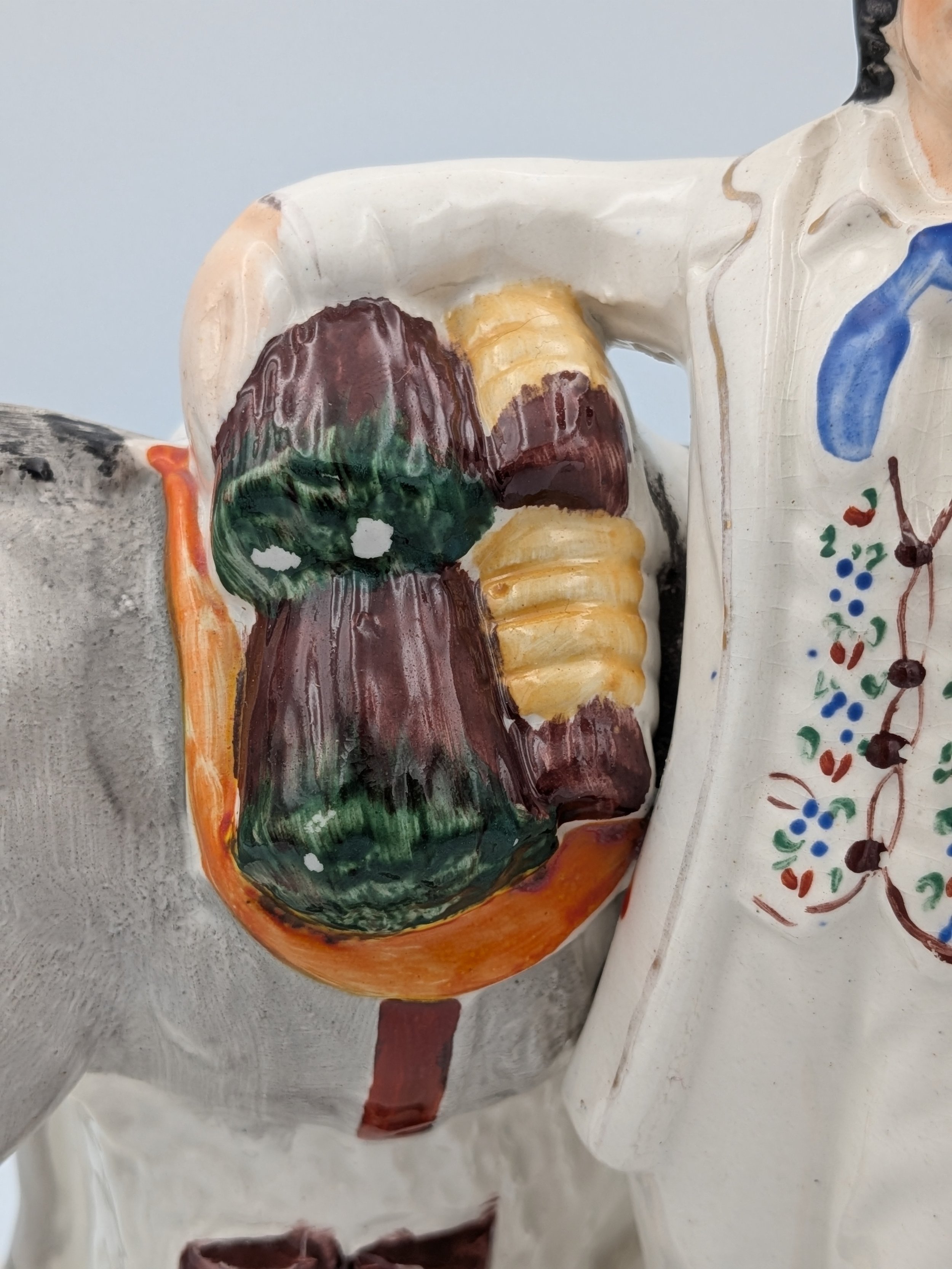 Image 8 of 23
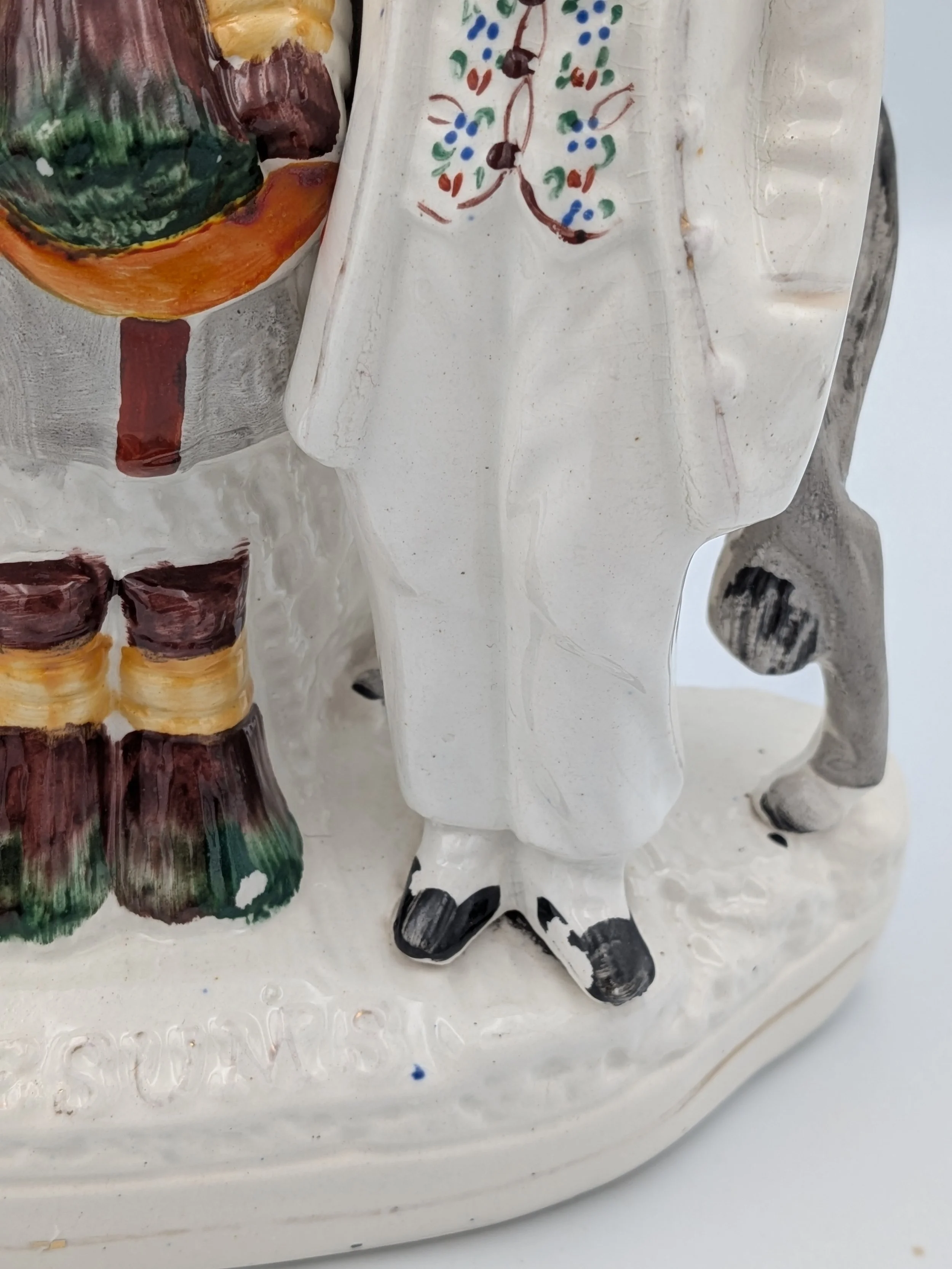 Image 9 of 23
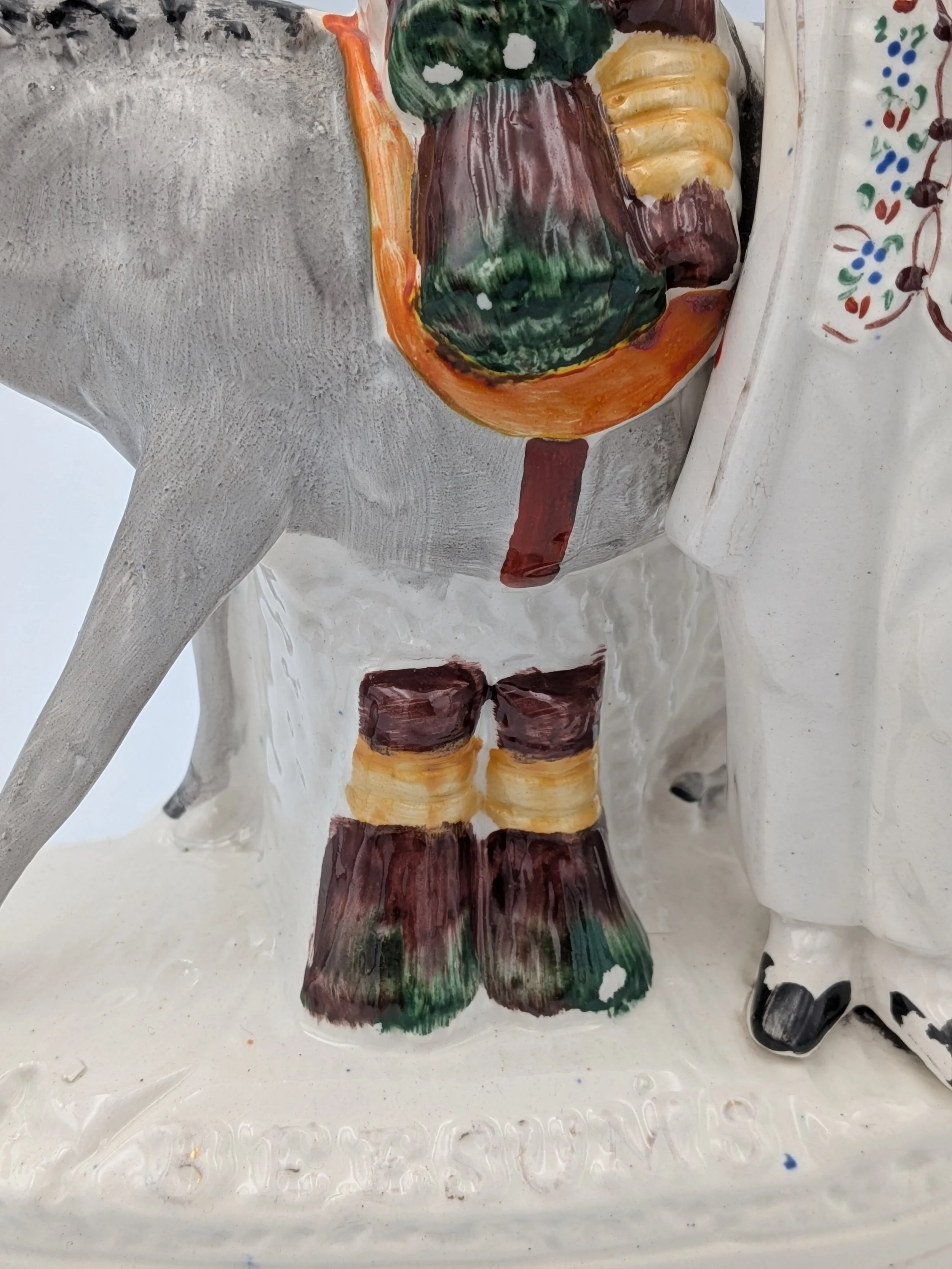 Image 10 of 23
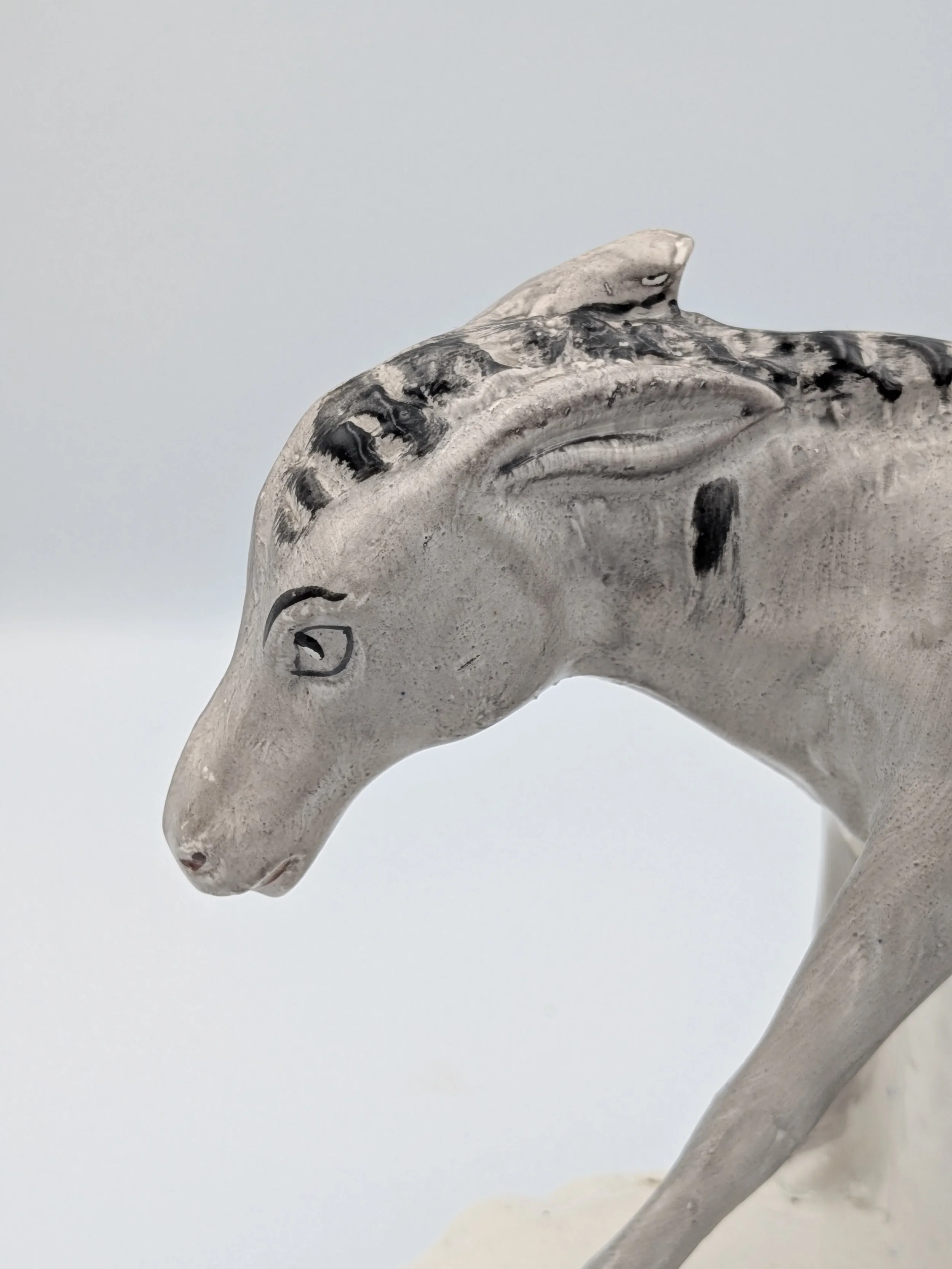 Image 11 of 23
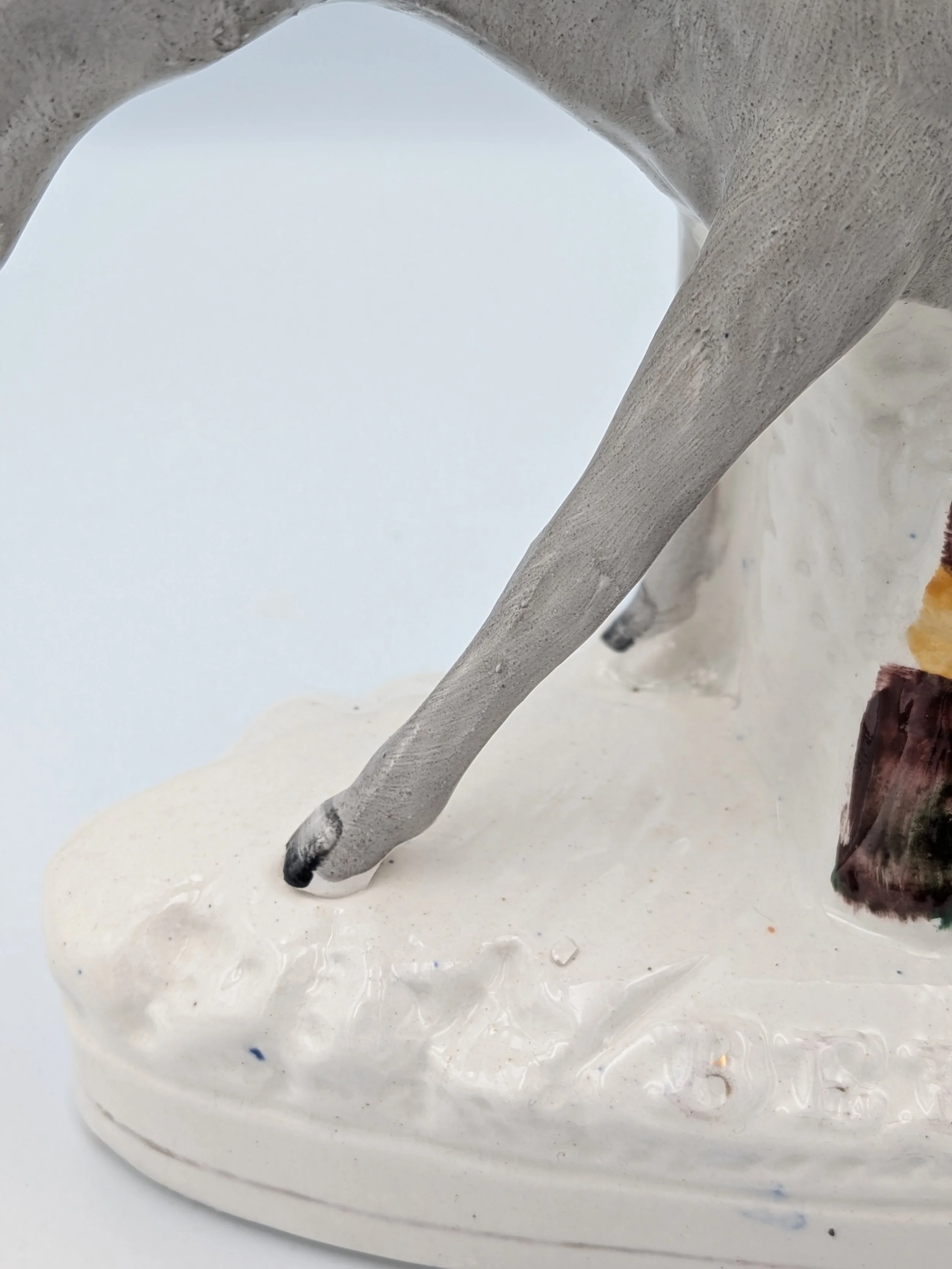 Image 12 of 23
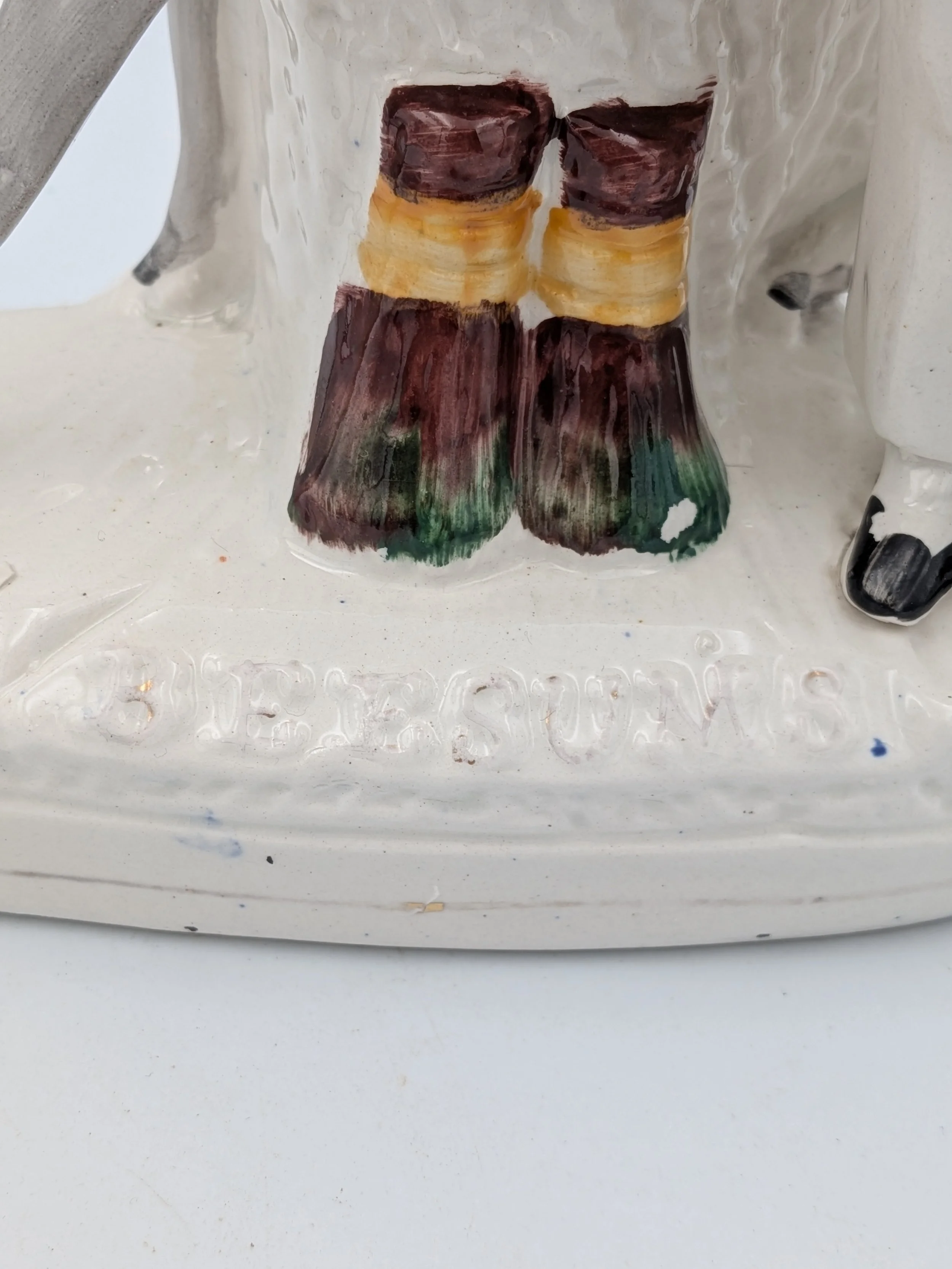 Image 13 of 23
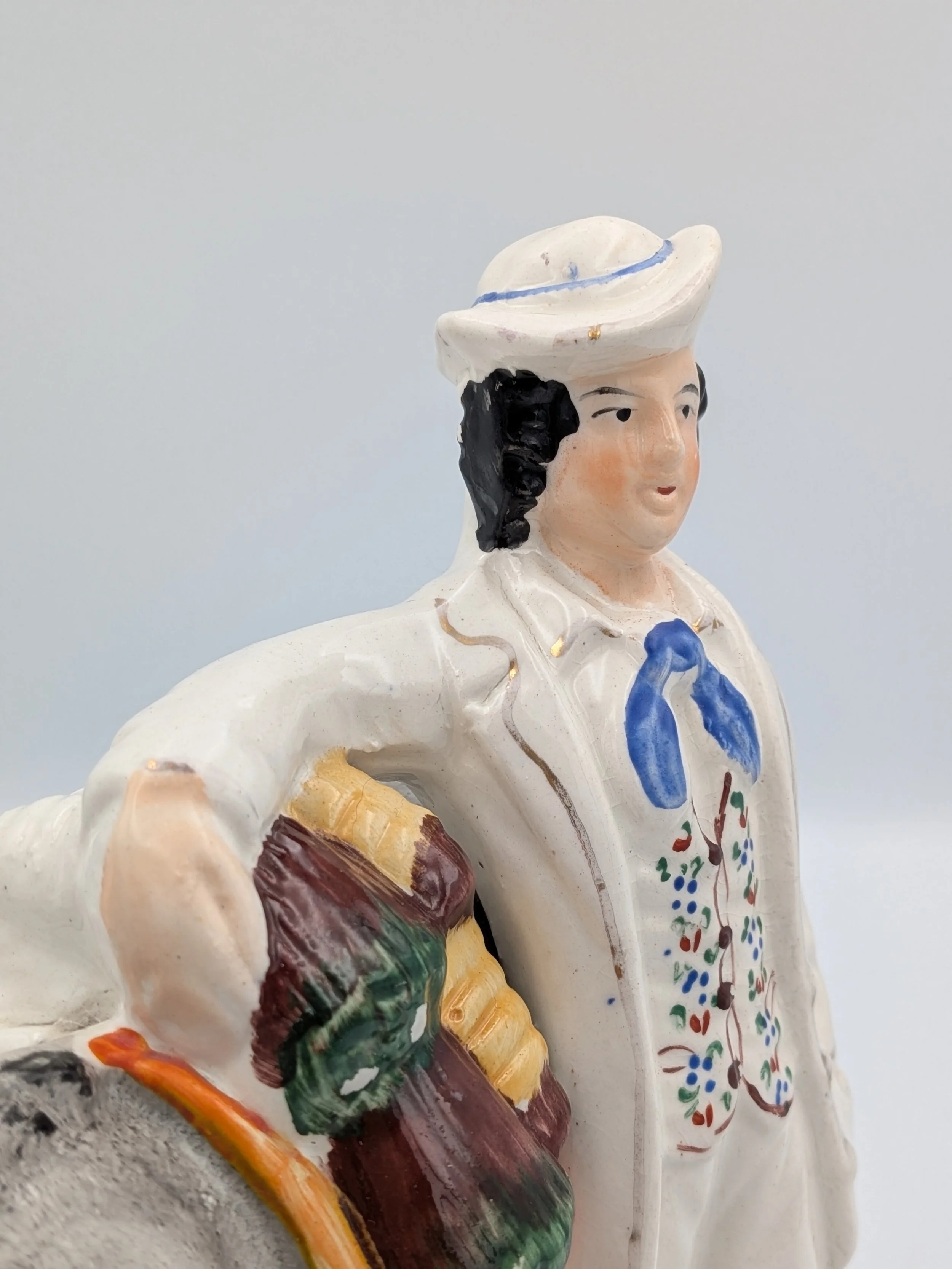 Image 14 of 23
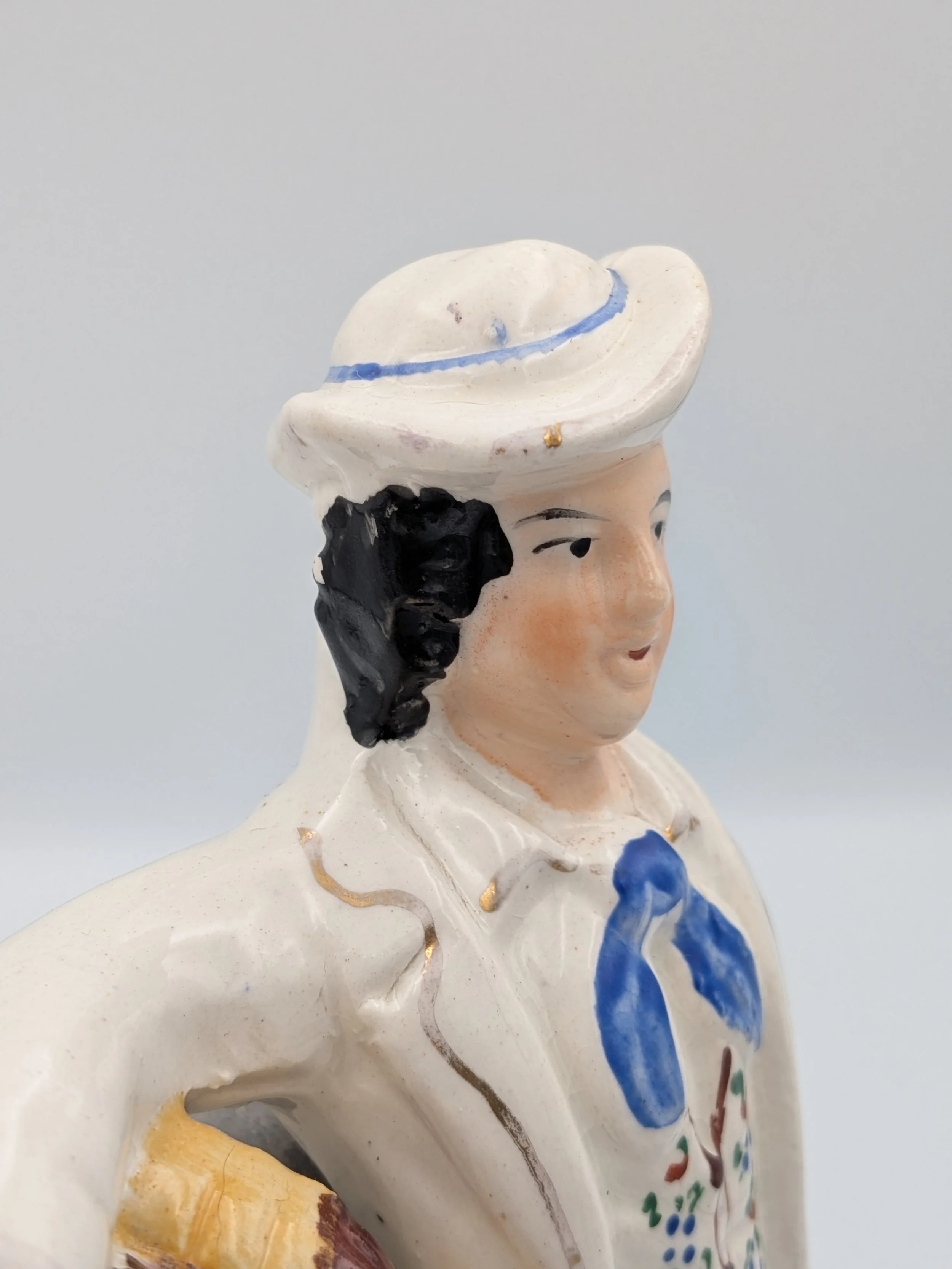 Image 15 of 23
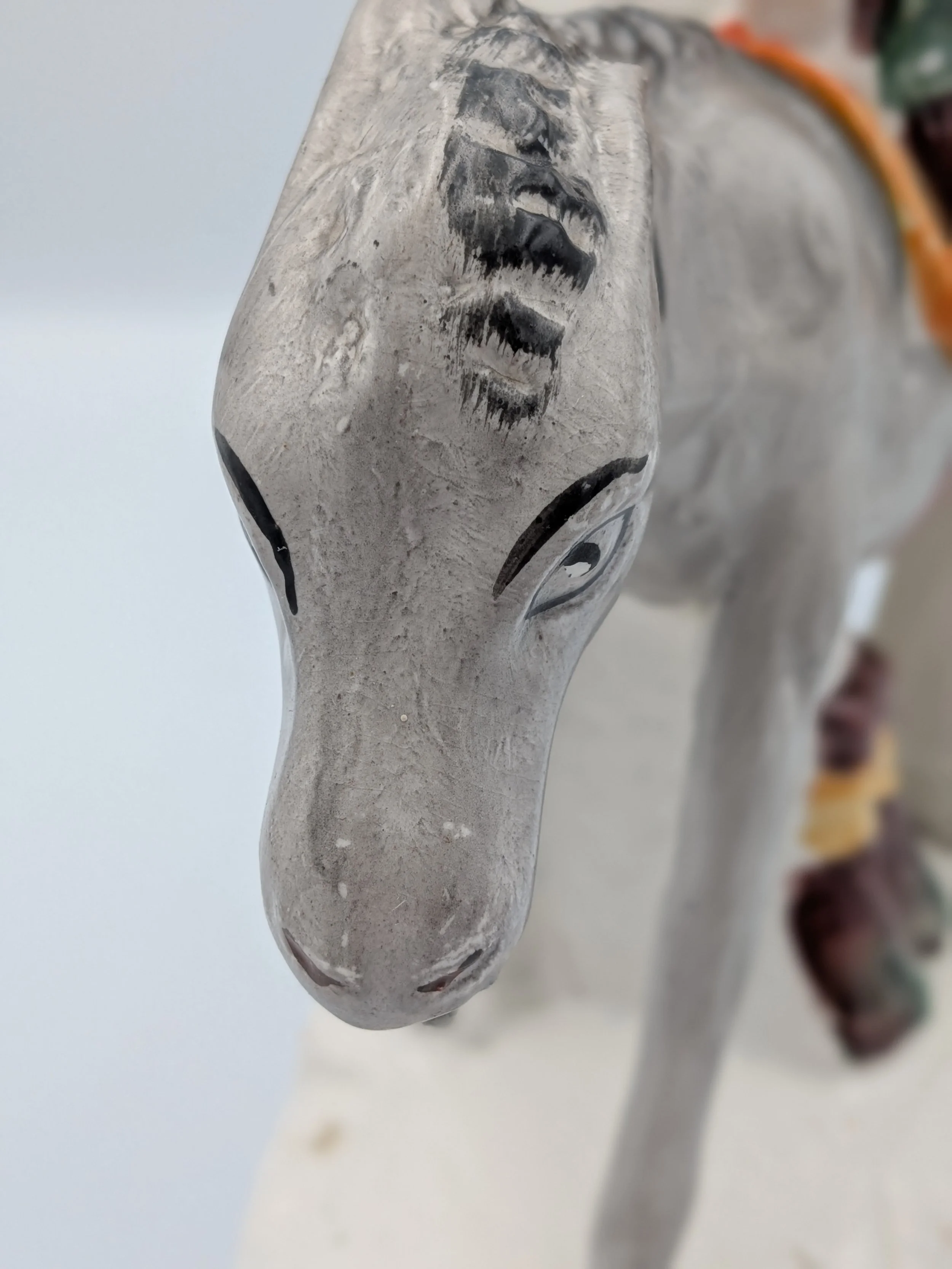 Image 16 of 23
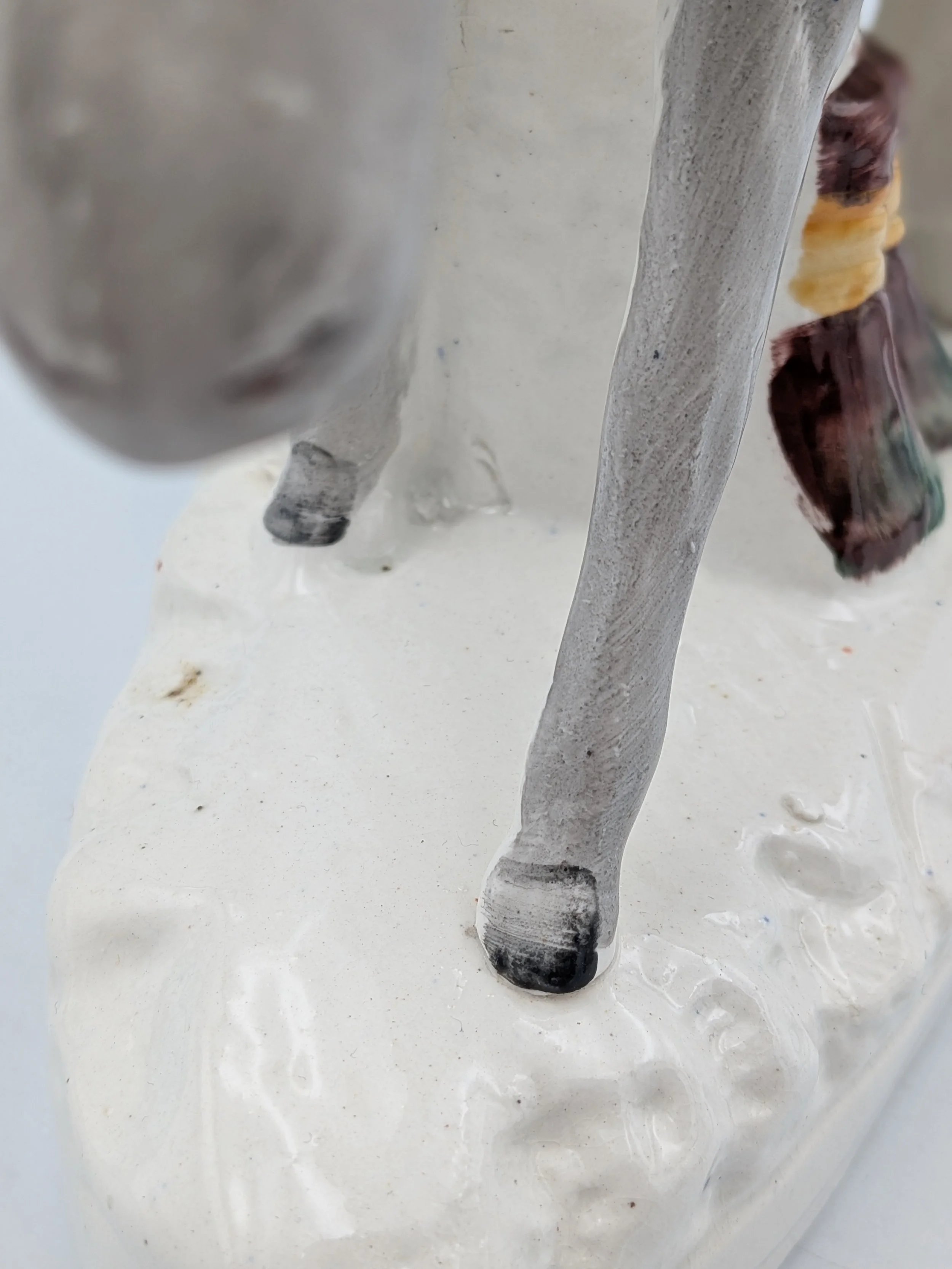 Image 17 of 23
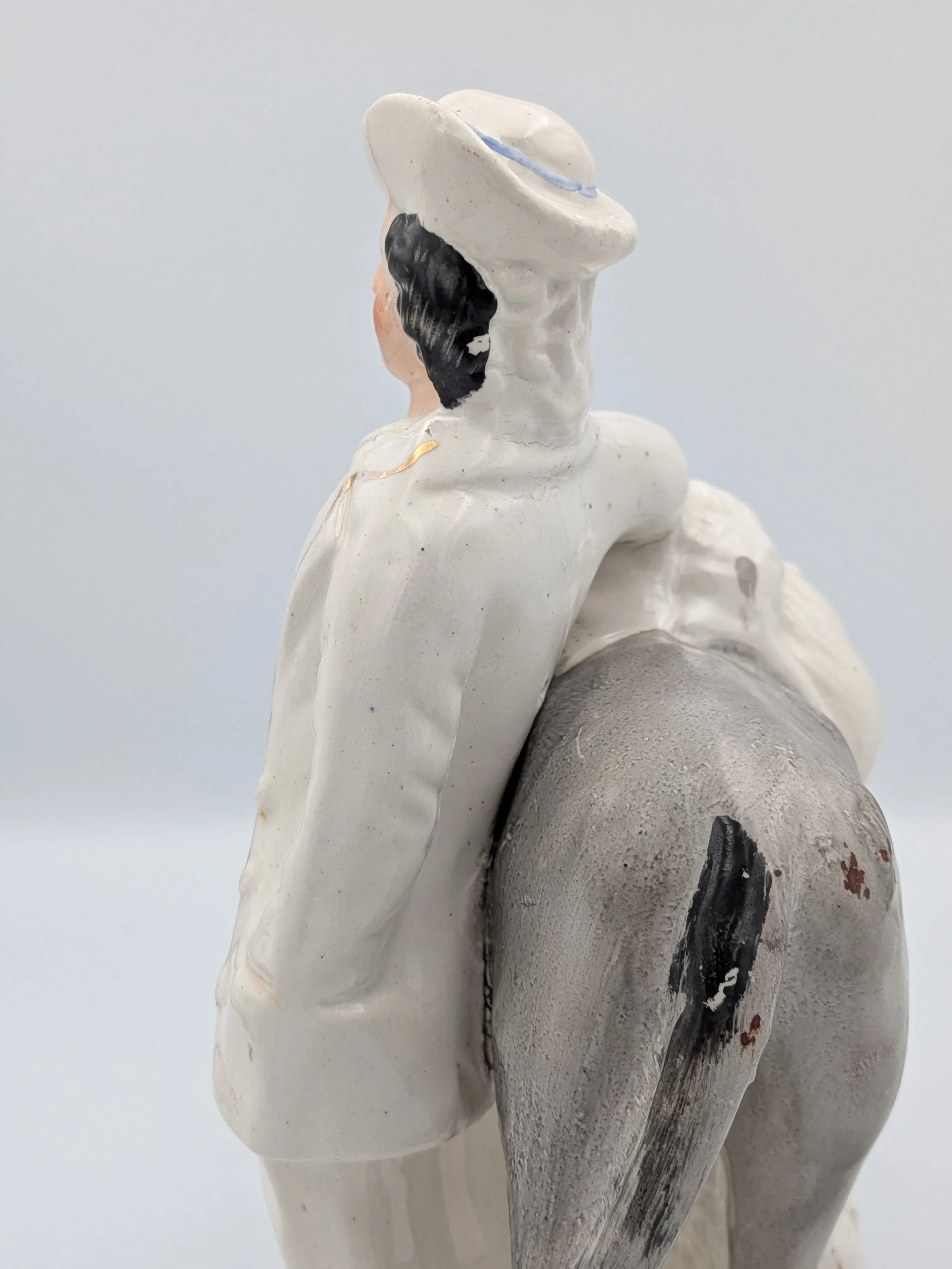 Image 18 of 23
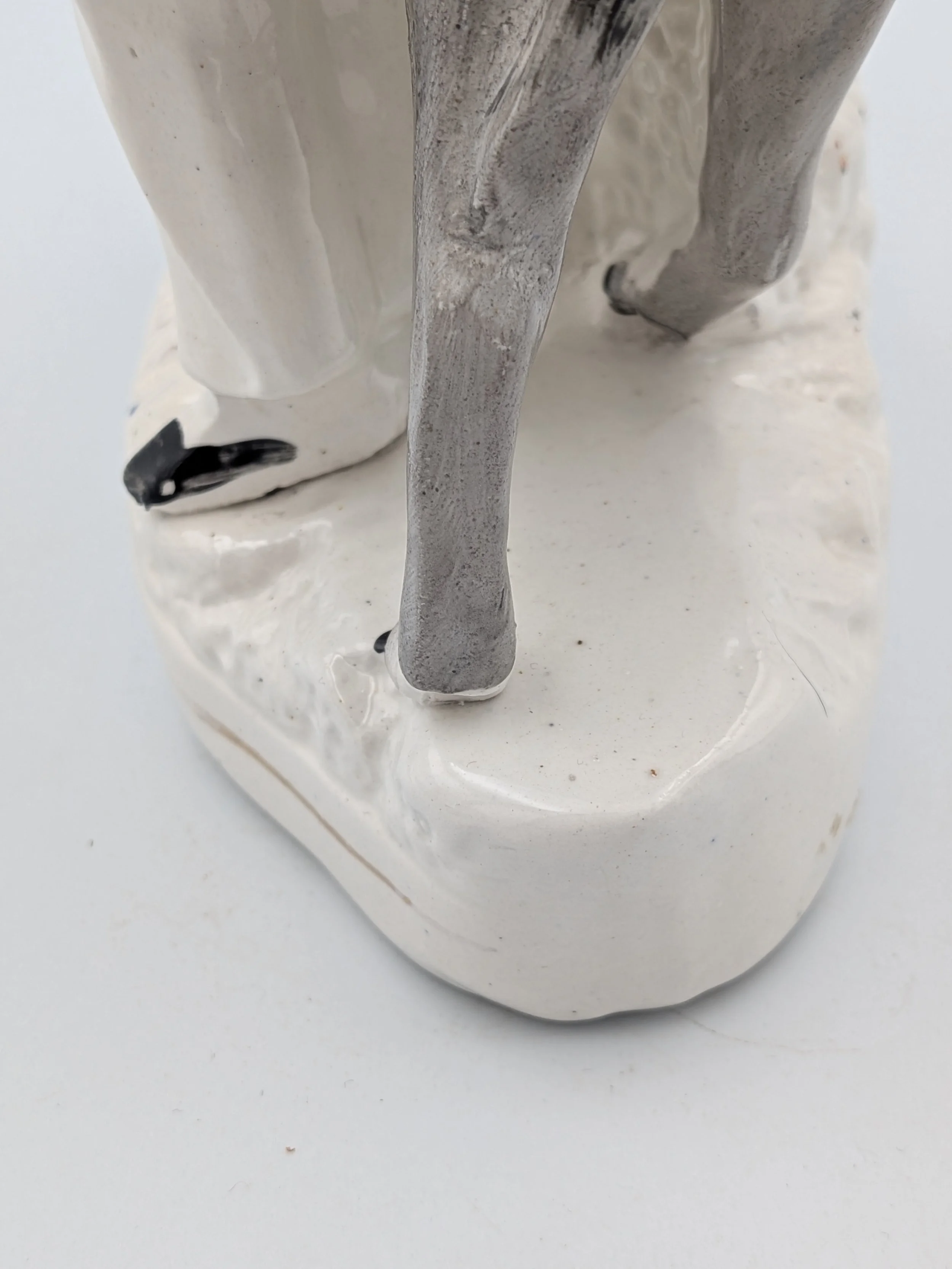 Image 19 of 23
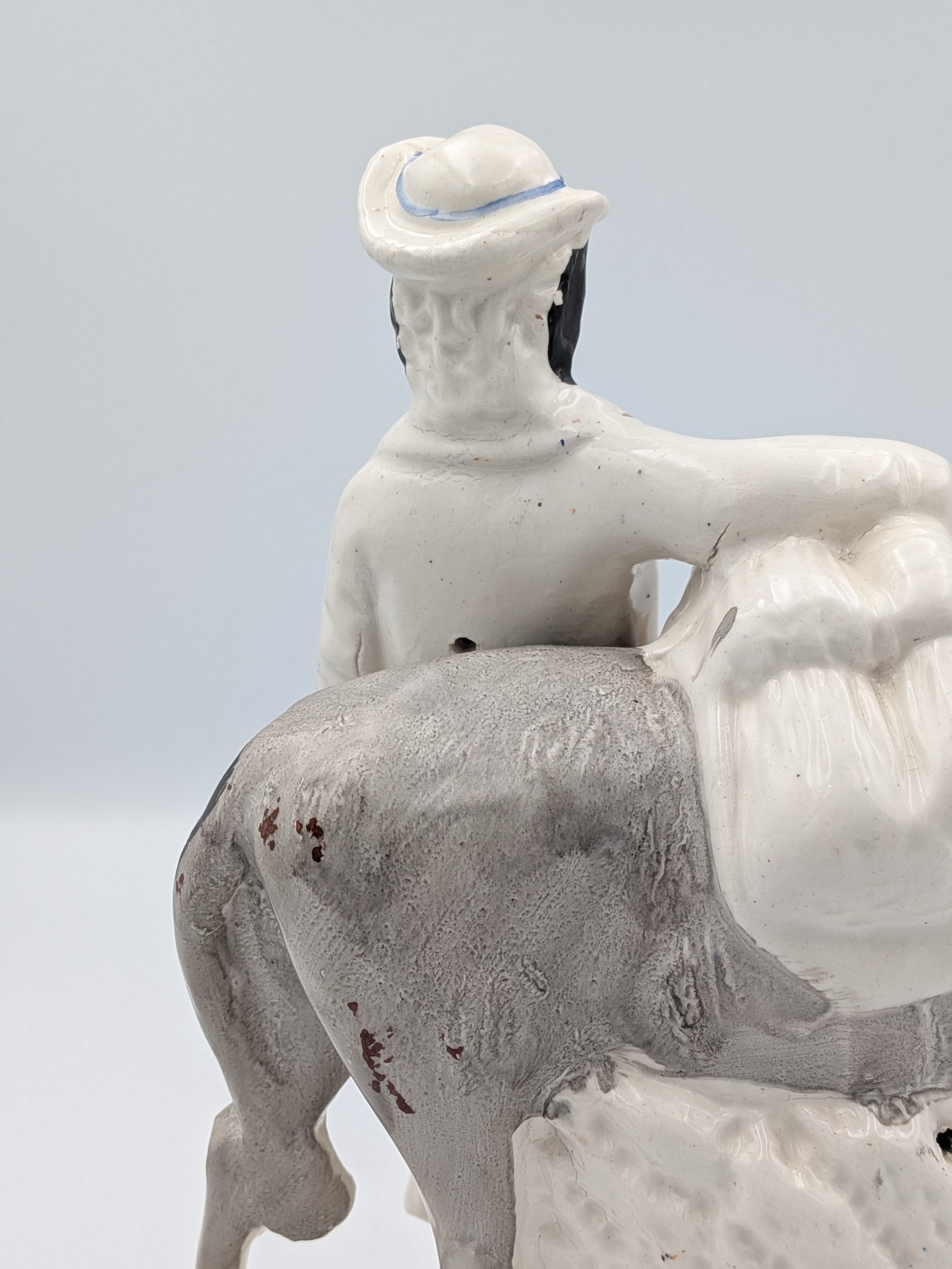 Image 20 of 23
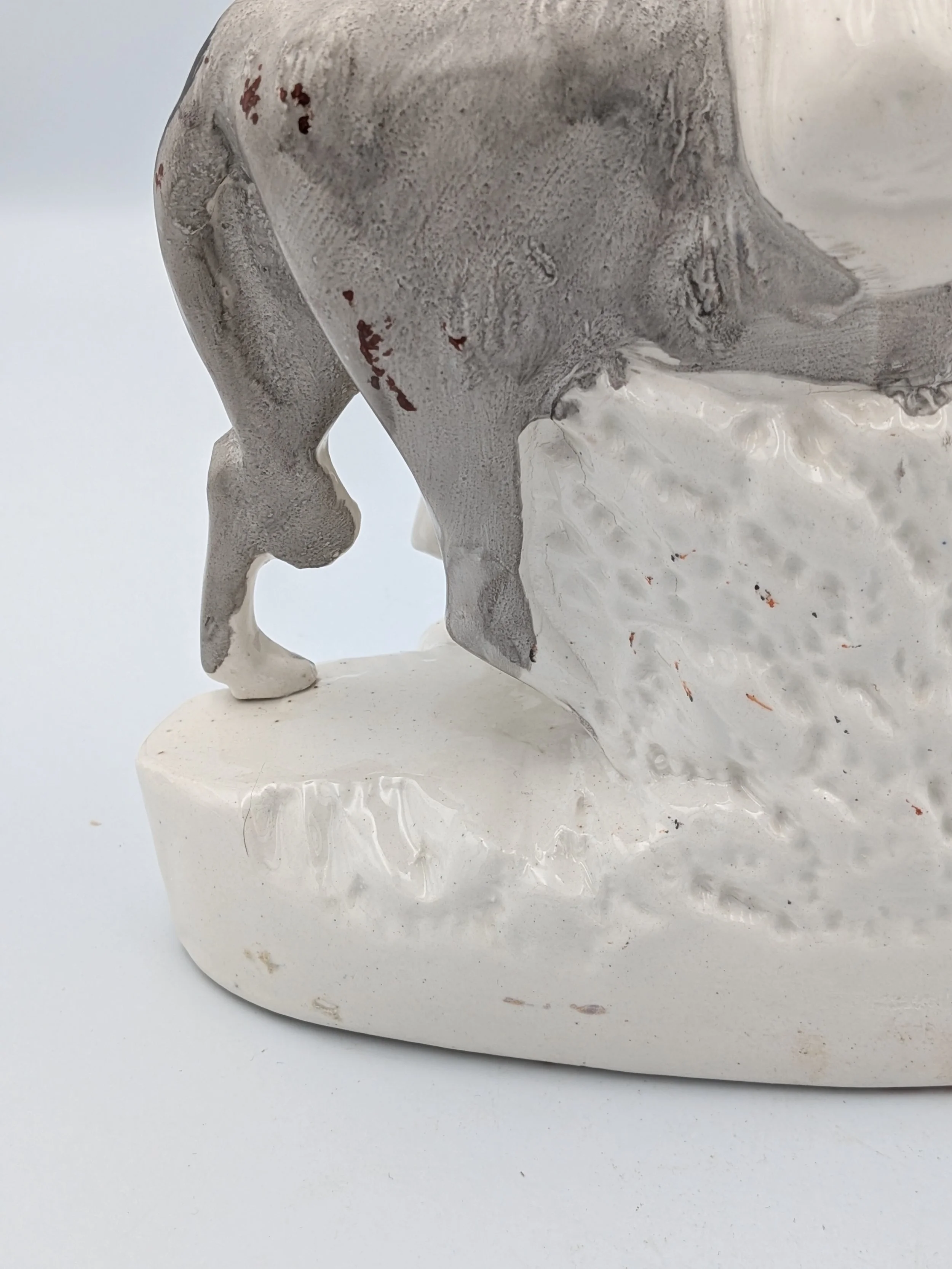 Image 21 of 23
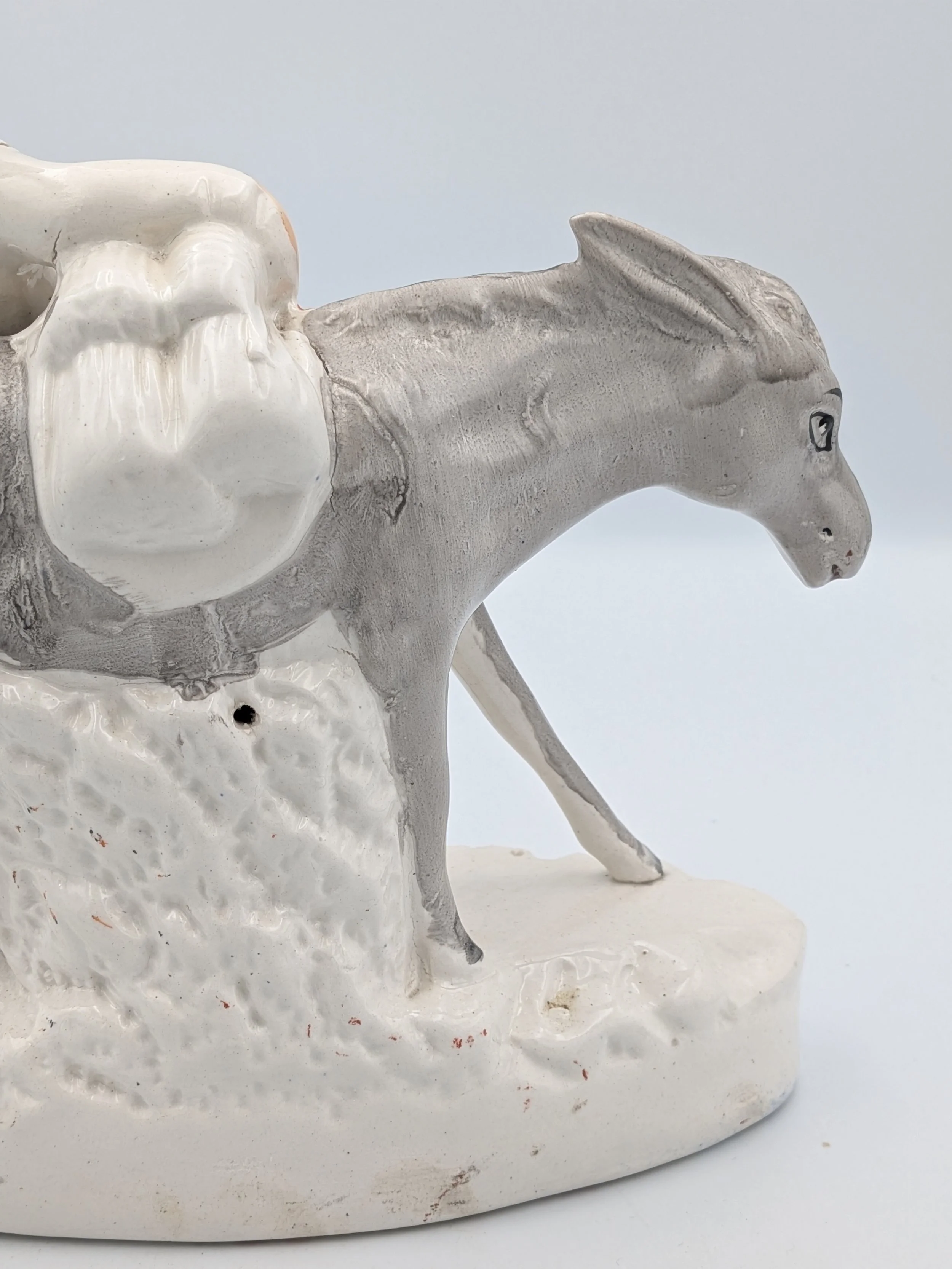 Image 22 of 23
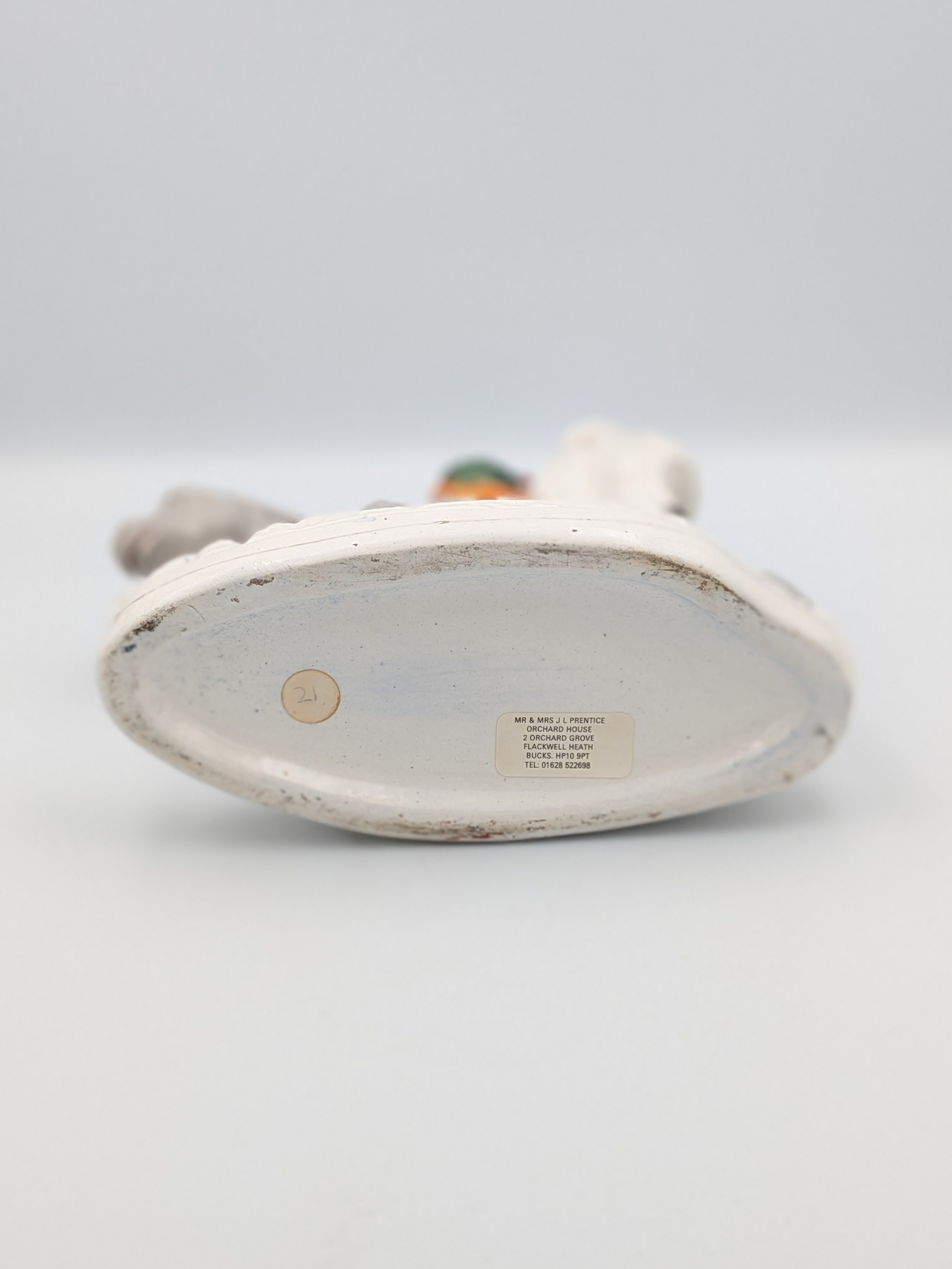 Image 23 of 23