An exceptionally rare and very fine unrecorded pair of porcelain figures which possibly depict the Prince Regent (later George IV) and Maria Fitzherbert.
These figures are very delicately modelled and beautifully decorated with liberal but neat gilding.
Maria Fitzherbert was for many years the companion of George, Price of Wales, Prince Regent. They married secretly in a civil ceremony in 1785, but the marriage was invalid under the Royal Marriages Act 1772 as George III - the Prince's father and reigning monarch - had not consented to it. Fitzherbert was a Catholic (and twice widowed), and Catholics and spouses of Catholics were forbidden by law to become monarchs. Had the marriage been legal, the Prince would have lost his place in the line of succession.
In 1795, the Price acquiesced to marry his first cousin, Princess Caroline of Brunswick, to appease his father and to help service his enormous debts.The marriage was a disaster and the two were formally separated the following year, three days after the birth of Princess Charlotte.
The Prince made several attempts to reunite with Fitzherbert in the following decades, but was rebuffed and was unable to commit to treating her as Consort. After he became King, he seemed to turn against her and vehemently renounced their former relationship. However, when he was gravely ill in 1830, he took Fitzherbert's letter wishing him well and kept it under his pillow. After his death in June 1830, it was discovered that he had kept all of her letters and was buried, at his request, with her eye miniature around his neck.
After his death, Fitzherbert showed George's brother - William IV - their marriage document. The new King begged her to accept the title of Duchess but she refused, asking only for permission to wear widow's weeds and to dress her servants in royal livery.
A number of Staffordshire figures are thought to depict the Prince Regent and Fitzherbert but most identifications are dubious and challenged by many experts.
This pair displays fantastically and is a very desirable and obscure addition to any collection. It must be noted, however, that Fitzherbert’s neck and left arm have been professionally restored - largely unnoticeable when displayed as the standard is high.
Reference: Possibly unrecorded
Height: 4”
Date: c. 1830
An exceptionally rare and very fine unrecorded pair of porcelain figures which possibly depict the Prince Regent (later George IV) and Maria Fitzherbert.
These figures are very delicately modelled and beautifully decorated with liberal but neat gilding.
Maria Fitzherbert was for many years the companion of George, Price of Wales, Prince Regent. They married secretly in a civil ceremony in 1785, but the marriage was invalid under the Royal Marriages Act 1772 as George III - the Prince's father and reigning monarch - had not consented to it. Fitzherbert was a Catholic (and twice widowed), and Catholics and spouses of Catholics were forbidden by law to become monarchs. Had the marriage been legal, the Prince would have lost his place in the line of succession.
In 1795, the Price acquiesced to marry his first cousin, Princess Caroline of Brunswick, to appease his father and to help service his enormous debts.The marriage was a disaster and the two were formally separated the following year, three days after the birth of Princess Charlotte.
The Prince made several attempts to reunite with Fitzherbert in the following decades, but was rebuffed and was unable to commit to treating her as Consort. After he became King, he seemed to turn against her and vehemently renounced their former relationship. However, when he was gravely ill in 1830, he took Fitzherbert's letter wishing him well and kept it under his pillow. After his death in June 1830, it was discovered that he had kept all of her letters and was buried, at his request, with her eye miniature around his neck.
After his death, Fitzherbert showed George's brother - William IV - their marriage document. The new King begged her to accept the title of Duchess but she refused, asking only for permission to wear widow's weeds and to dress her servants in royal livery.
A number of Staffordshire figures are thought to depict the Prince Regent and Fitzherbert but most identifications are dubious and challenged by many experts.
This pair displays fantastically and is a very desirable and obscure addition to any collection. It must be noted, however, that Fitzherbert’s neck and left arm have been professionally restored - largely unnoticeable when displayed as the standard is high.
Reference: Possibly unrecorded
Height: 4”
Date: c. 1830
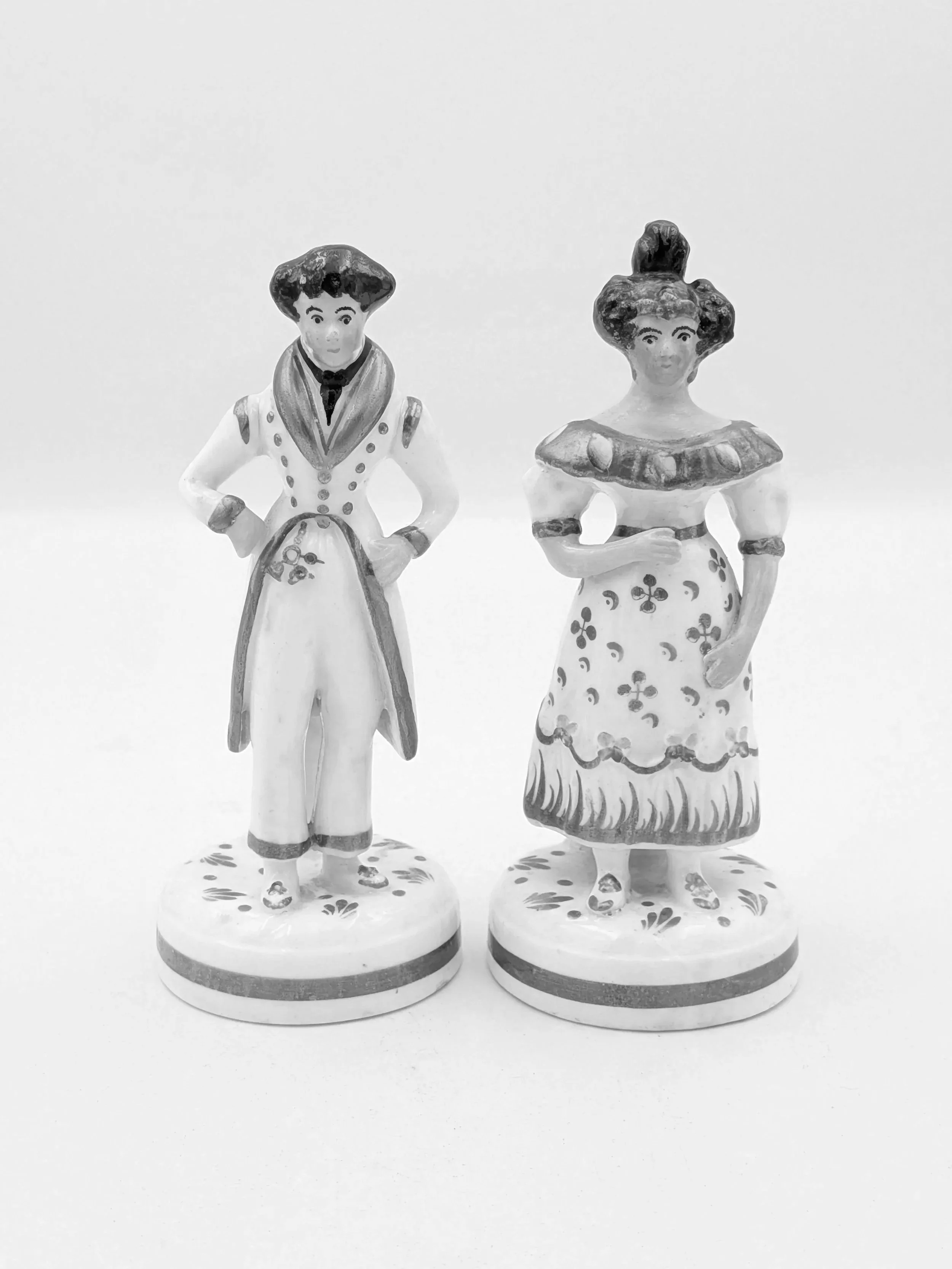 Image 1 of 27
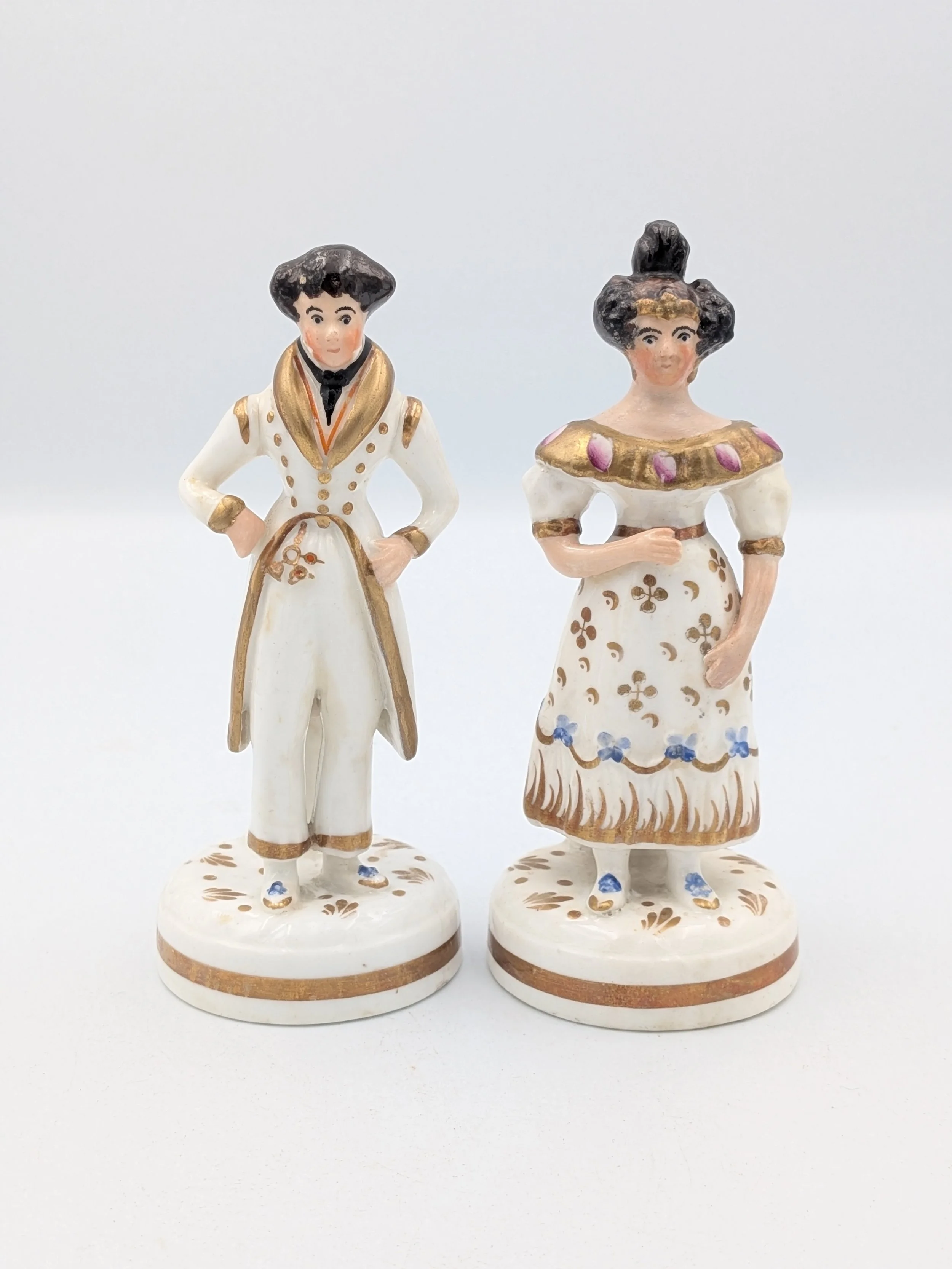 Image 2 of 27
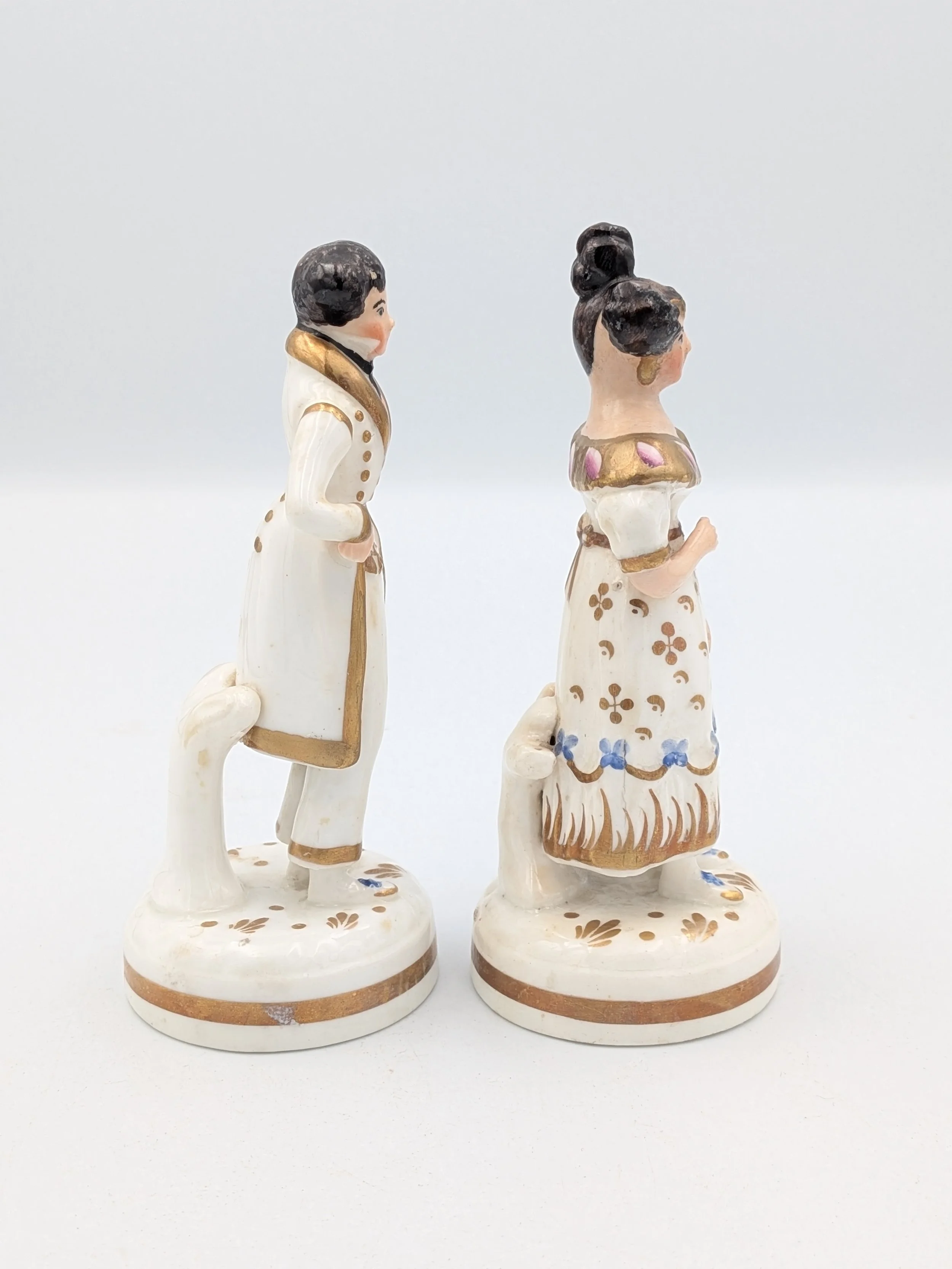 Image 3 of 27
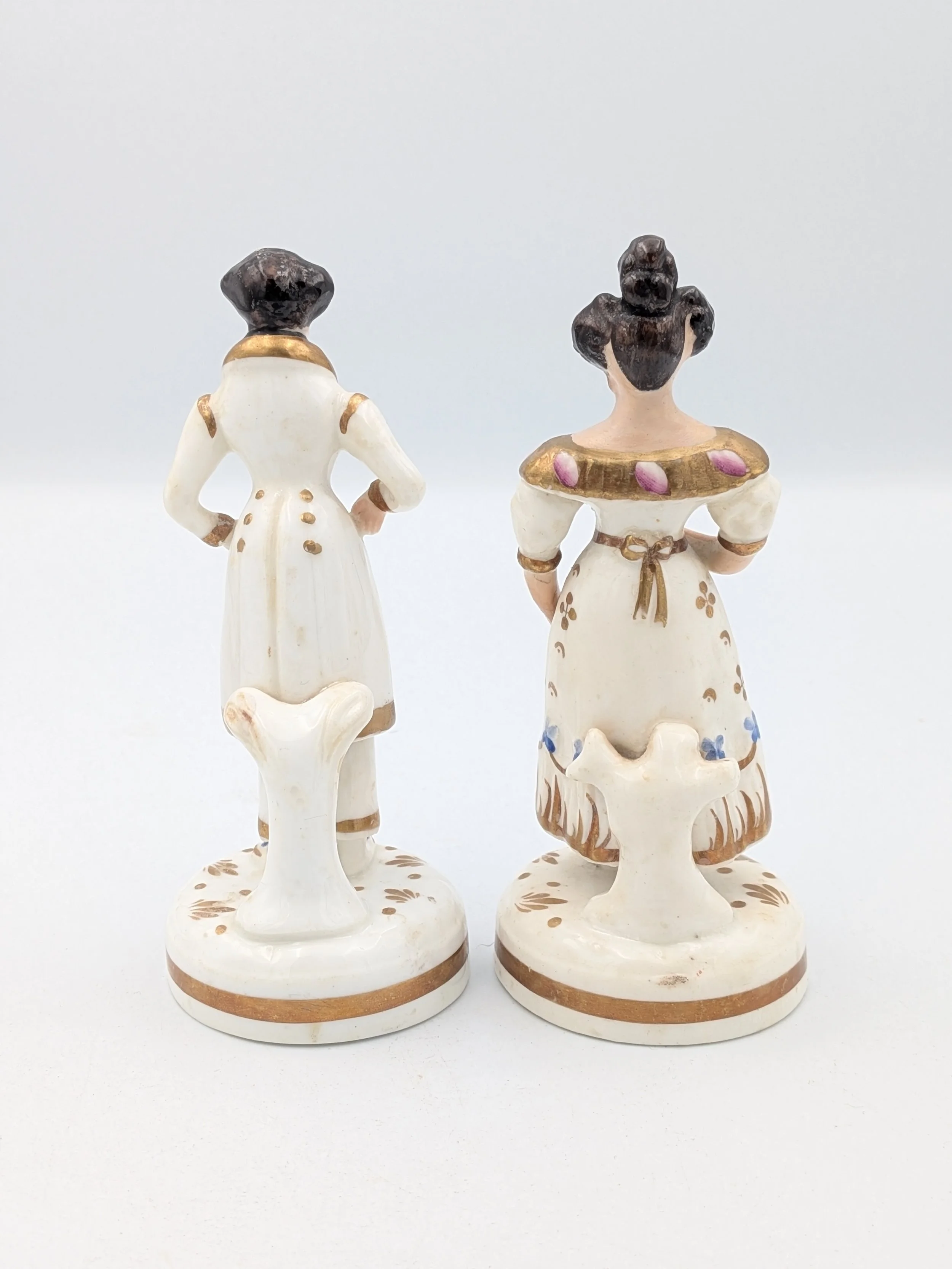 Image 4 of 27
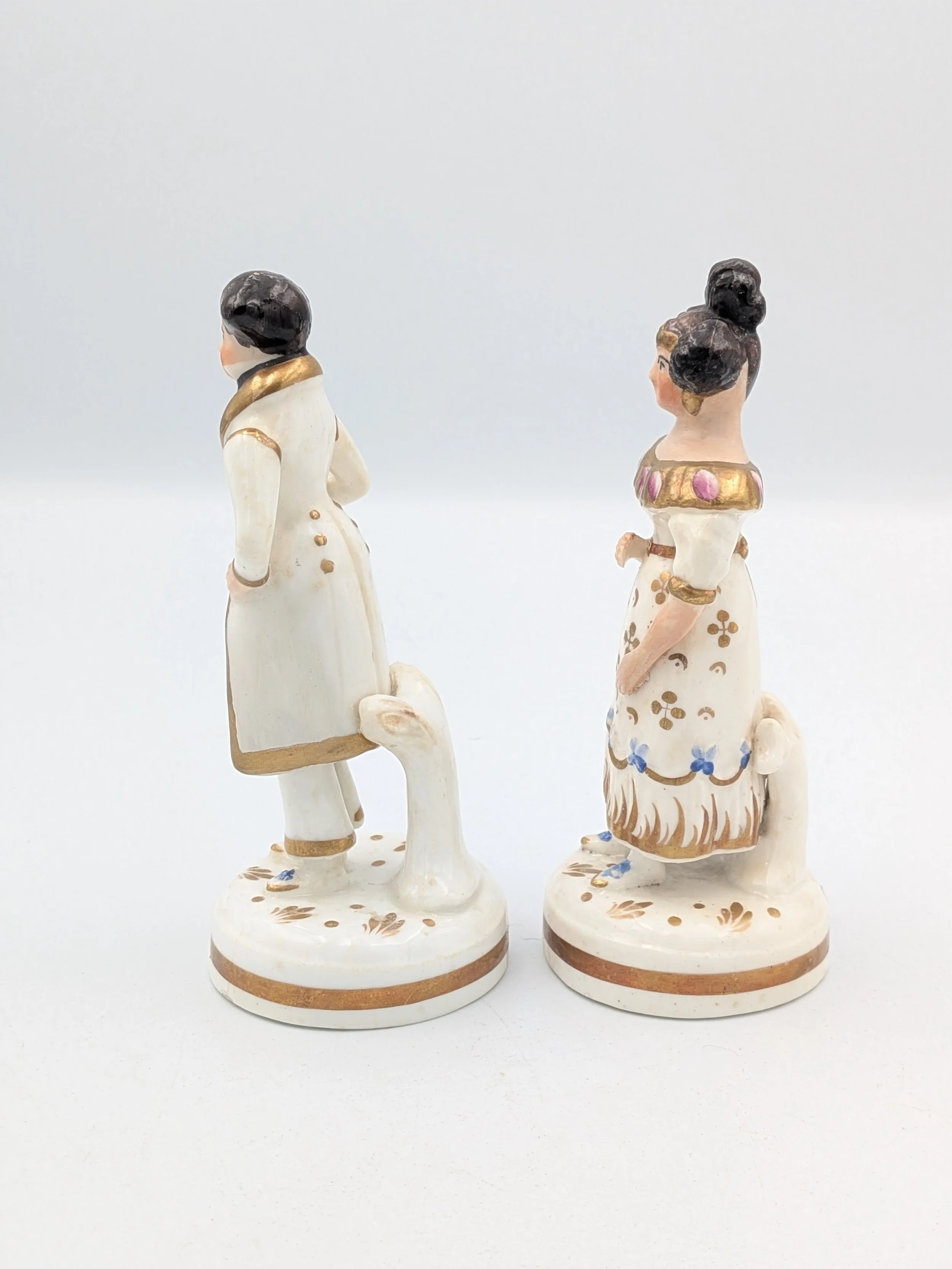 Image 5 of 27
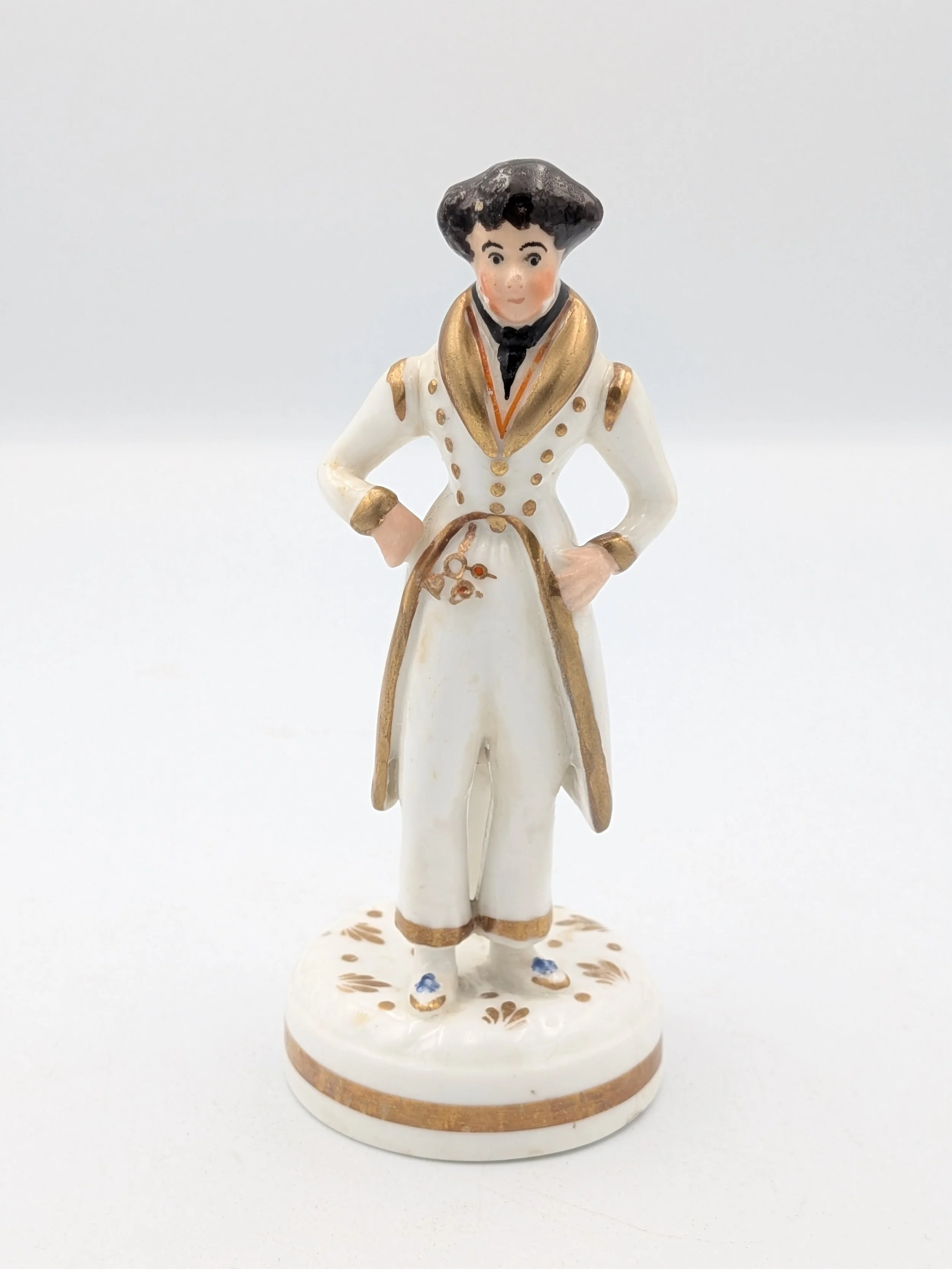 Image 6 of 27
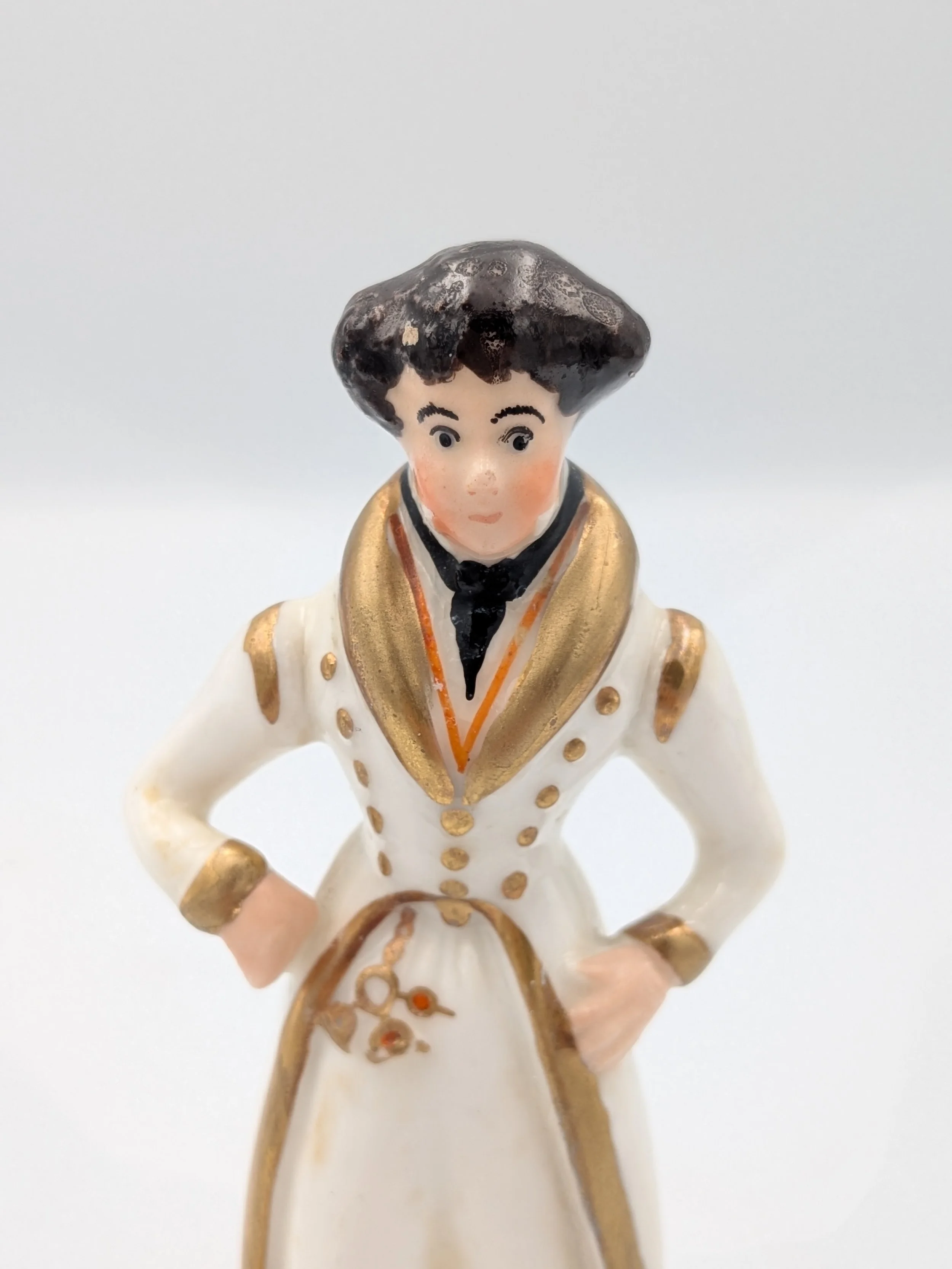 Image 7 of 27
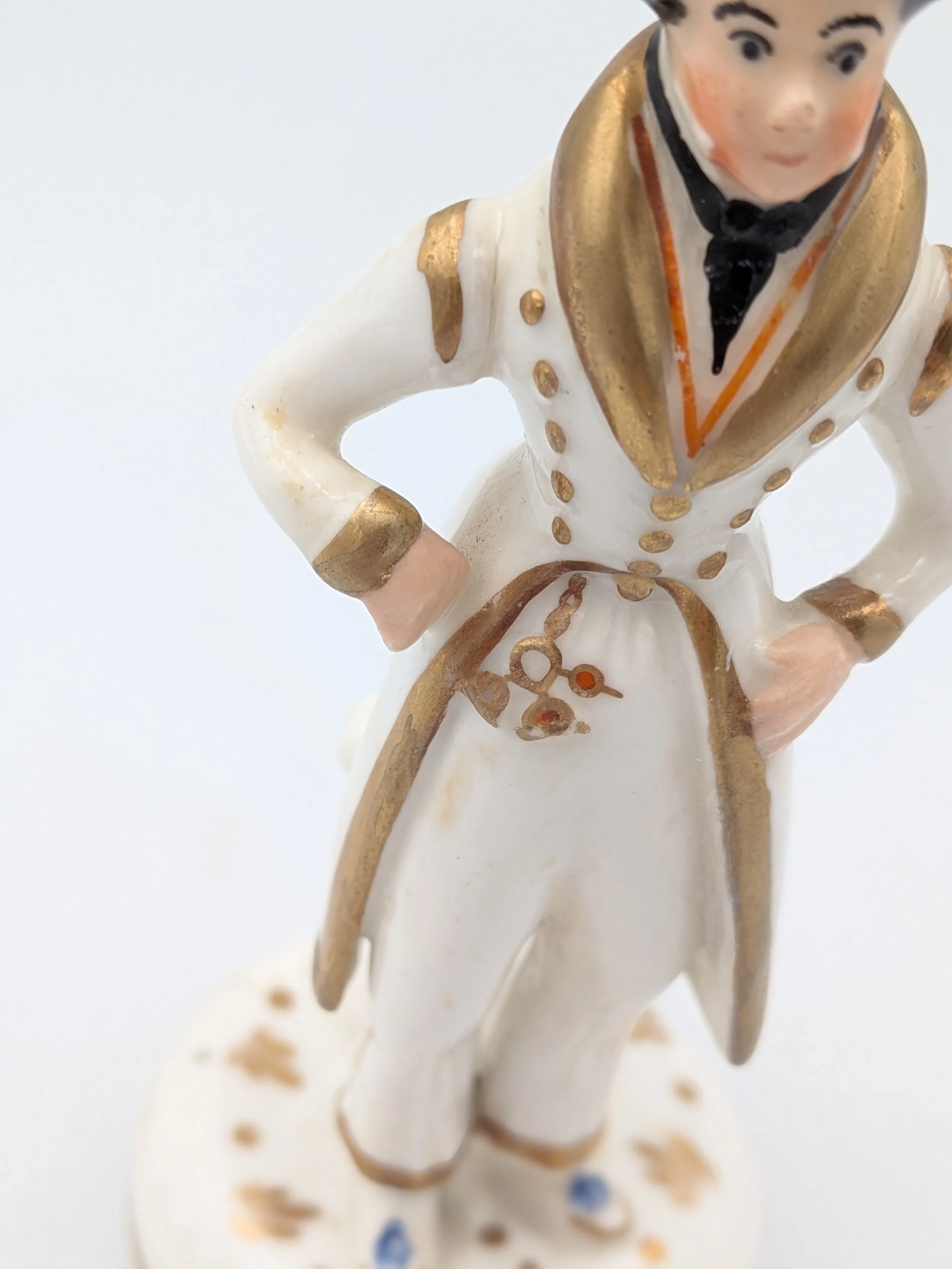 Image 8 of 27
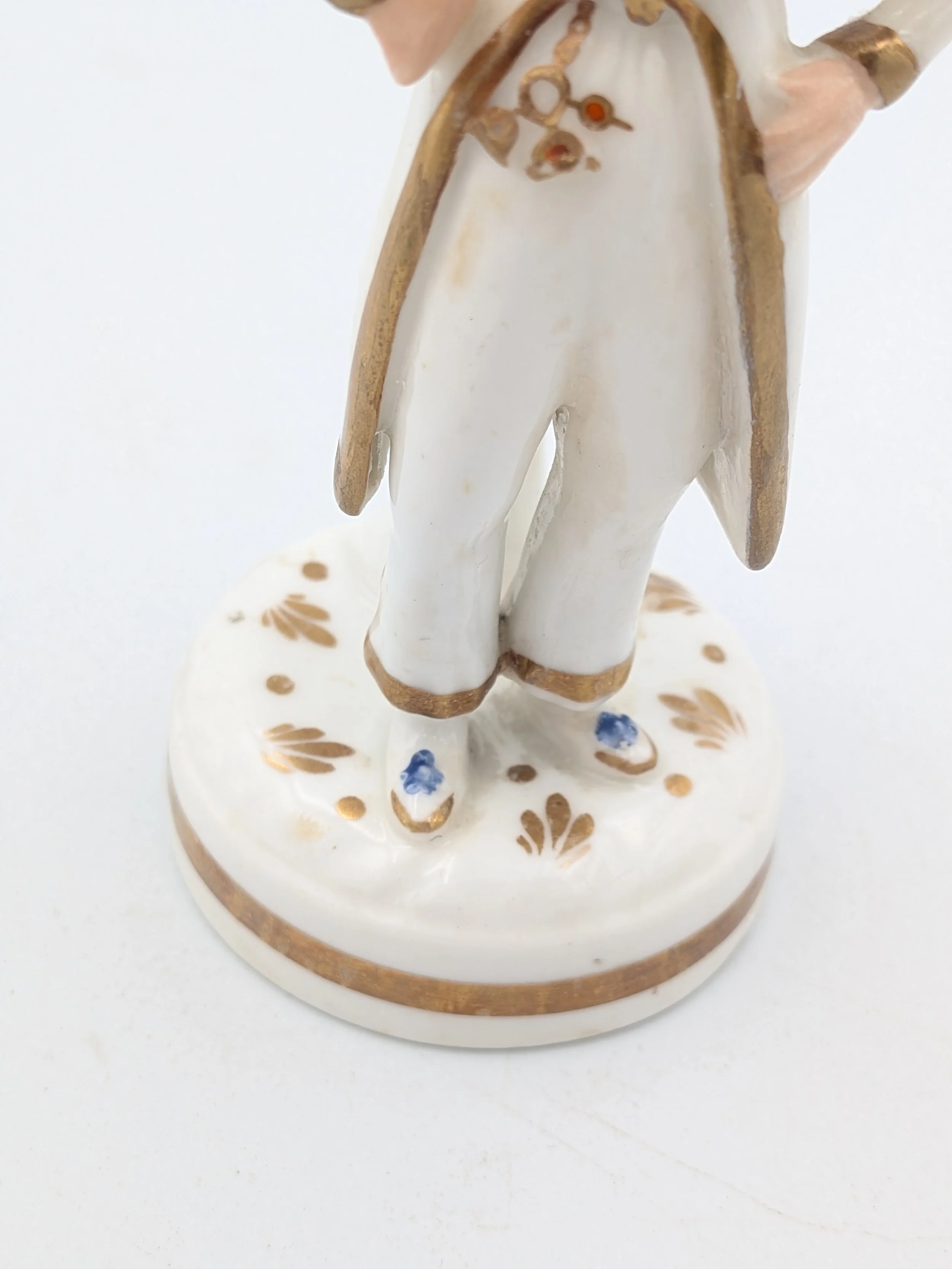 Image 9 of 27
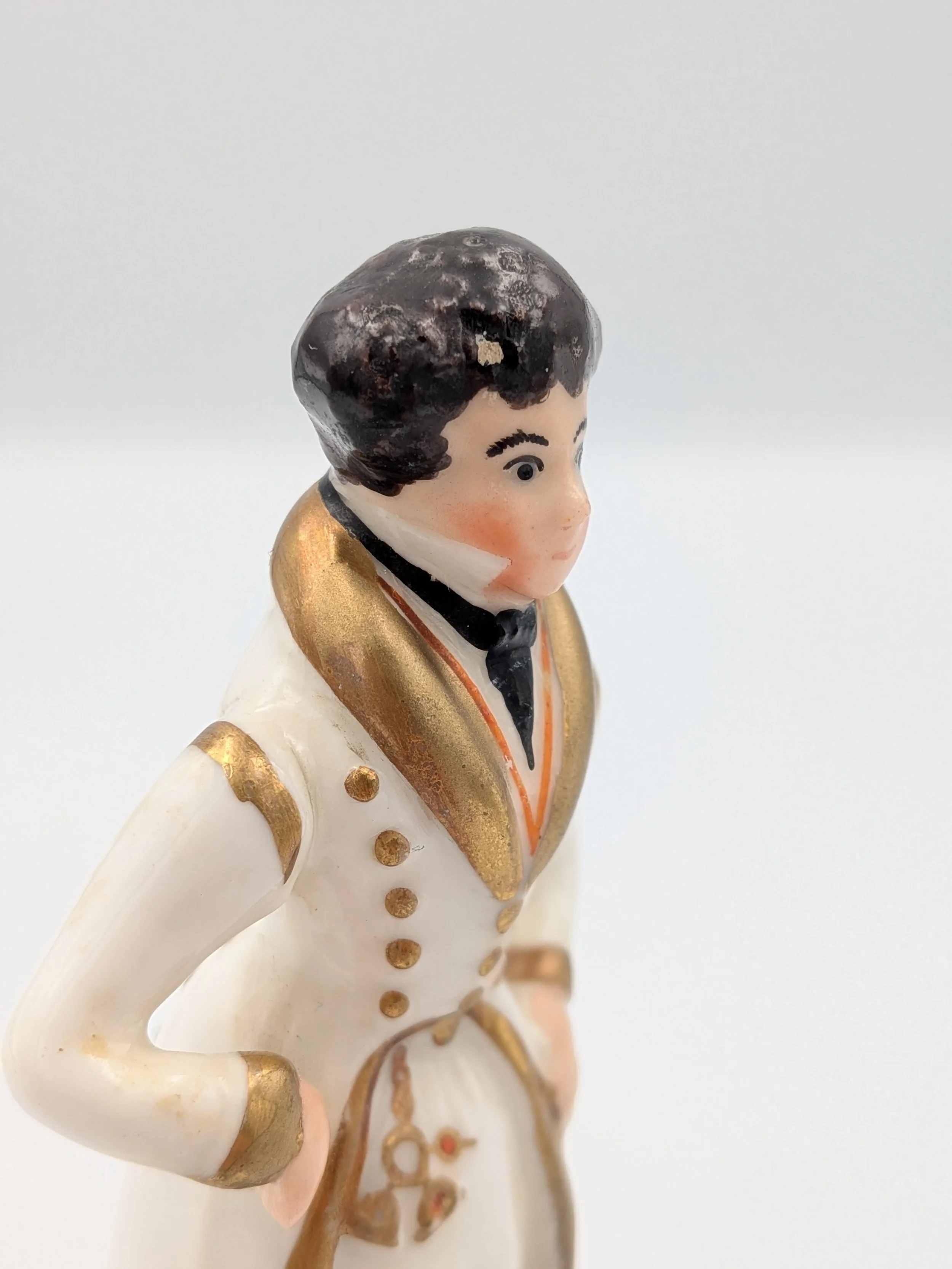 Image 10 of 27
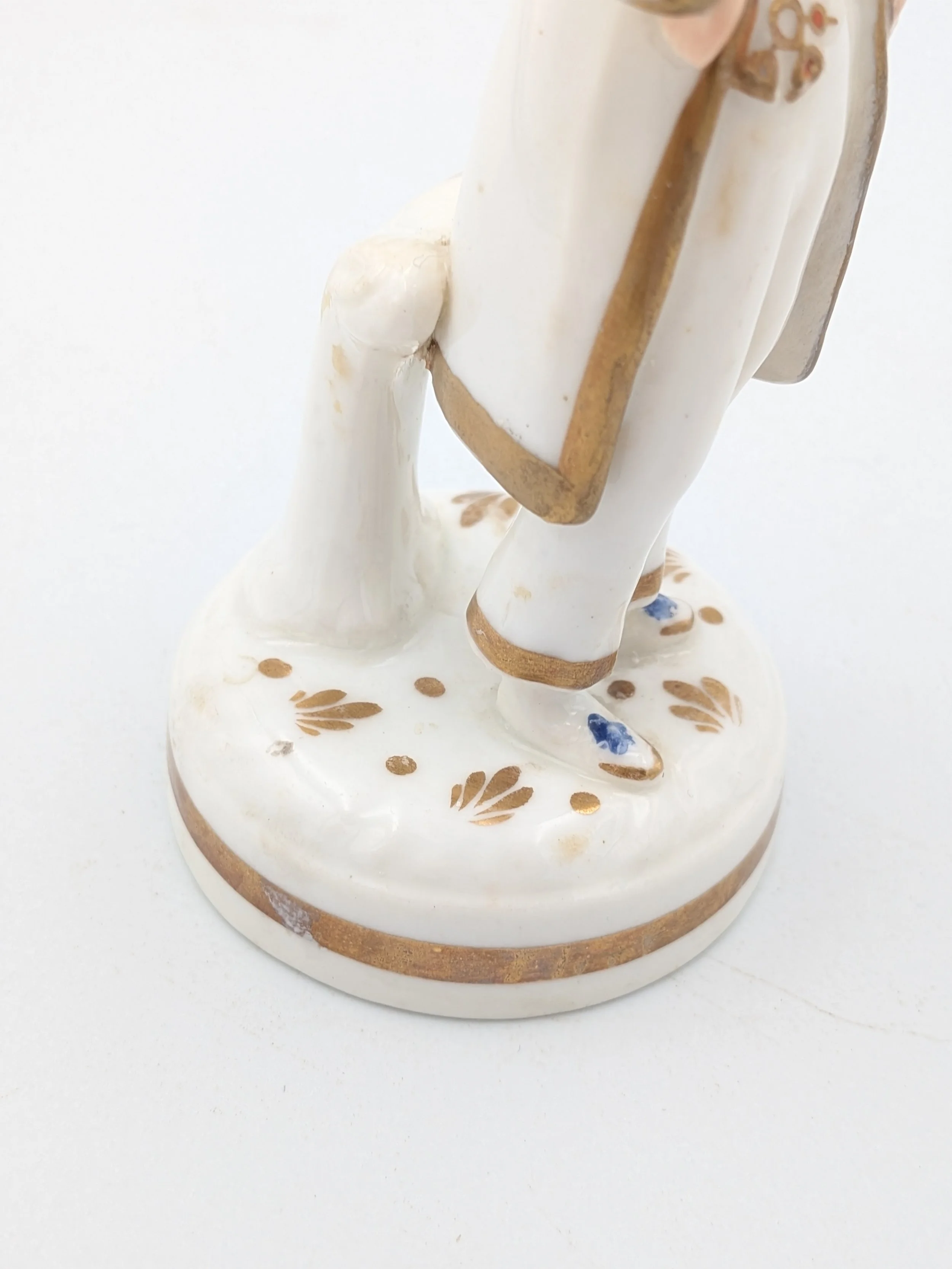 Image 11 of 27
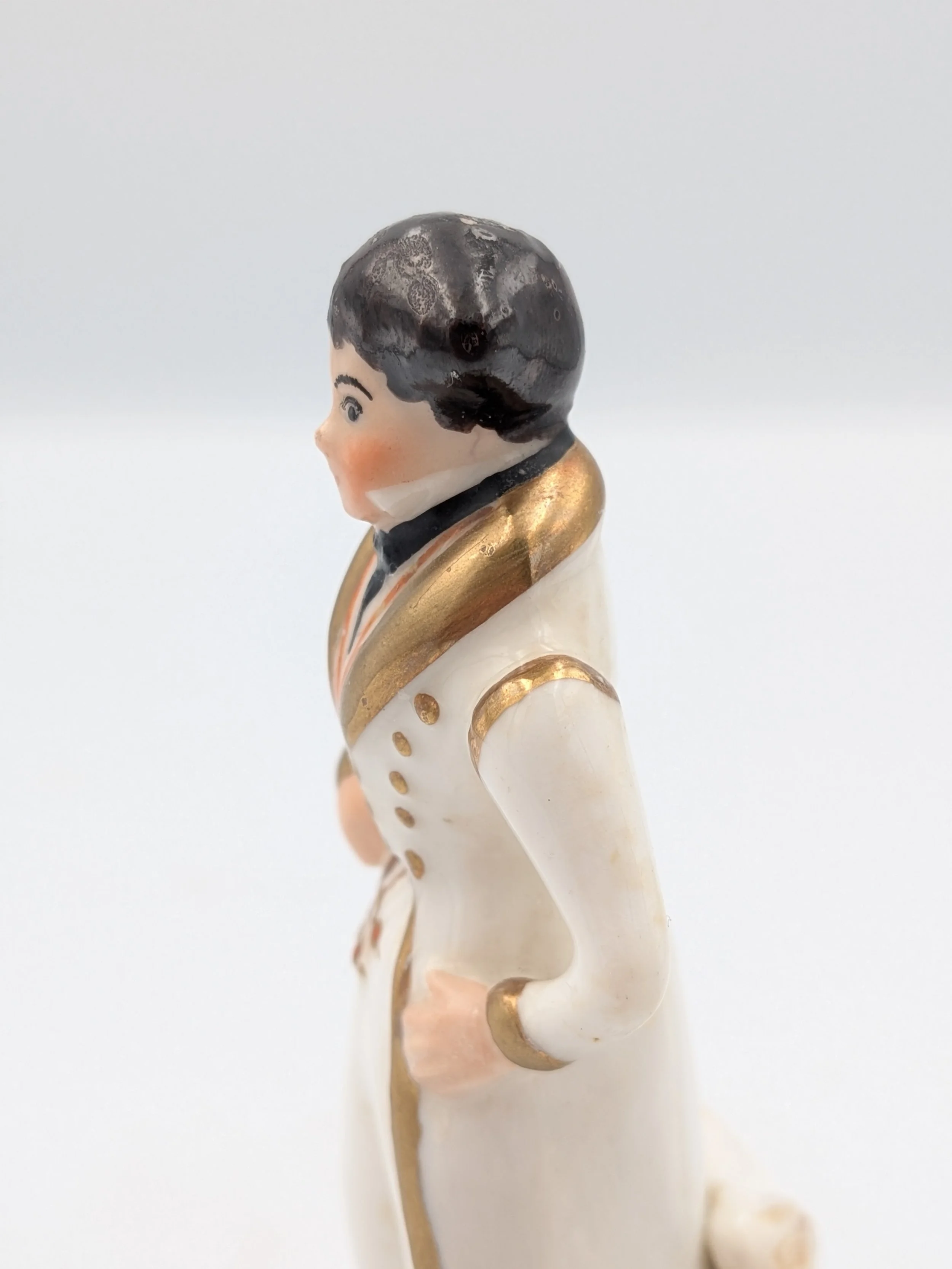 Image 12 of 27
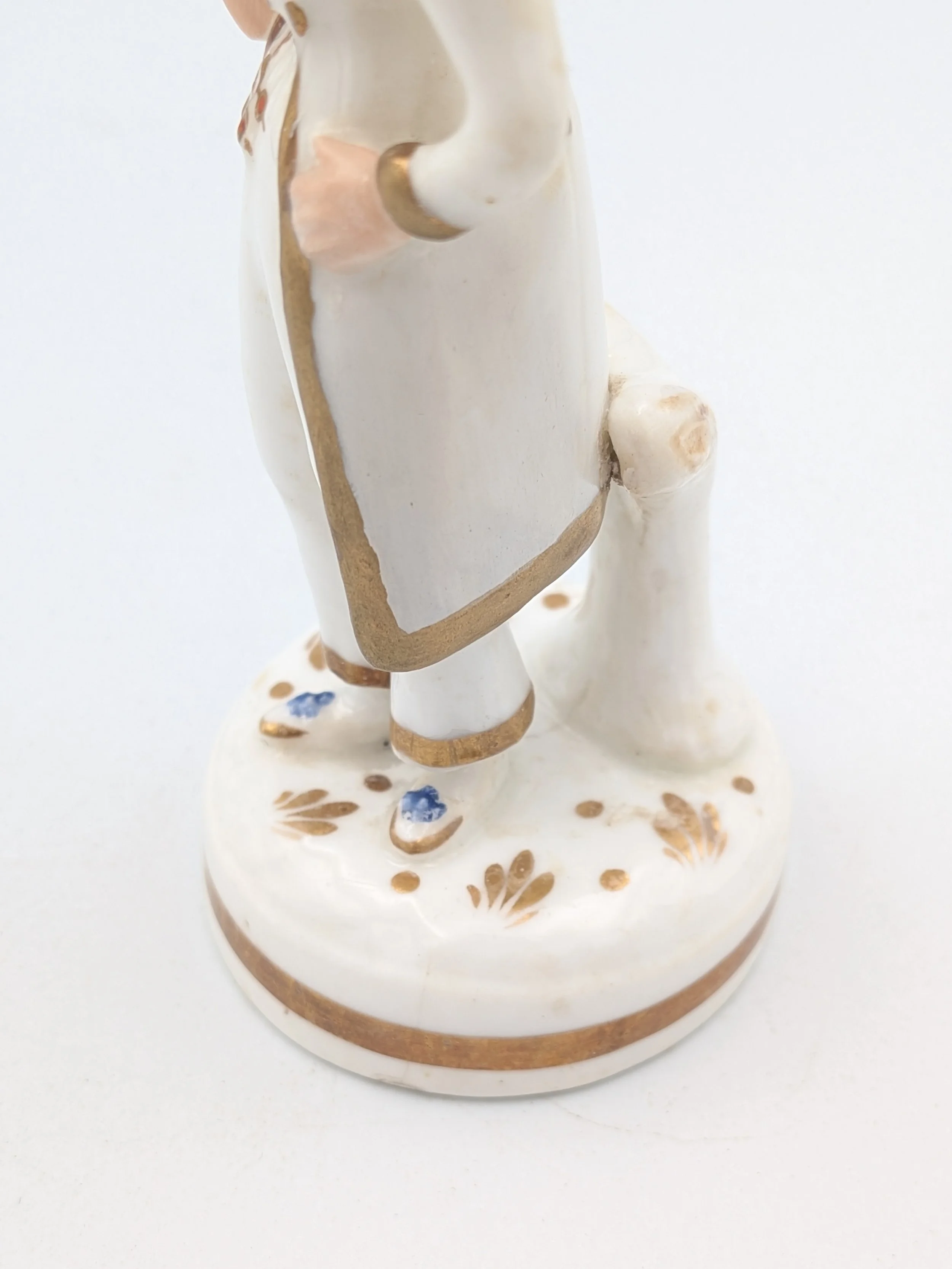 Image 13 of 27
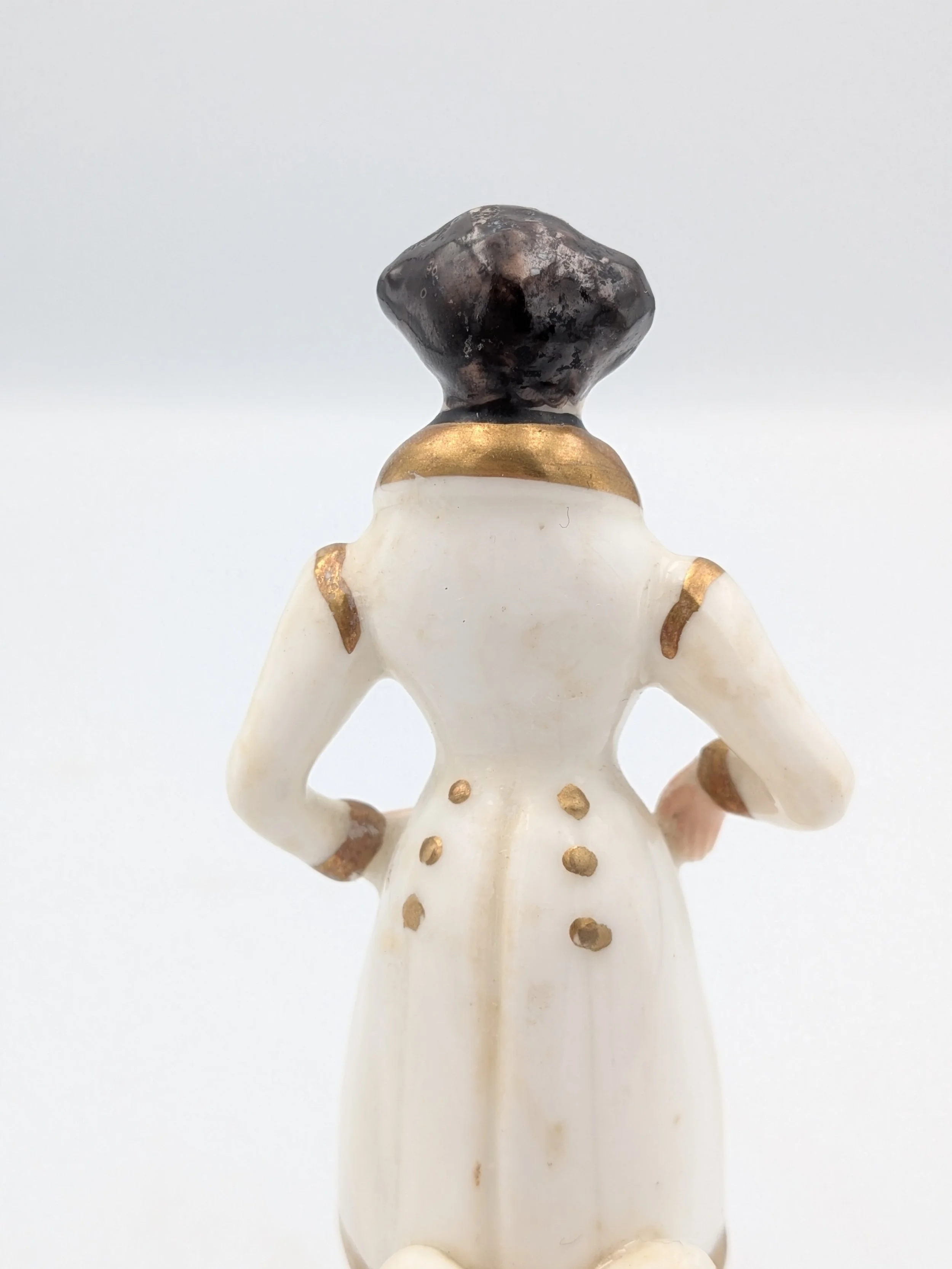 Image 14 of 27
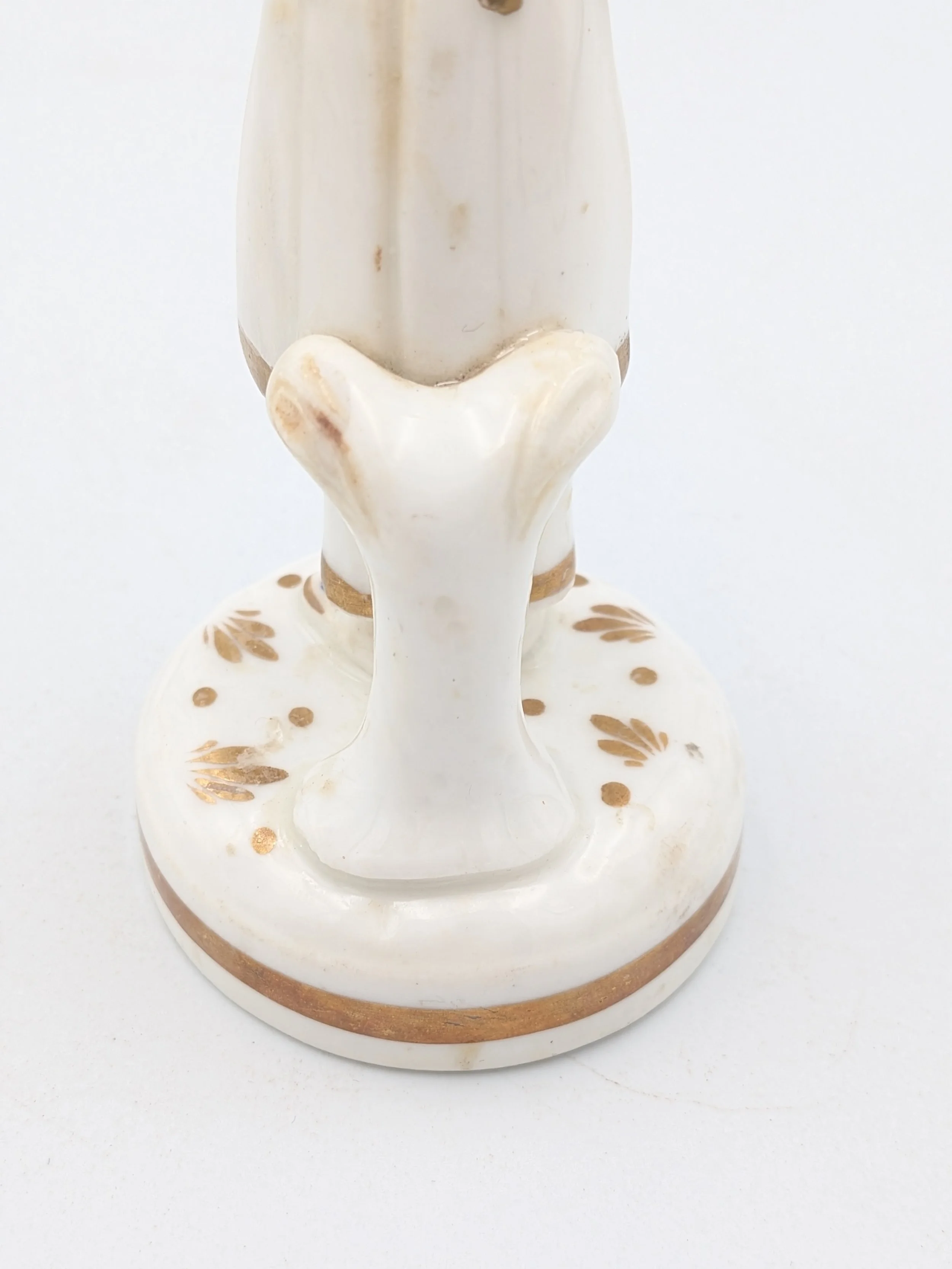 Image 15 of 27
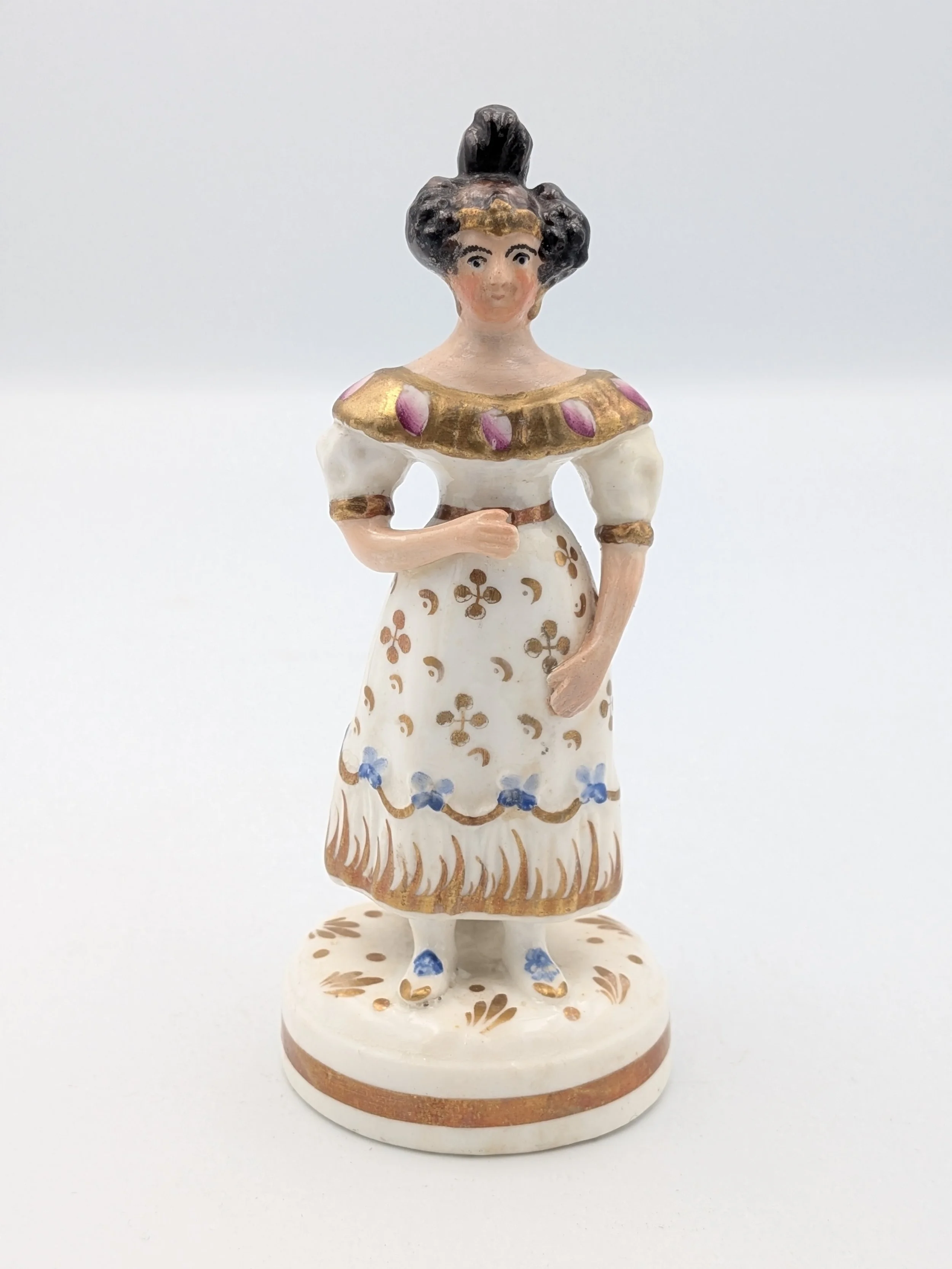 Image 16 of 27
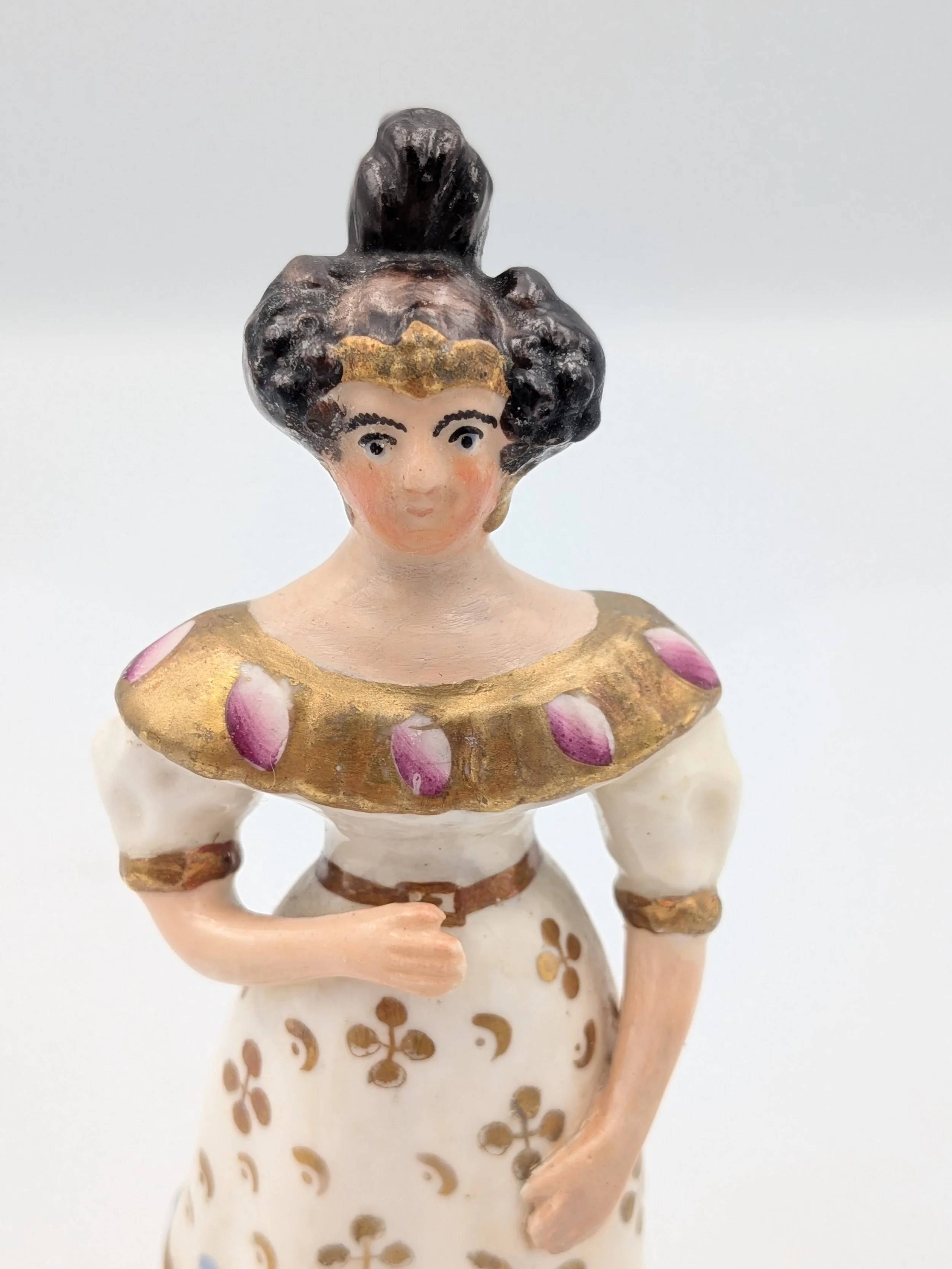 Image 17 of 27
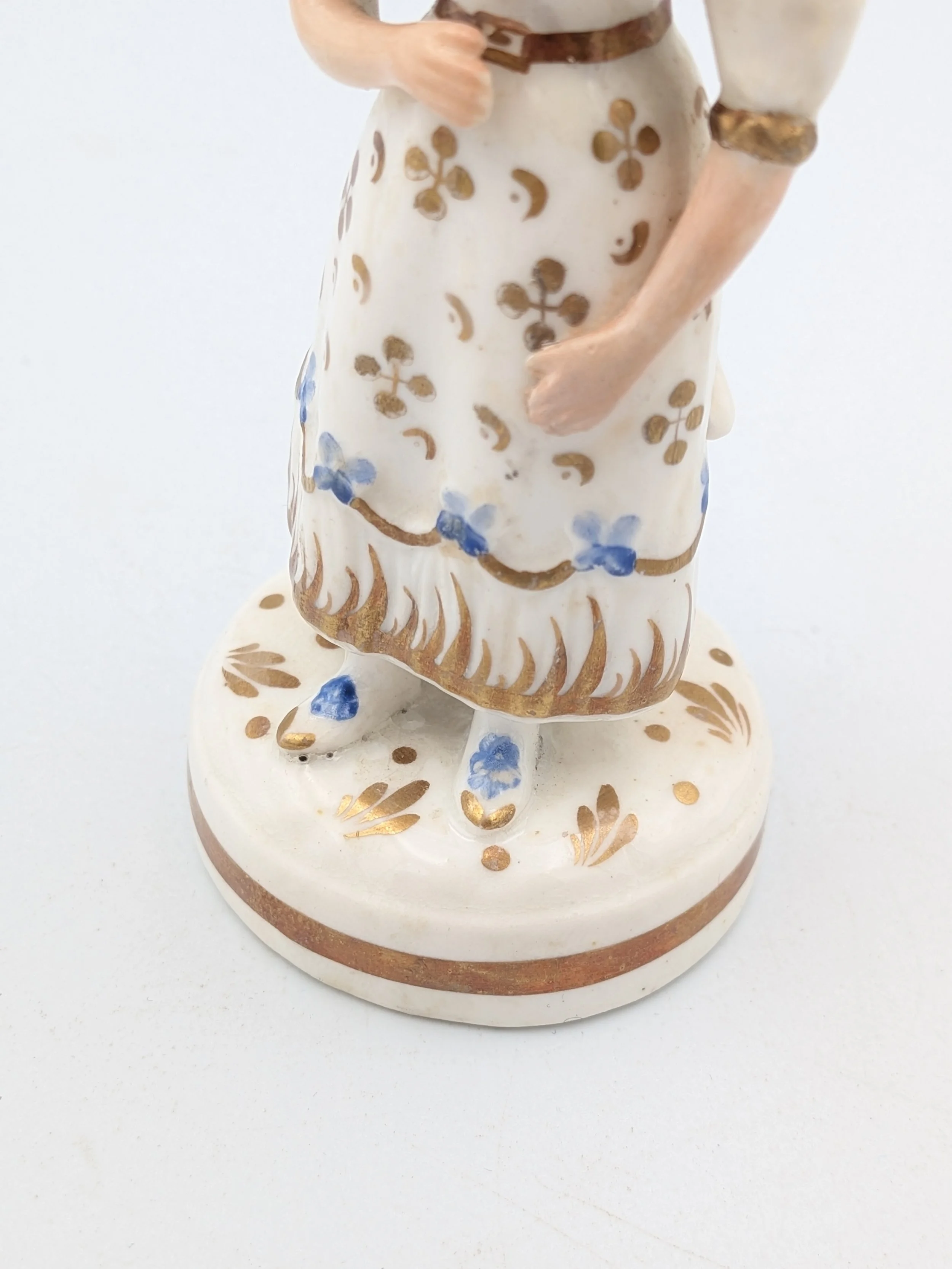 Image 18 of 27
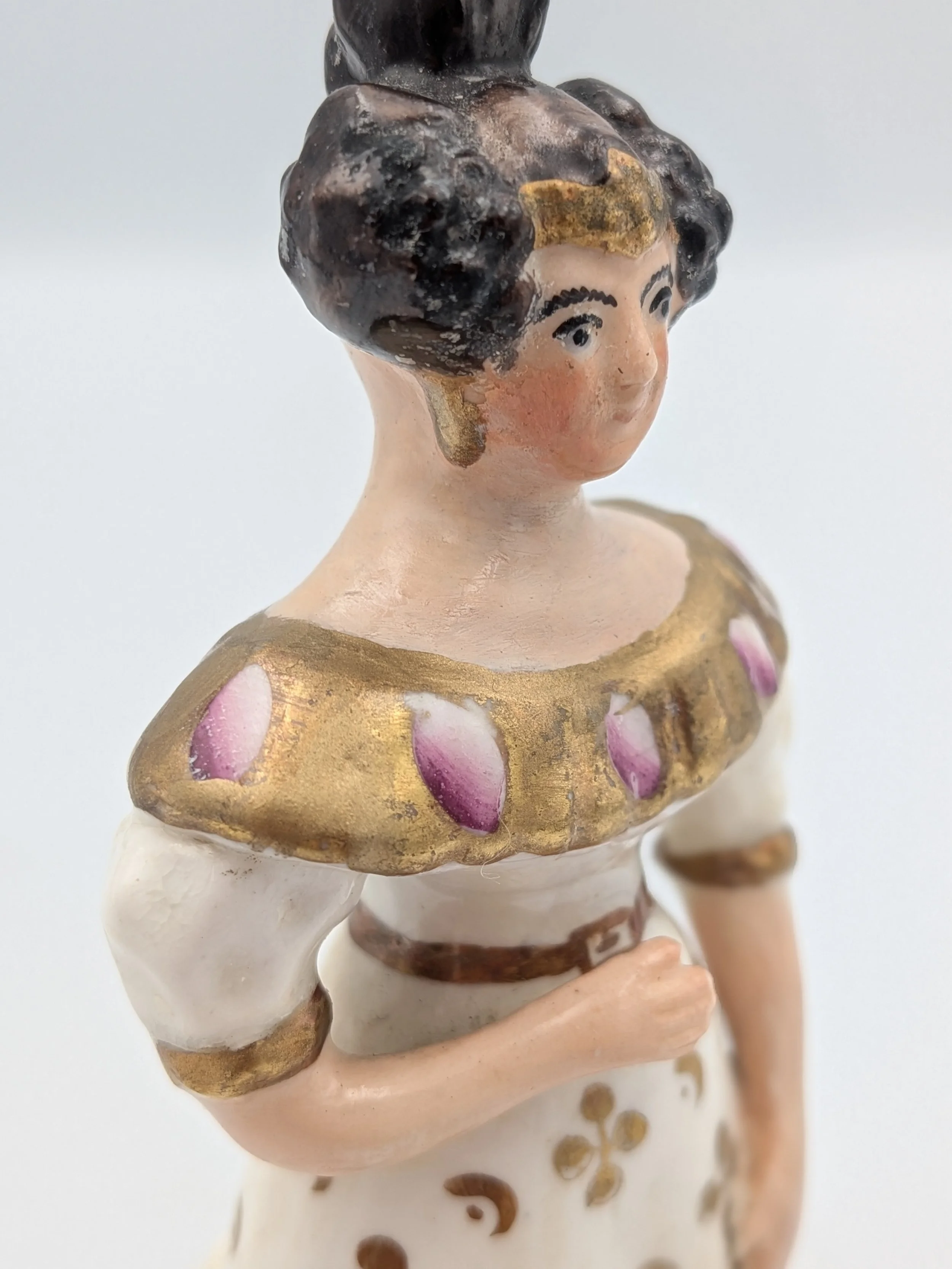 Image 19 of 27
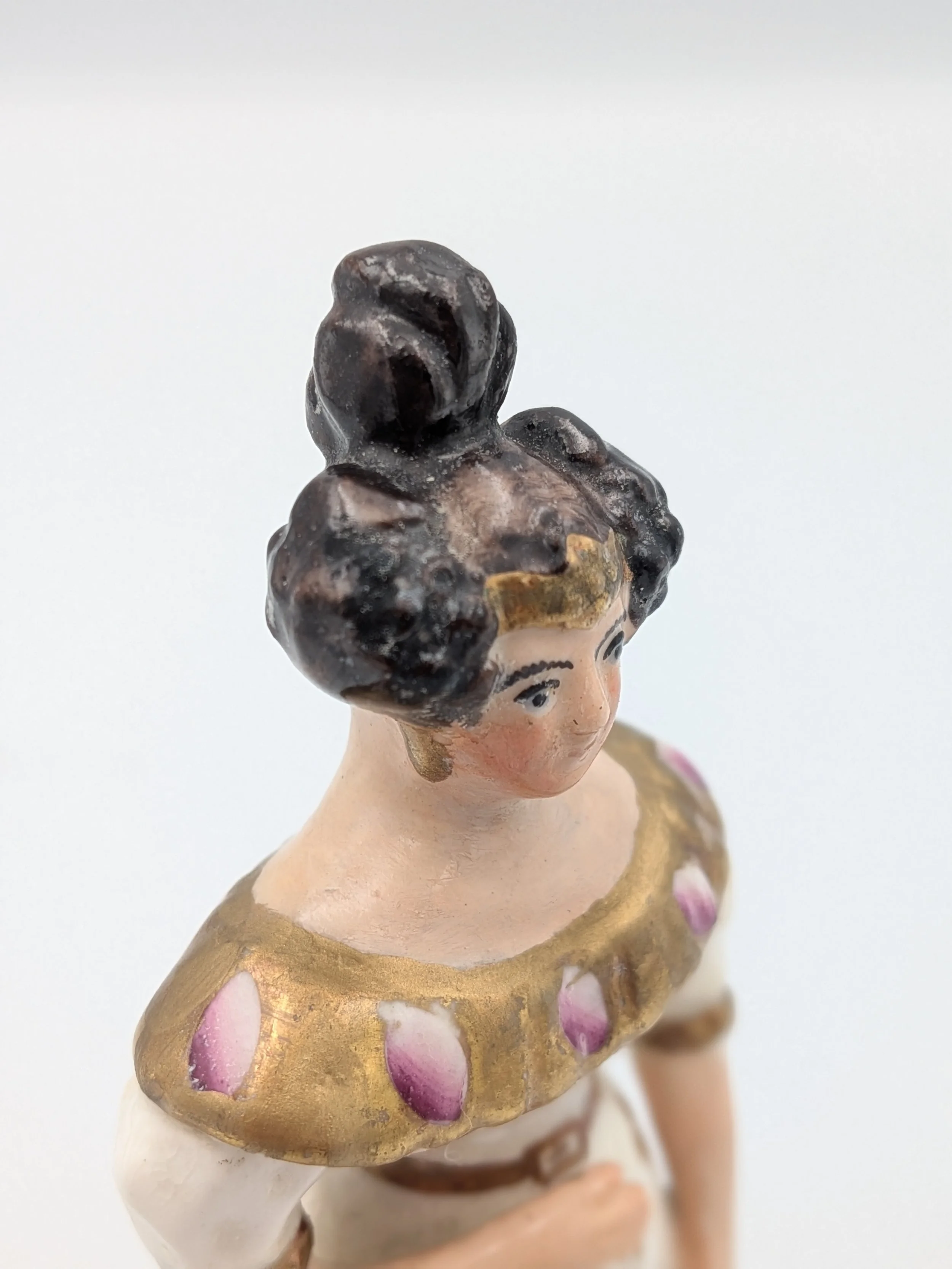 Image 20 of 27
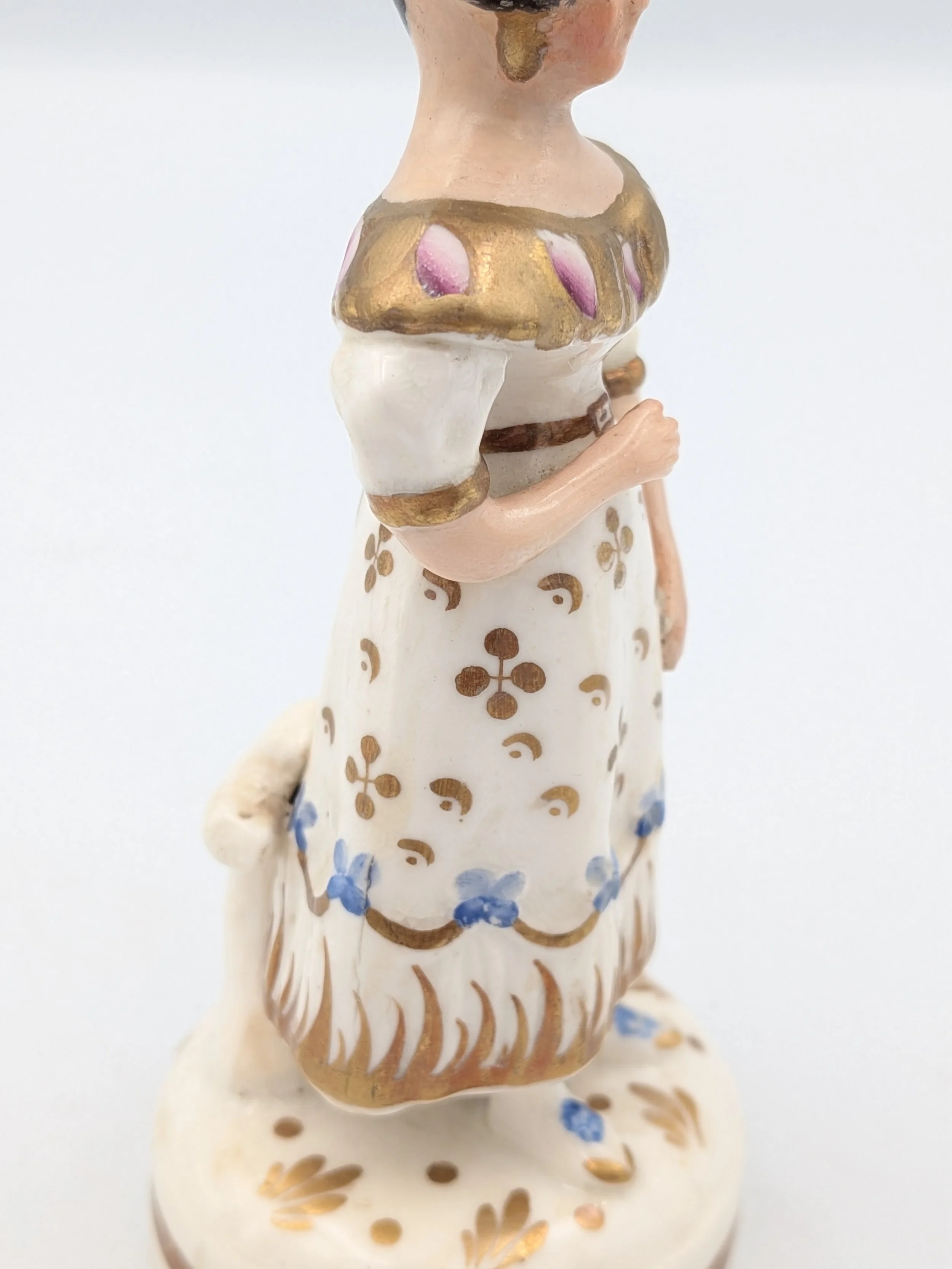 Image 21 of 27
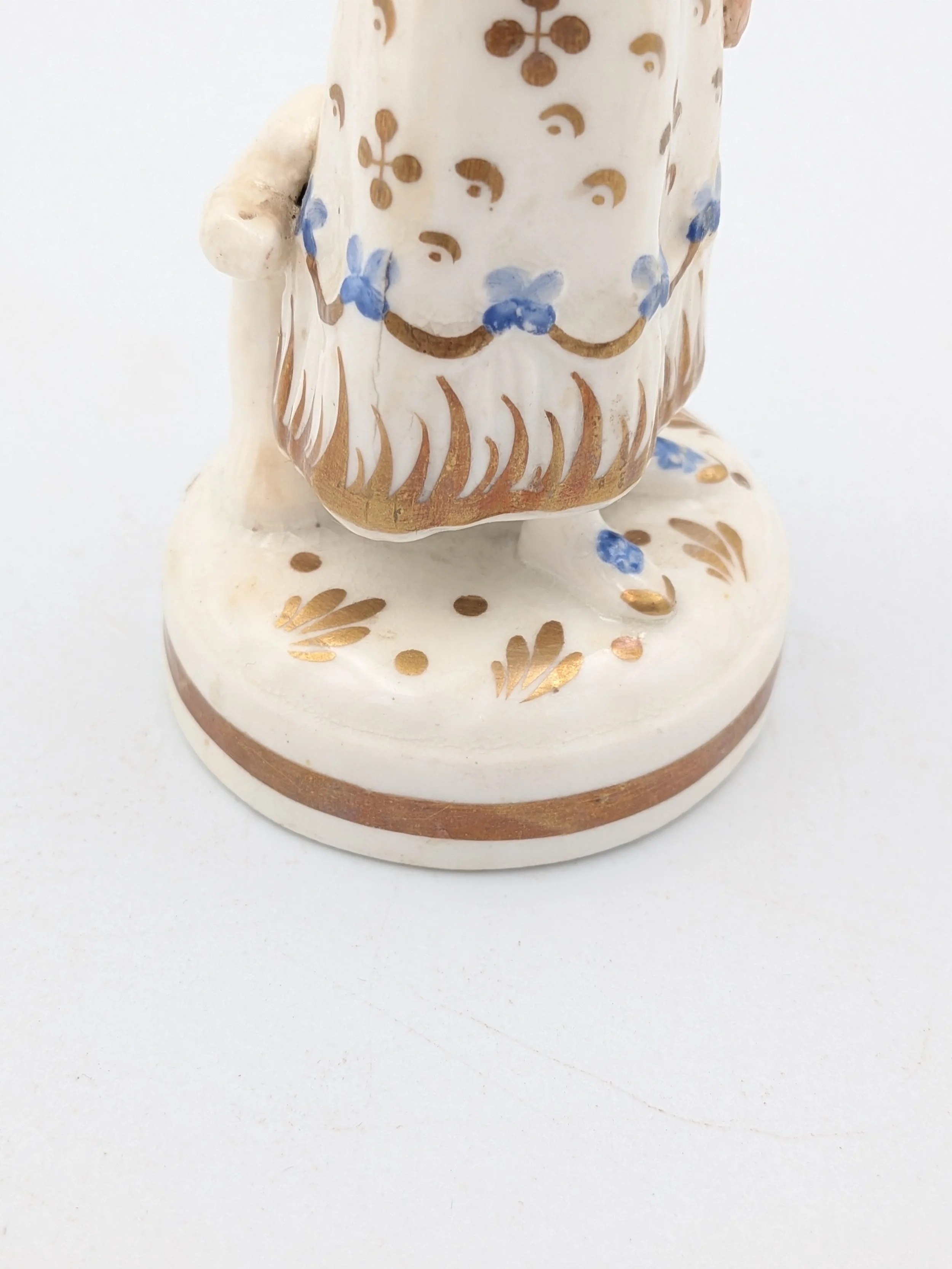 Image 22 of 27
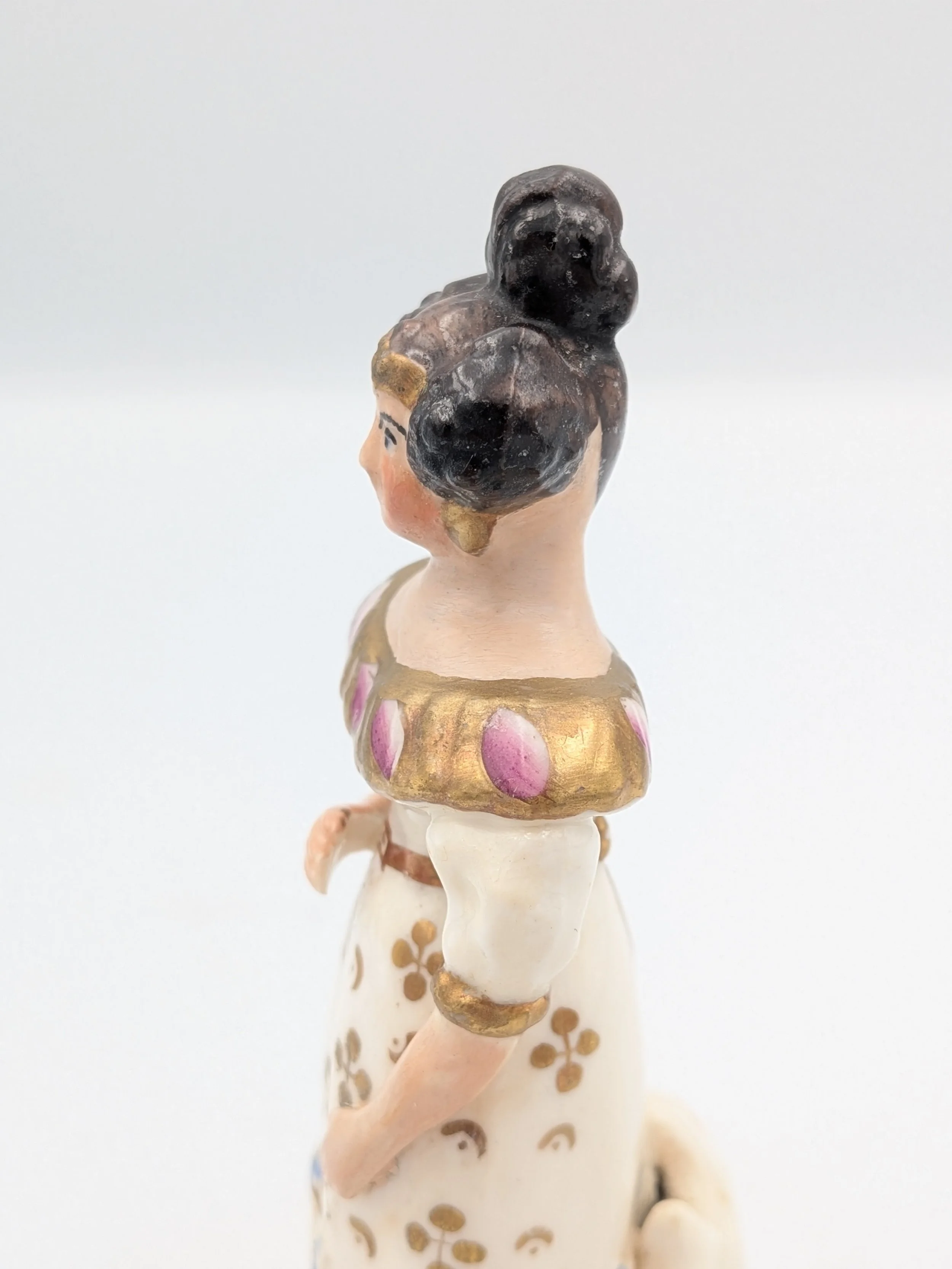 Image 23 of 27
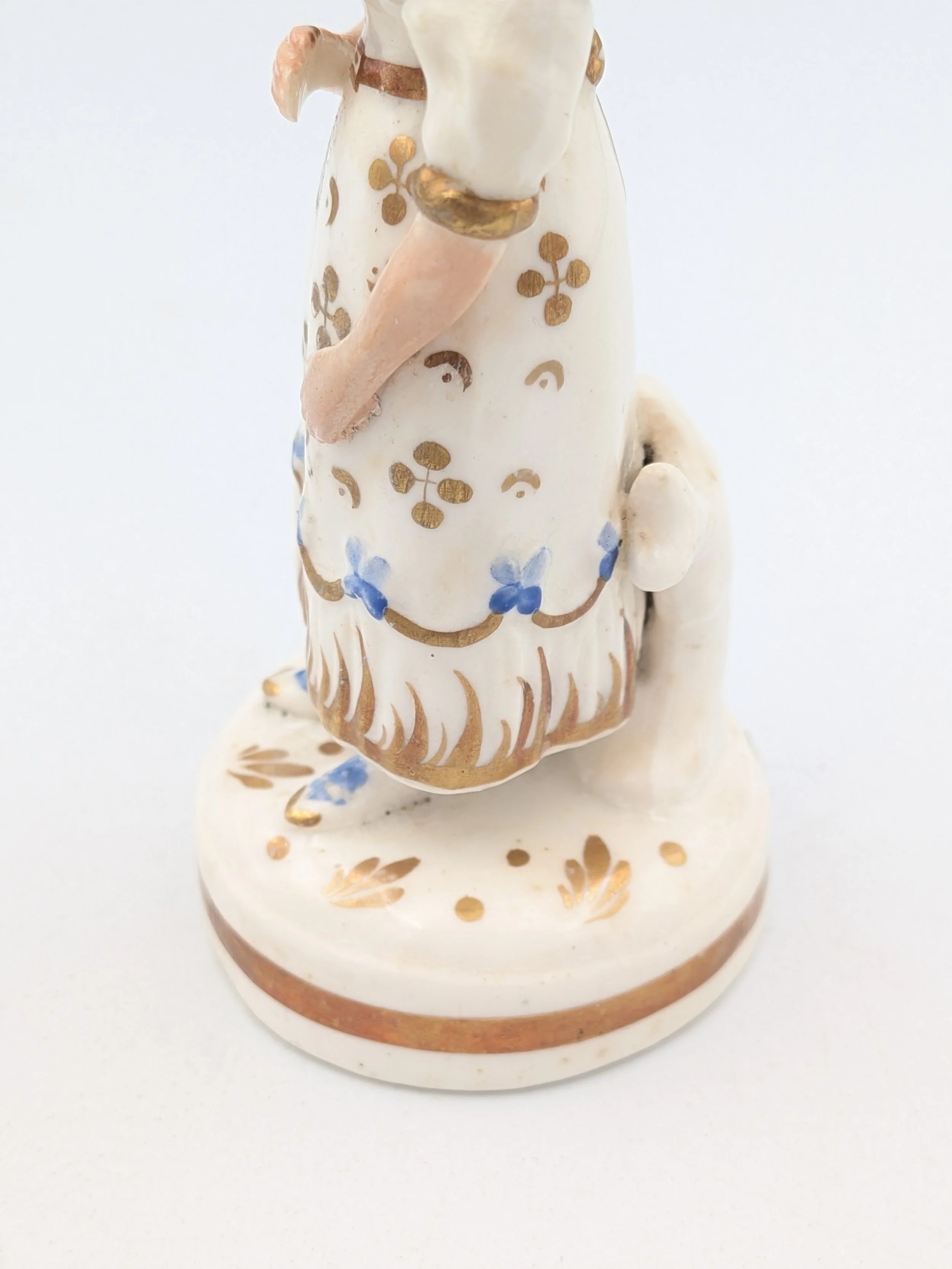 Image 24 of 27
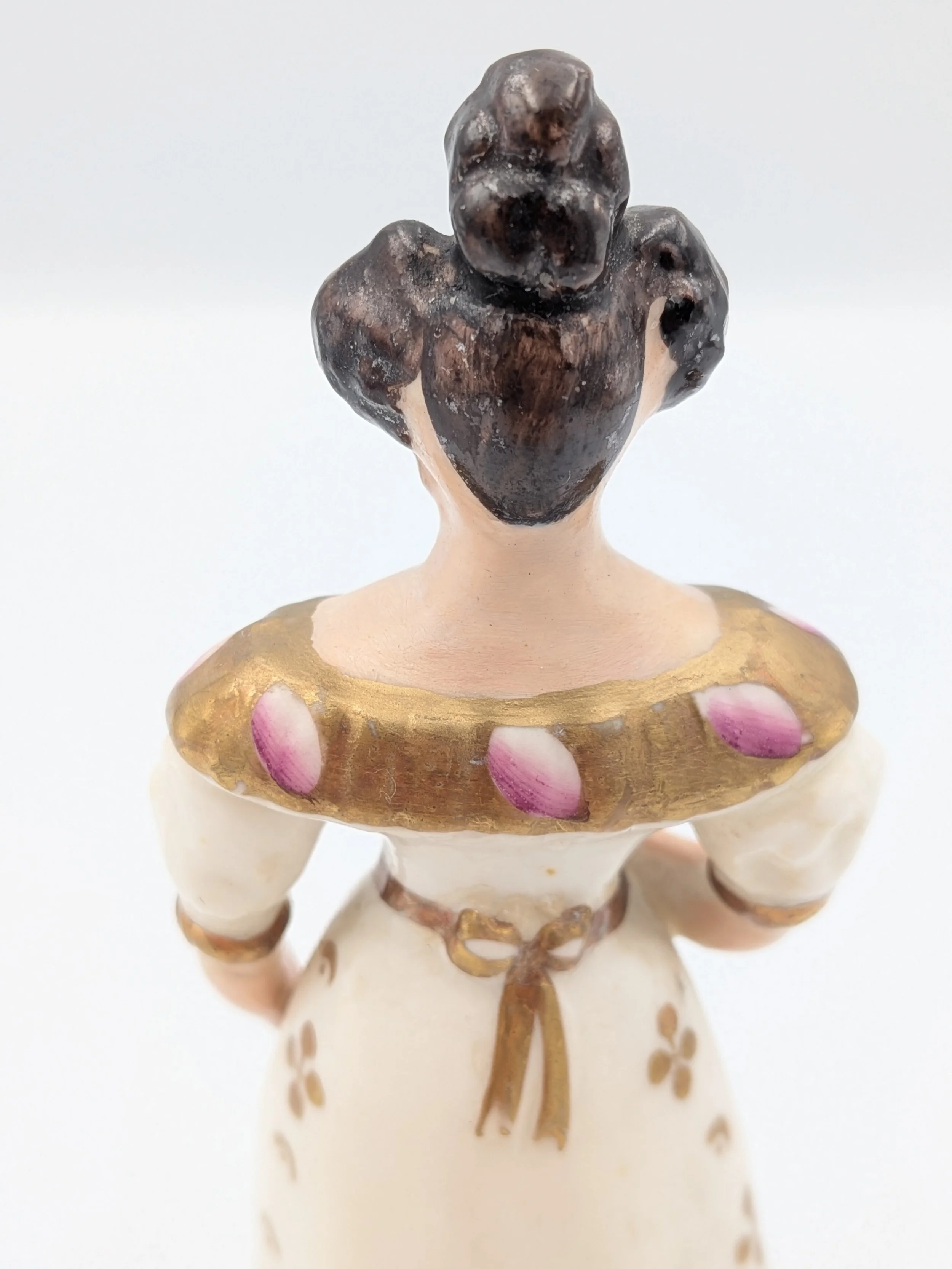 Image 25 of 27
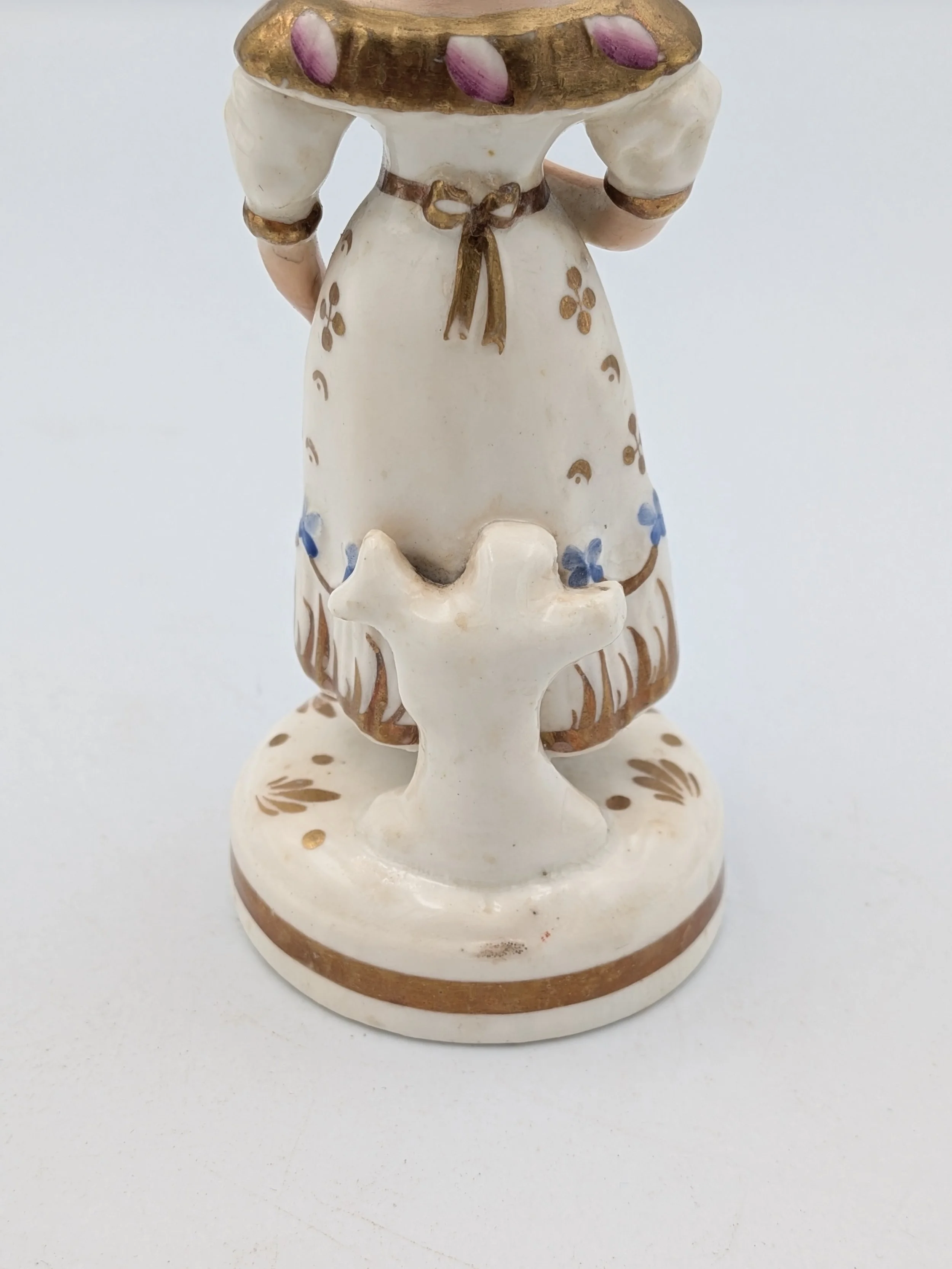 Image 26 of 27
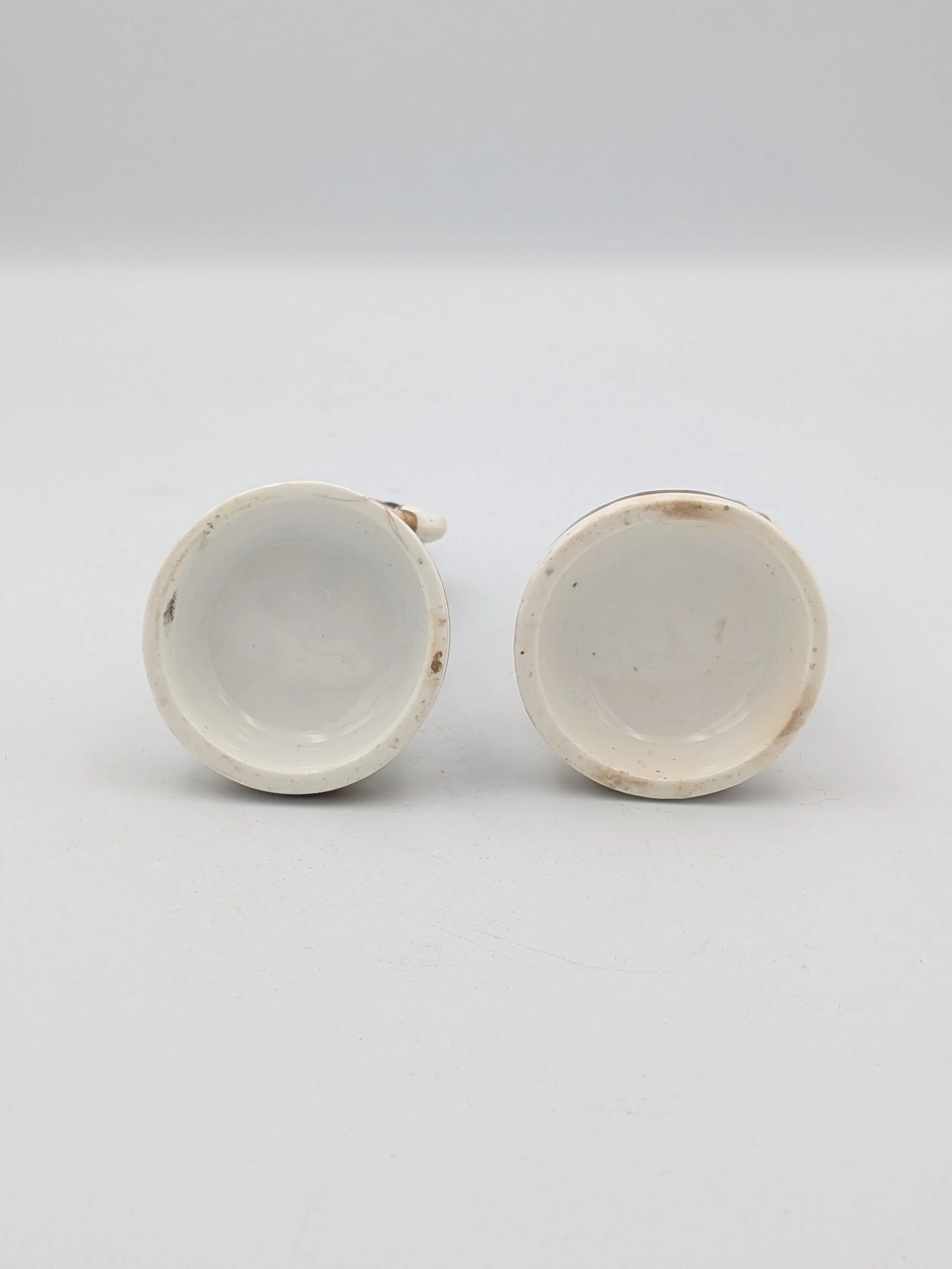 Image 27 of 27