An impressive and monumental pair of figures of Crimean War interest depicting Sir Charles Napier - Commander of the Baltic fleet - and Sir J. W. Deans Dundas - Vice-Admiral and commander in the Mediterranean - standing in military garb next to cannons and piles of cannon balls.
These figures were made in three or four different sizes of which these are the largest. They are well-coloured and striking, with titles in raised flags on the bases.
Both figures display very well though some condition issues must be noted. Dundas has a crack, filled and stabilised, down the lines of the press-mould join. It culminates in a hairline crack on Dundas’ right epaulette. There is a small rub to Dundas’ nose. There is a hairline crack through Napier’s shins, all the way round the figure. This cracks has been filled and stabilised, and it is not clear if the figure has fully broken along the line. Both figures have fairly extensive crazing. These issues are clearly shown in the accompanying images.
Reference: A. & N. Harding, Victorian Staffordshire Figures 1835 - 1875: Book One, p. p. 90, fig. 211 P; and p. 57, fig. 127 P
Height: 16”
Date: c. 1854
An impressive and monumental pair of figures of Crimean War interest depicting Sir Charles Napier - Commander of the Baltic fleet - and Sir J. W. Deans Dundas - Vice-Admiral and commander in the Mediterranean - standing in military garb next to cannons and piles of cannon balls.
These figures were made in three or four different sizes of which these are the largest. They are well-coloured and striking, with titles in raised flags on the bases.
Both figures display very well though some condition issues must be noted. Dundas has a crack, filled and stabilised, down the lines of the press-mould join. It culminates in a hairline crack on Dundas’ right epaulette. There is a small rub to Dundas’ nose. There is a hairline crack through Napier’s shins, all the way round the figure. This cracks has been filled and stabilised, and it is not clear if the figure has fully broken along the line. Both figures have fairly extensive crazing. These issues are clearly shown in the accompanying images.
Reference: A. & N. Harding, Victorian Staffordshire Figures 1835 - 1875: Book One, p. p. 90, fig. 211 P; and p. 57, fig. 127 P
Height: 16”
Date: c. 1854
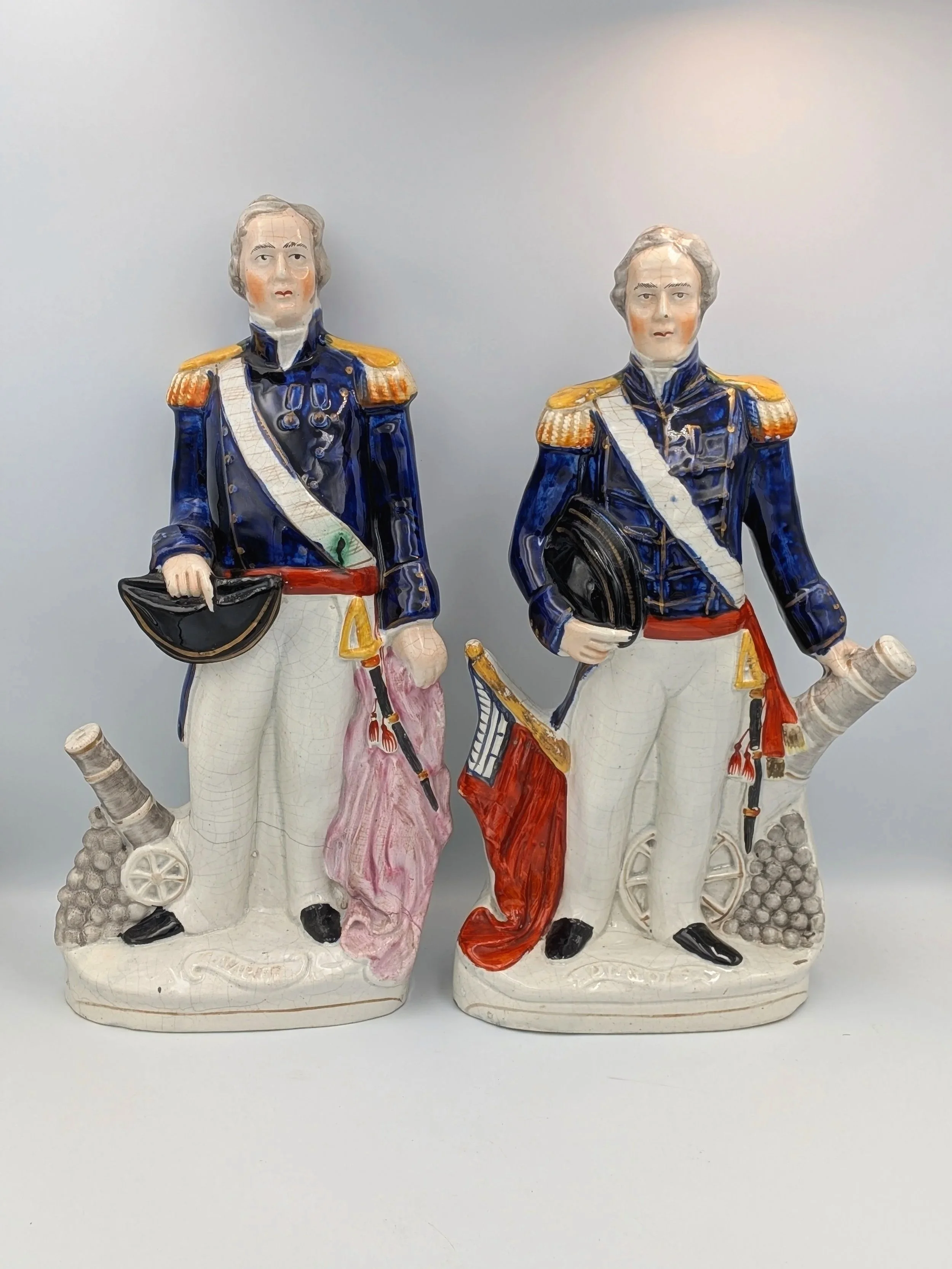 Image 1 of 34
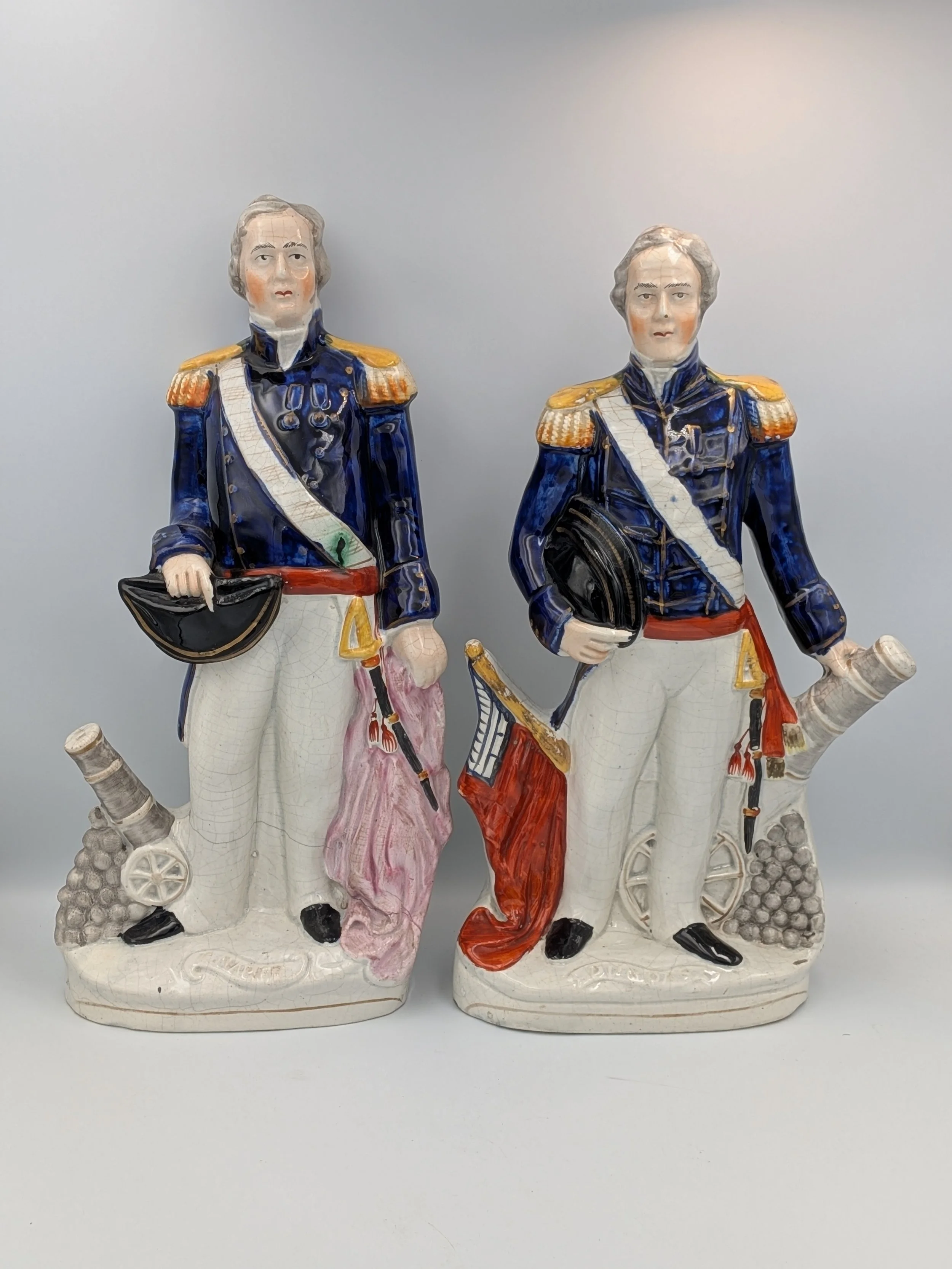 Image 2 of 34
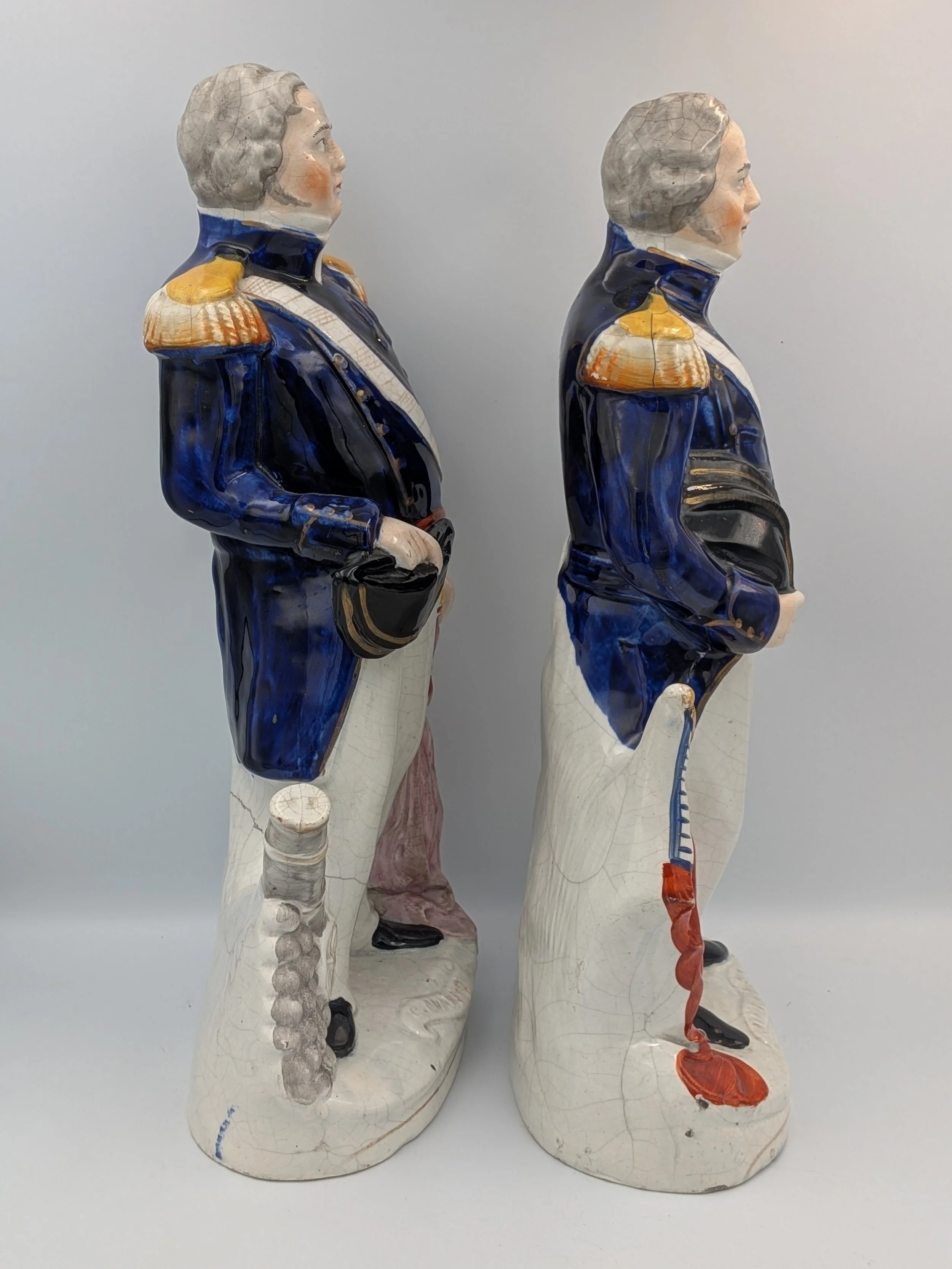 Image 3 of 34
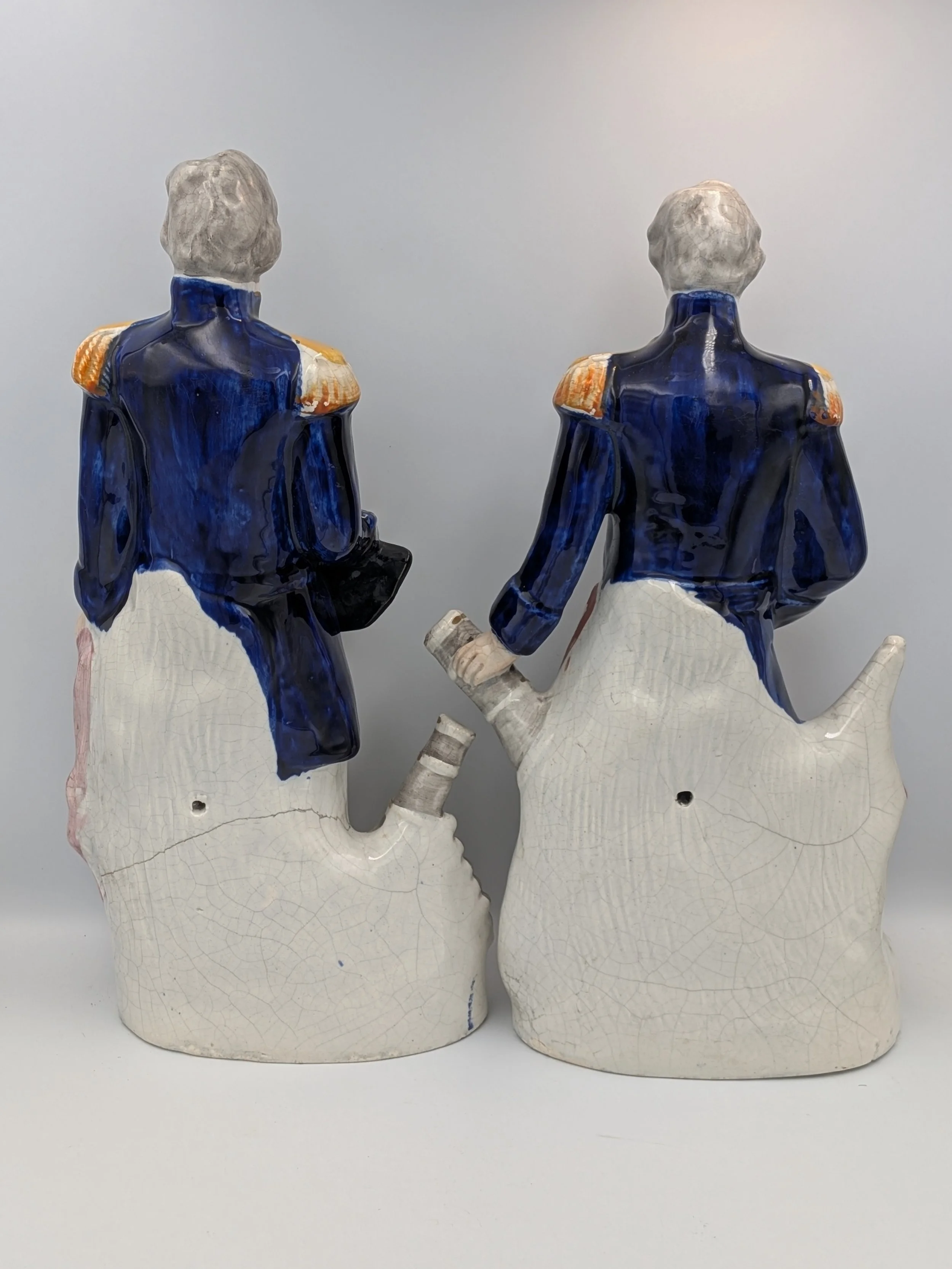 Image 4 of 34
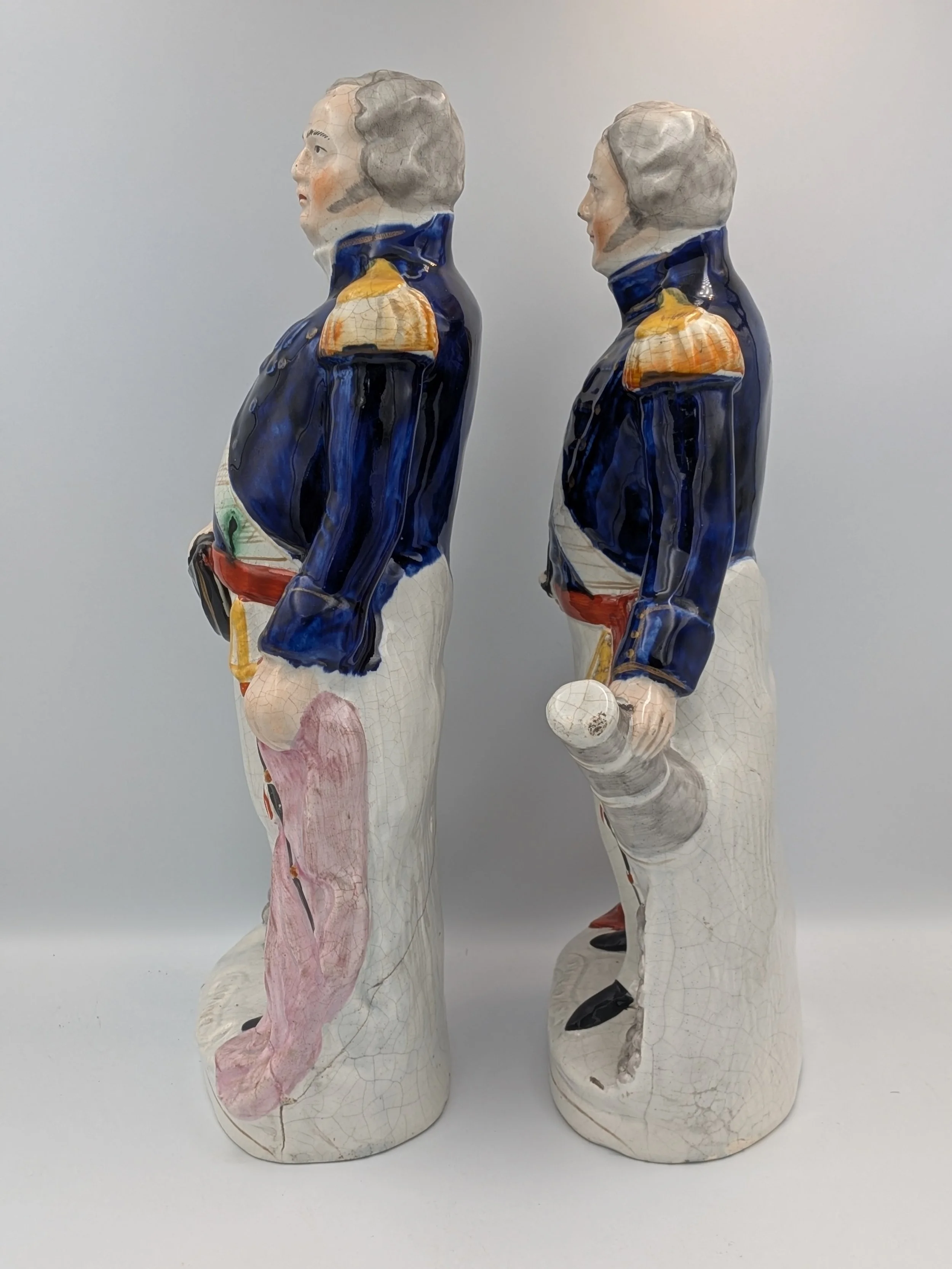 Image 5 of 34
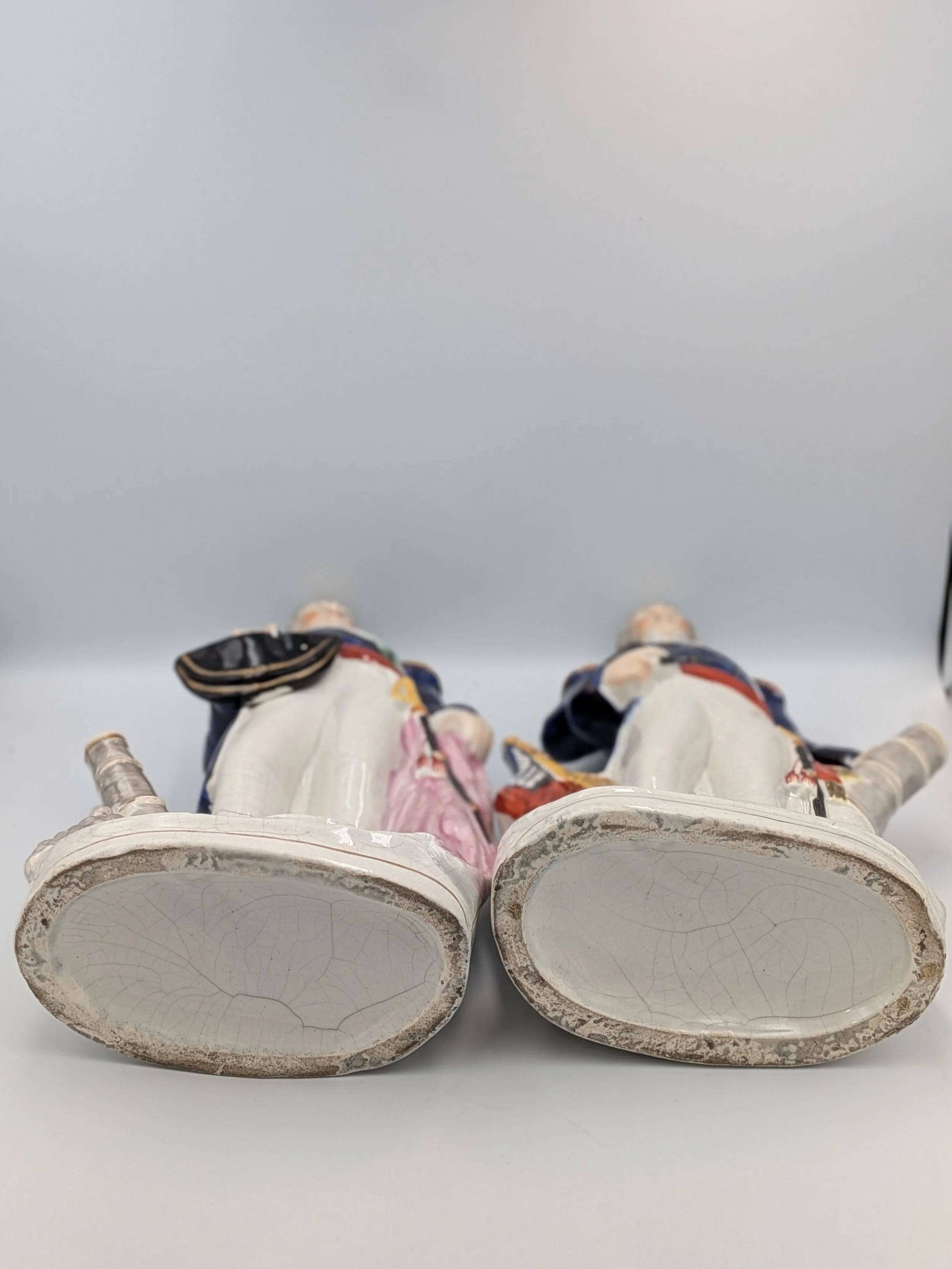 Image 6 of 34
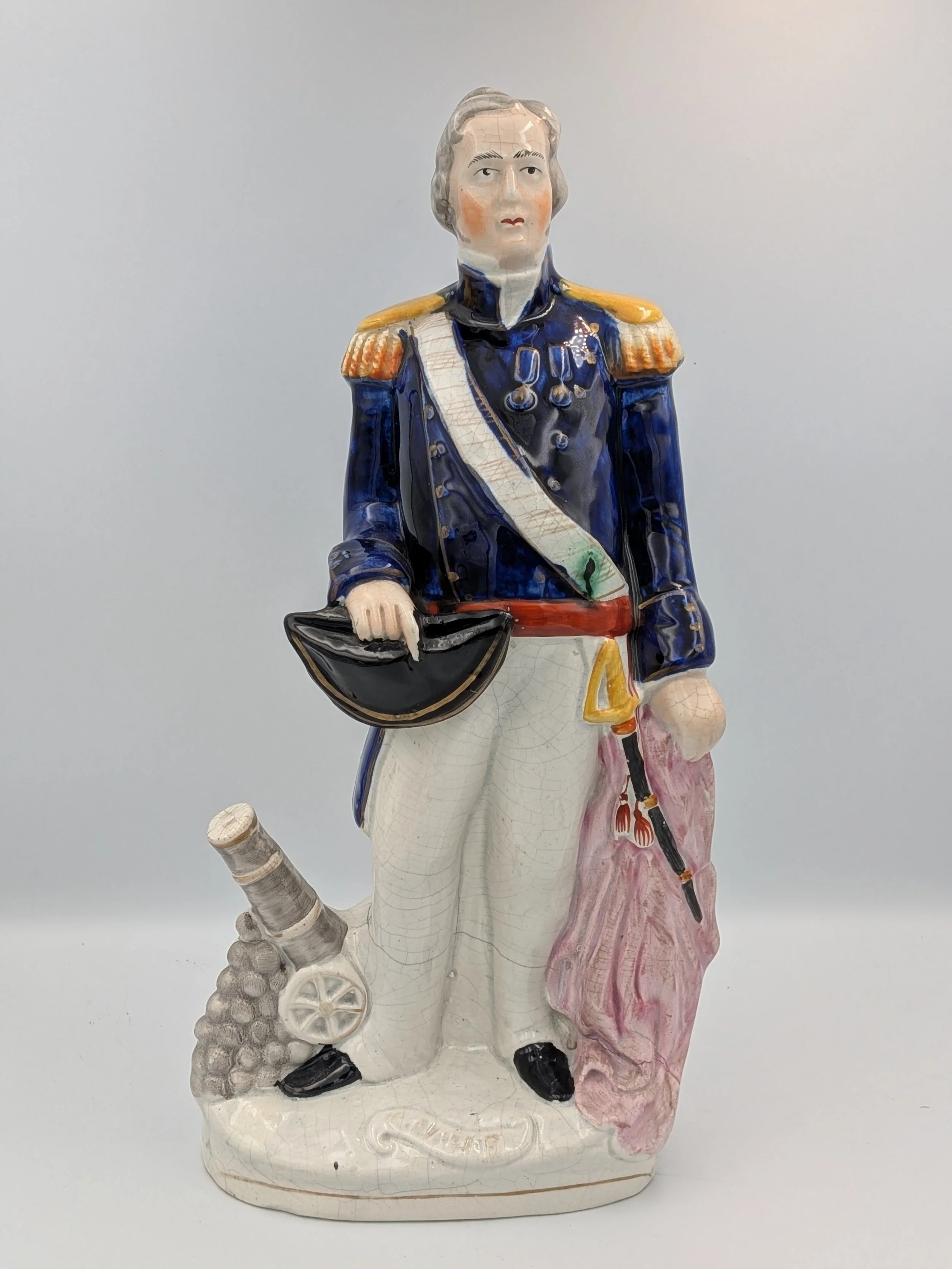 Image 7 of 34
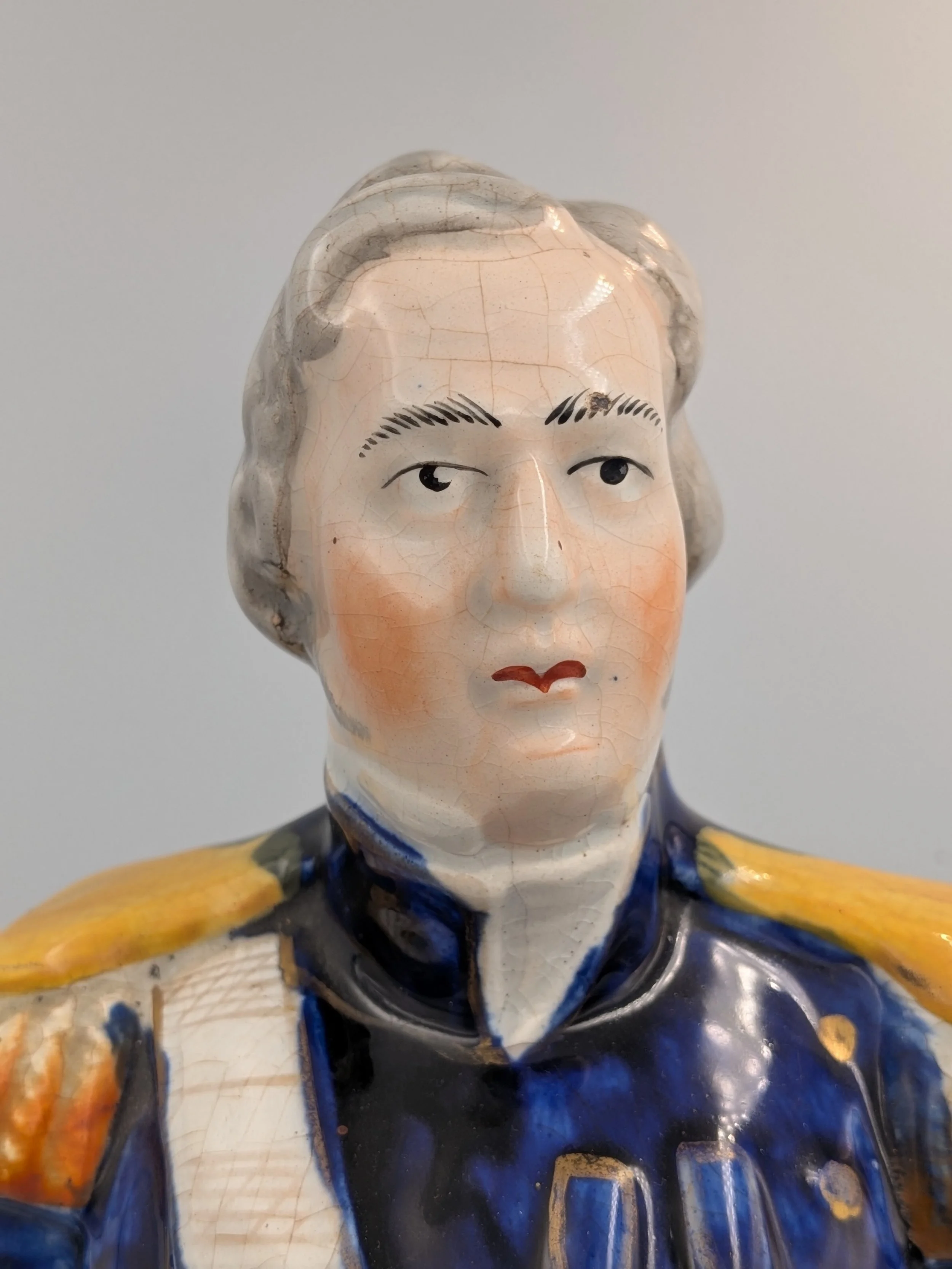 Image 8 of 34
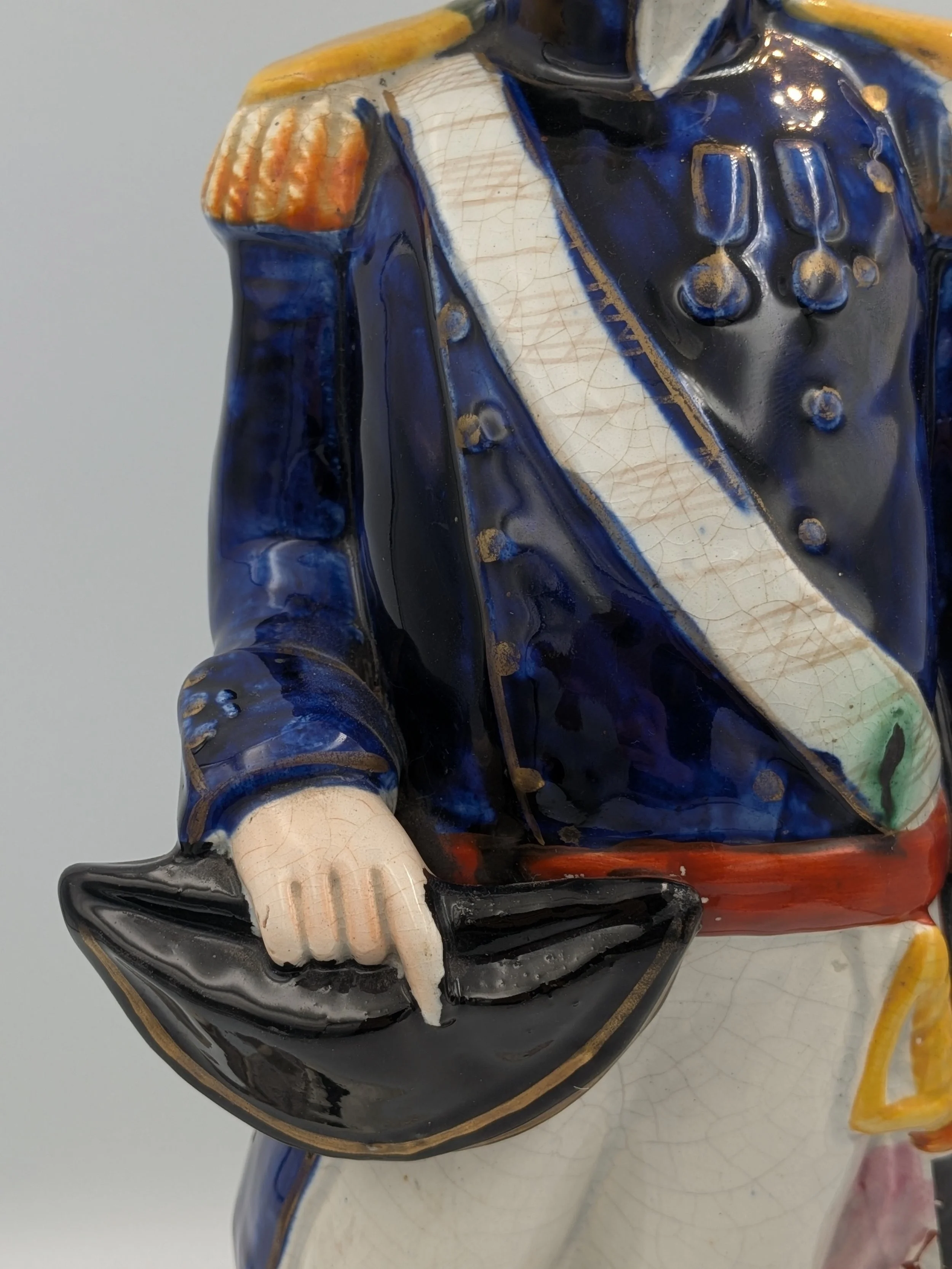 Image 9 of 34
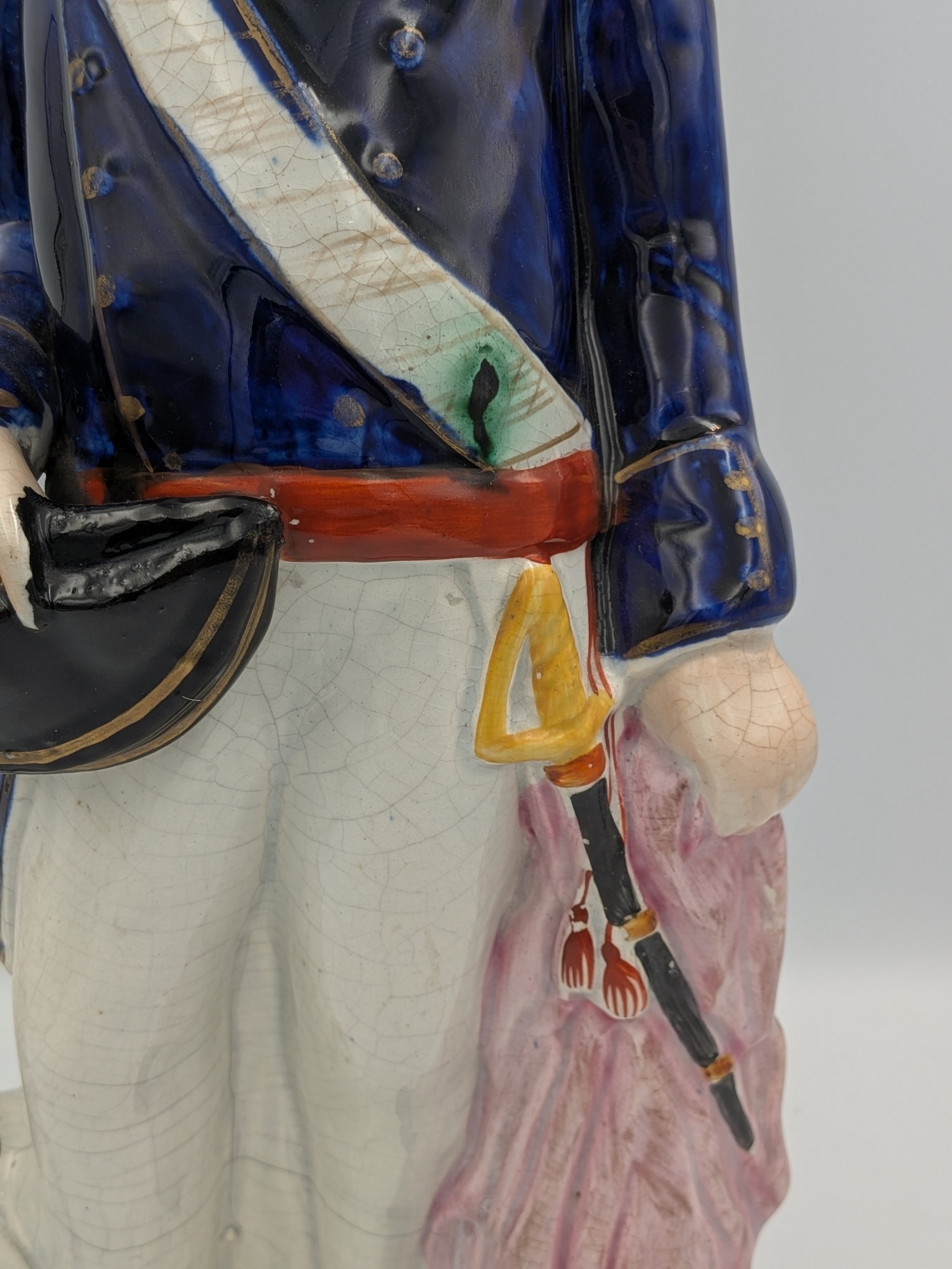 Image 10 of 34
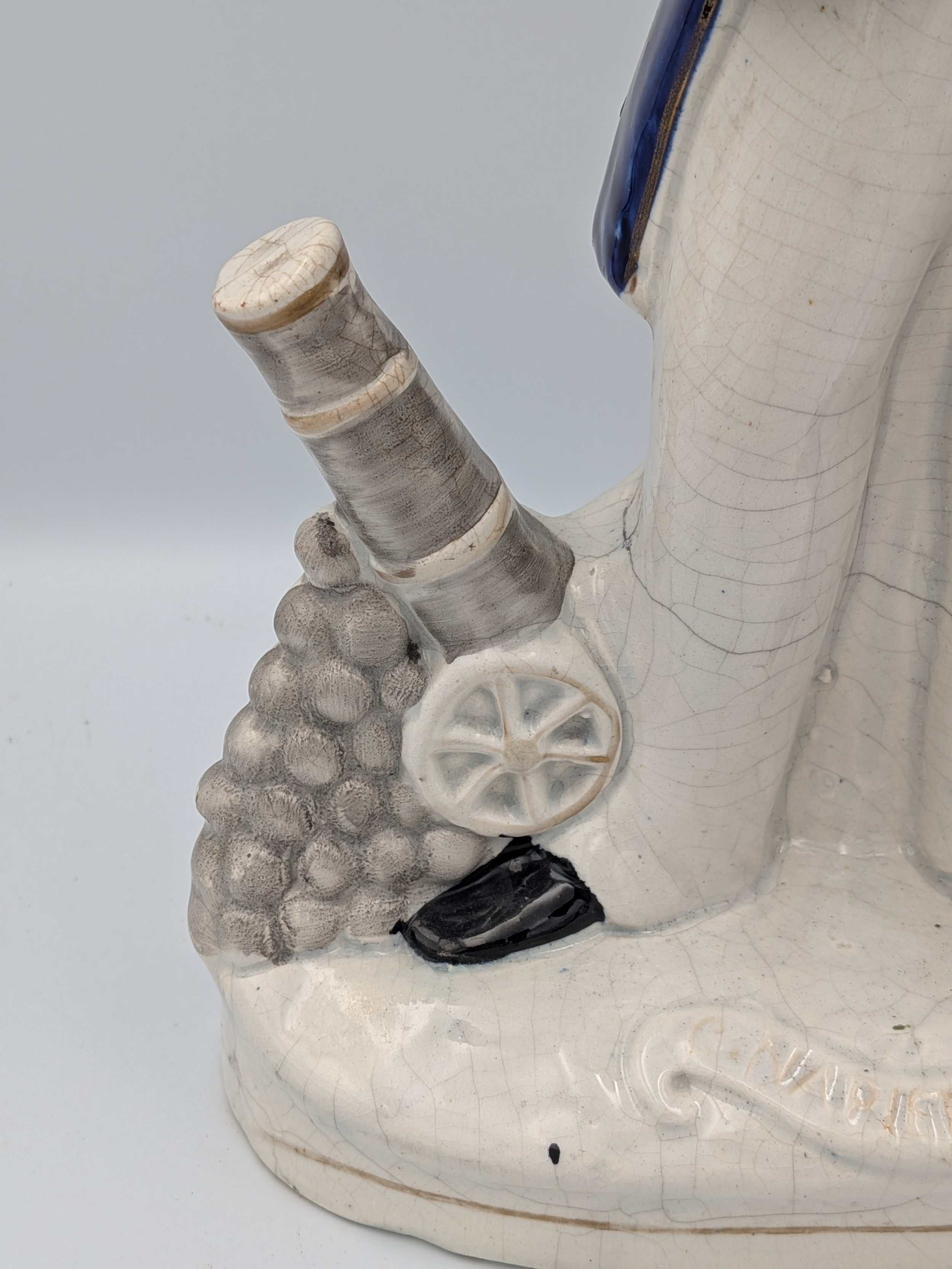 Image 11 of 34
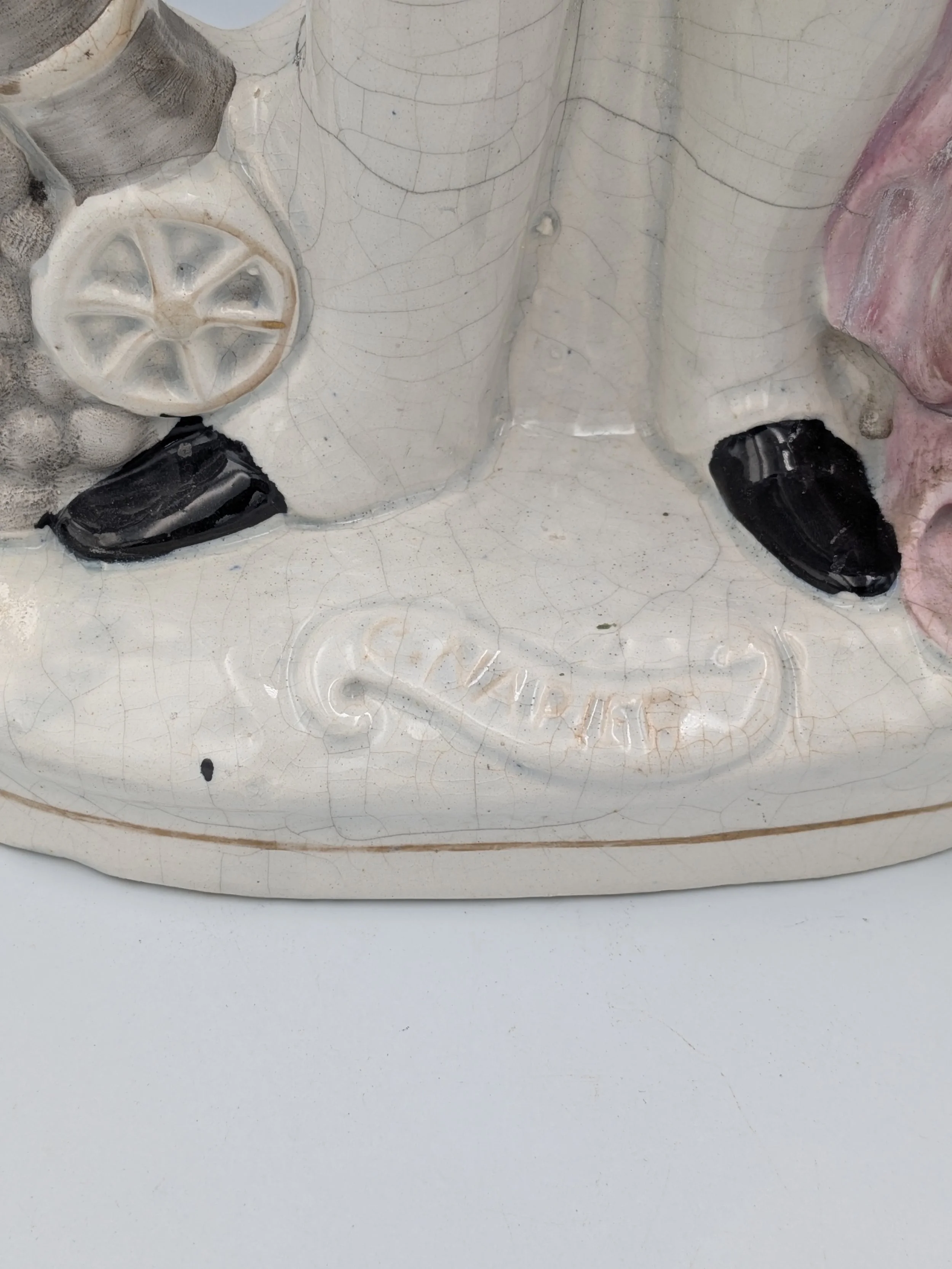 Image 12 of 34
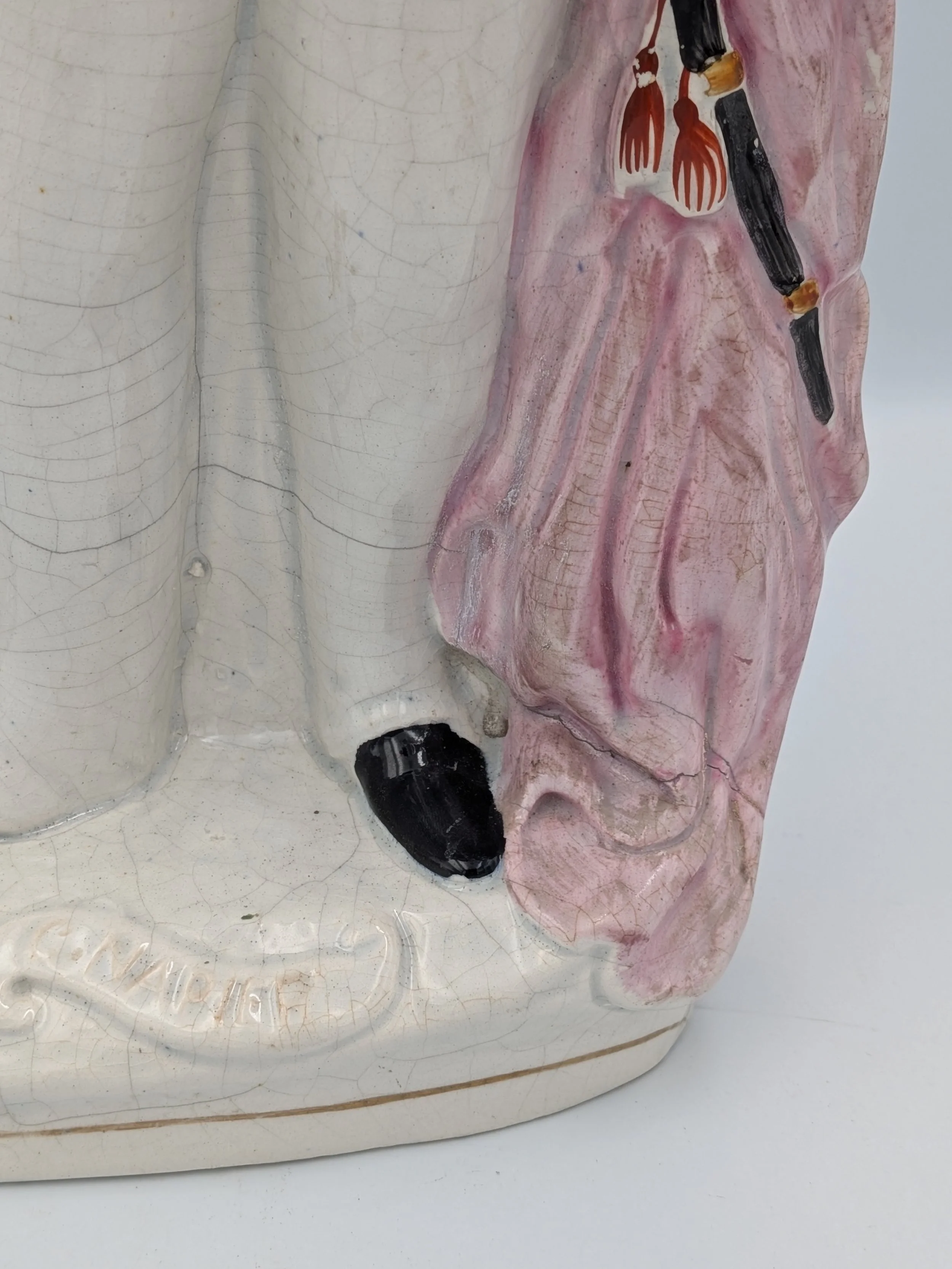 Image 13 of 34
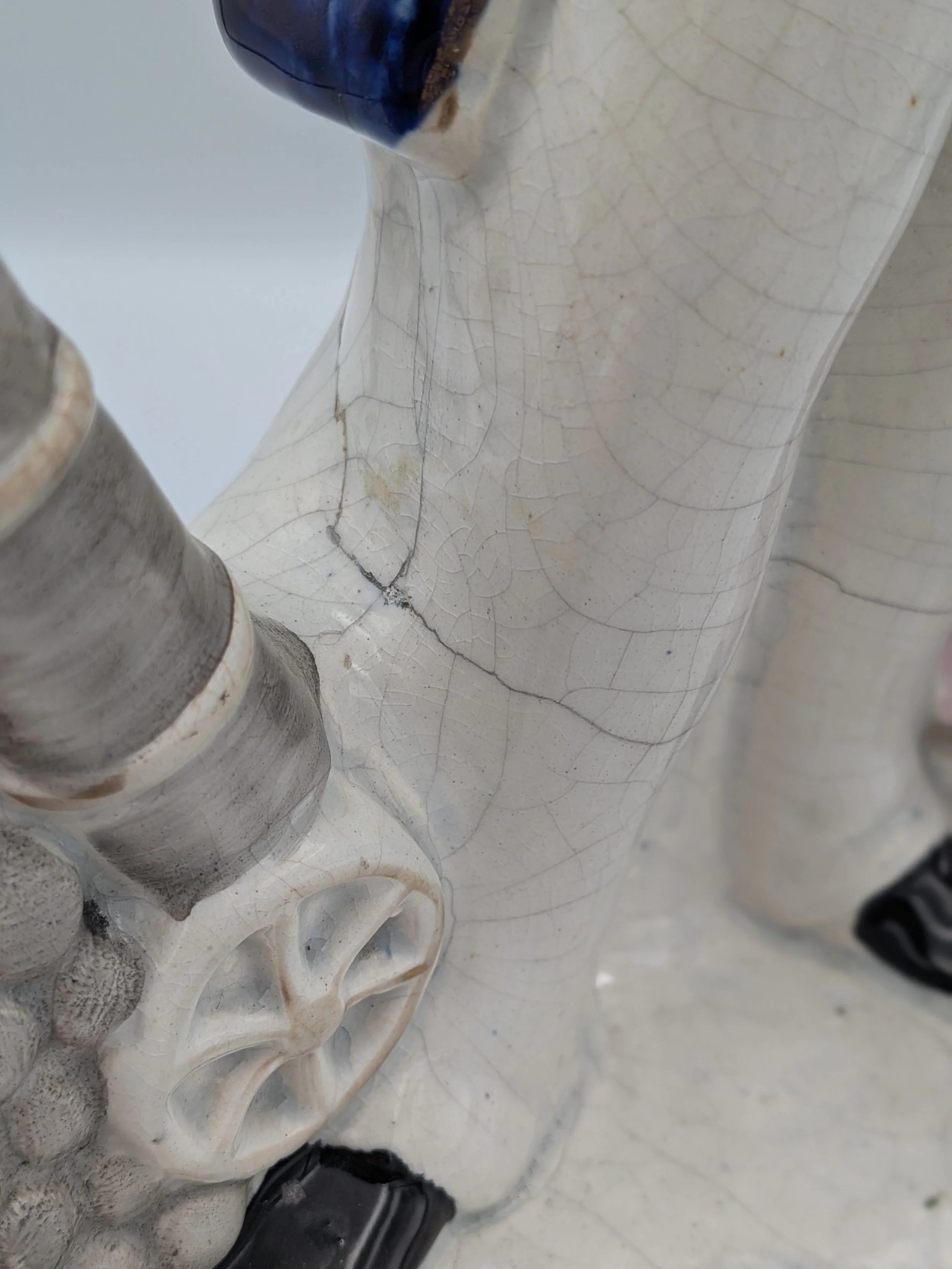 Image 14 of 34
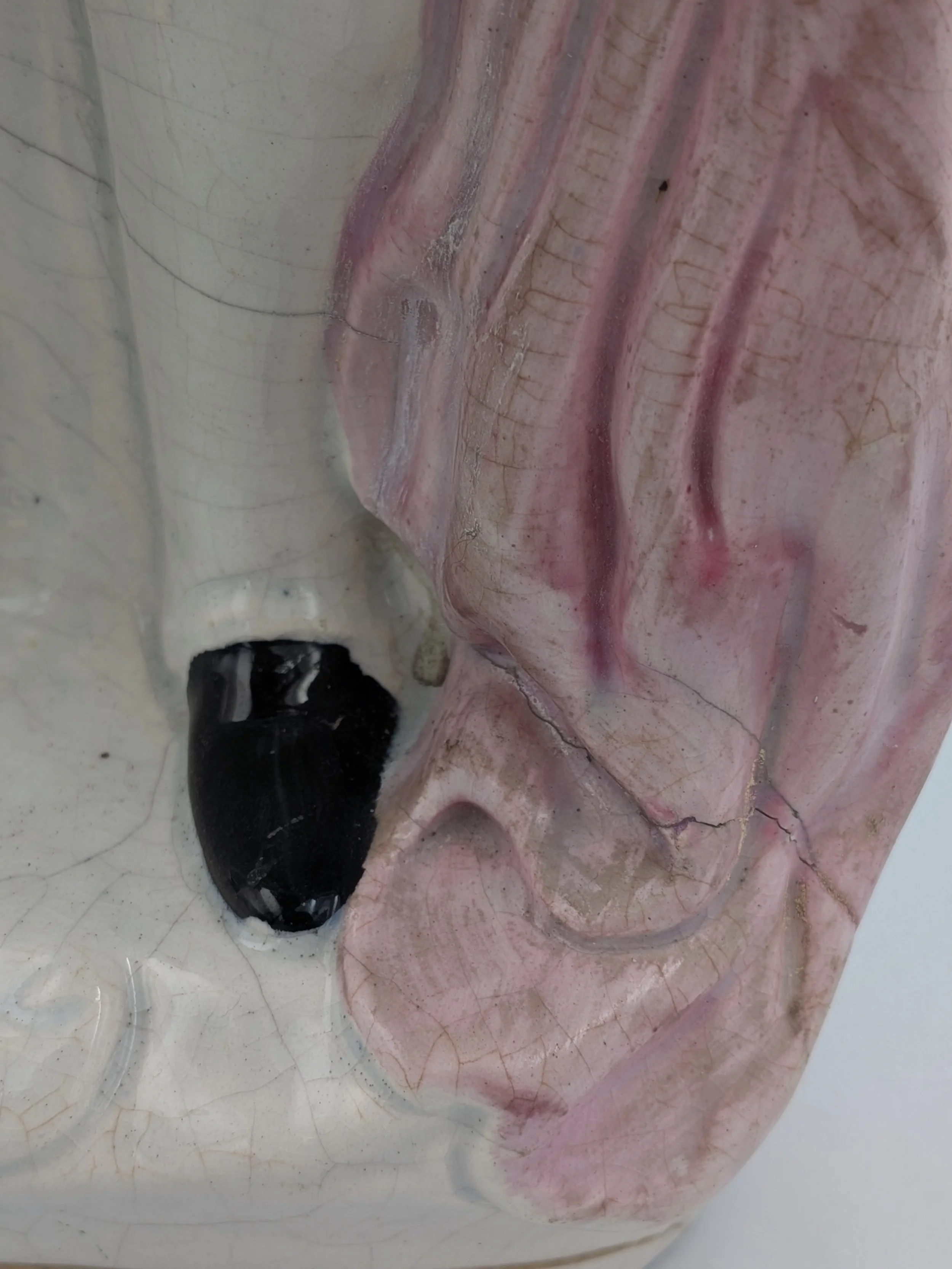 Image 15 of 34
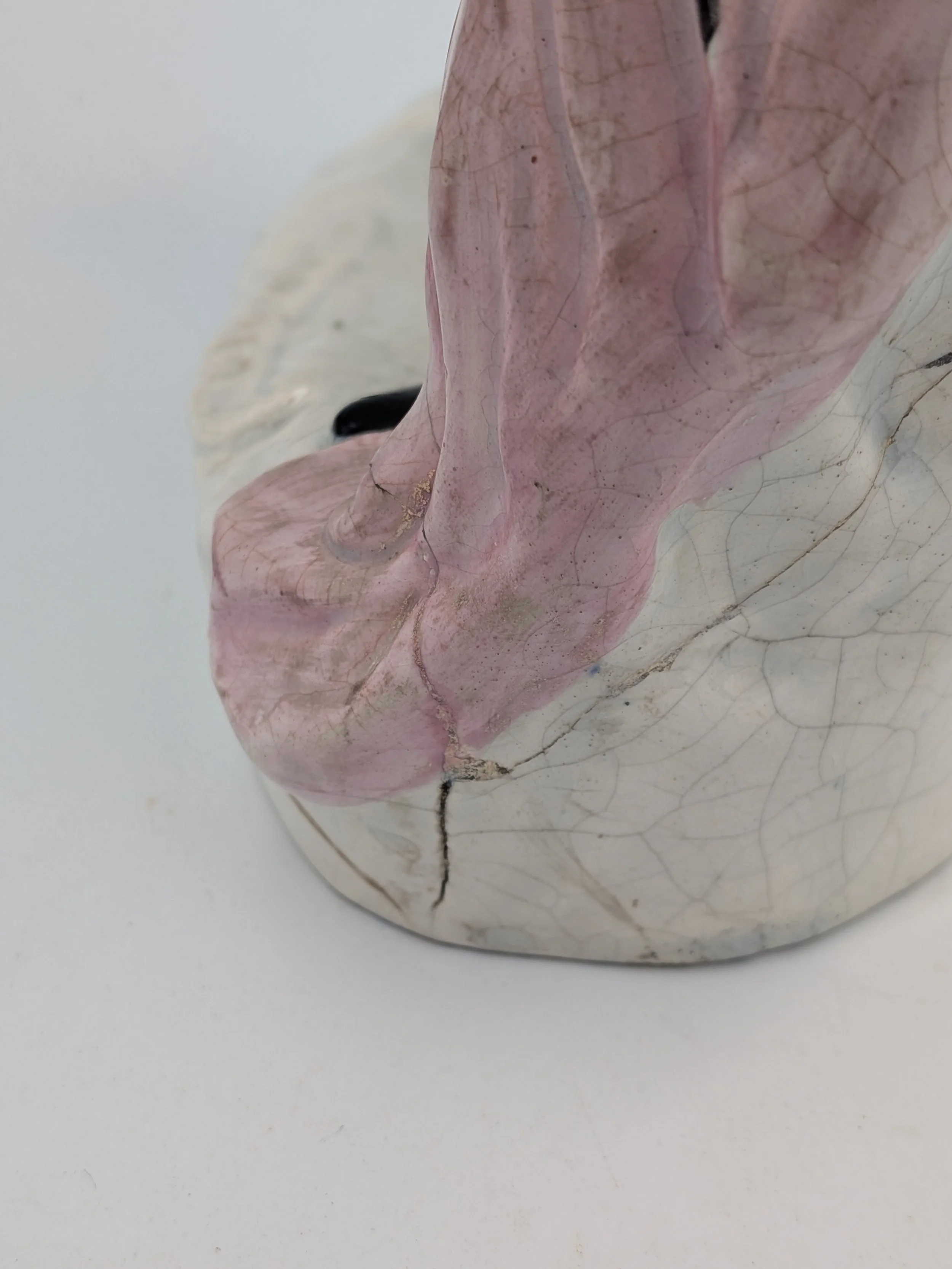 Image 16 of 34
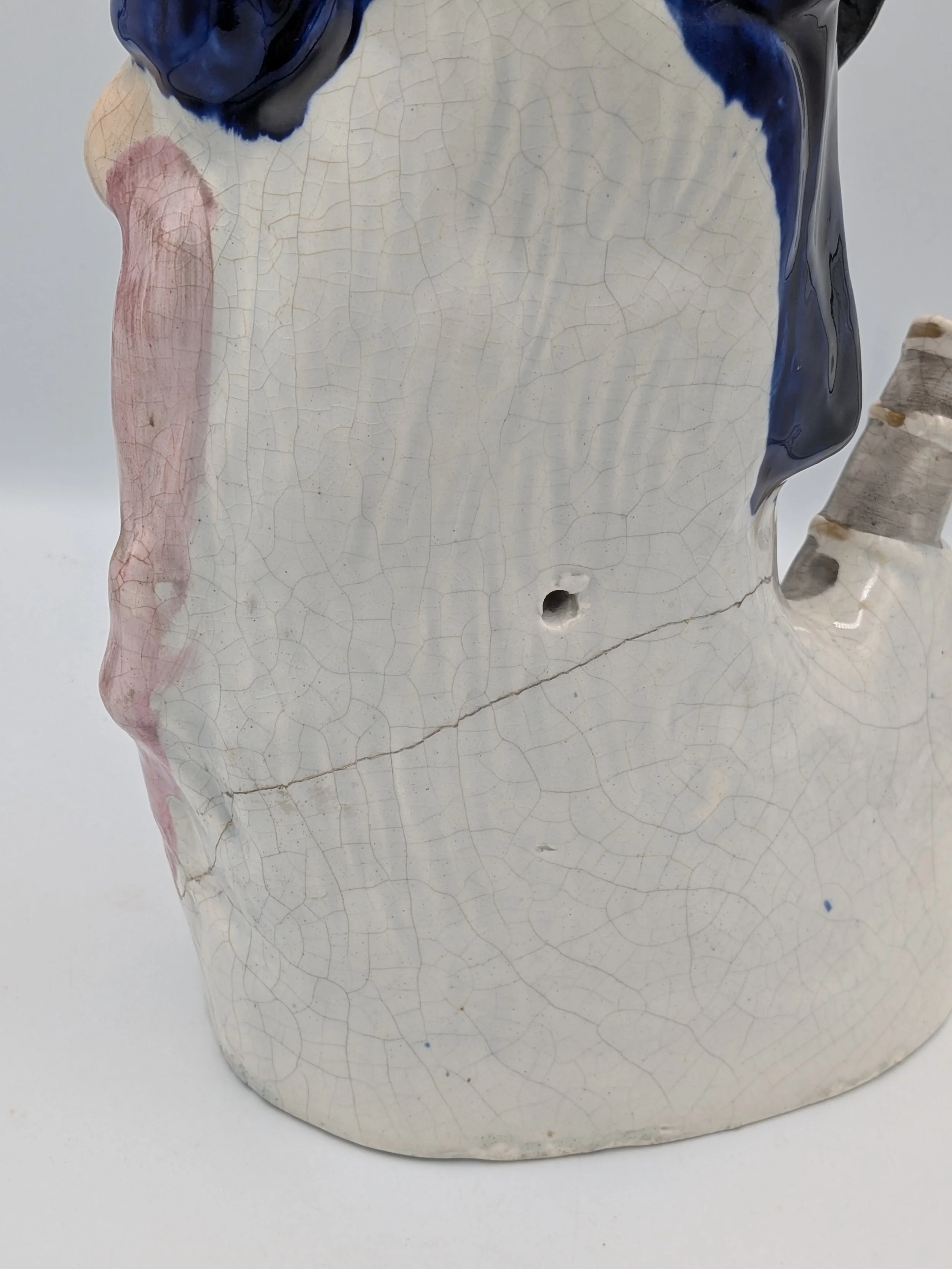 Image 17 of 34
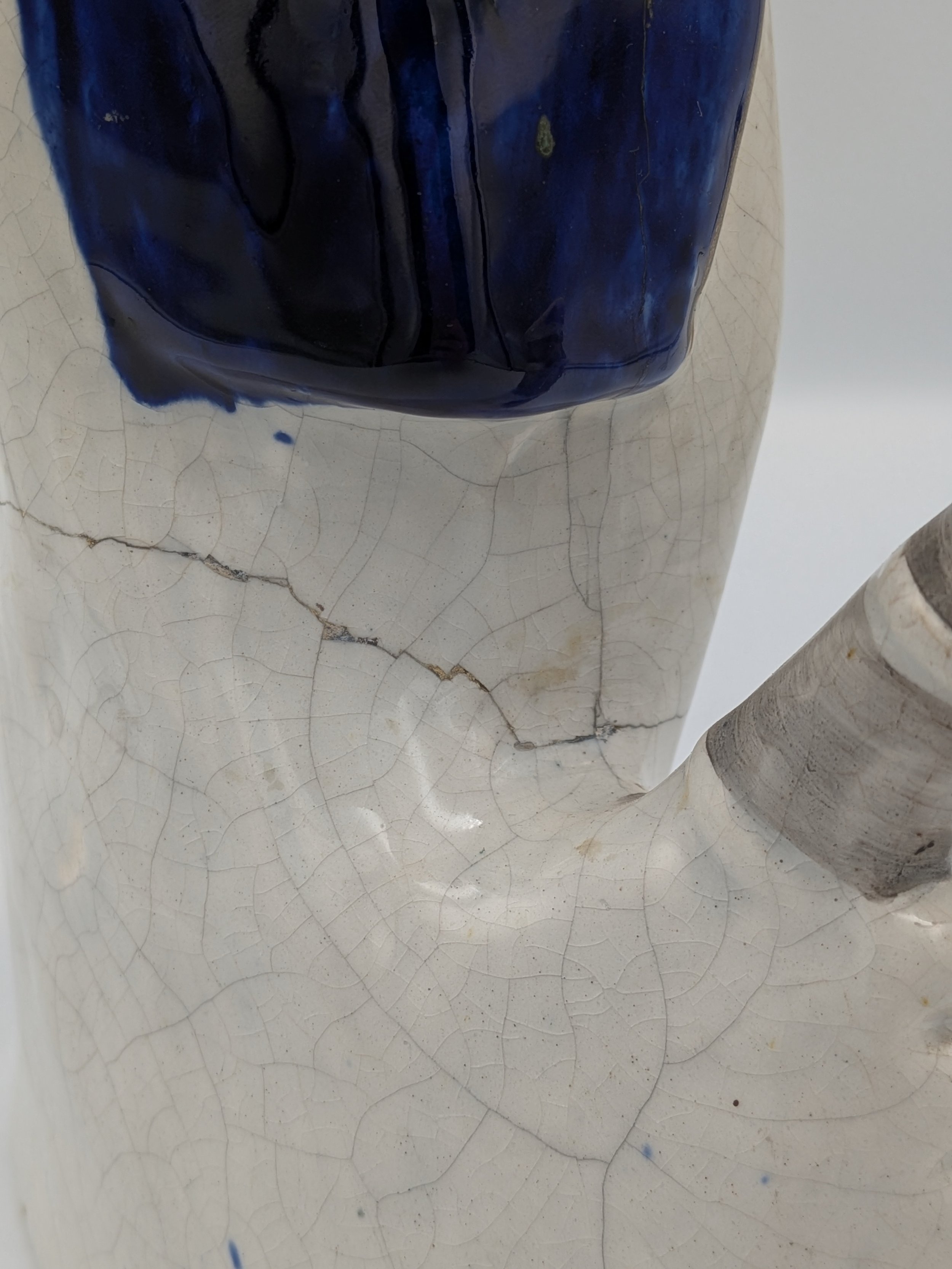 Image 18 of 34
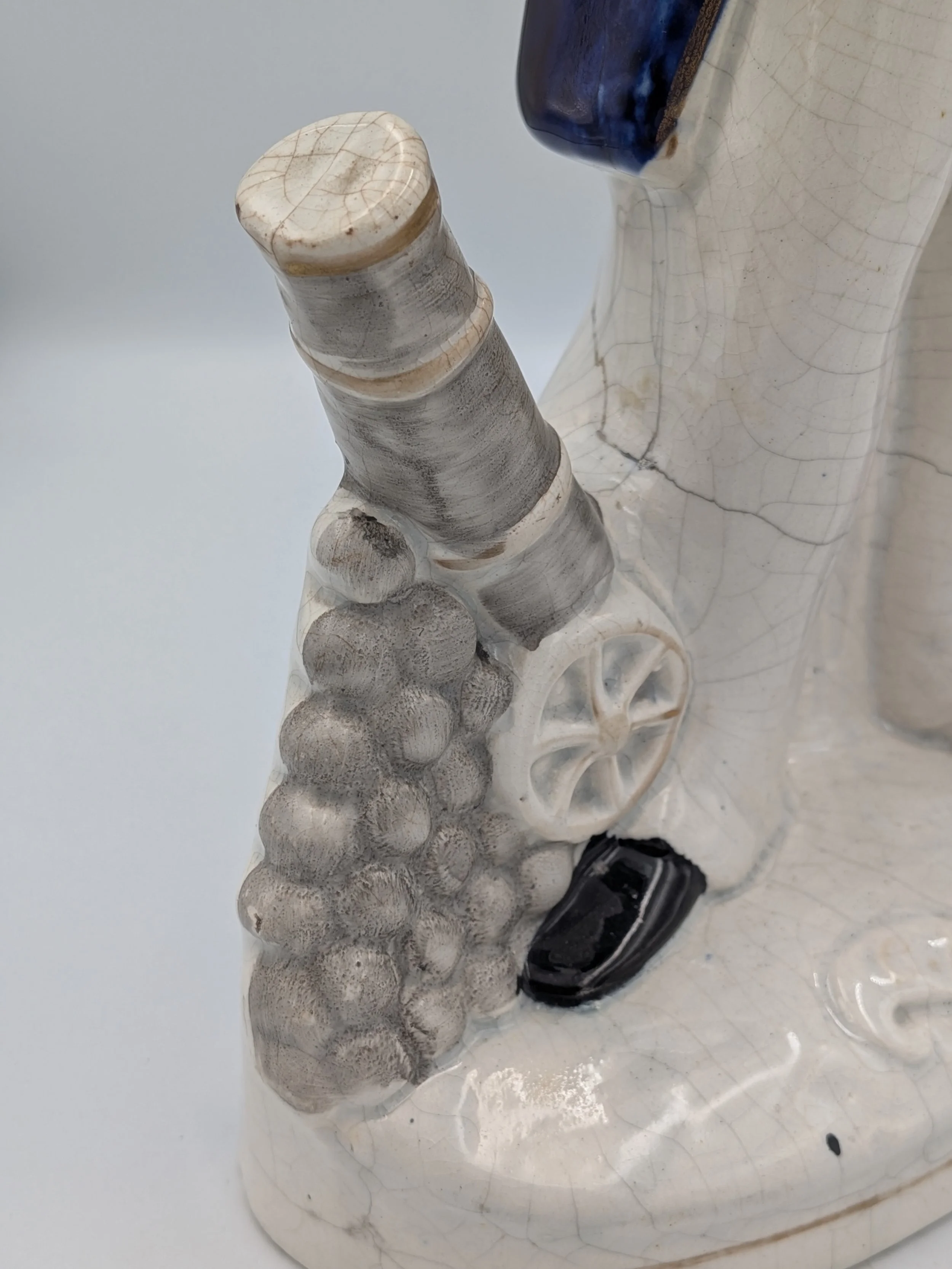 Image 19 of 34
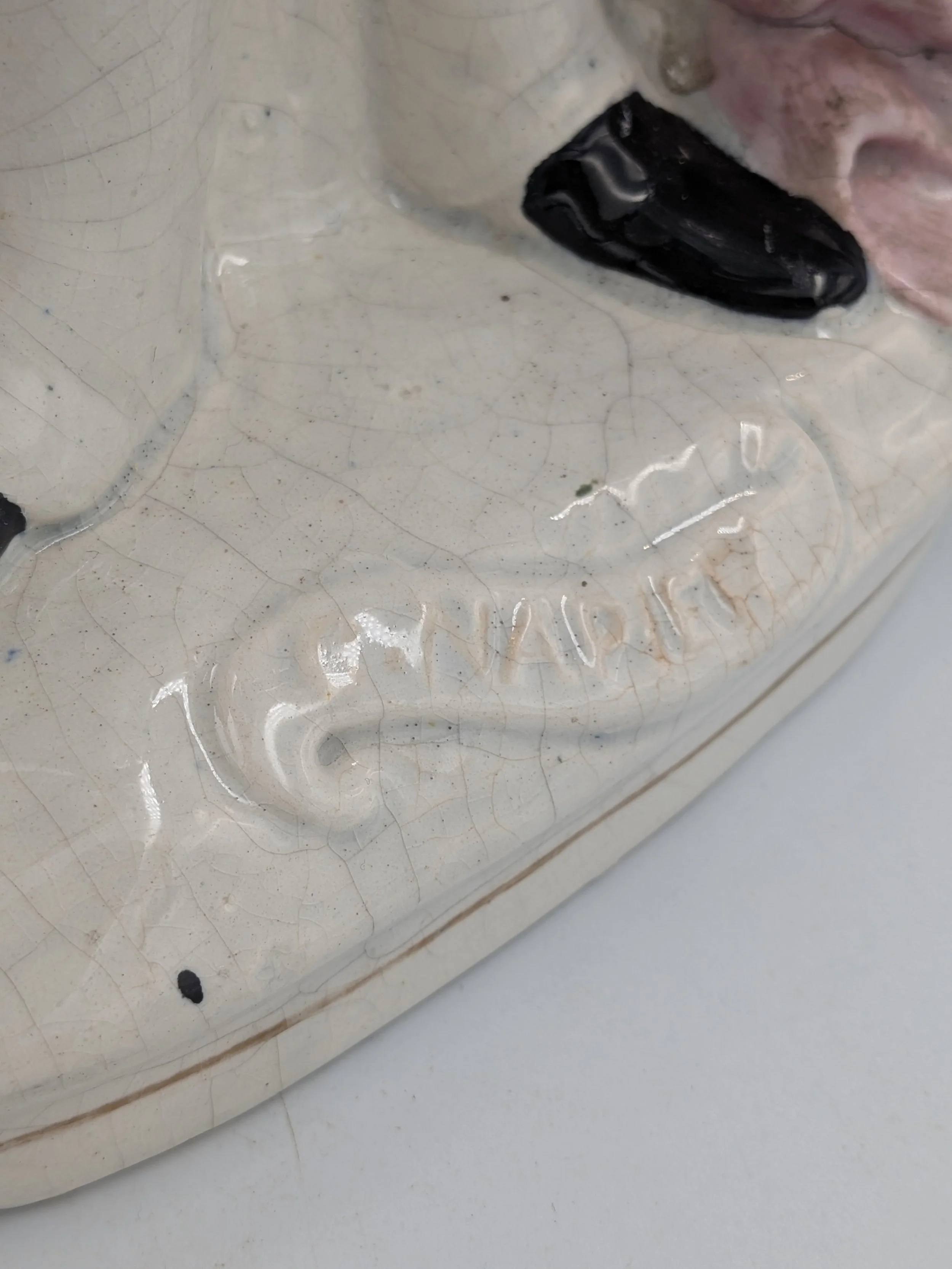 Image 20 of 34
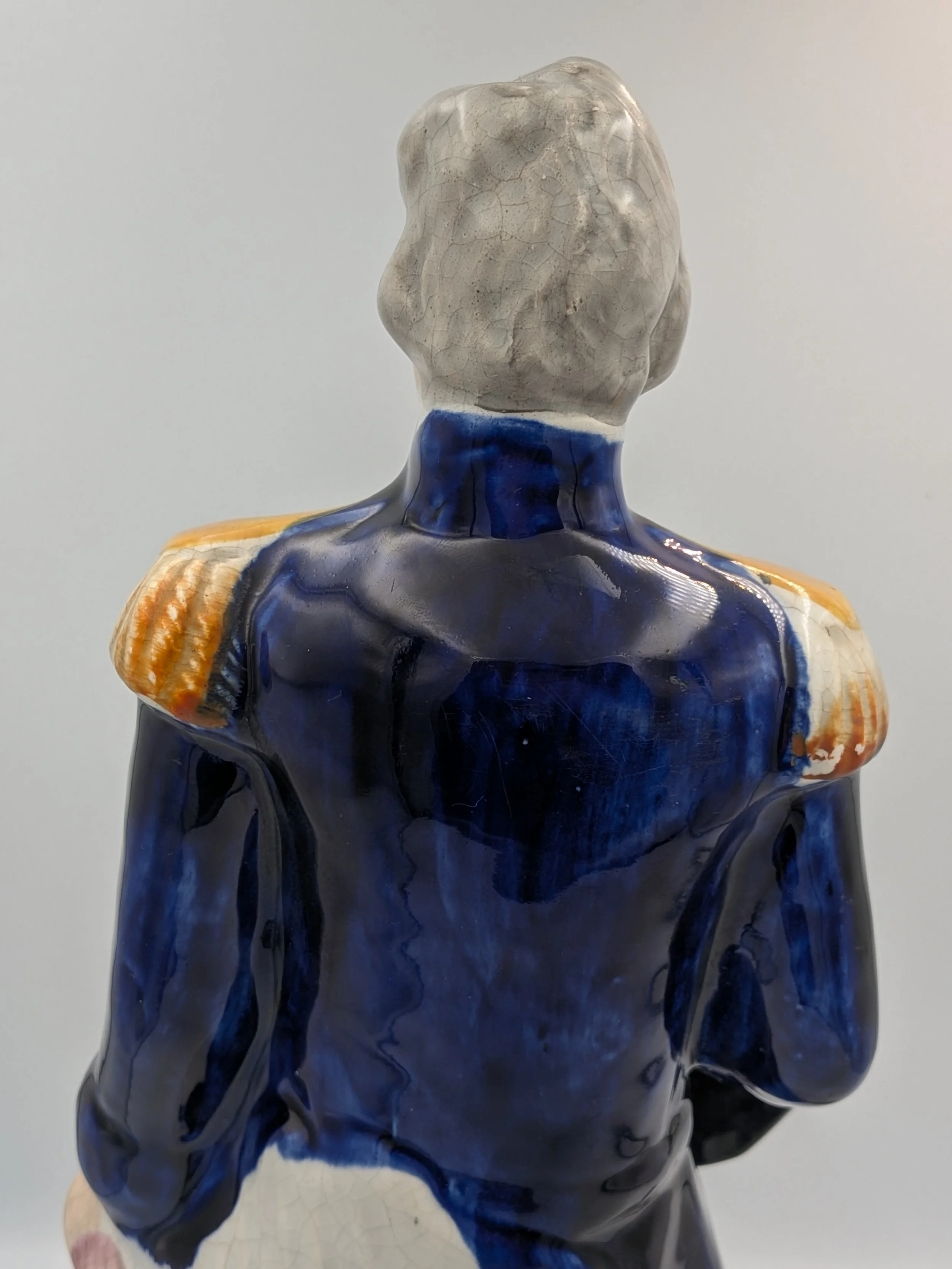 Image 21 of 34
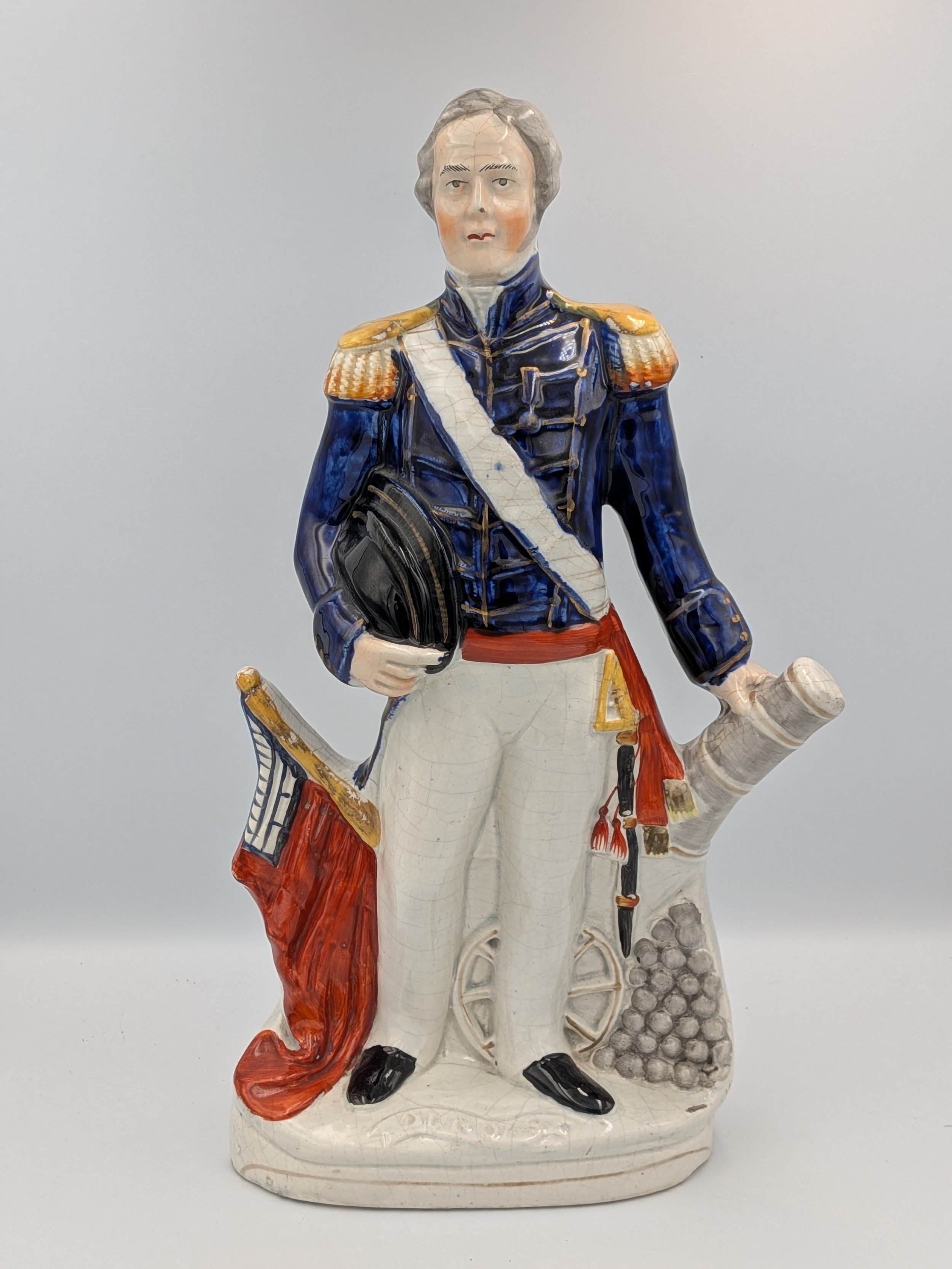 Image 22 of 34
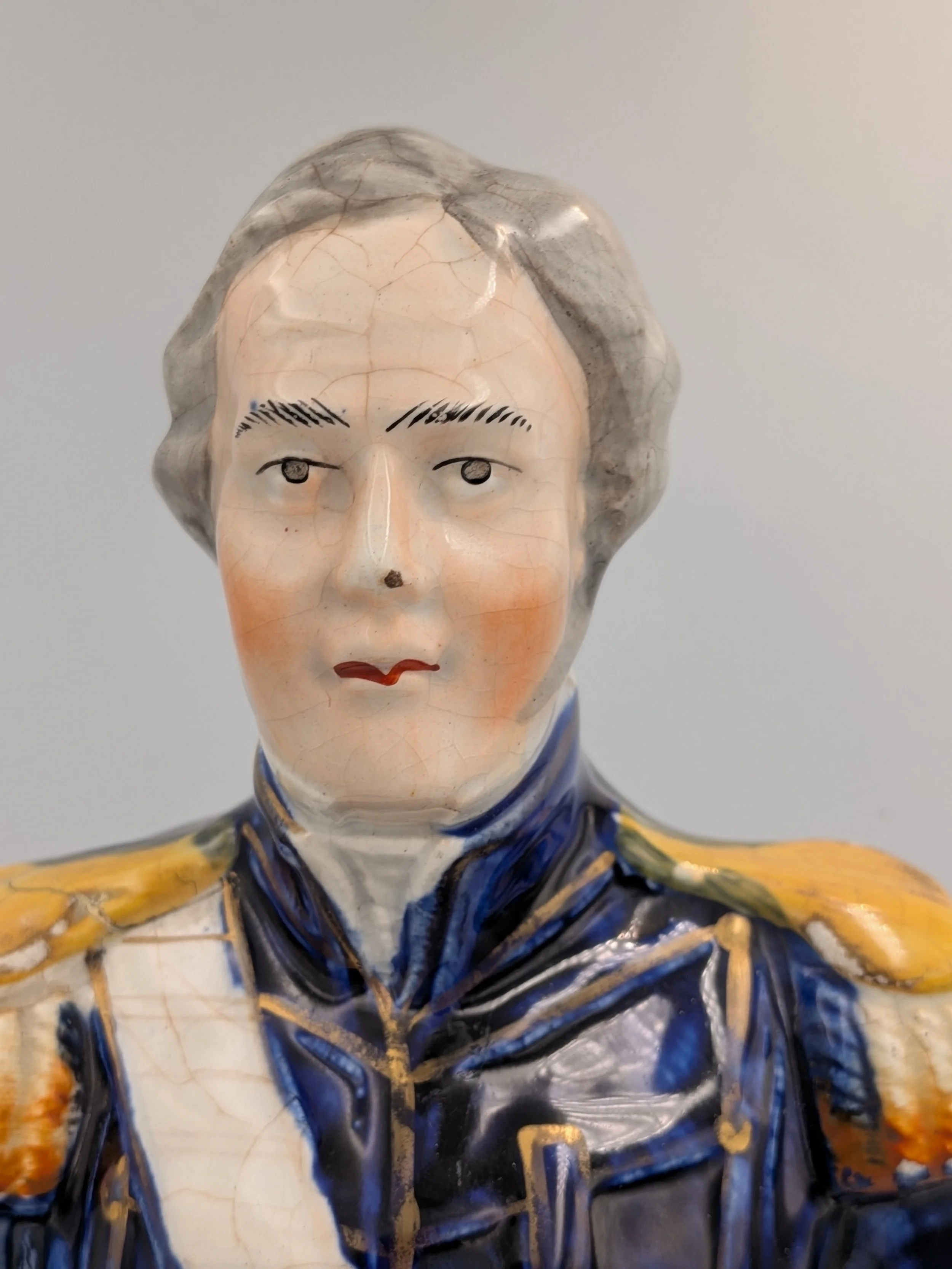 Image 23 of 34
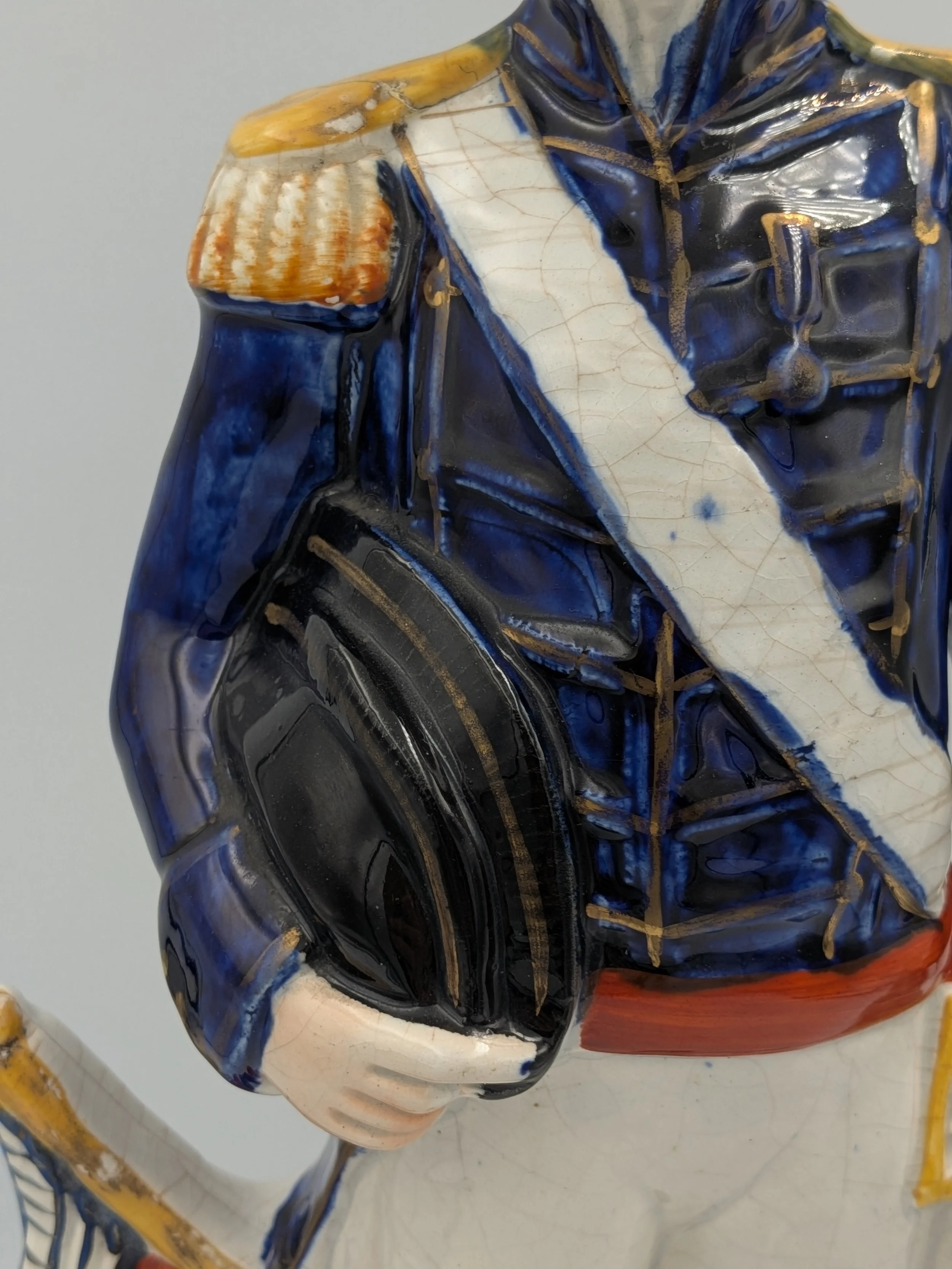 Image 24 of 34
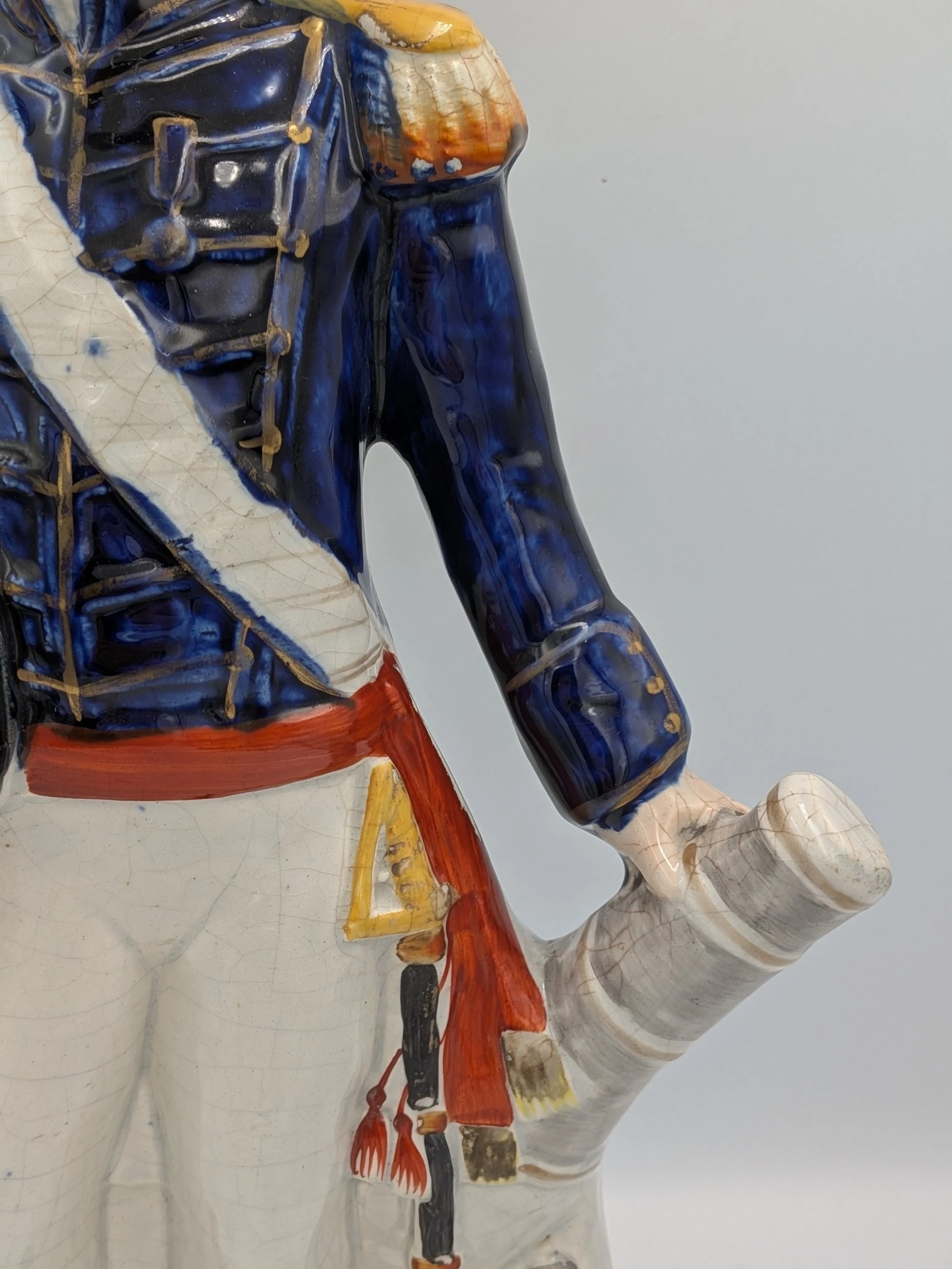 Image 25 of 34
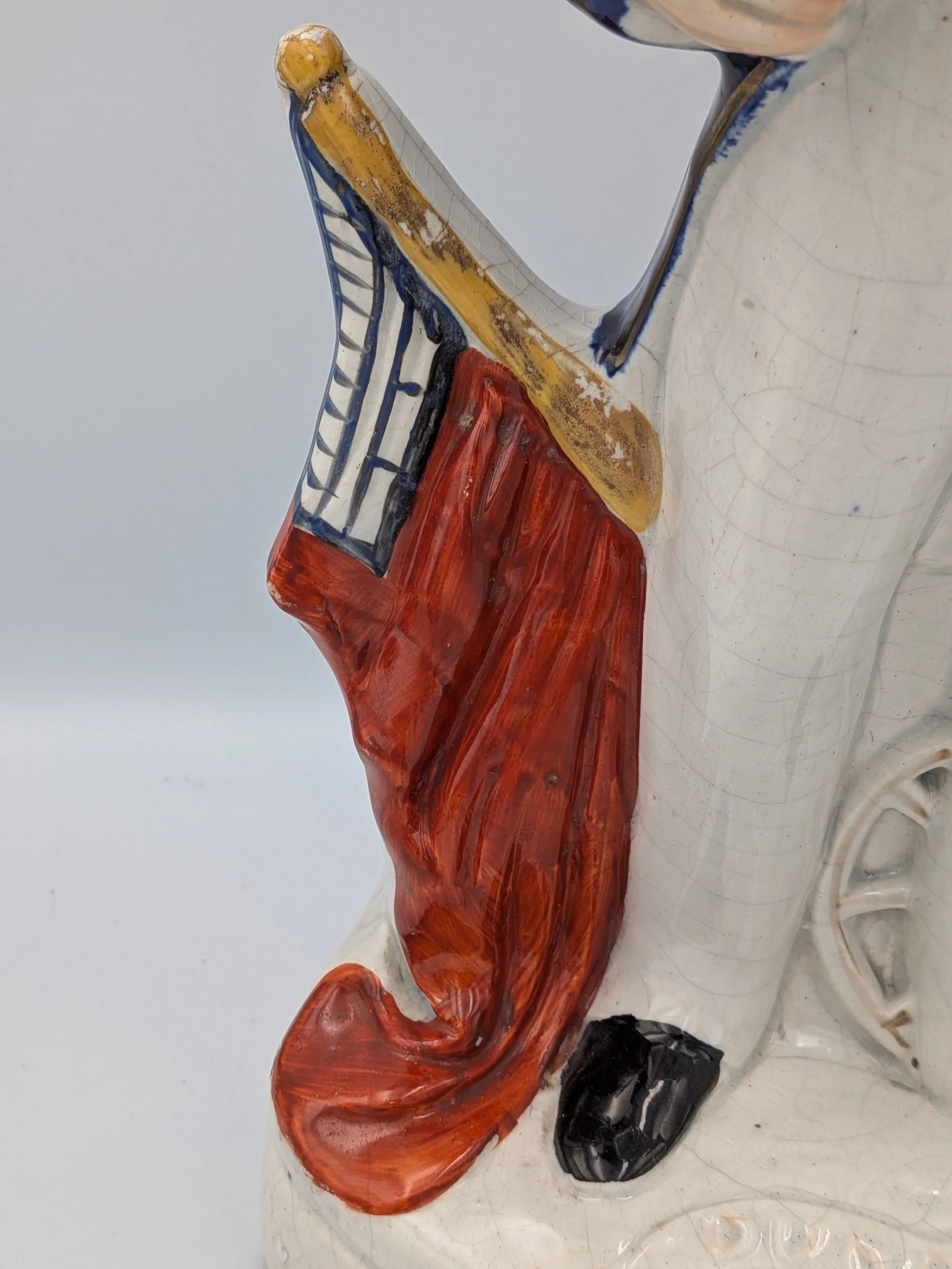 Image 26 of 34
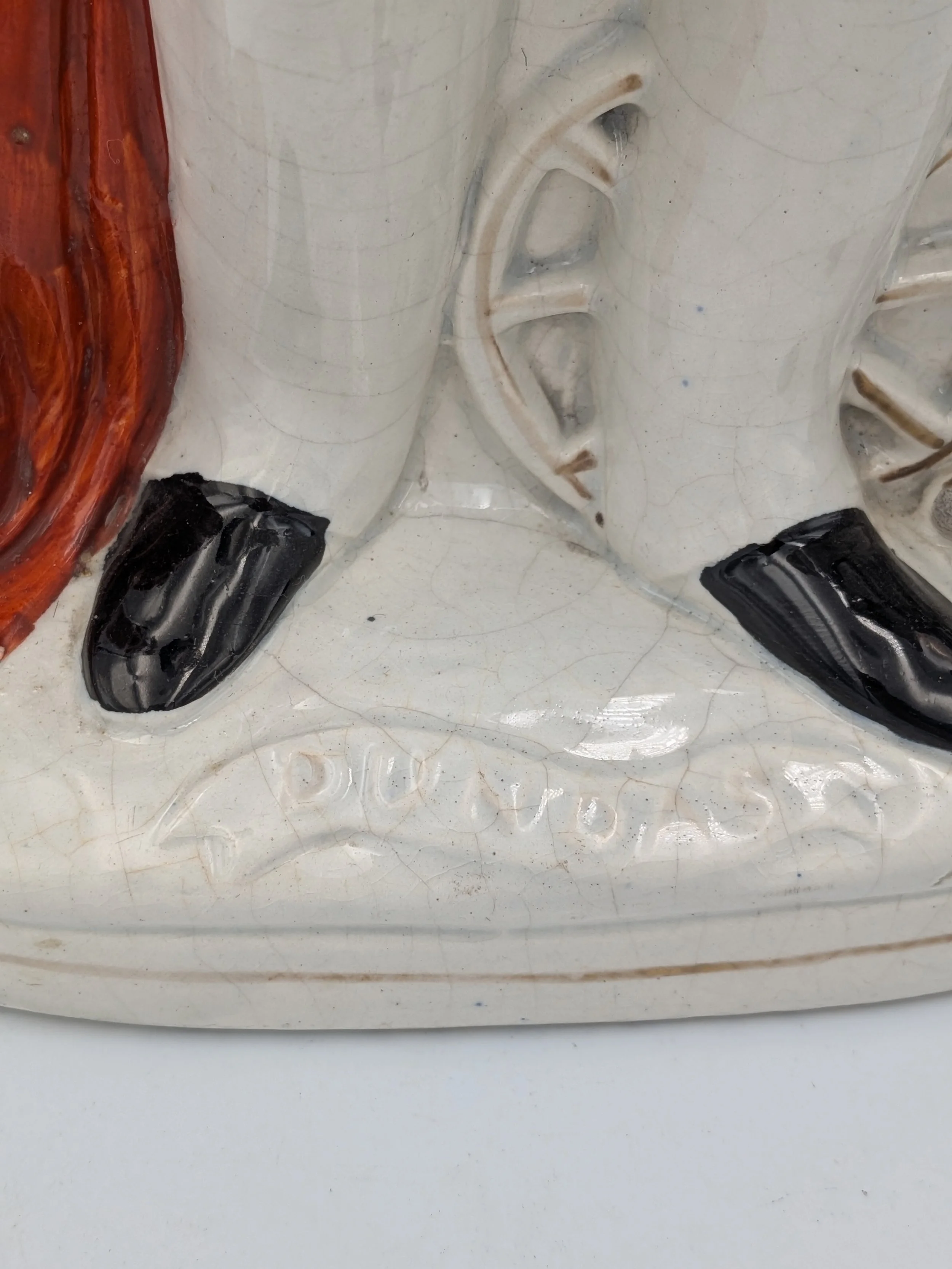 Image 27 of 34
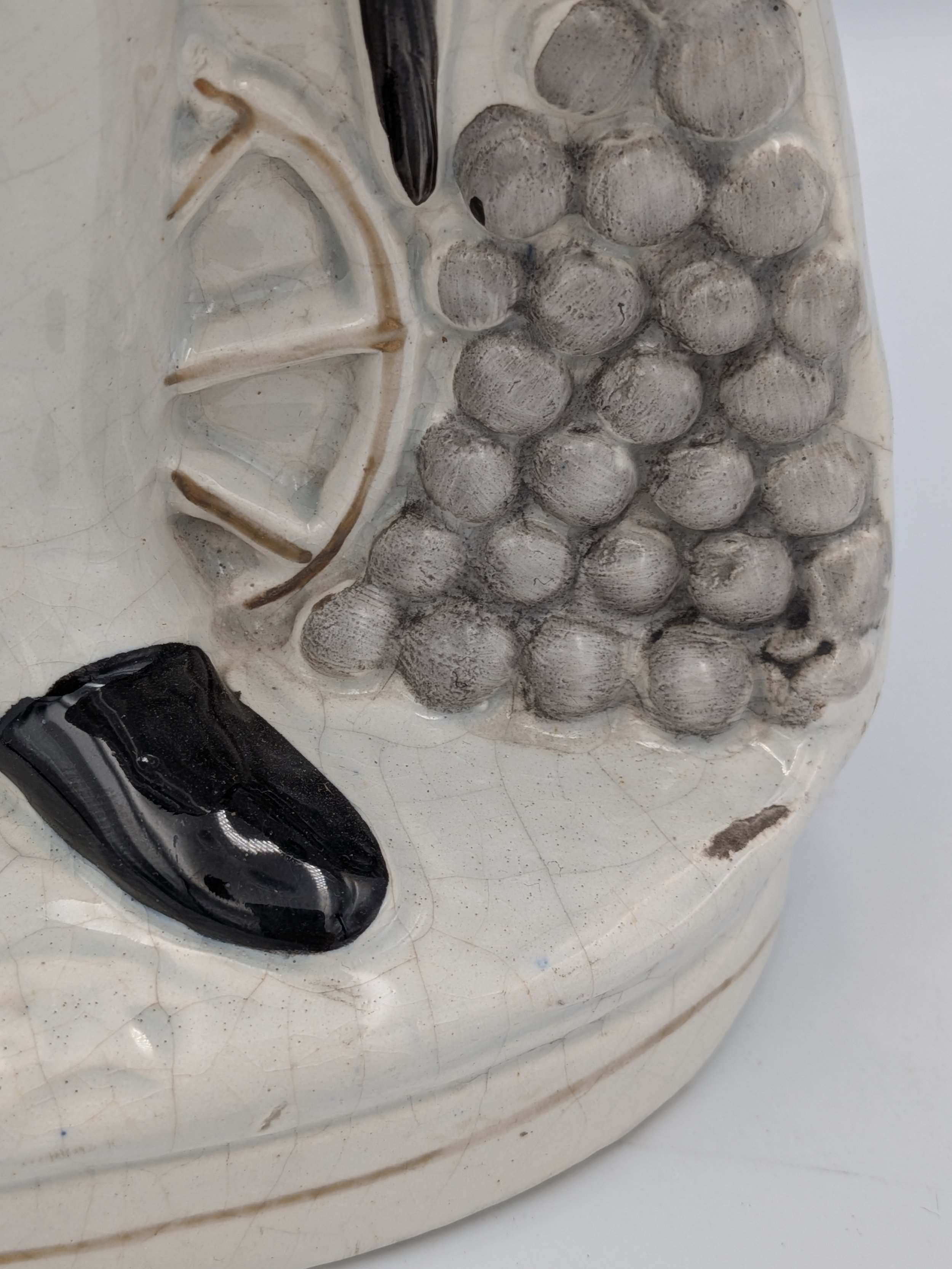 Image 28 of 34
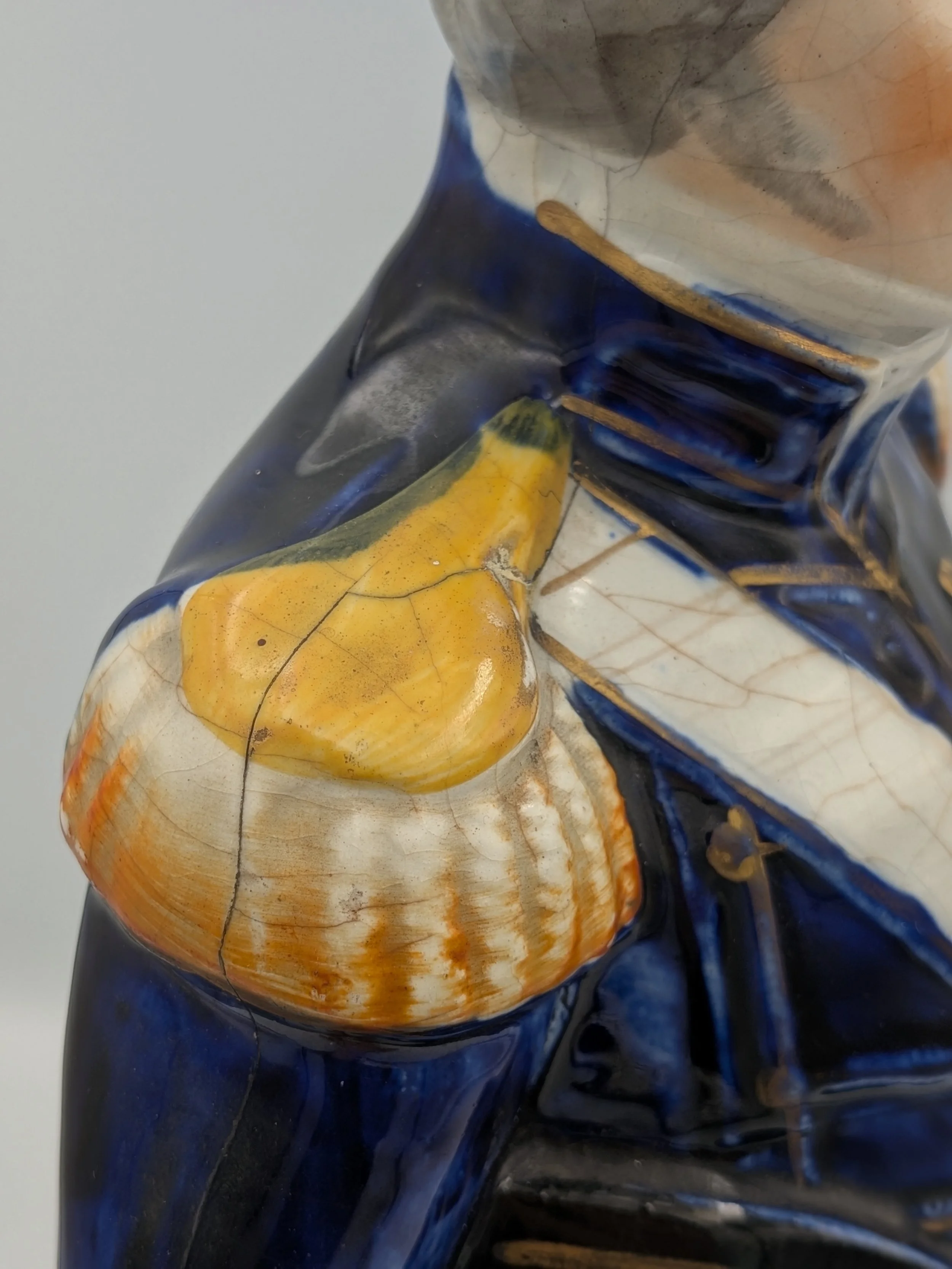 Image 29 of 34
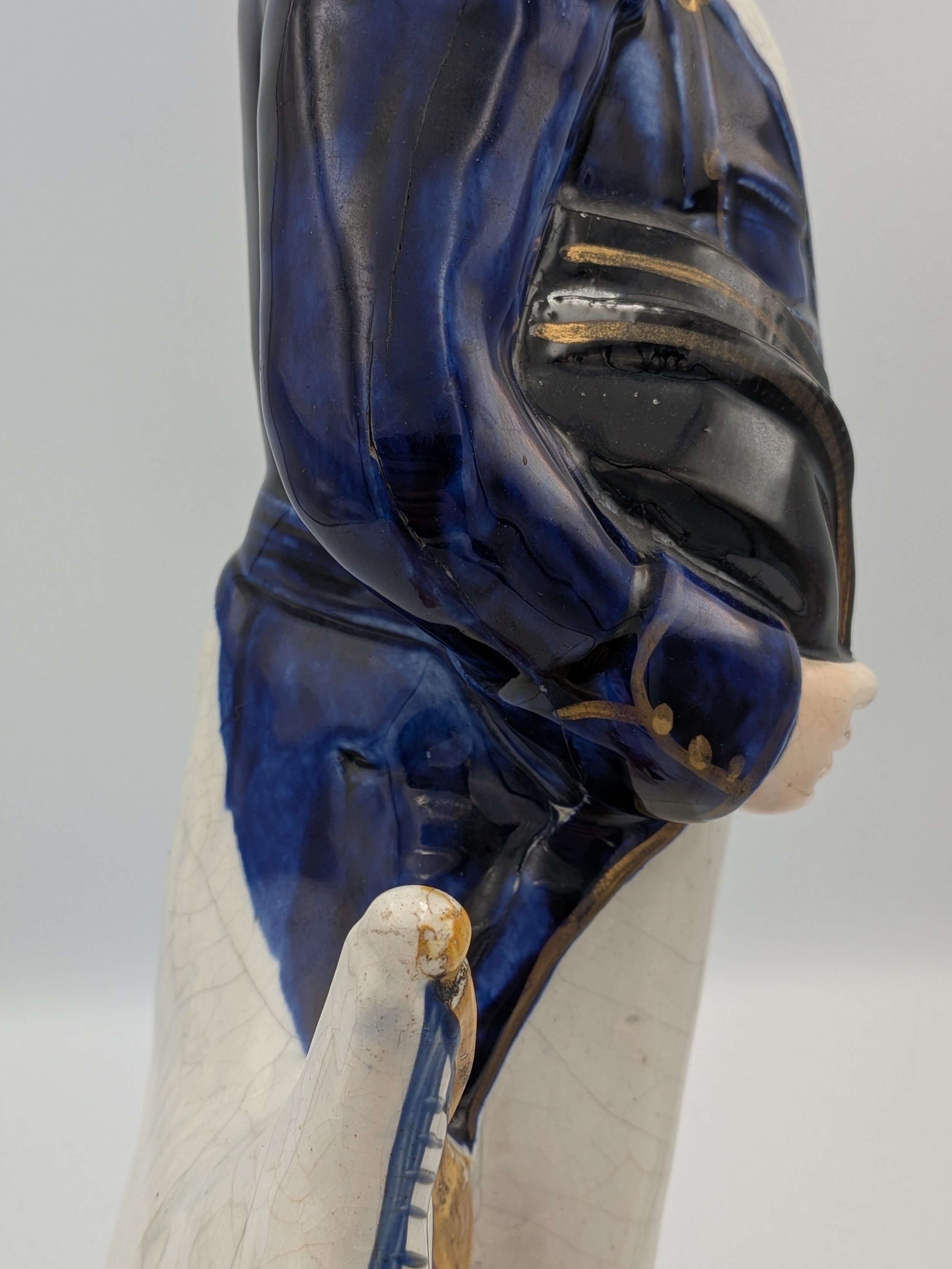 Image 30 of 34
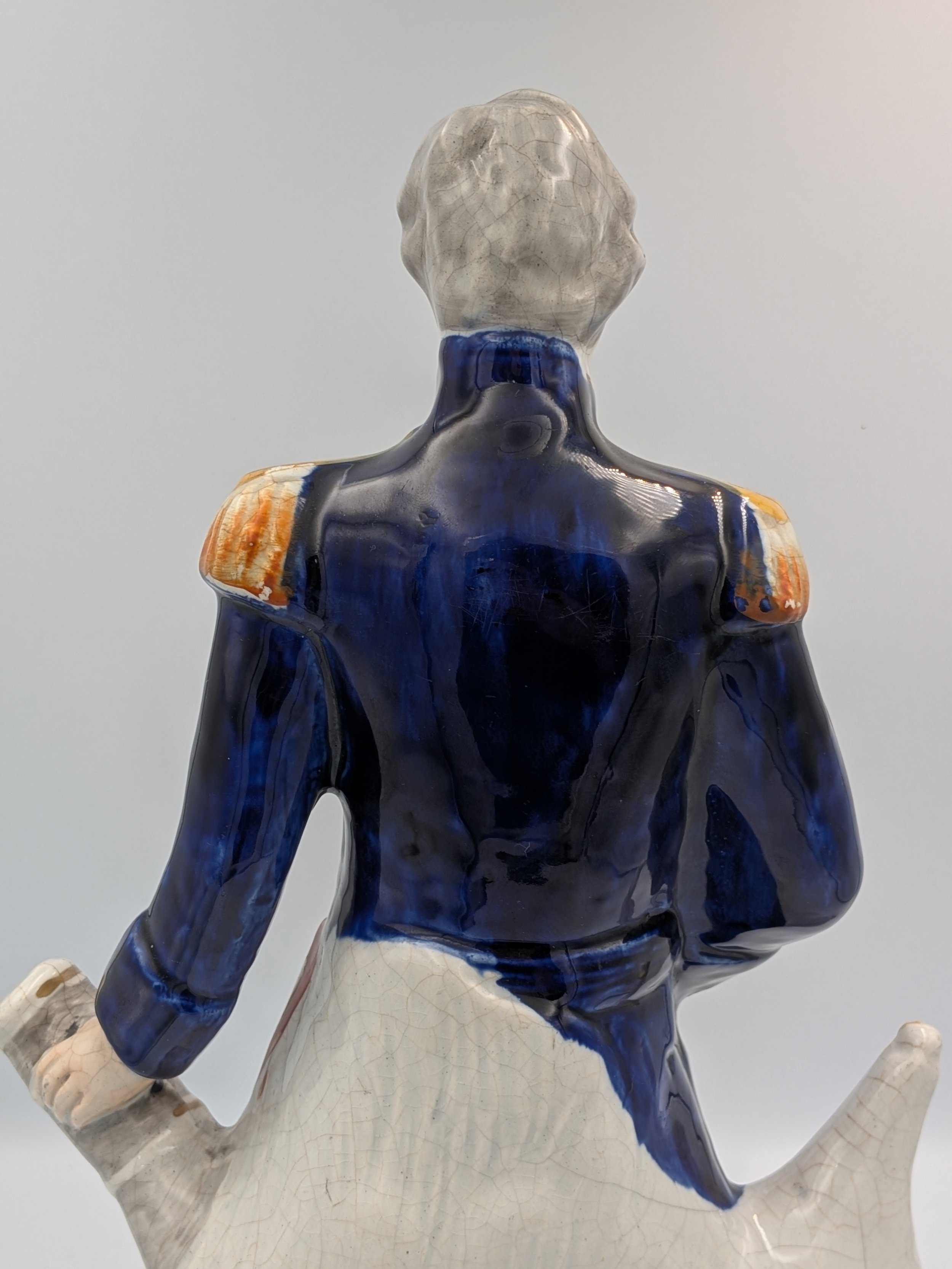 Image 31 of 34
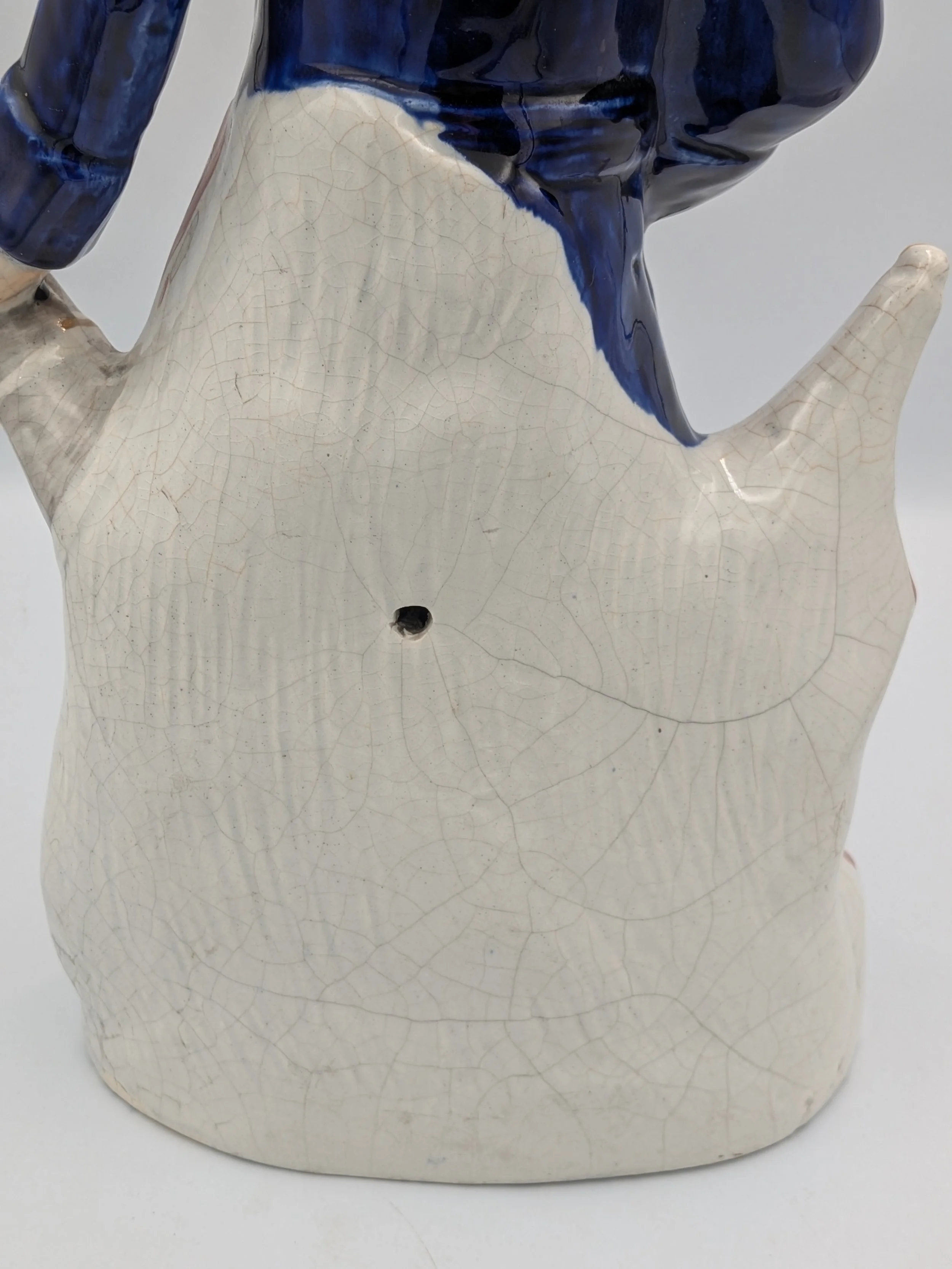 Image 32 of 34
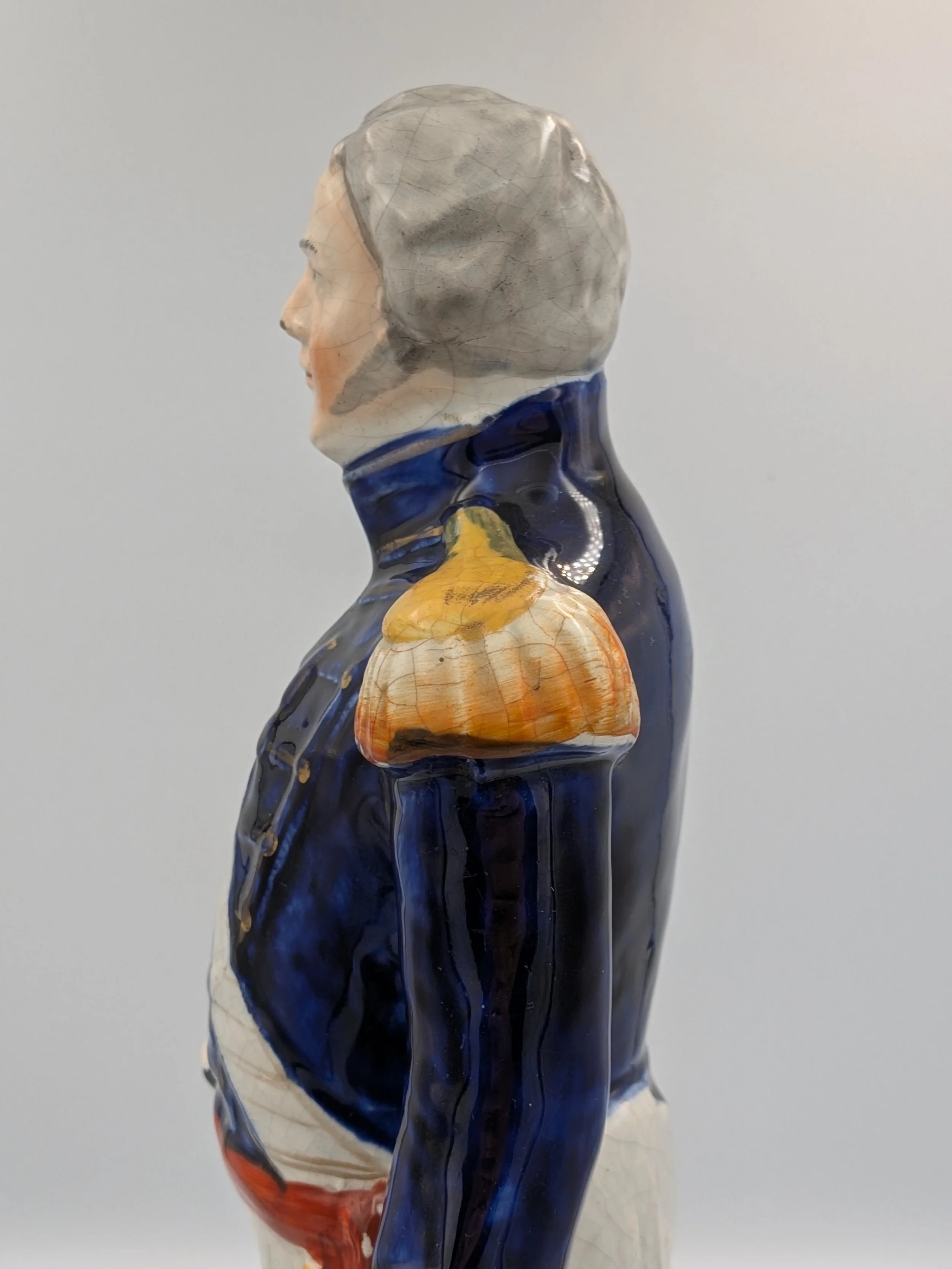 Image 33 of 34
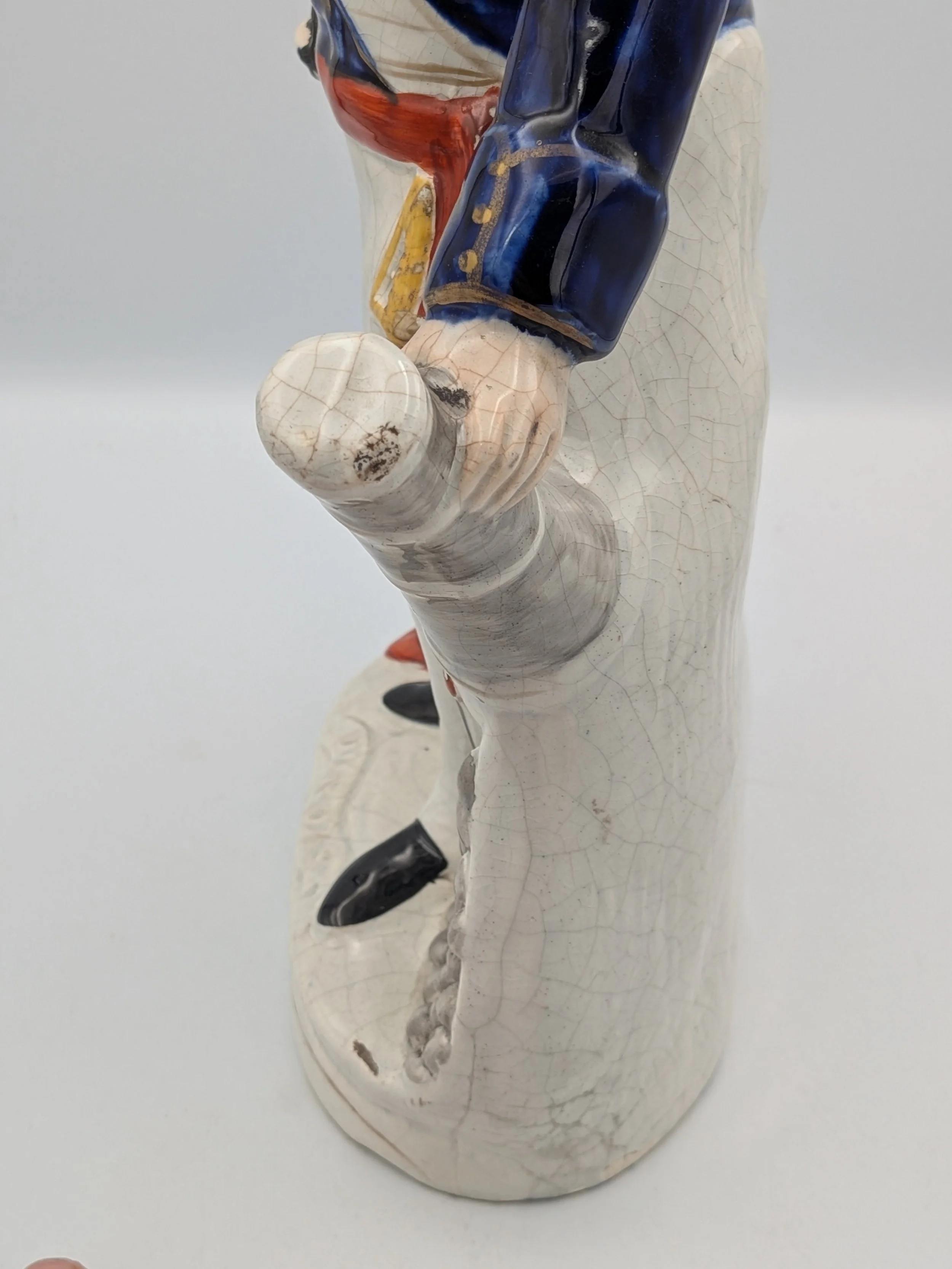 Image 34 of 34