A truly impressive monumental pair of figures depicting Jesus Christ and the Woman of Samaria as told in the Gospel of John, chapter 4.
Christ wears white robes with gilt spots and belt, with a pink over-robe. The Samaritan woman wears white robes with gilt spots above a gilt belt and a delicate, colourful floral pattern towards the feet, a gilt collar or necklace, and a blue hooded over-robe. In her arms, she holds a white water urn.
This very large pair is beautifully decorated and finely modelled with a lovely colour palette and rich details in the face. The pair is rare and these figures seldom appear together. The pair may be true, but it is also possible that the pair is matched given the contrasting colour of over-robes (I have seen one other pair in the ‘flesh’ in which the over-robes match) but the decorative style and language of each figure is otherwise the same and they are, at the very least, the product of the same factory and almost certainly the same painter.
The pair displays superbly, though there are some small condition issues which must be noted. Both figures have some shallow chips (Christ’s left wrist, most notably, but also some very superficial ‘scuffs’ to the back of his hair; and the woman’s hood in two places). The woman has some superficial wear down some of the seams of her skirt, as well as the folds of her blue robe (likewise with Christ’s pink robe). There is some rubbing to the overglaze paint on each figure’s robe appearing as dusty discolouration. There are also some signs of flaws and / or remedial work from the time of production - a small chip or missing clay on Christ’s nose prior to decoration; some superficial ‘creases’ to the clay, again prior to decoration, etc.. And there may be some very superficial firing flaws or deposits of ‘kiln soot’ or other debris in the glaze or over-glaze paint. There may be some overpainting of parts of the white bases. There are no other obvious signs of later repair though I cannot explicitly promise this. Importantly, these figures make for a stunning display and, but for the superficial chips mentioned above, do not show any significant ‘post-production’ other than that which can be attributed to general age and wear and the complexities associated with producing figures of this scale. Please examine the images for a fully accurate depiction of the condition and quality of these marvellous figures.
Reference: Stephen Duckworth, Victorian Staffordshire Pottery Religious Figures, p. 112, figs. B.27a and B.28a
Height: 17”
Date: c. 1870s
Provenance: The Stephen Duckworth Collection
A truly impressive monumental pair of figures depicting Jesus Christ and the Woman of Samaria as told in the Gospel of John, chapter 4.
Christ wears white robes with gilt spots and belt, with a pink over-robe. The Samaritan woman wears white robes with gilt spots above a gilt belt and a delicate, colourful floral pattern towards the feet, a gilt collar or necklace, and a blue hooded over-robe. In her arms, she holds a white water urn.
This very large pair is beautifully decorated and finely modelled with a lovely colour palette and rich details in the face. The pair is rare and these figures seldom appear together. The pair may be true, but it is also possible that the pair is matched given the contrasting colour of over-robes (I have seen one other pair in the ‘flesh’ in which the over-robes match) but the decorative style and language of each figure is otherwise the same and they are, at the very least, the product of the same factory and almost certainly the same painter.
The pair displays superbly, though there are some small condition issues which must be noted. Both figures have some shallow chips (Christ’s left wrist, most notably, but also some very superficial ‘scuffs’ to the back of his hair; and the woman’s hood in two places). The woman has some superficial wear down some of the seams of her skirt, as well as the folds of her blue robe (likewise with Christ’s pink robe). There is some rubbing to the overglaze paint on each figure’s robe appearing as dusty discolouration. There are also some signs of flaws and / or remedial work from the time of production - a small chip or missing clay on Christ’s nose prior to decoration; some superficial ‘creases’ to the clay, again prior to decoration, etc.. And there may be some very superficial firing flaws or deposits of ‘kiln soot’ or other debris in the glaze or over-glaze paint. There may be some overpainting of parts of the white bases. There are no other obvious signs of later repair though I cannot explicitly promise this. Importantly, these figures make for a stunning display and, but for the superficial chips mentioned above, do not show any significant ‘post-production’ other than that which can be attributed to general age and wear and the complexities associated with producing figures of this scale. Please examine the images for a fully accurate depiction of the condition and quality of these marvellous figures.
Reference: Stephen Duckworth, Victorian Staffordshire Pottery Religious Figures, p. 112, figs. B.27a and B.28a
Height: 17”
Date: c. 1870s
Provenance: The Stephen Duckworth Collection
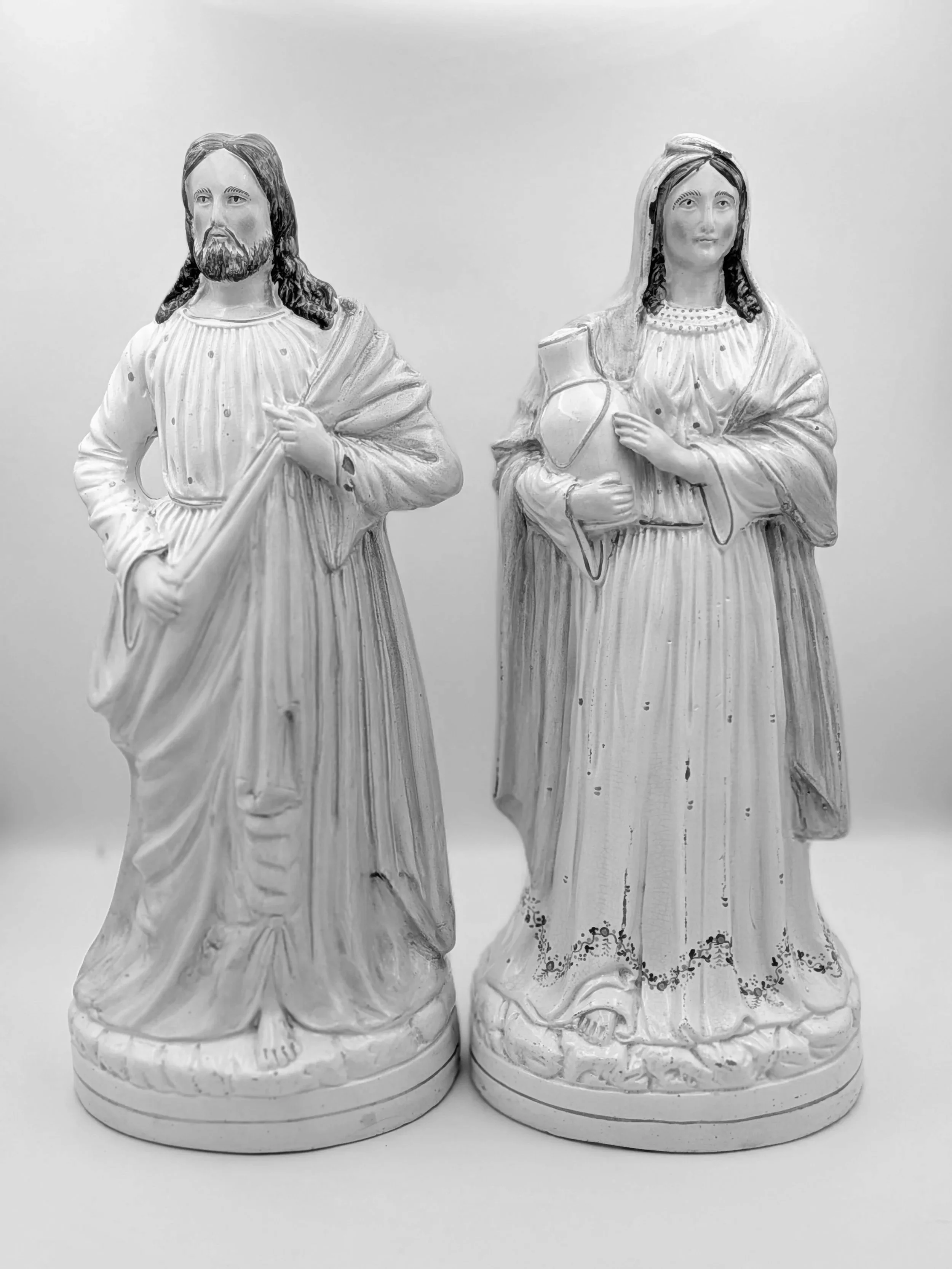 Image 1 of 71
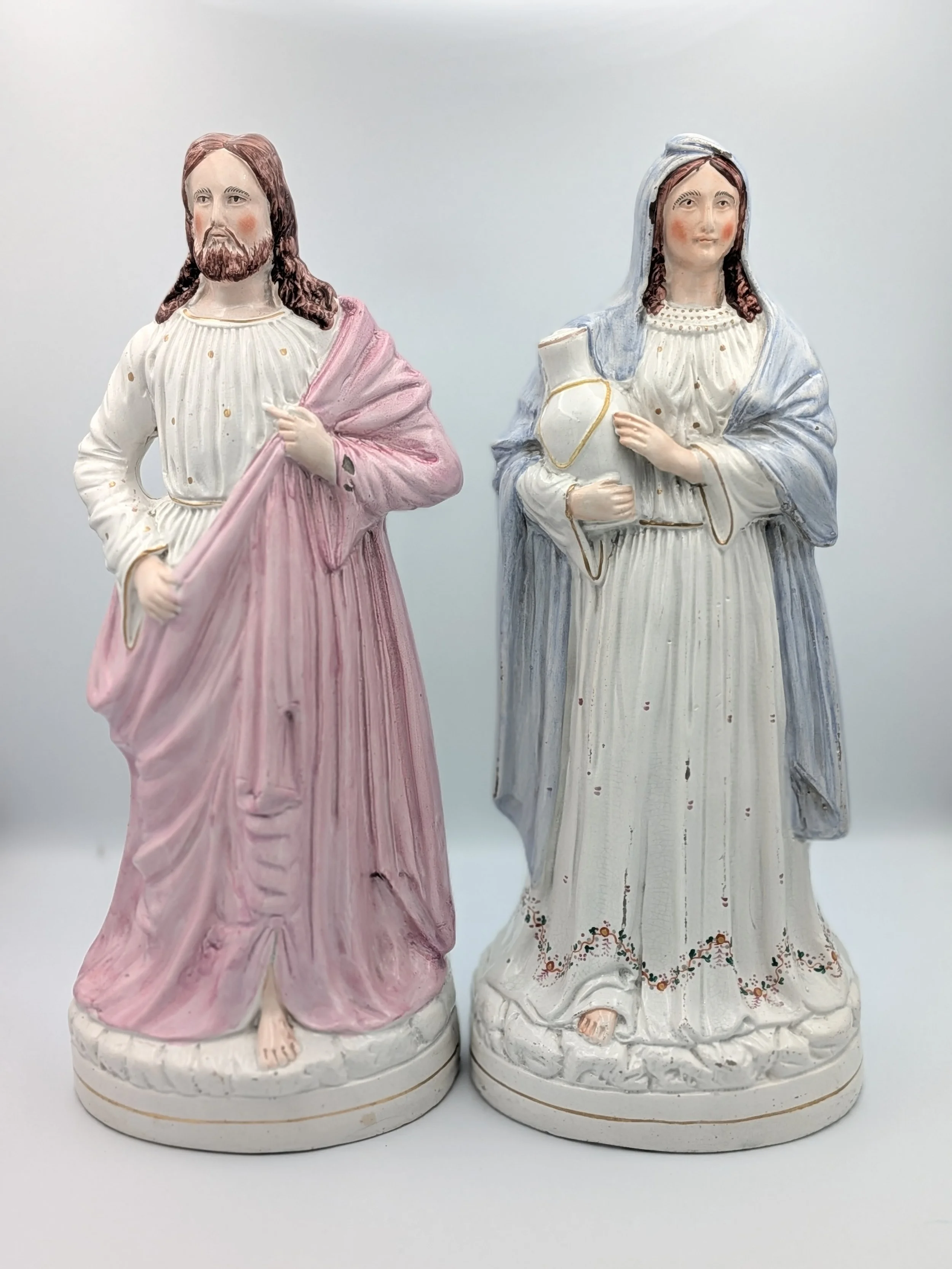 Image 2 of 71
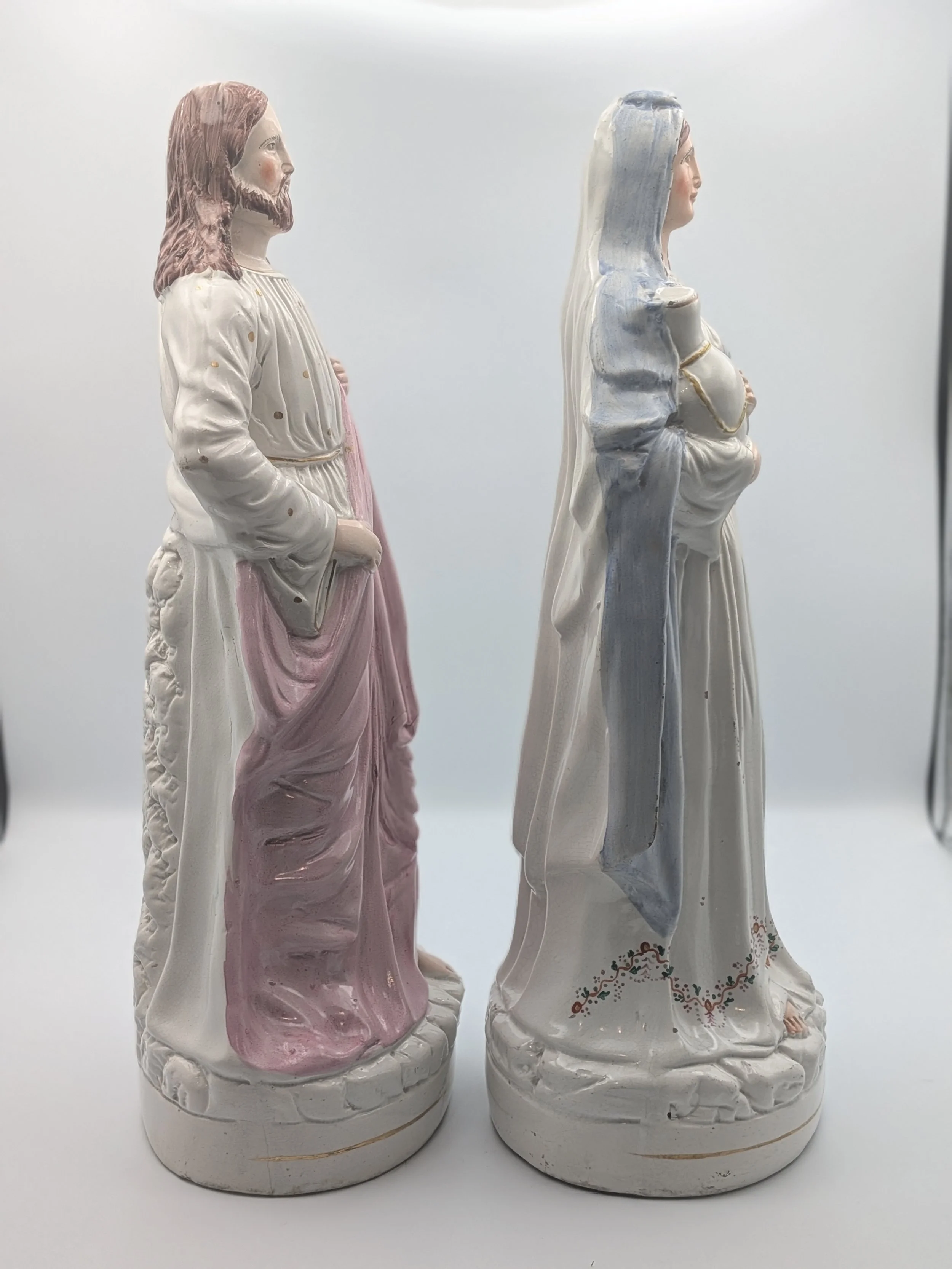 Image 3 of 71
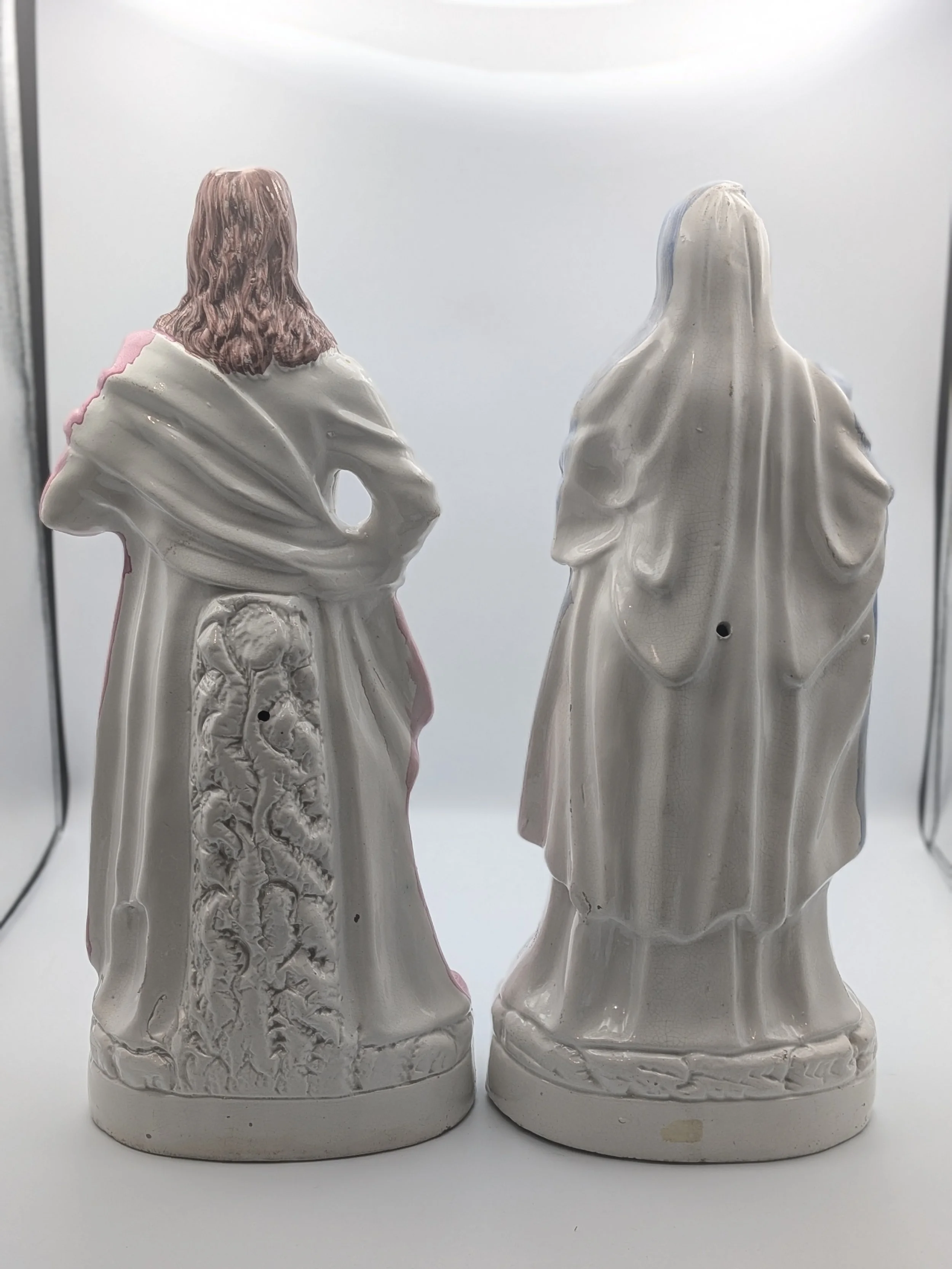 Image 4 of 71
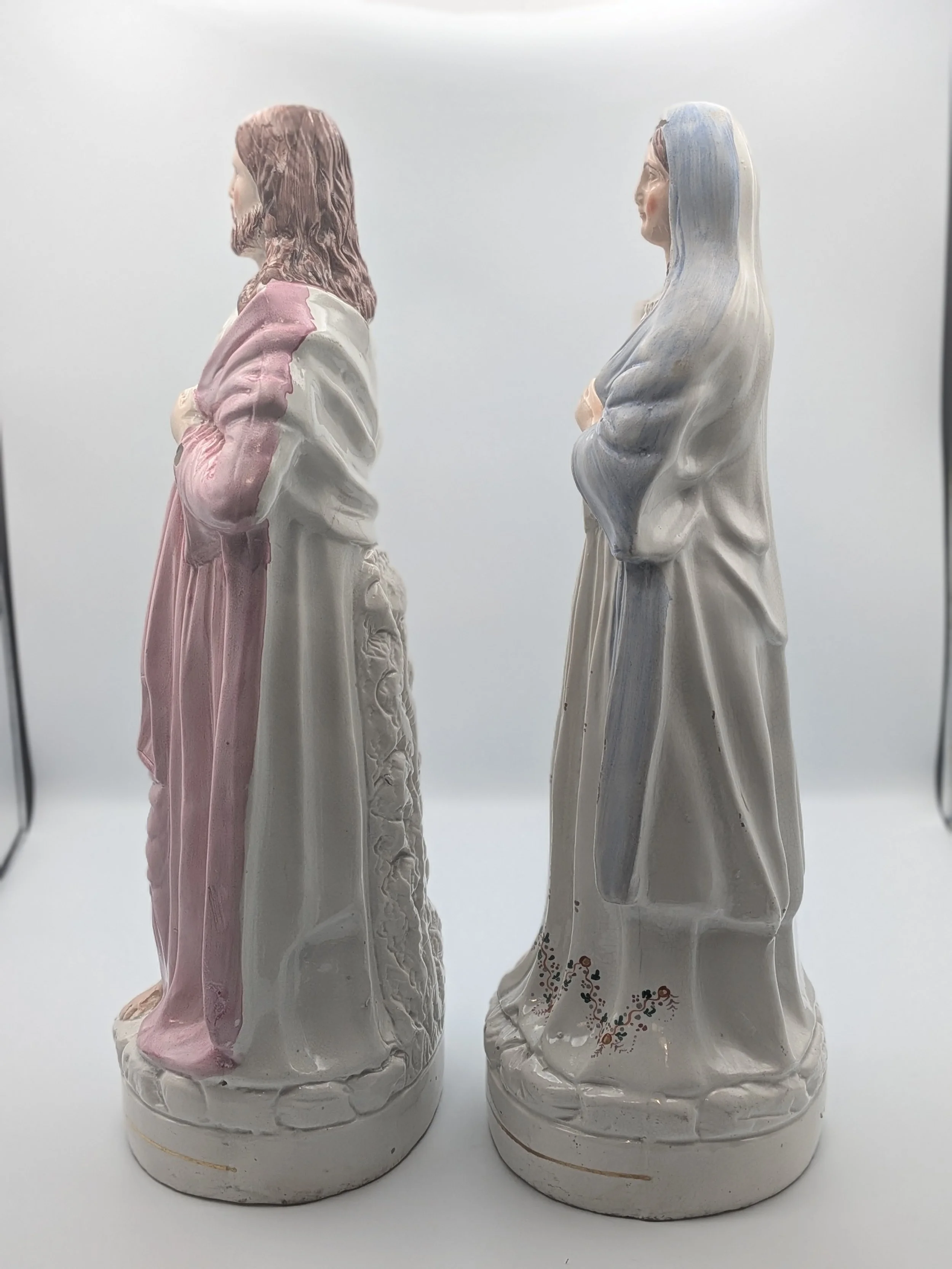 Image 5 of 71
 Image 6 of 71
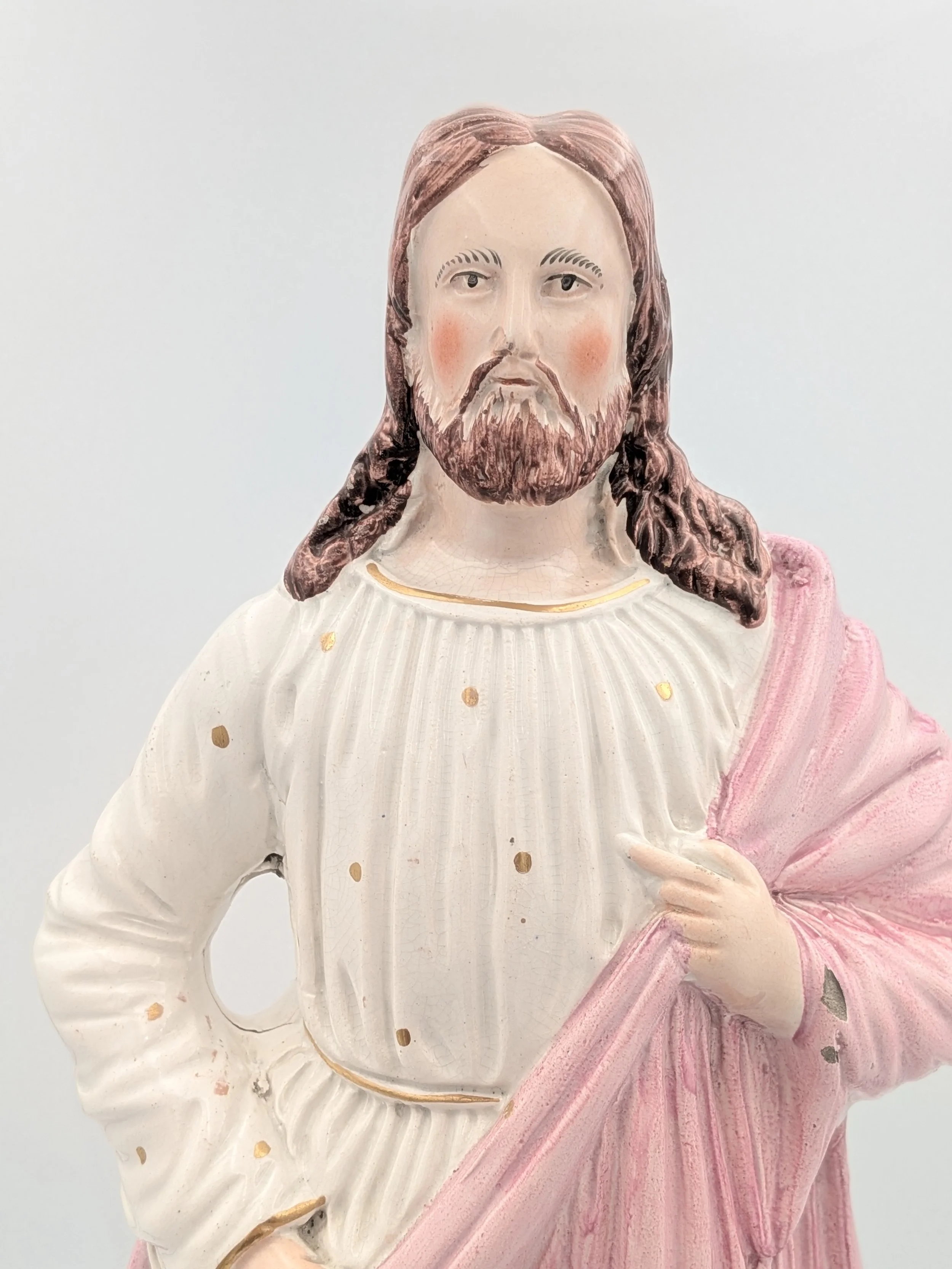 Image 7 of 71
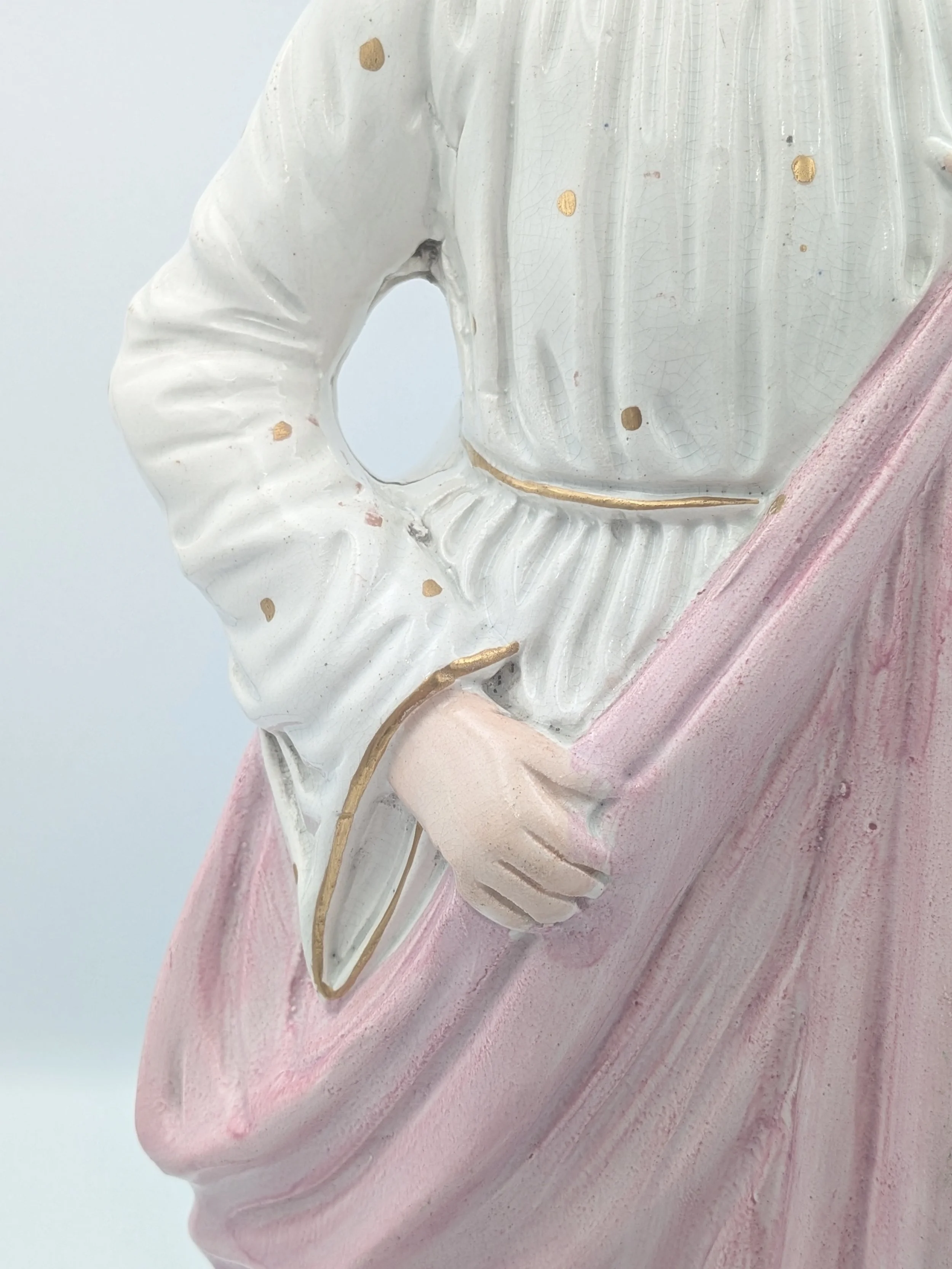 Image 8 of 71
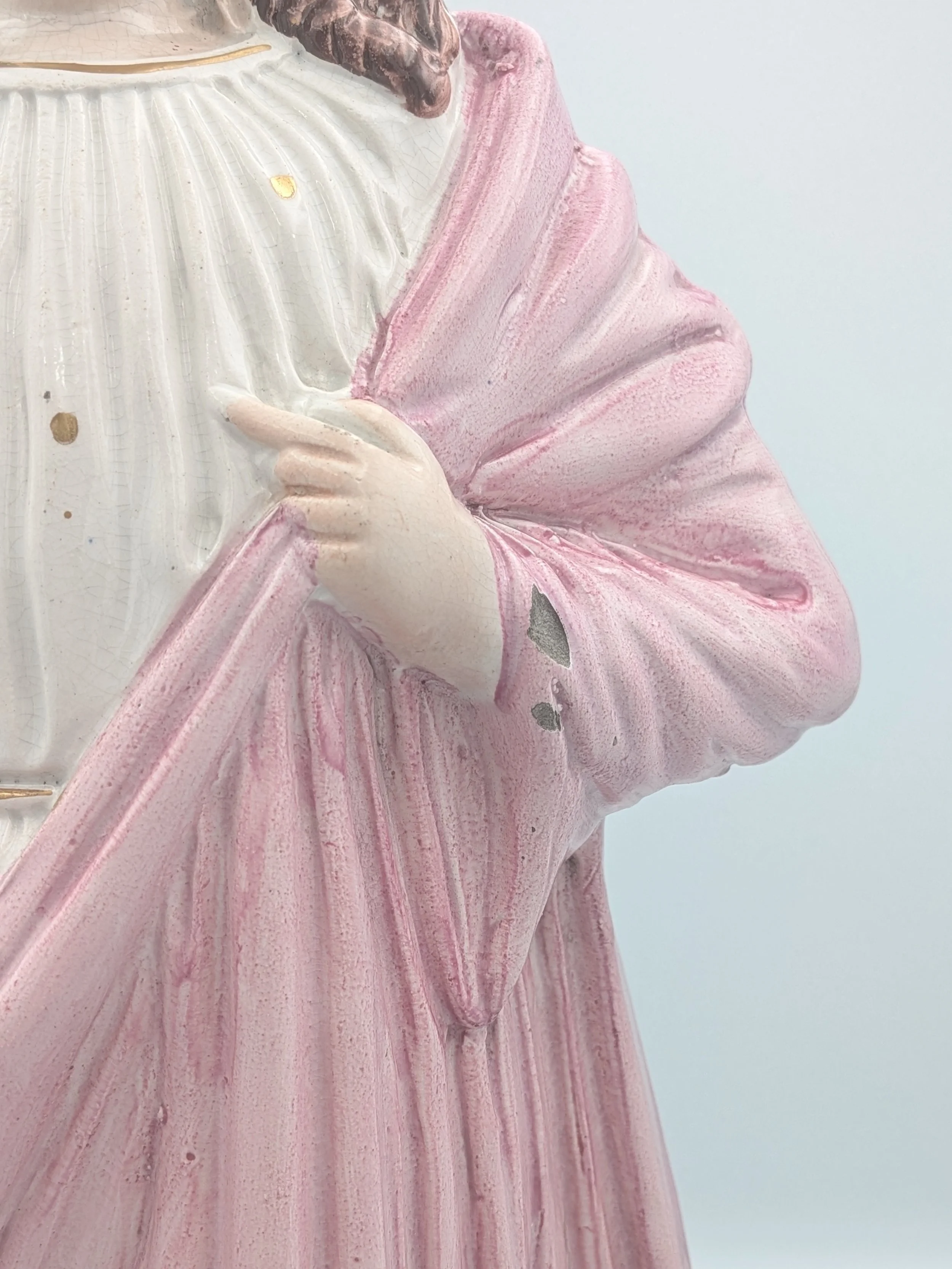 Image 9 of 71
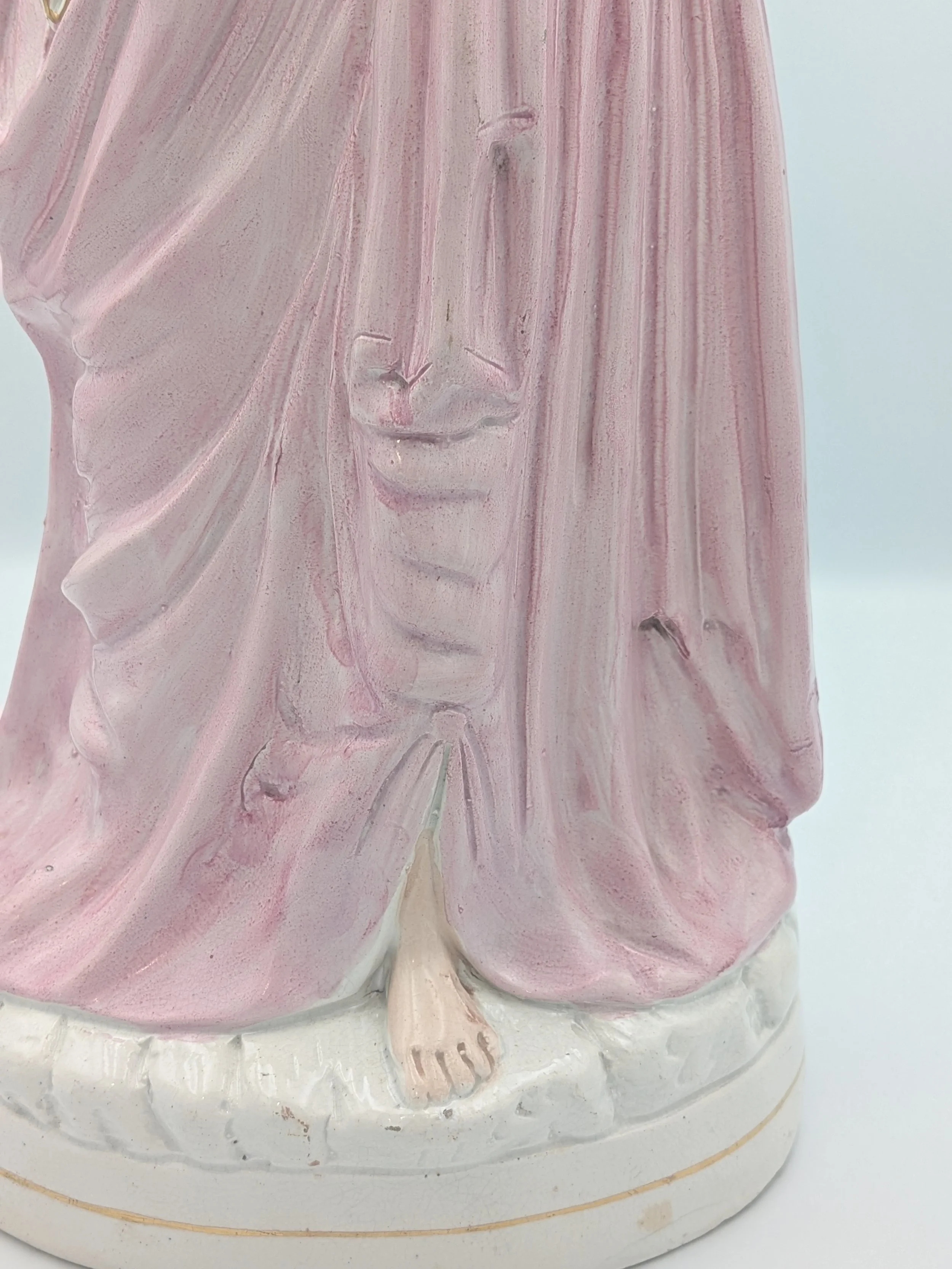 Image 10 of 71
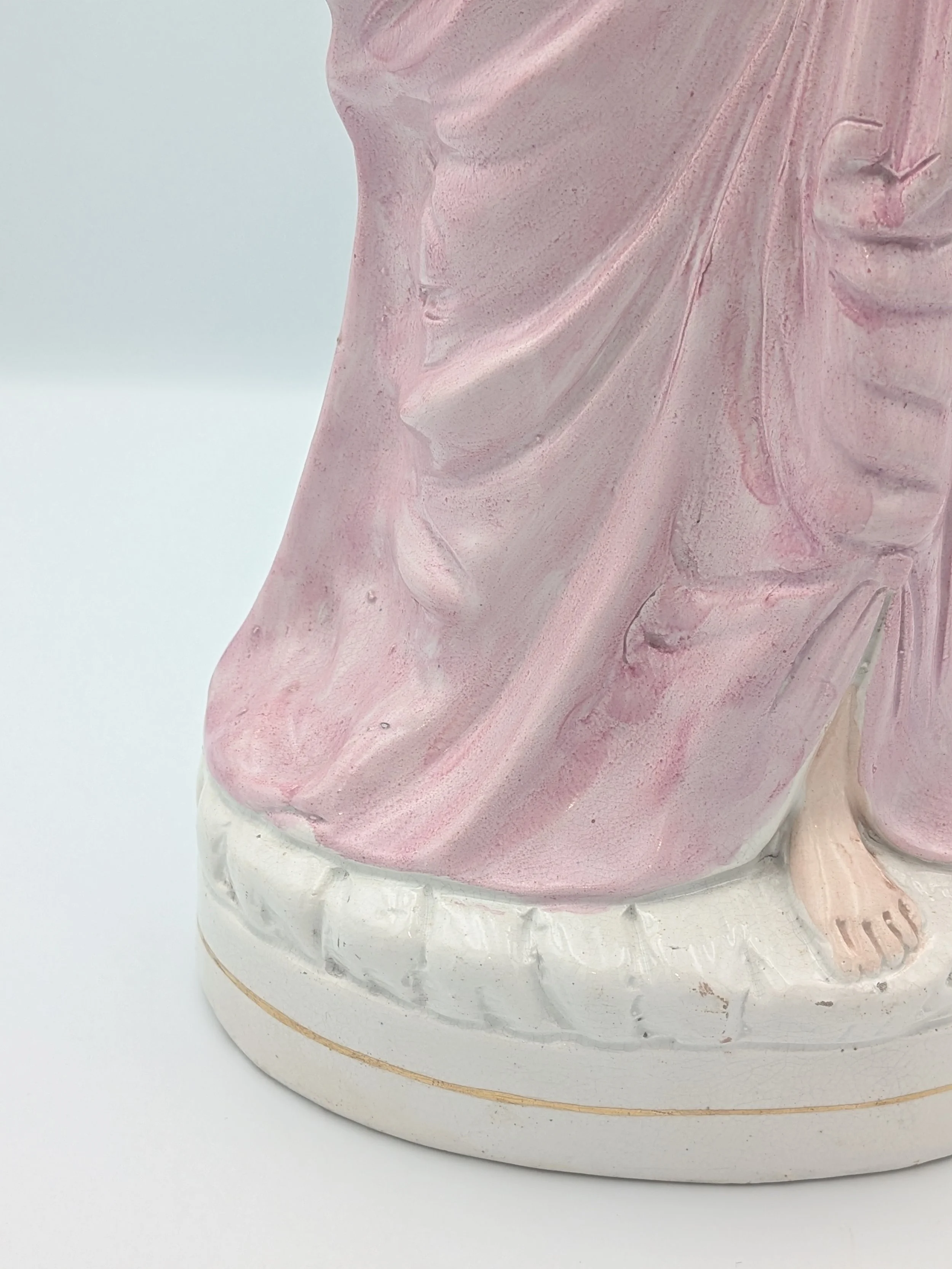 Image 11 of 71
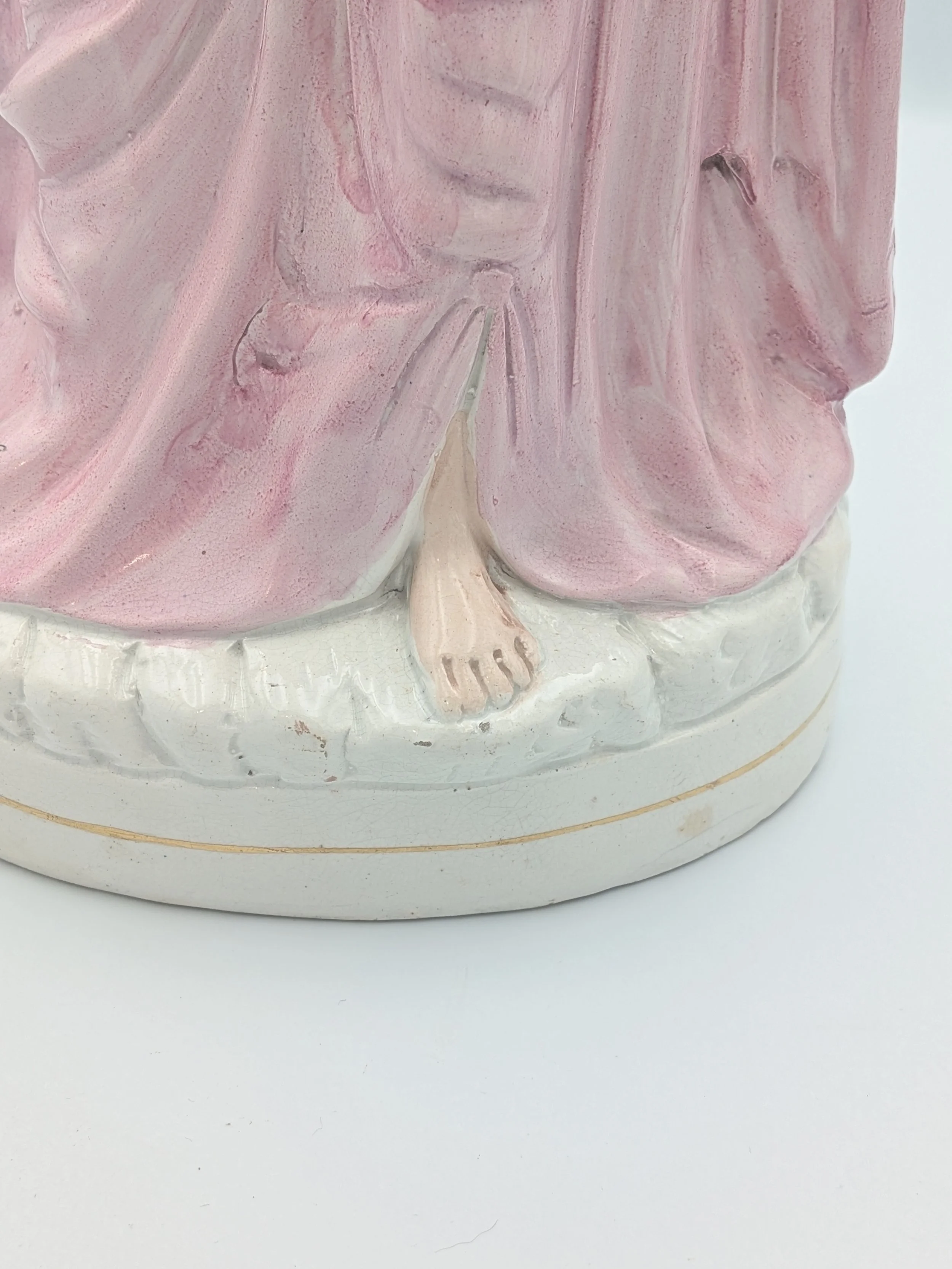 Image 12 of 71
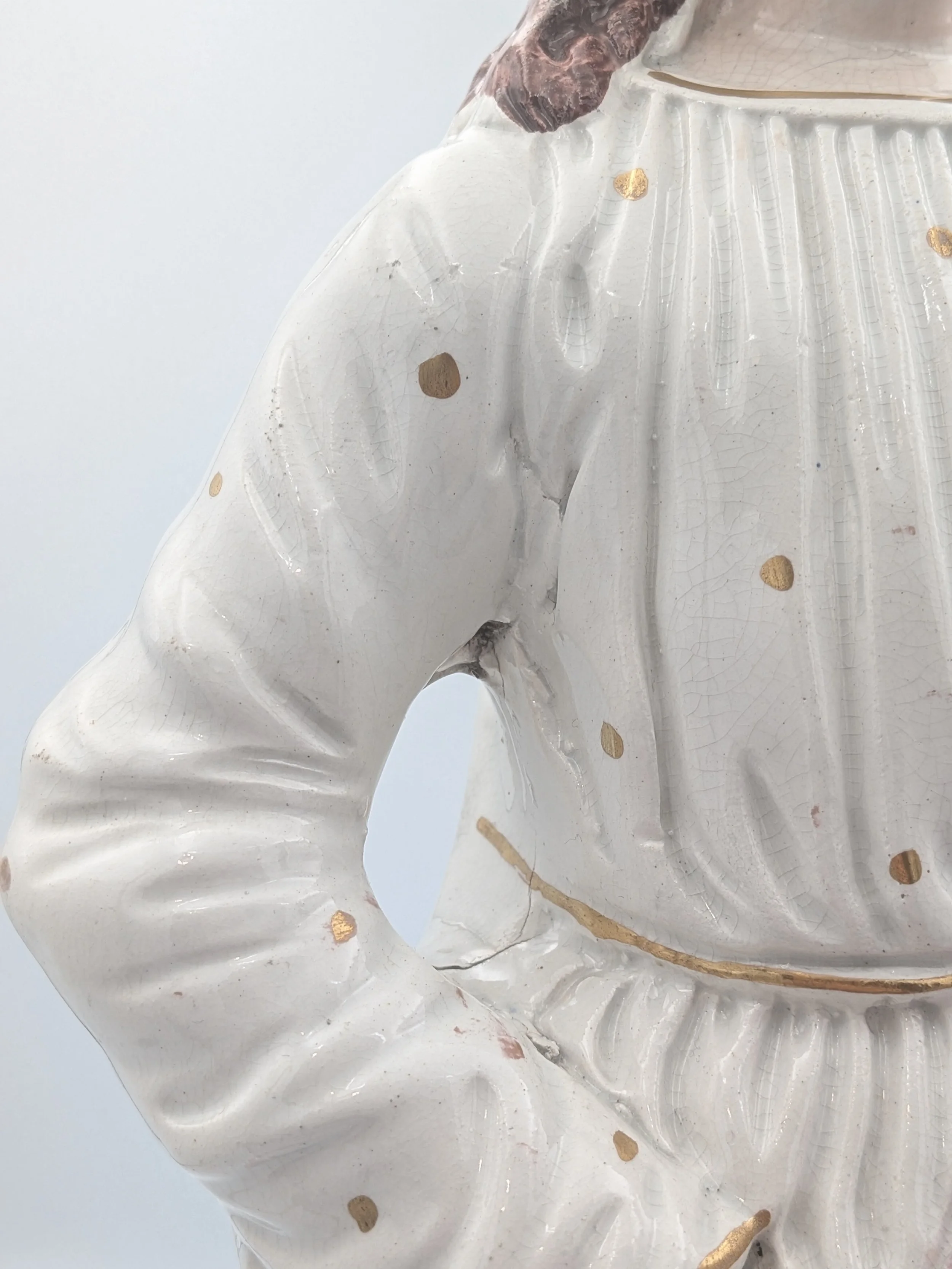 Image 13 of 71
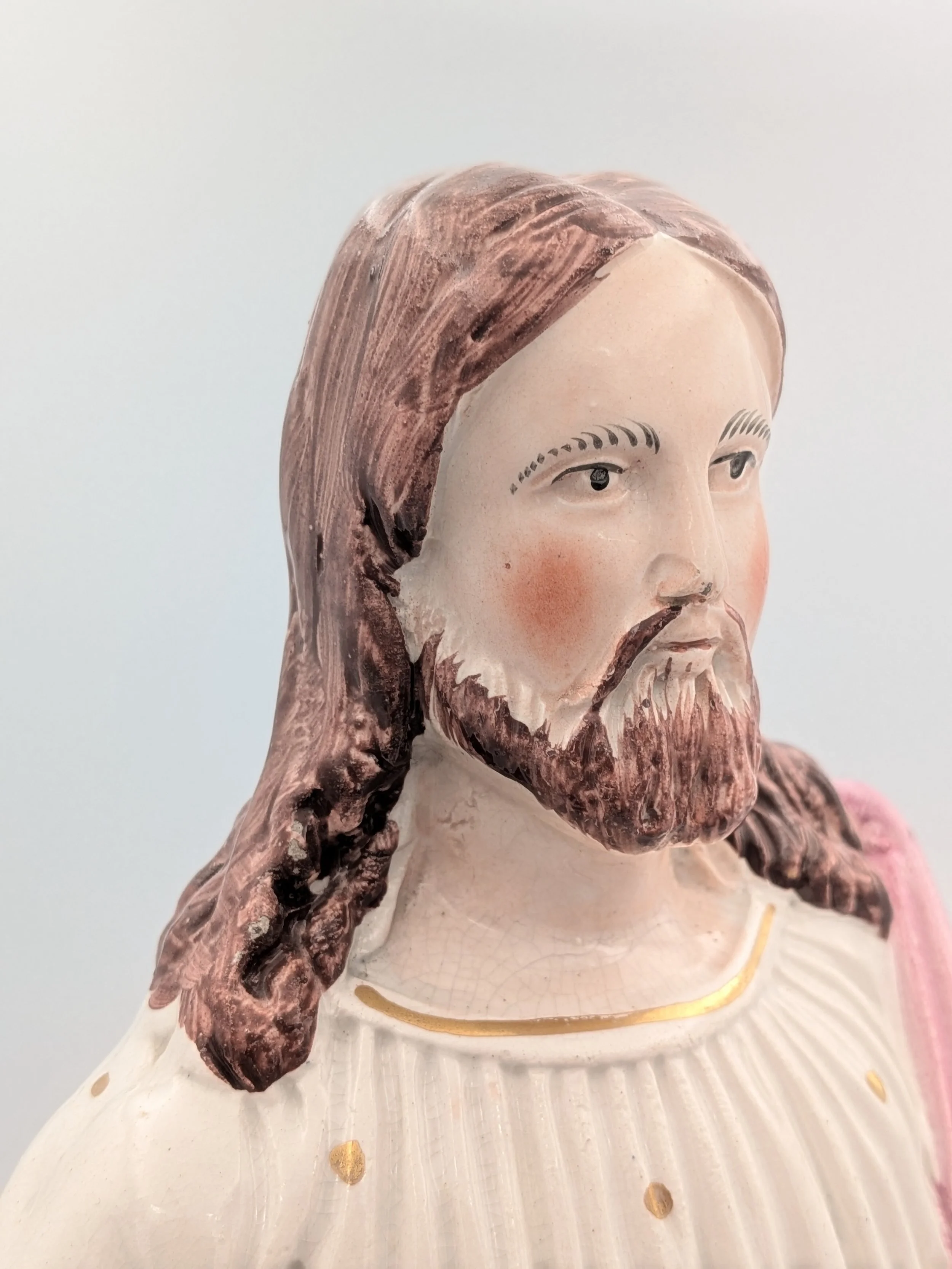 Image 14 of 71
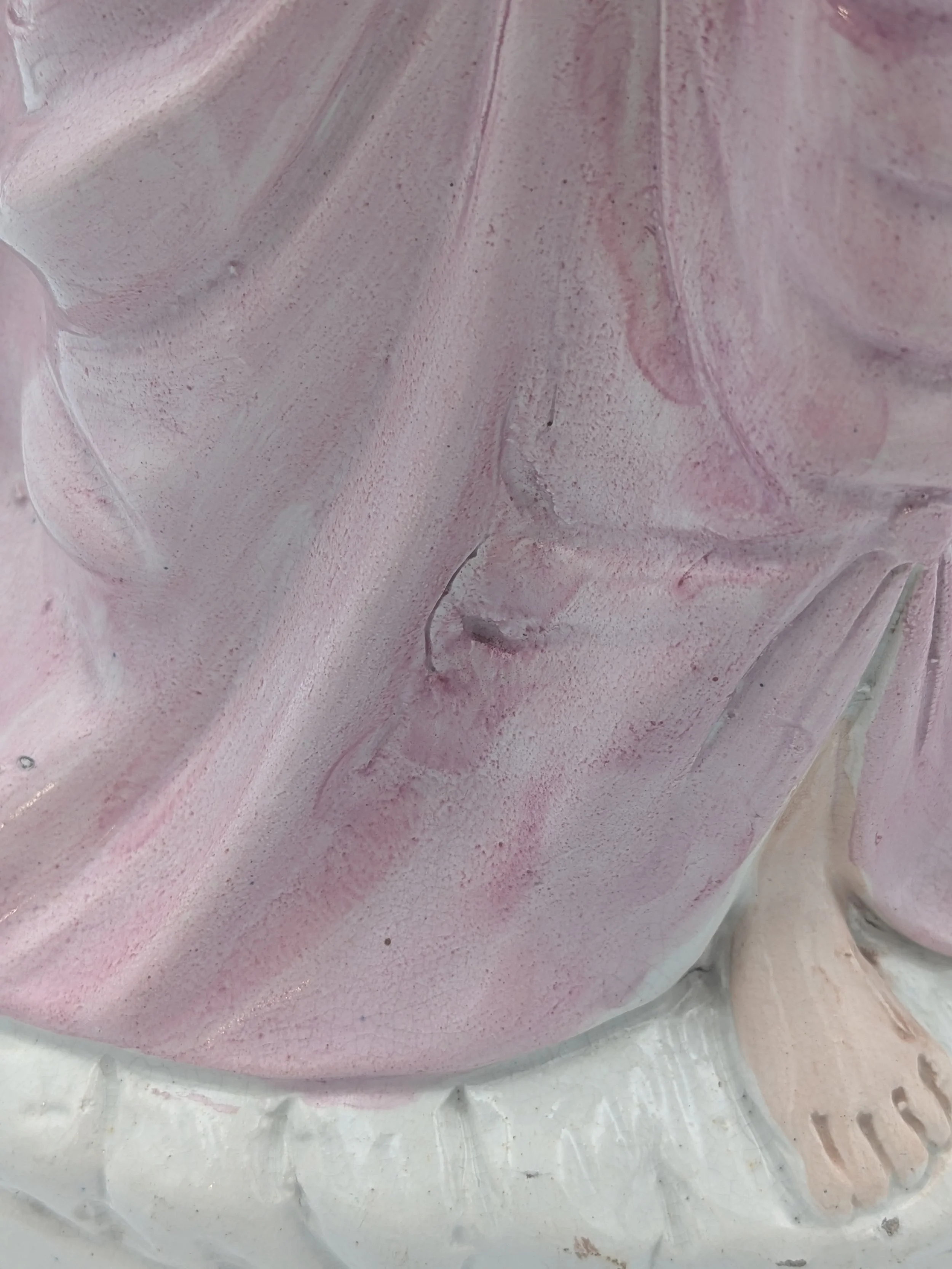 Image 15 of 71
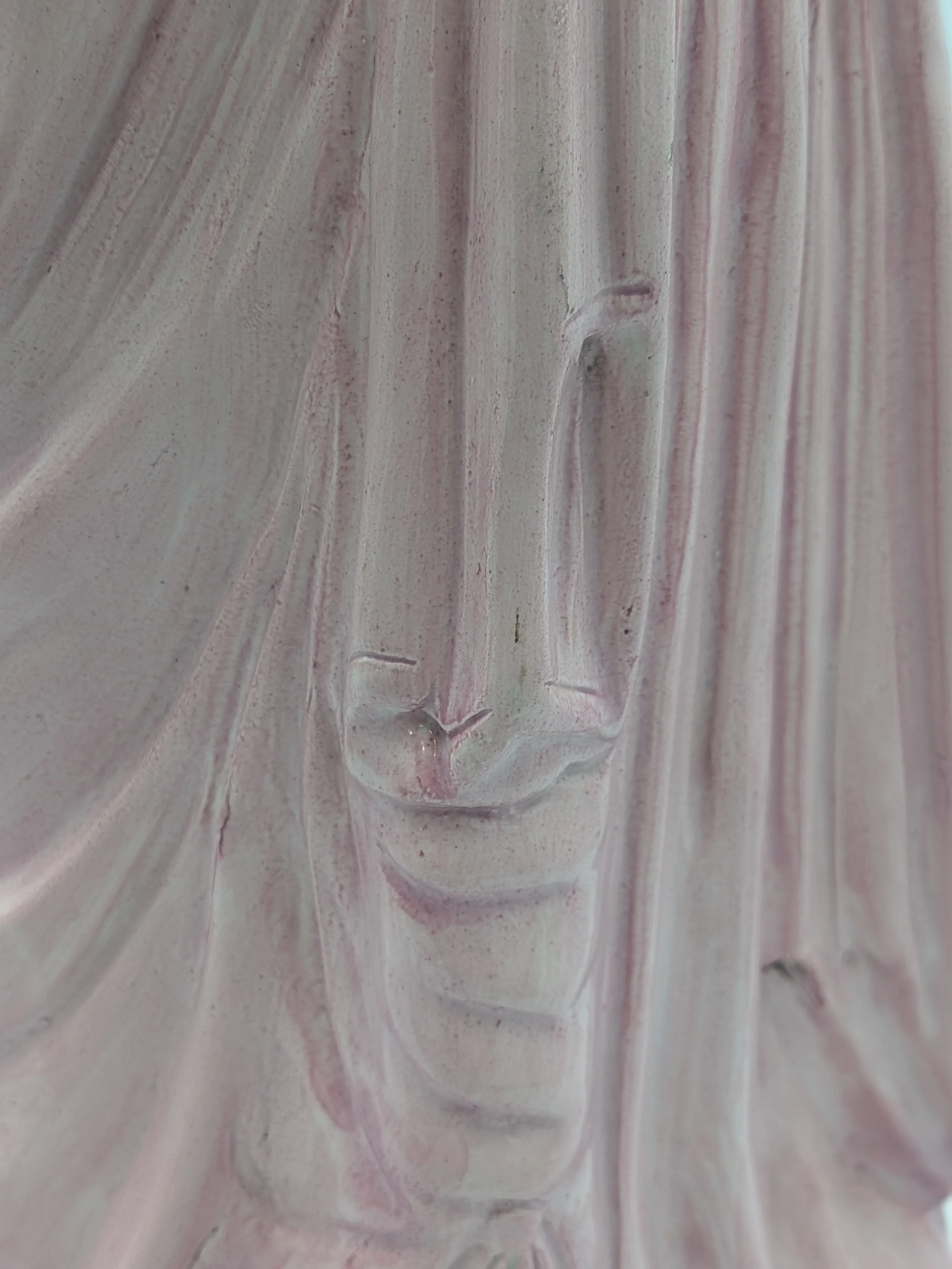 Image 16 of 71
 Image 17 of 71
 Image 18 of 71
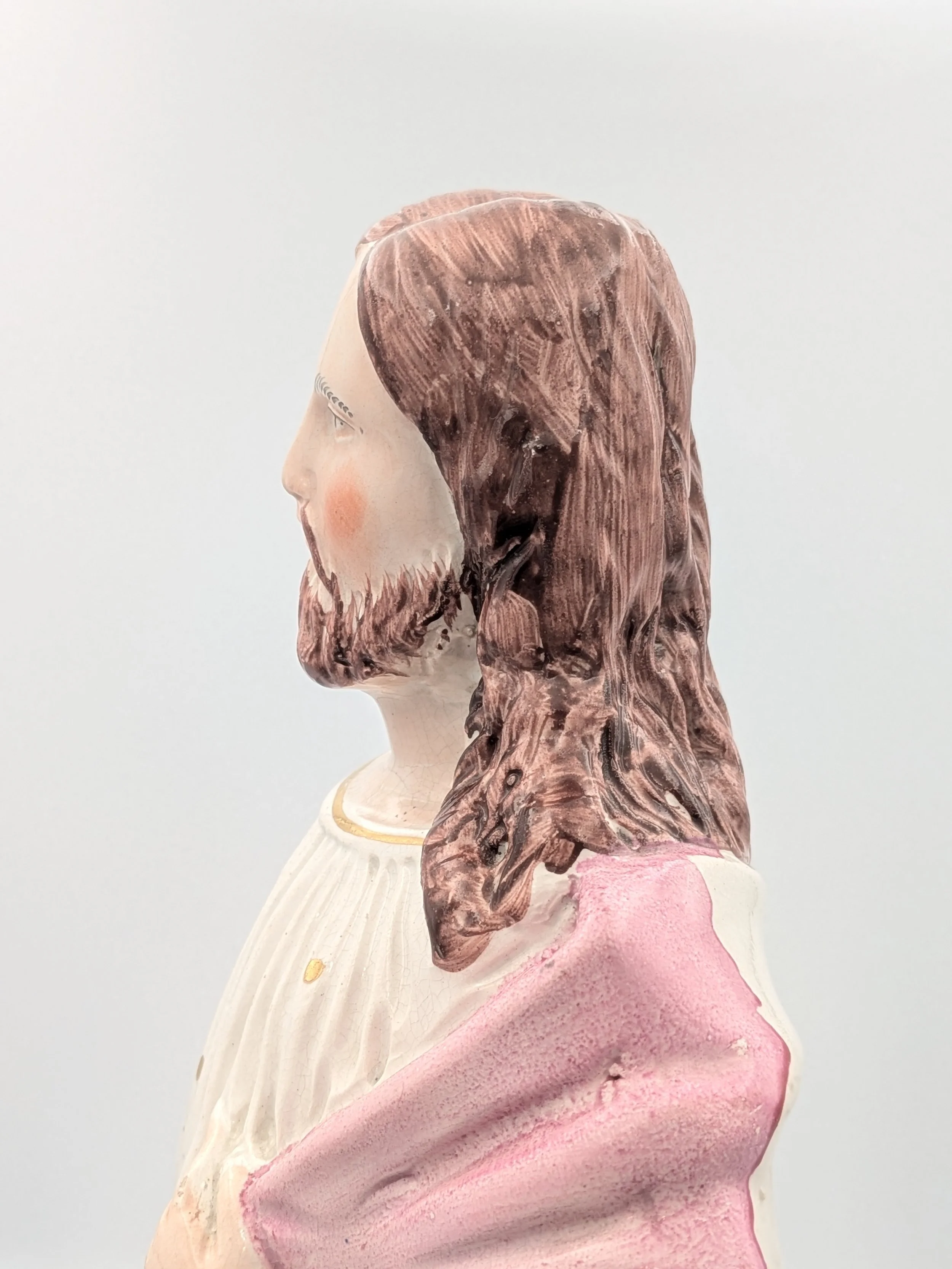 Image 19 of 71
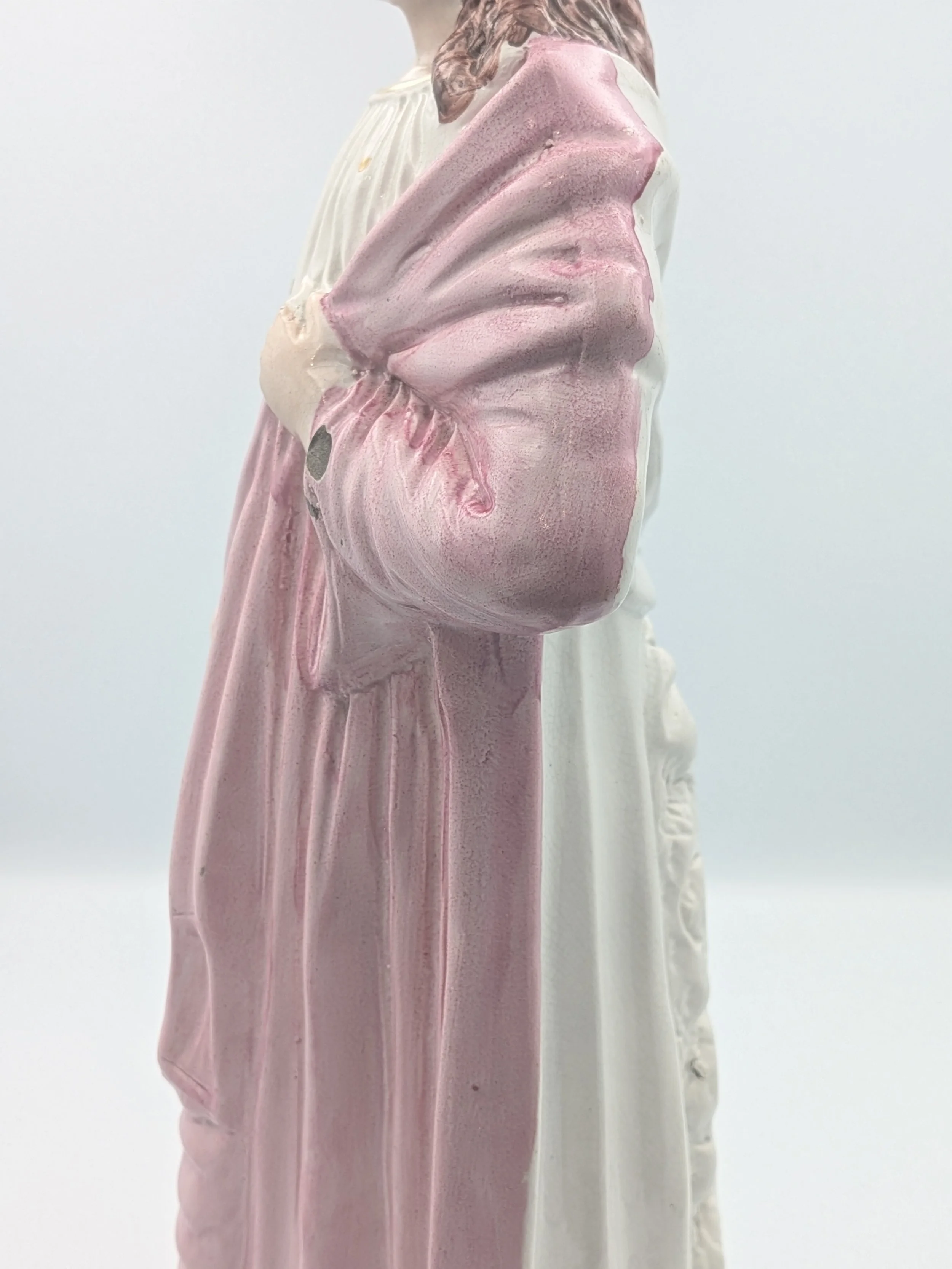 Image 20 of 71
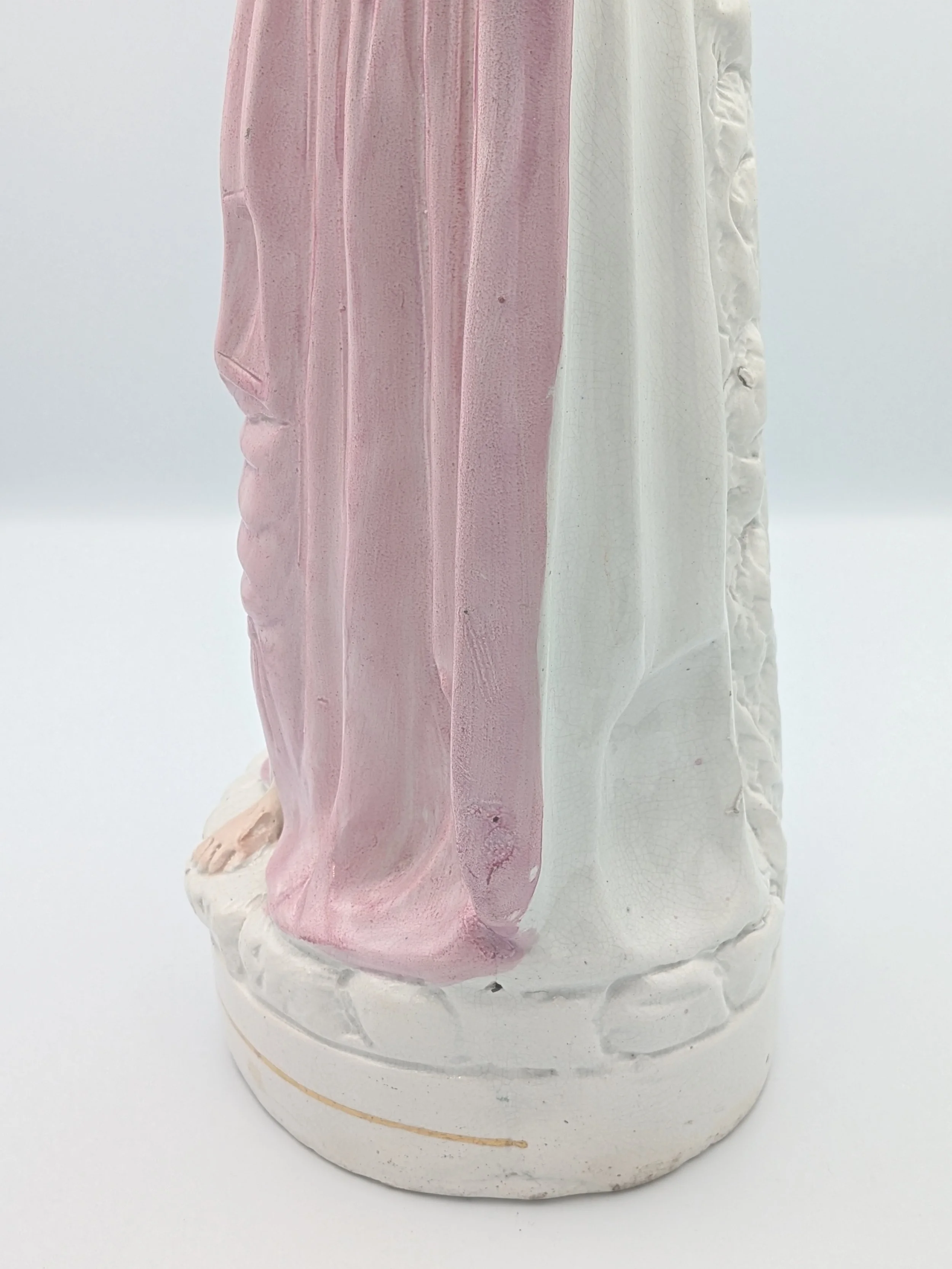 Image 21 of 71
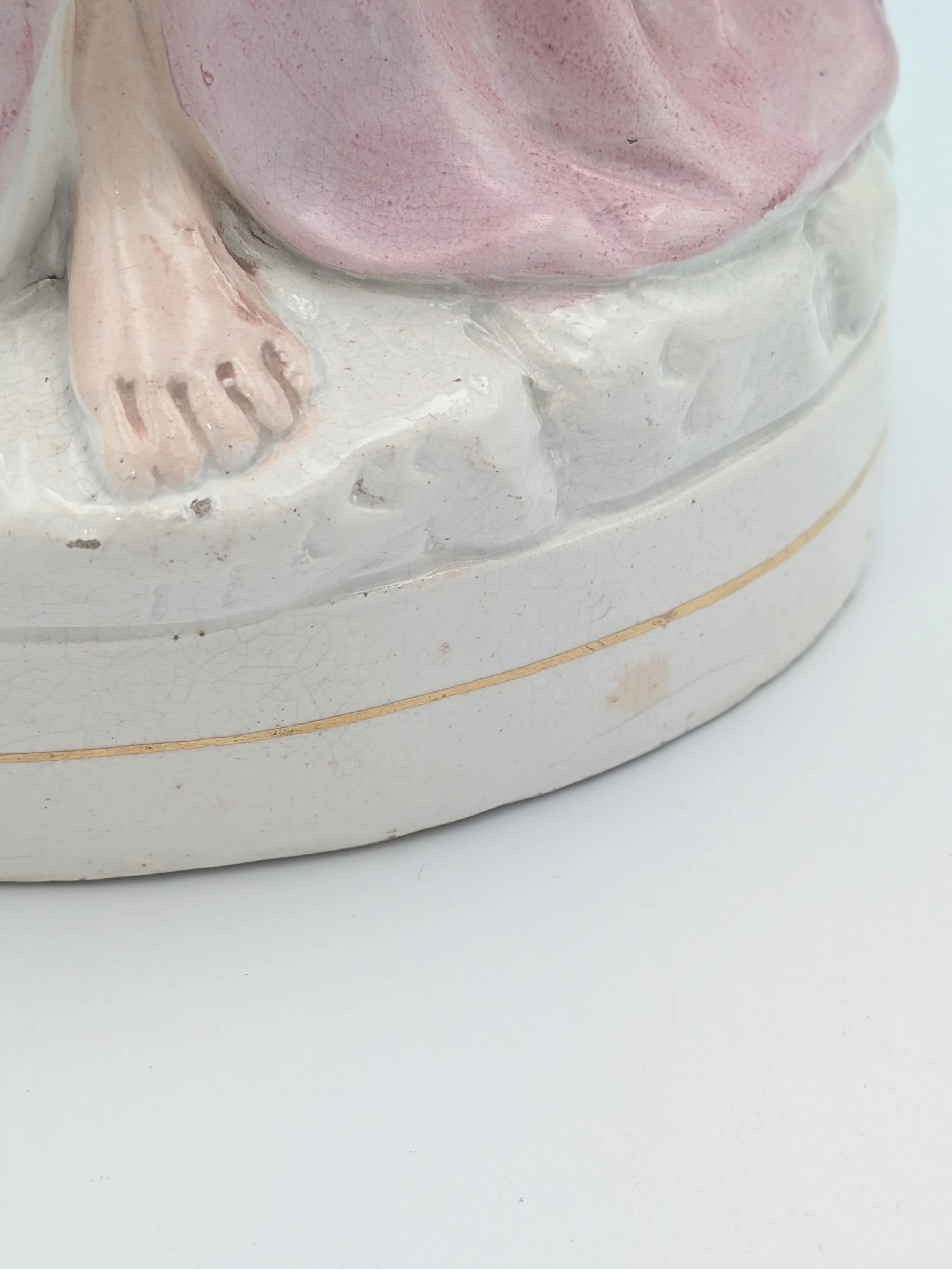 Image 22 of 71
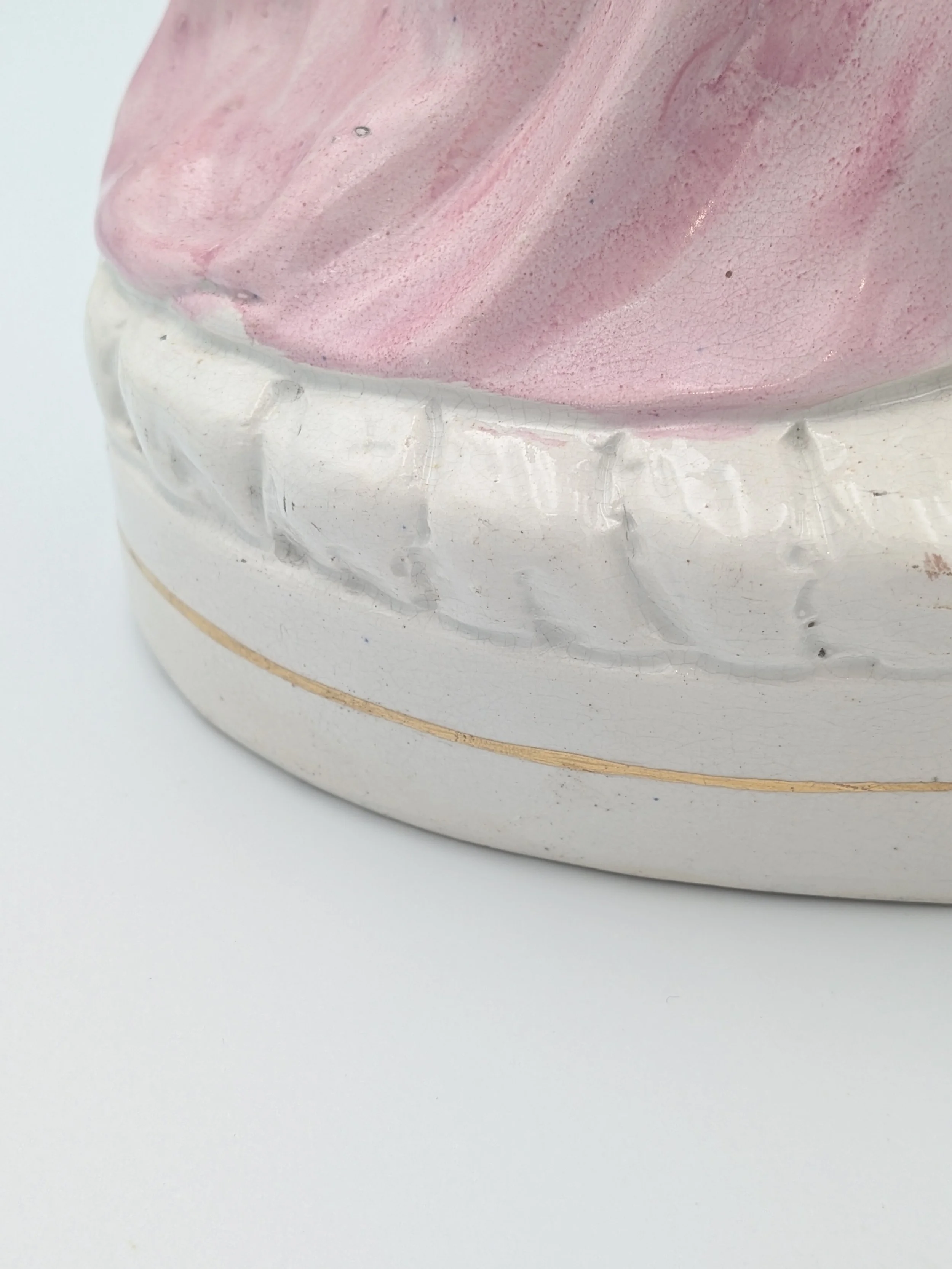 Image 23 of 71
 Image 24 of 71
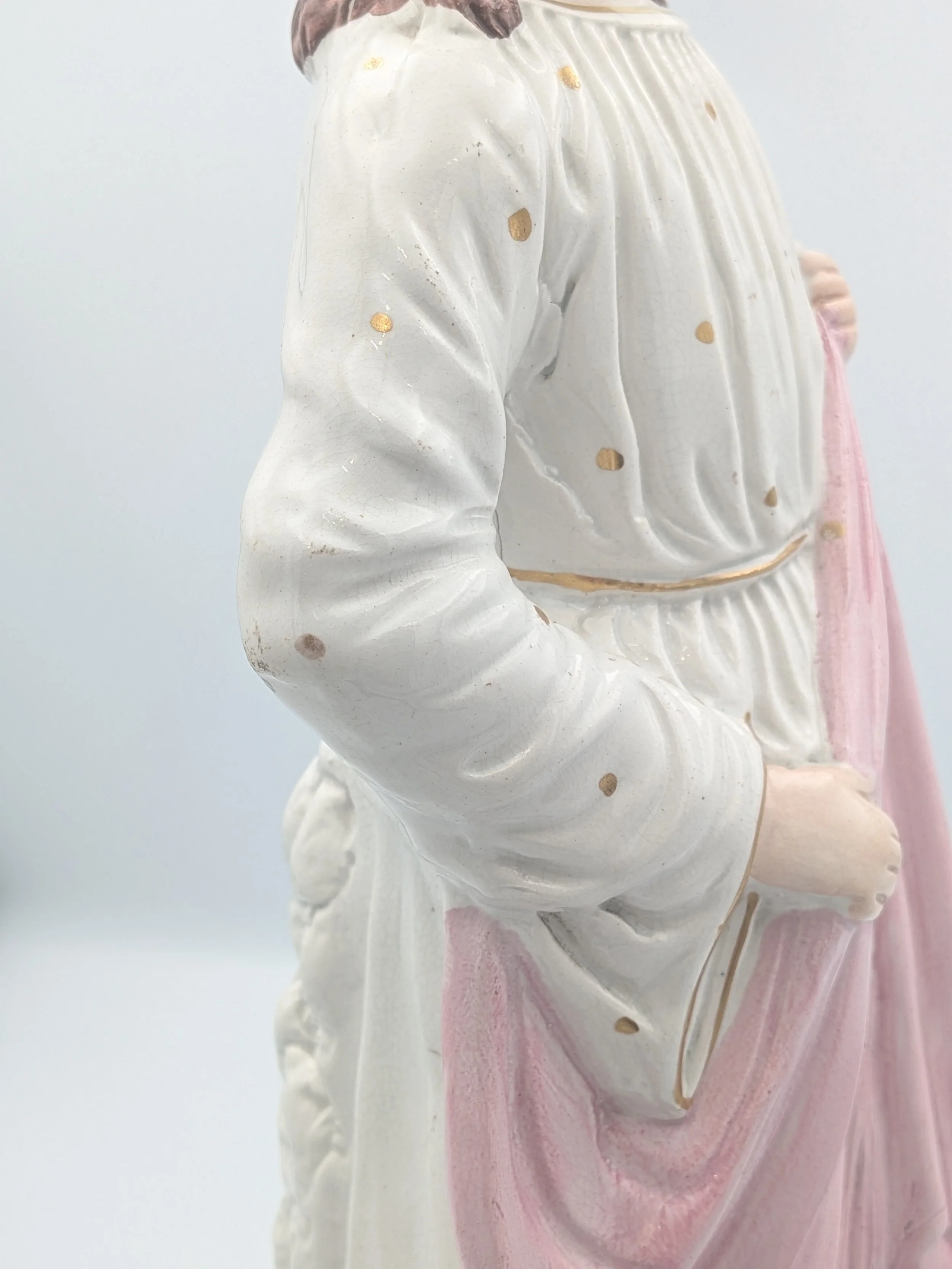 Image 25 of 71
 Image 26 of 71
 Image 27 of 71
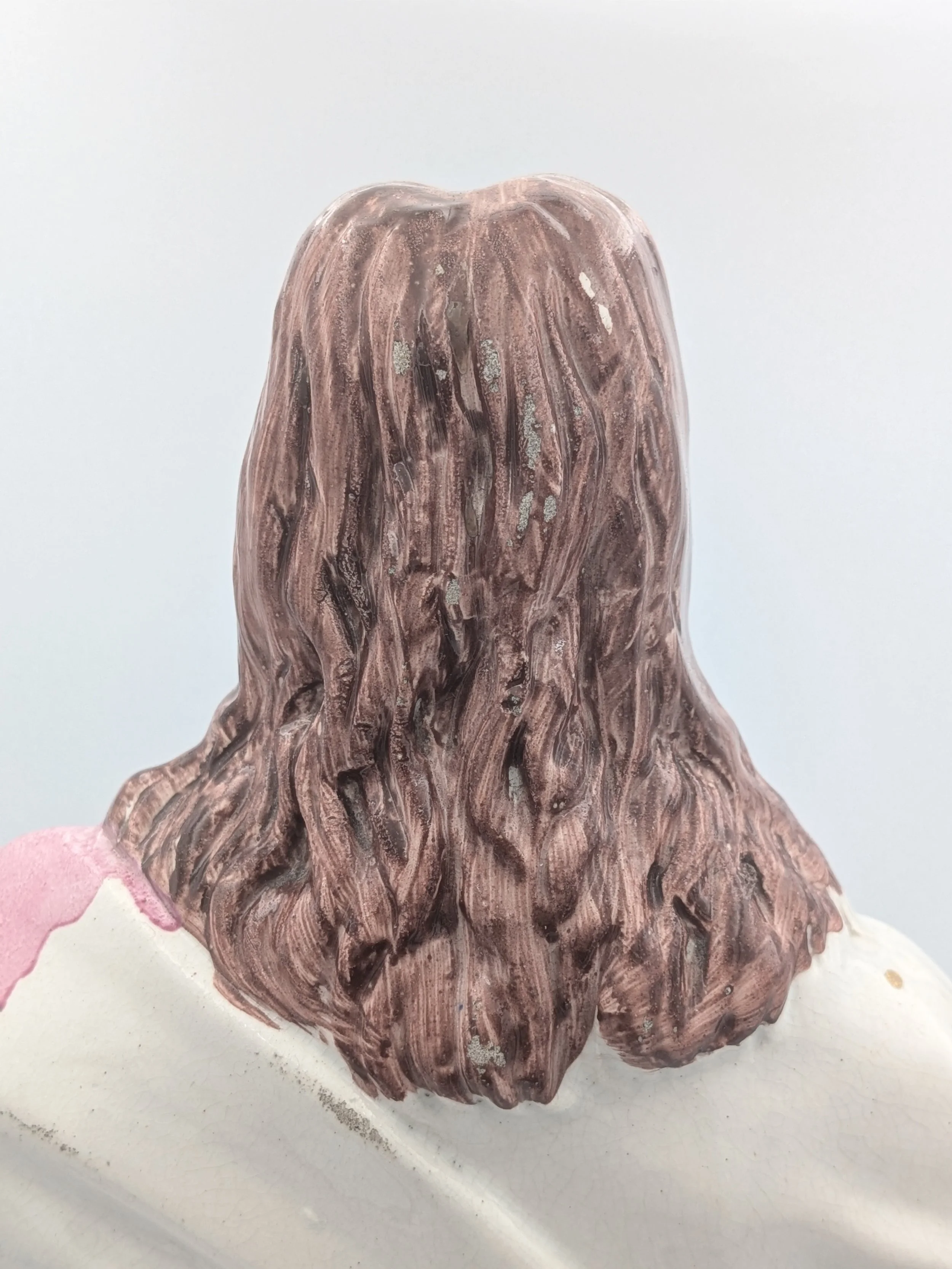 Image 28 of 71
 Image 29 of 71
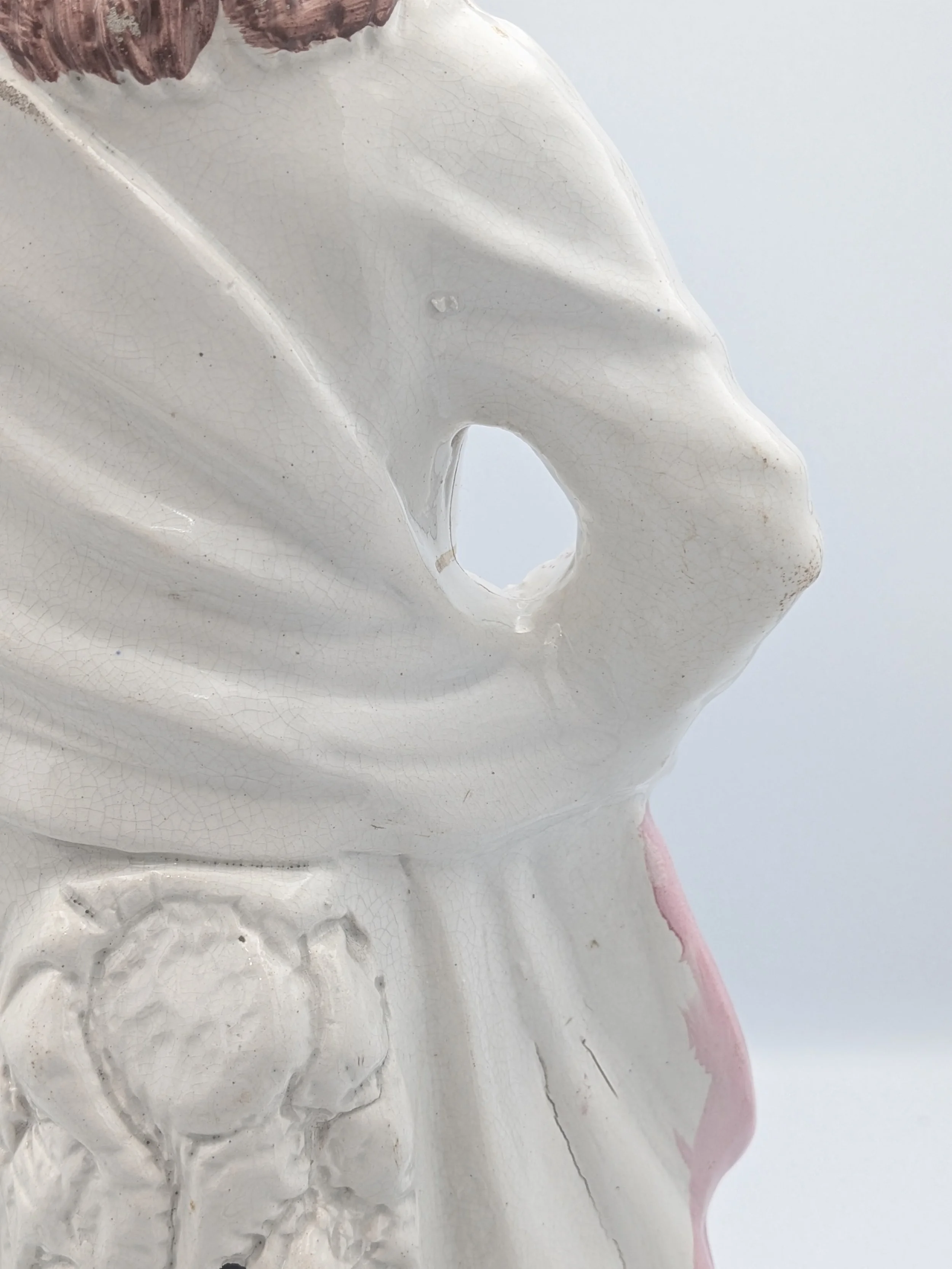 Image 30 of 71
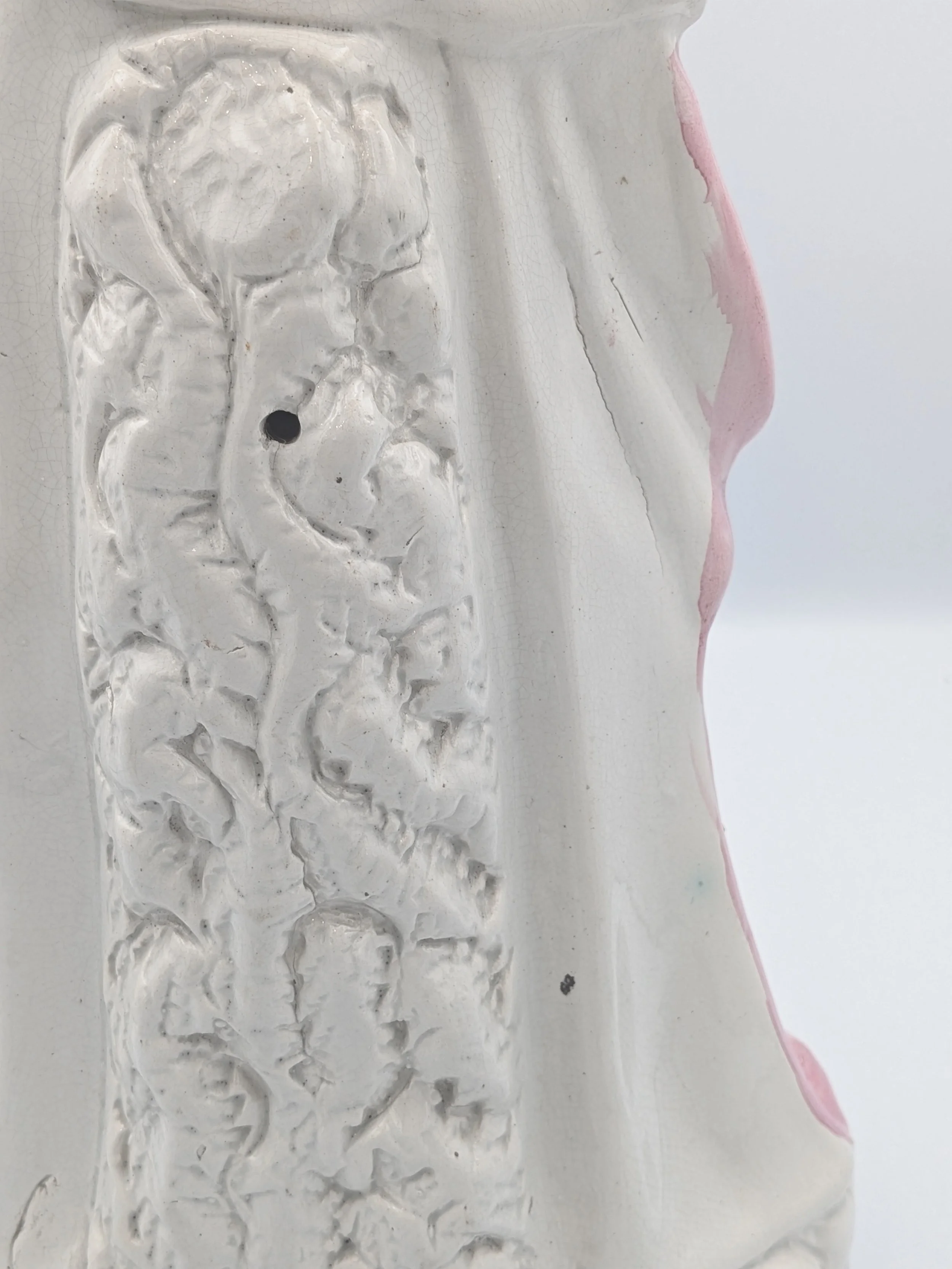 Image 31 of 71
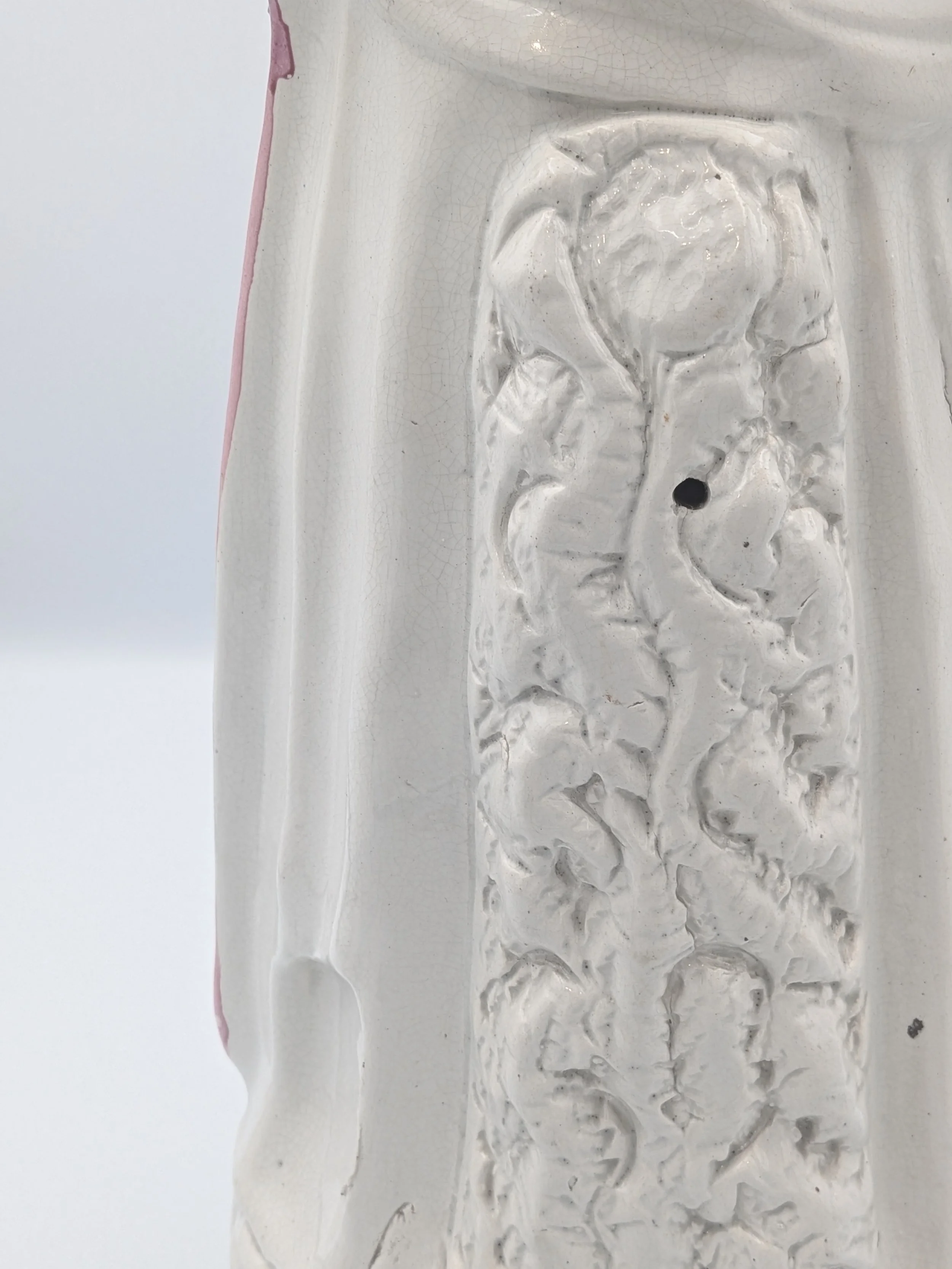 Image 32 of 71
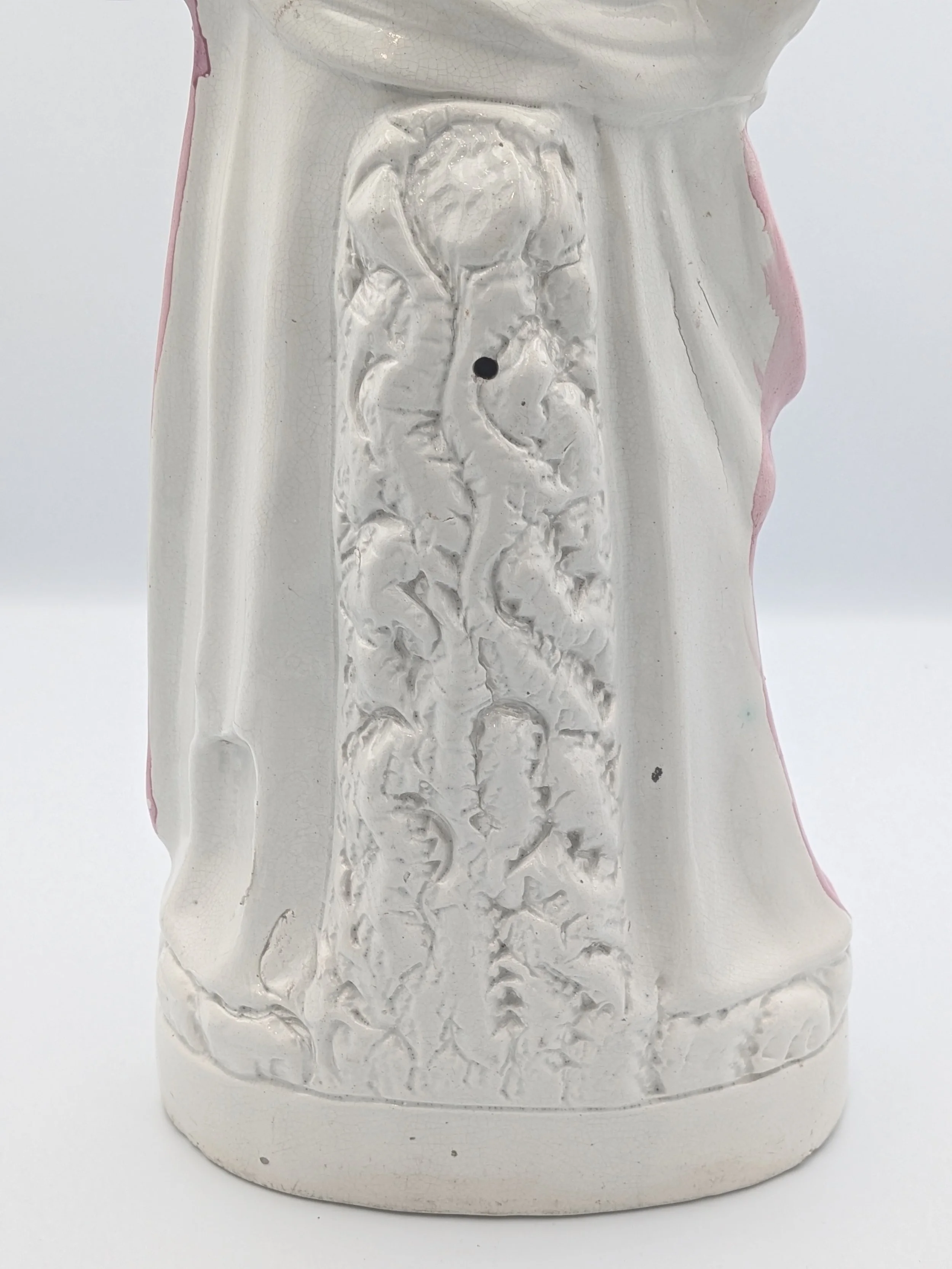 Image 33 of 71
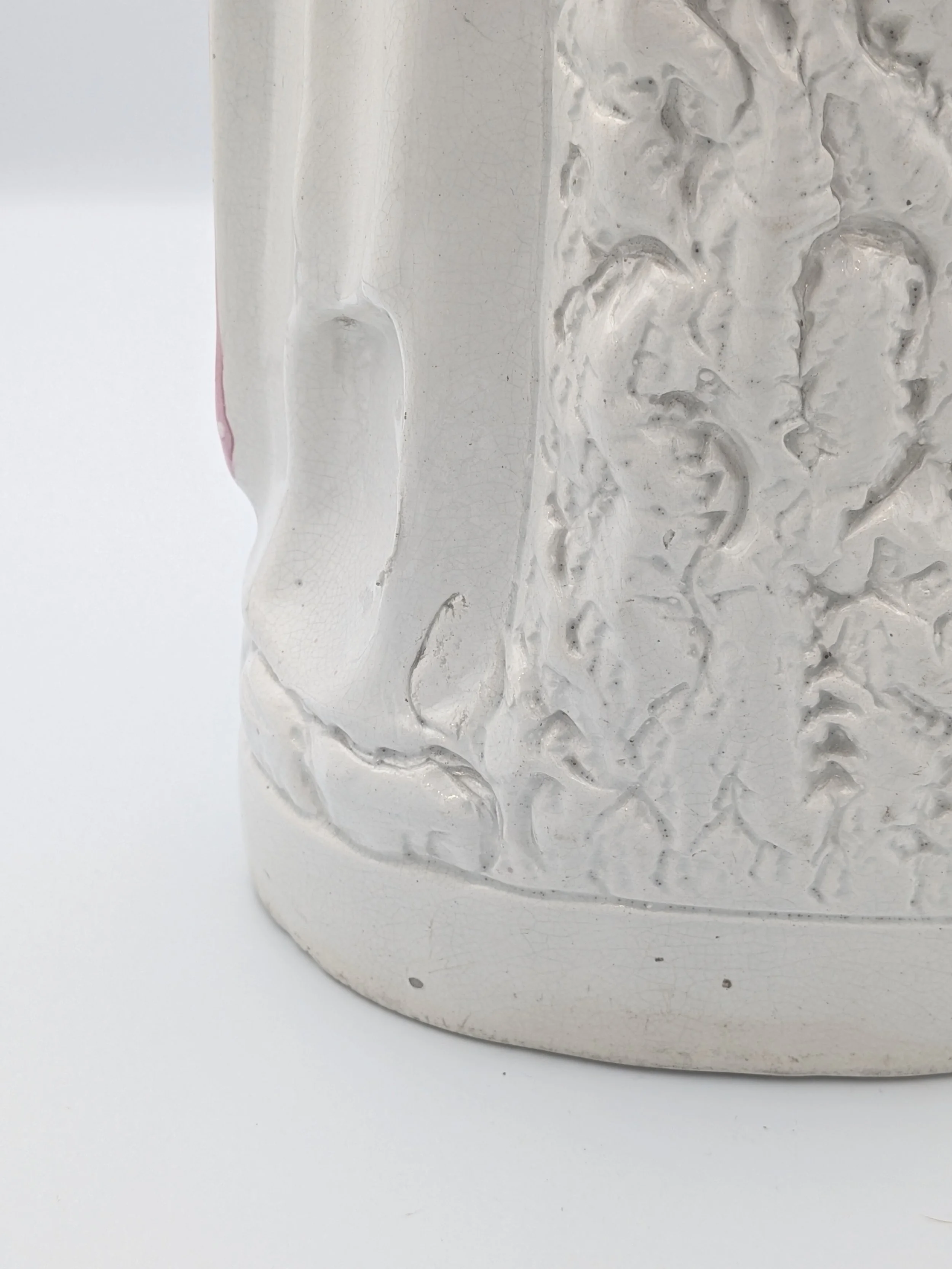 Image 34 of 71
 Image 35 of 71
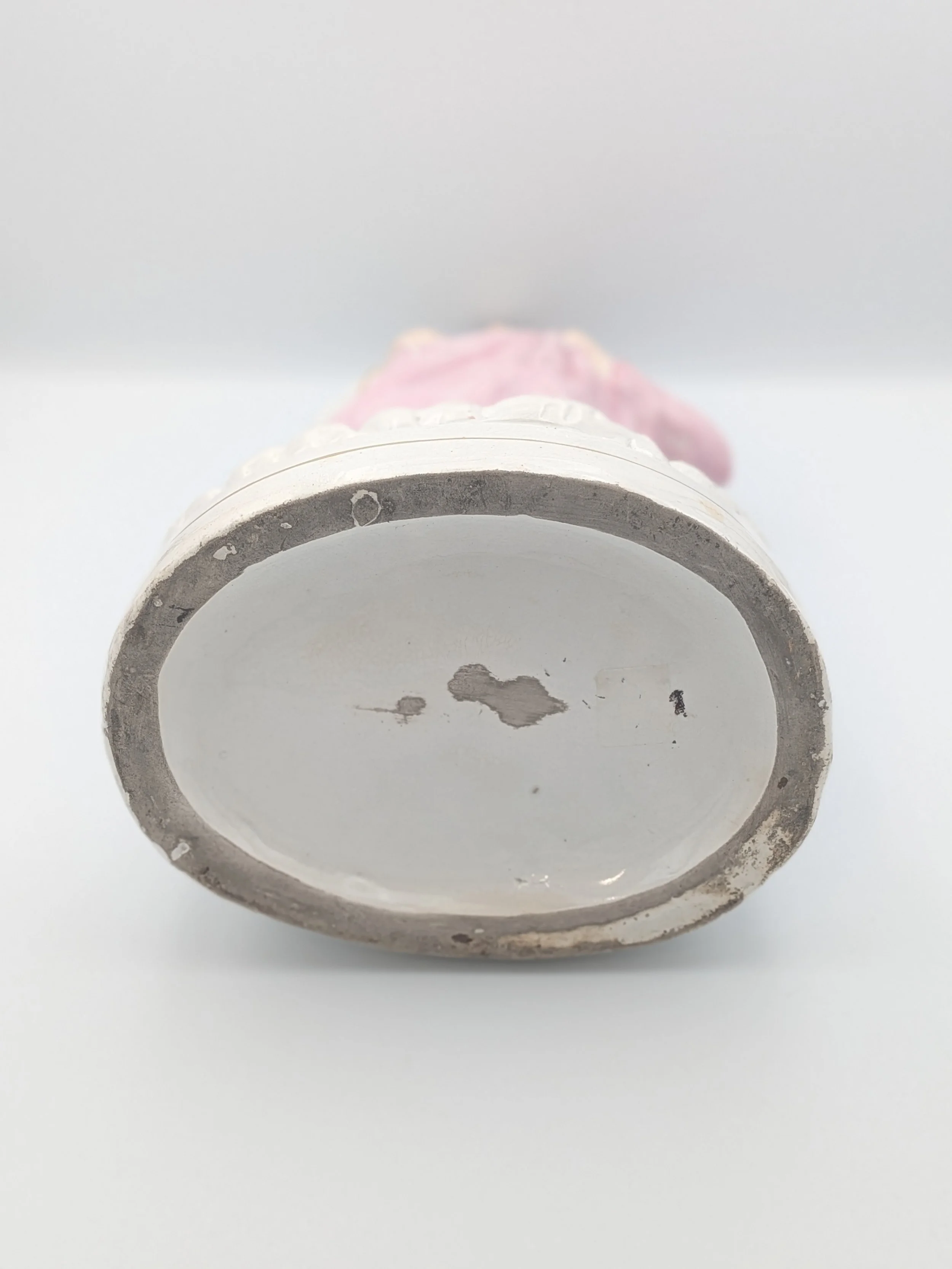 Image 36 of 71
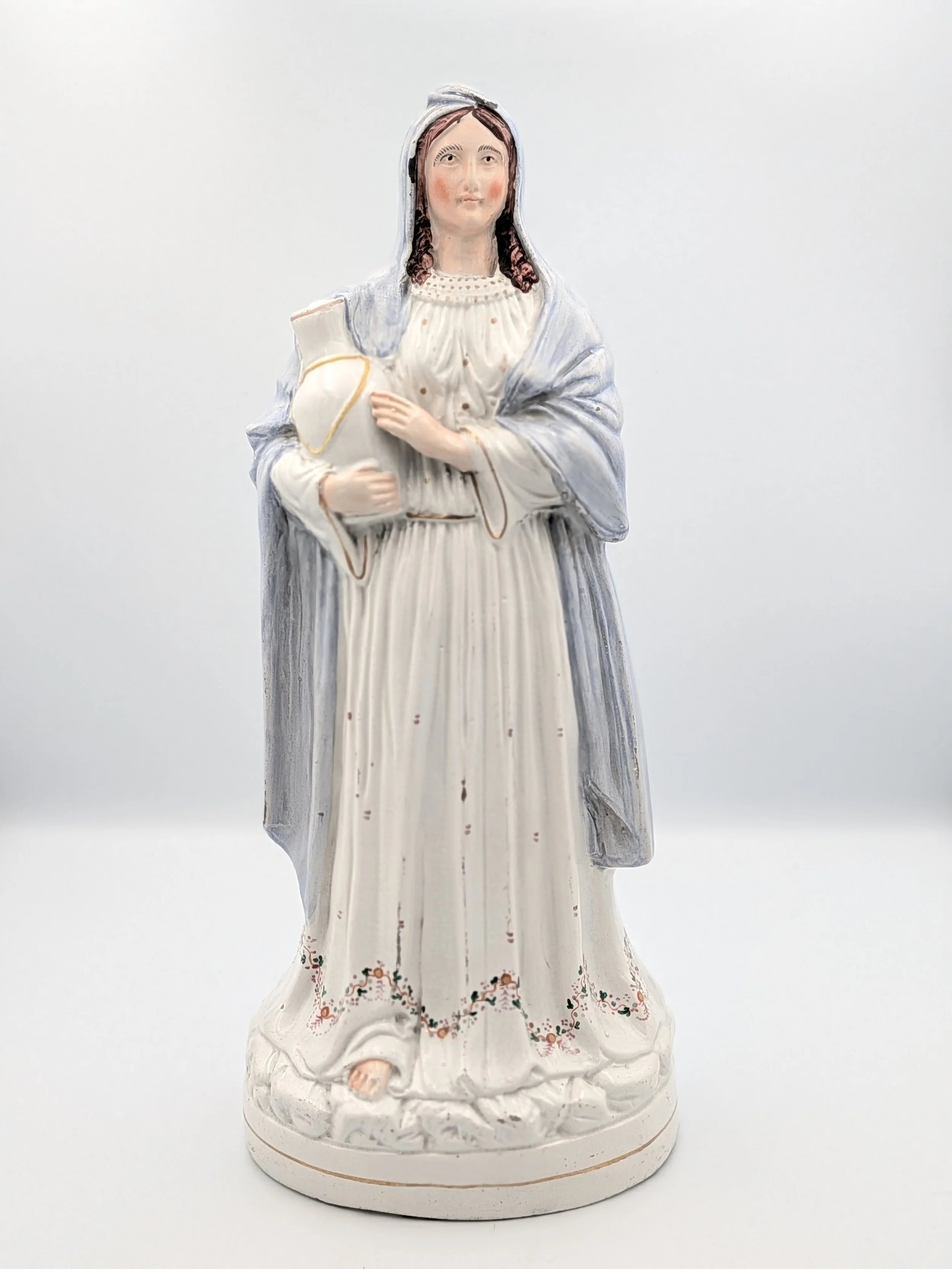 Image 37 of 71
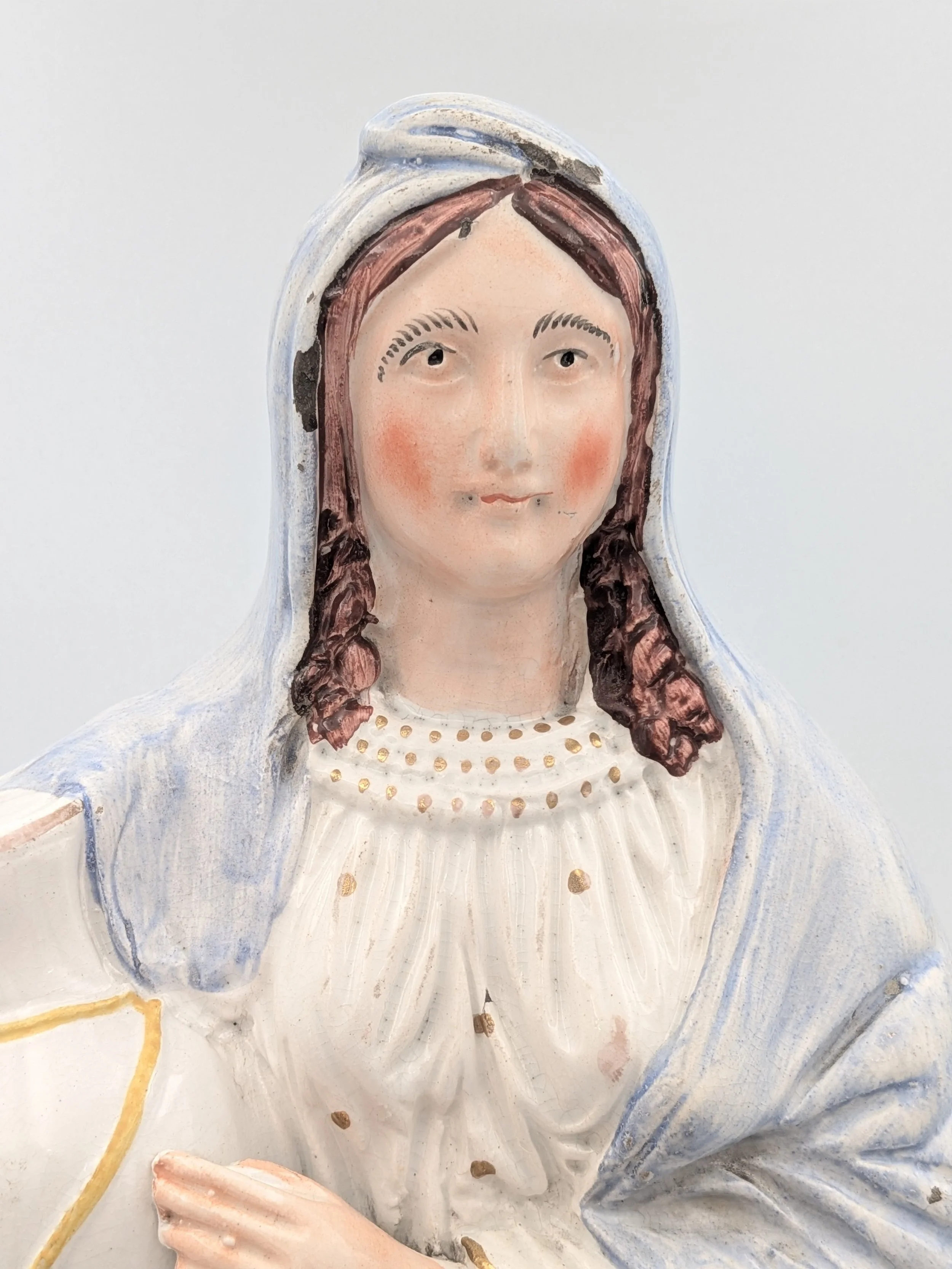 Image 38 of 71
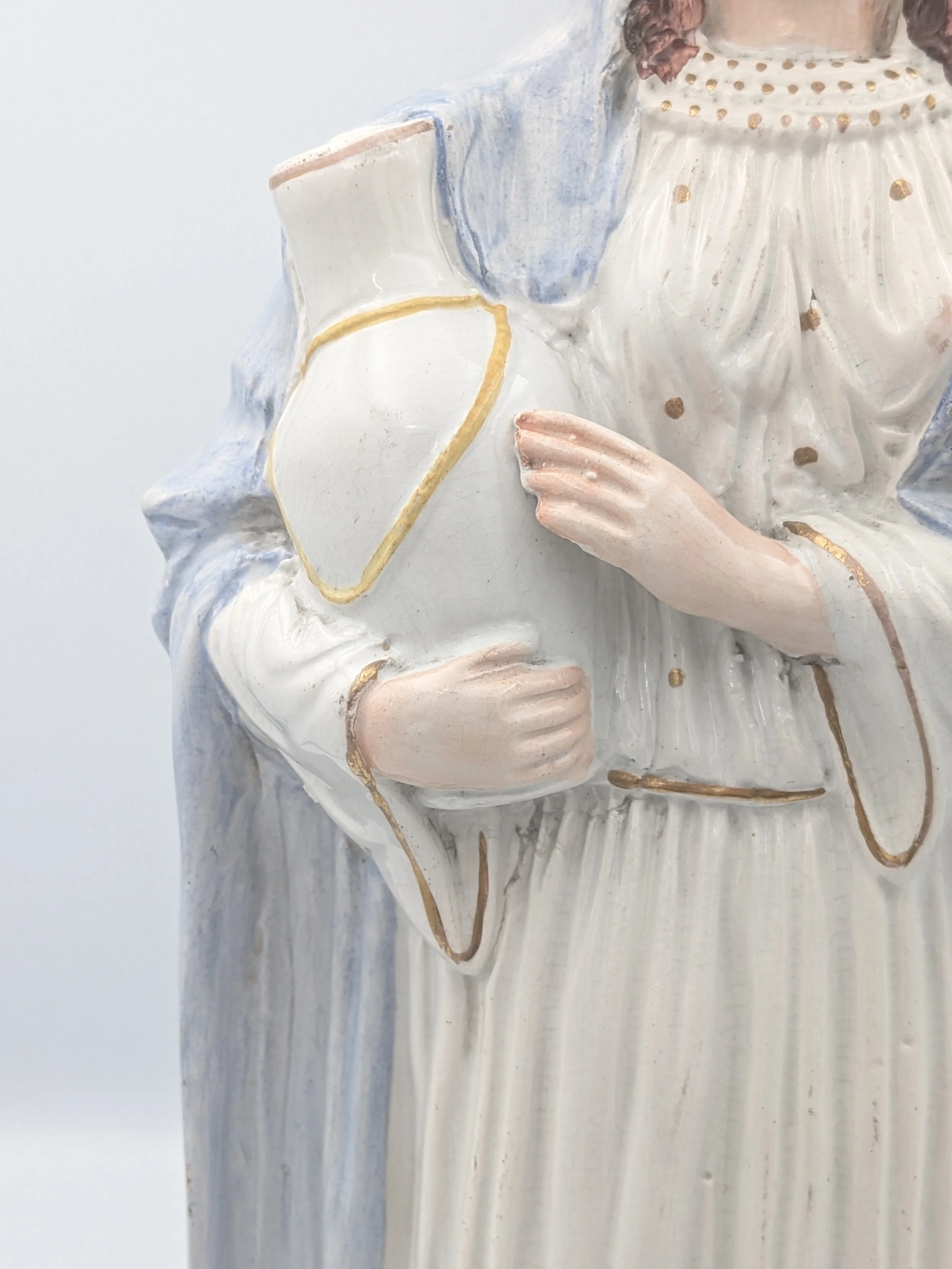 Image 39 of 71
 Image 40 of 71
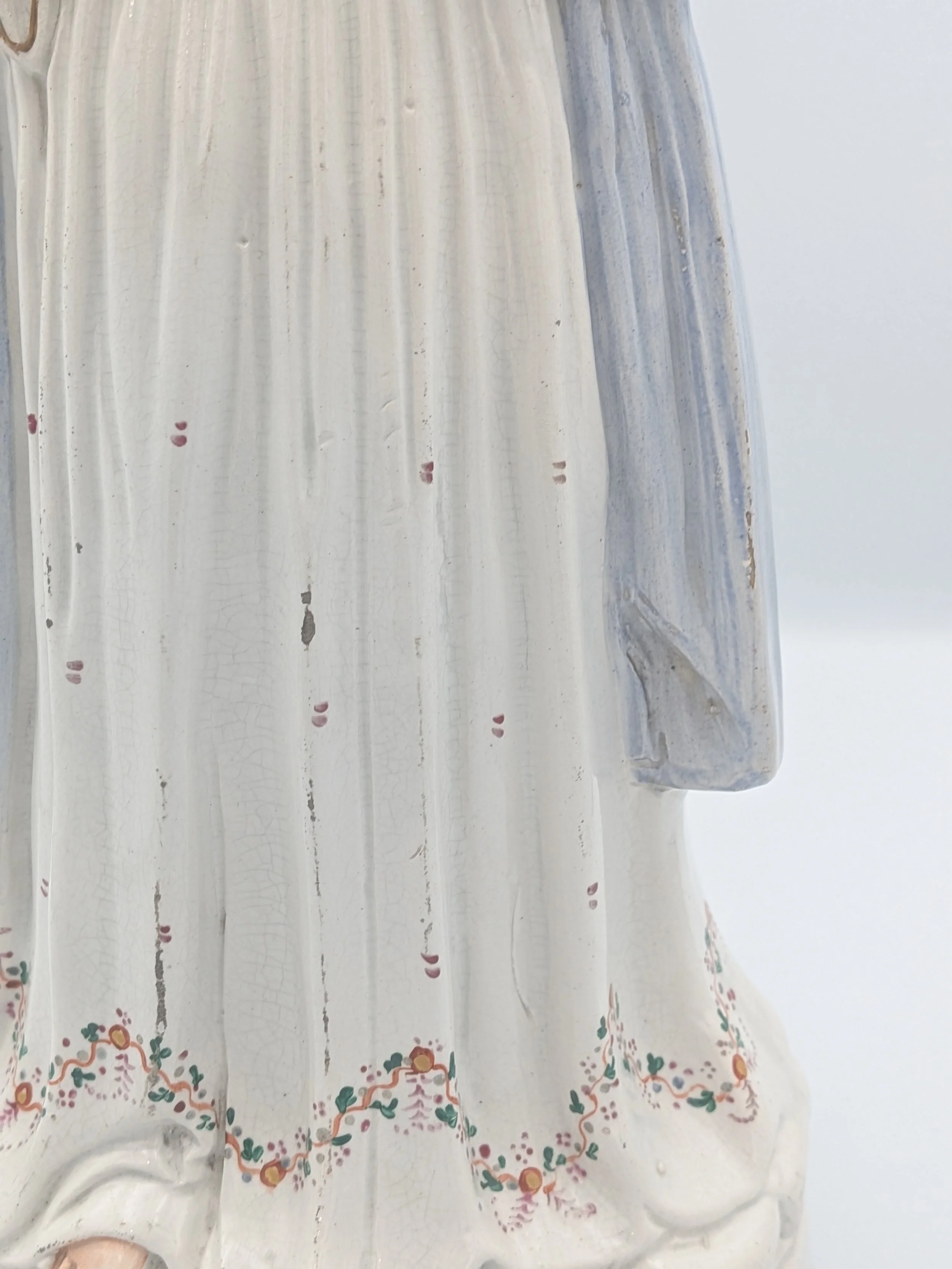 Image 41 of 71
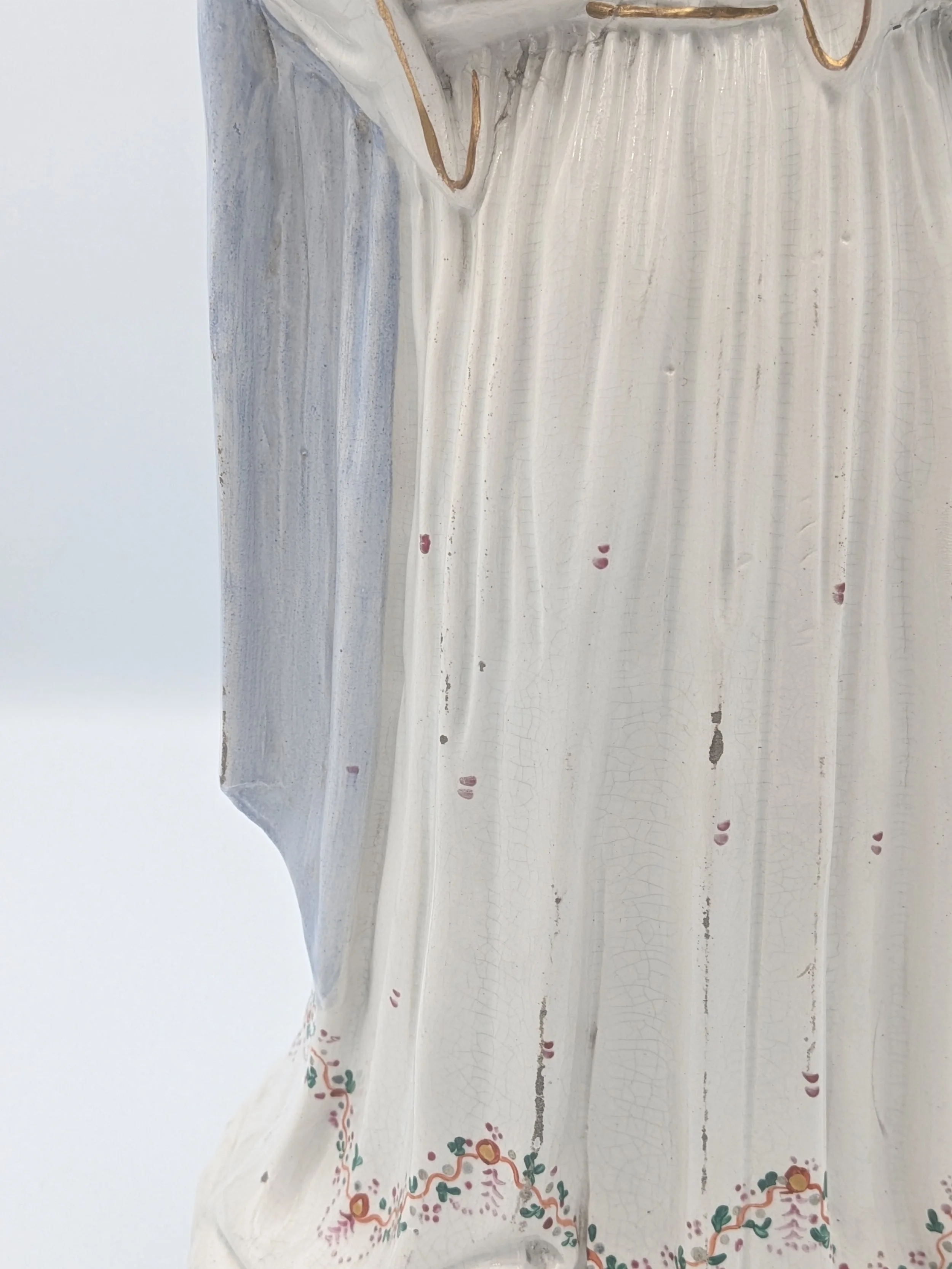 Image 42 of 71
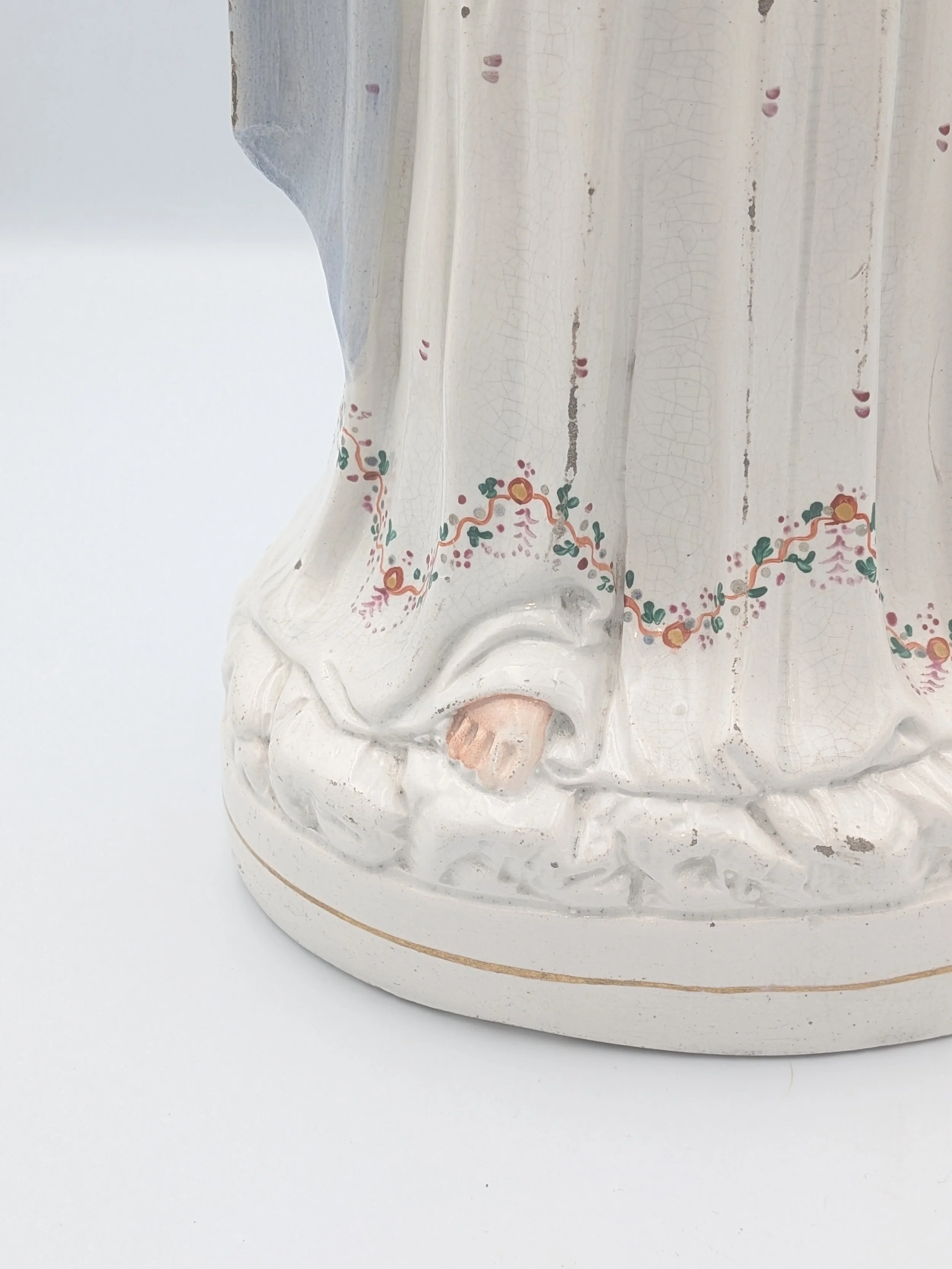 Image 43 of 71
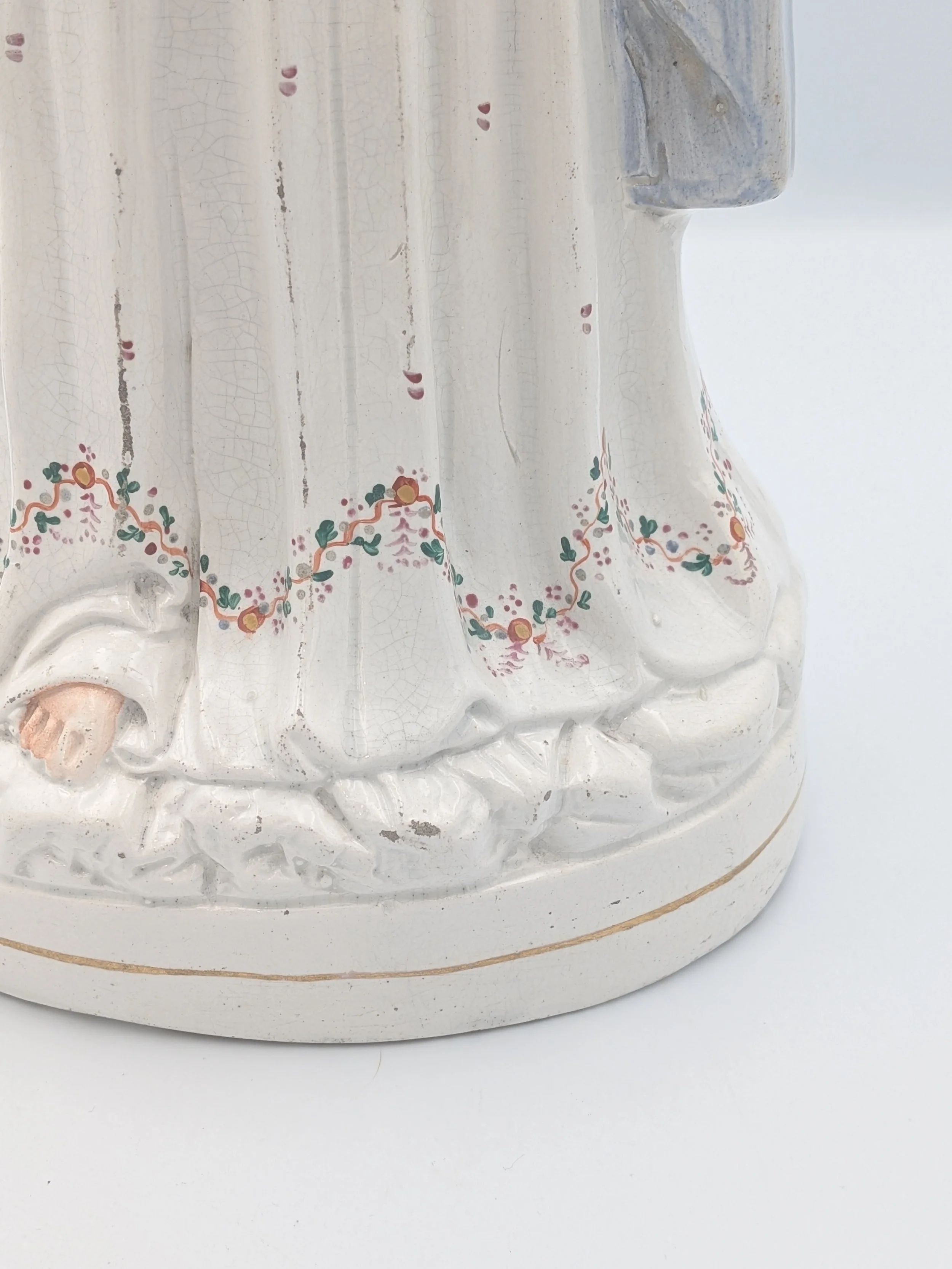 Image 44 of 71
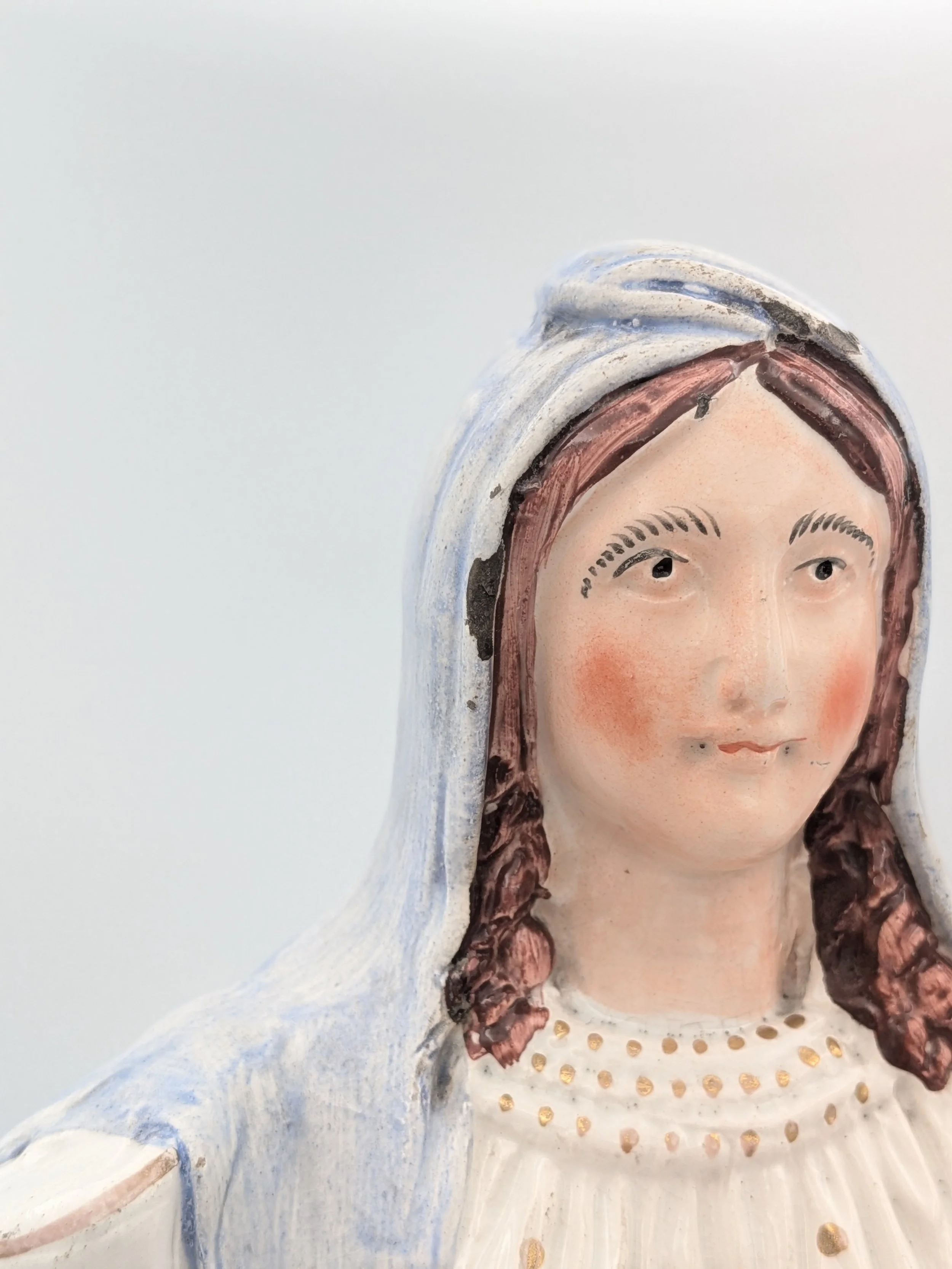 Image 45 of 71
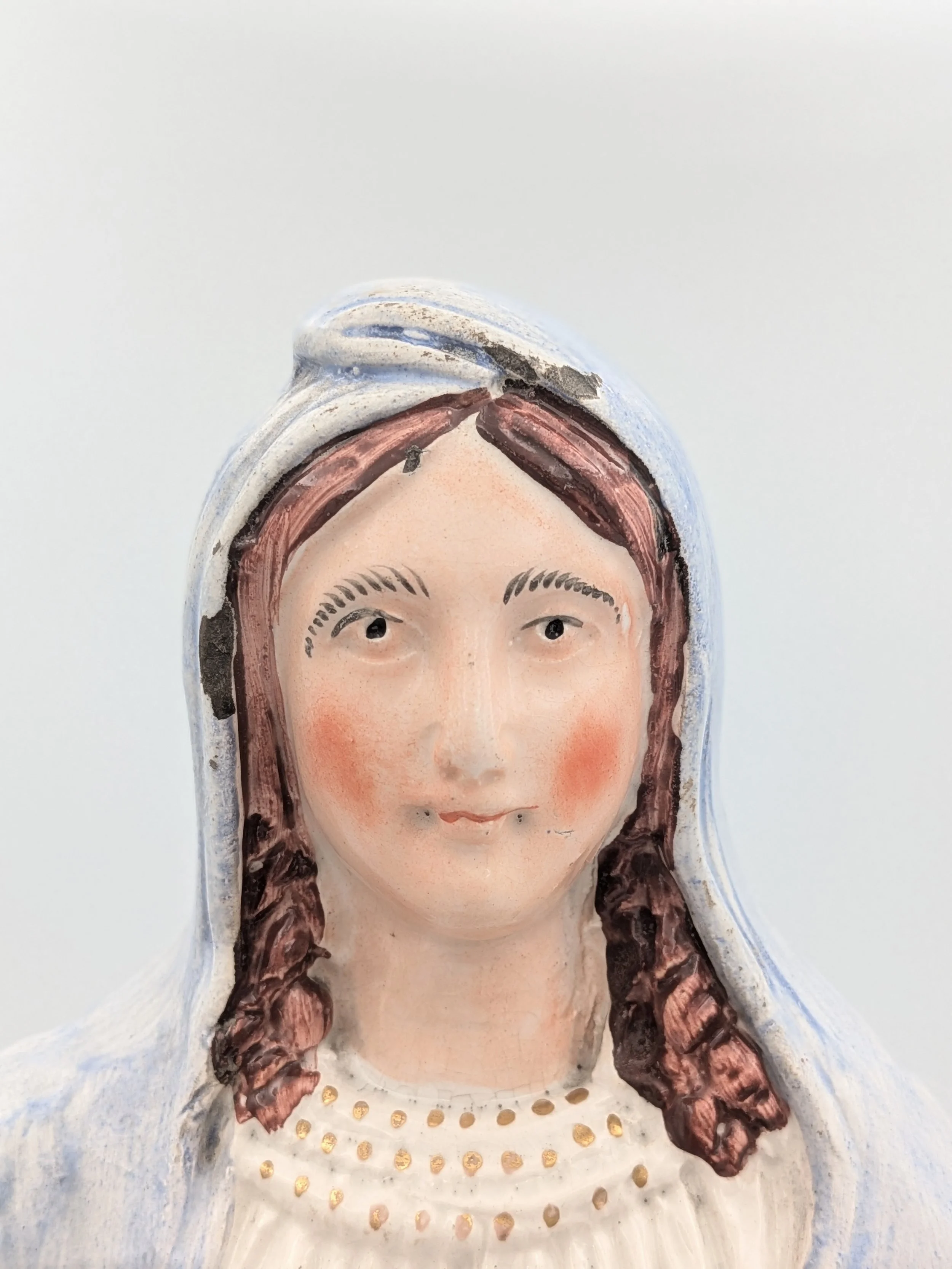 Image 46 of 71
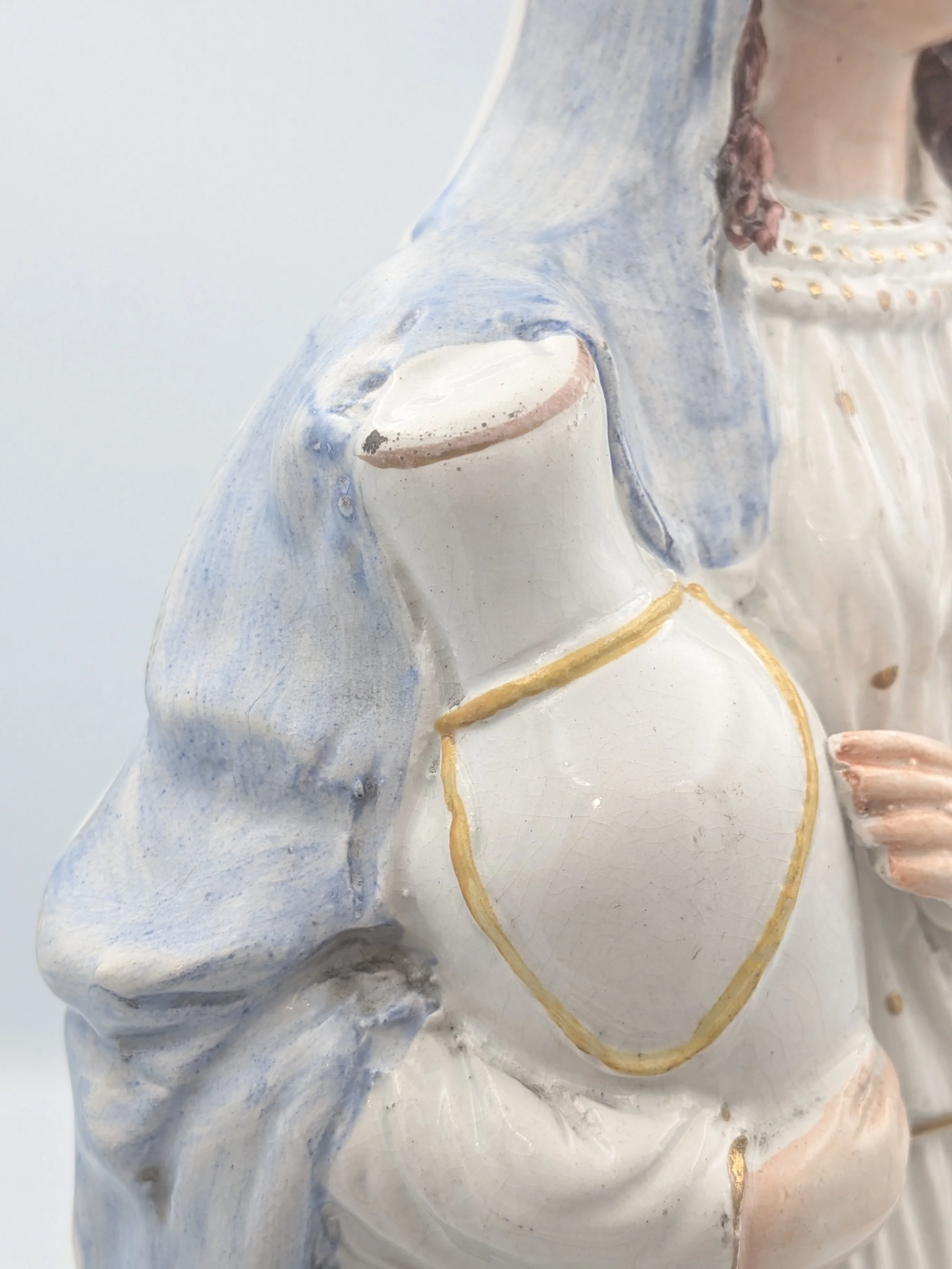 Image 47 of 71
 Image 48 of 71
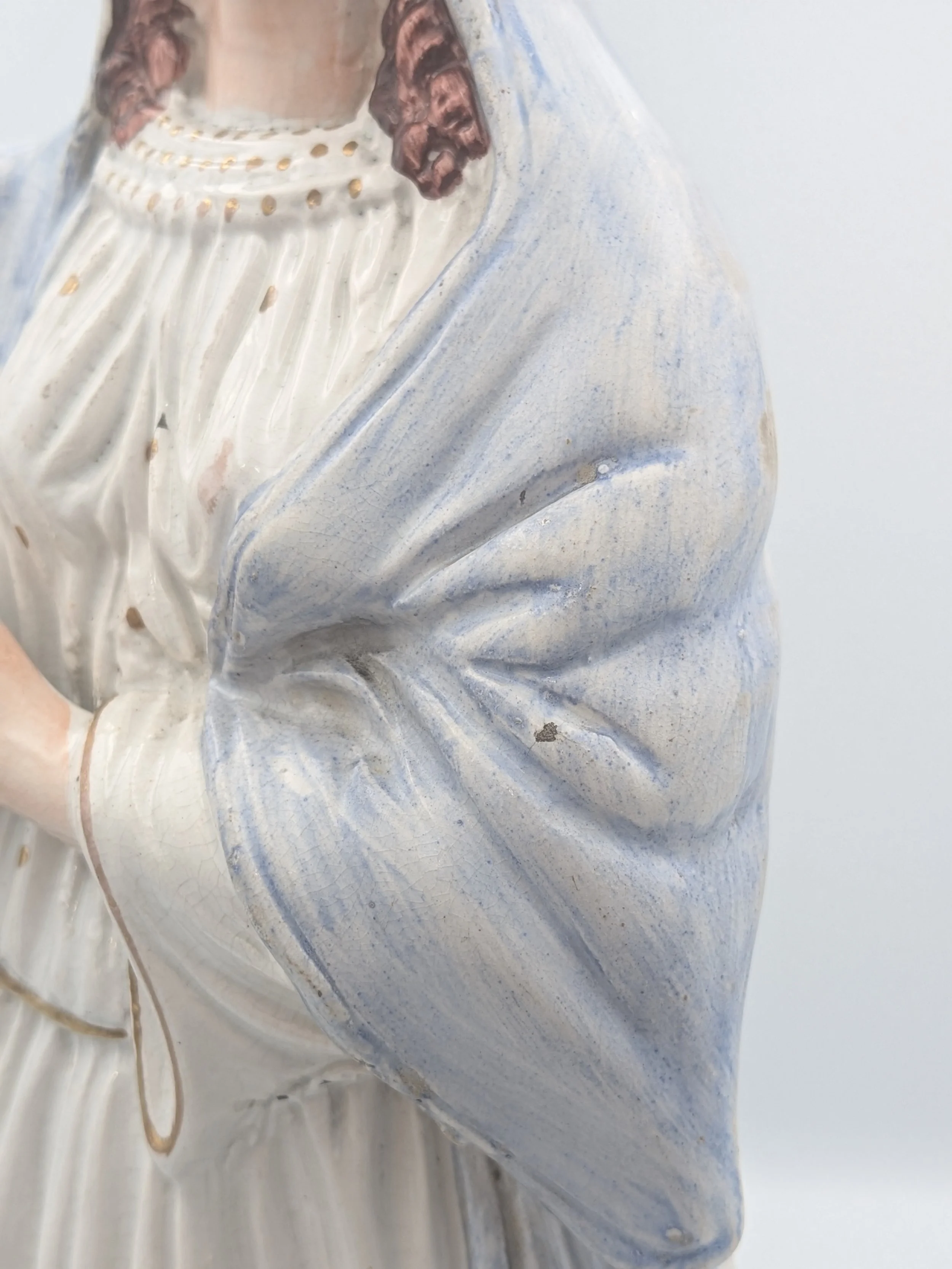 Image 49 of 71
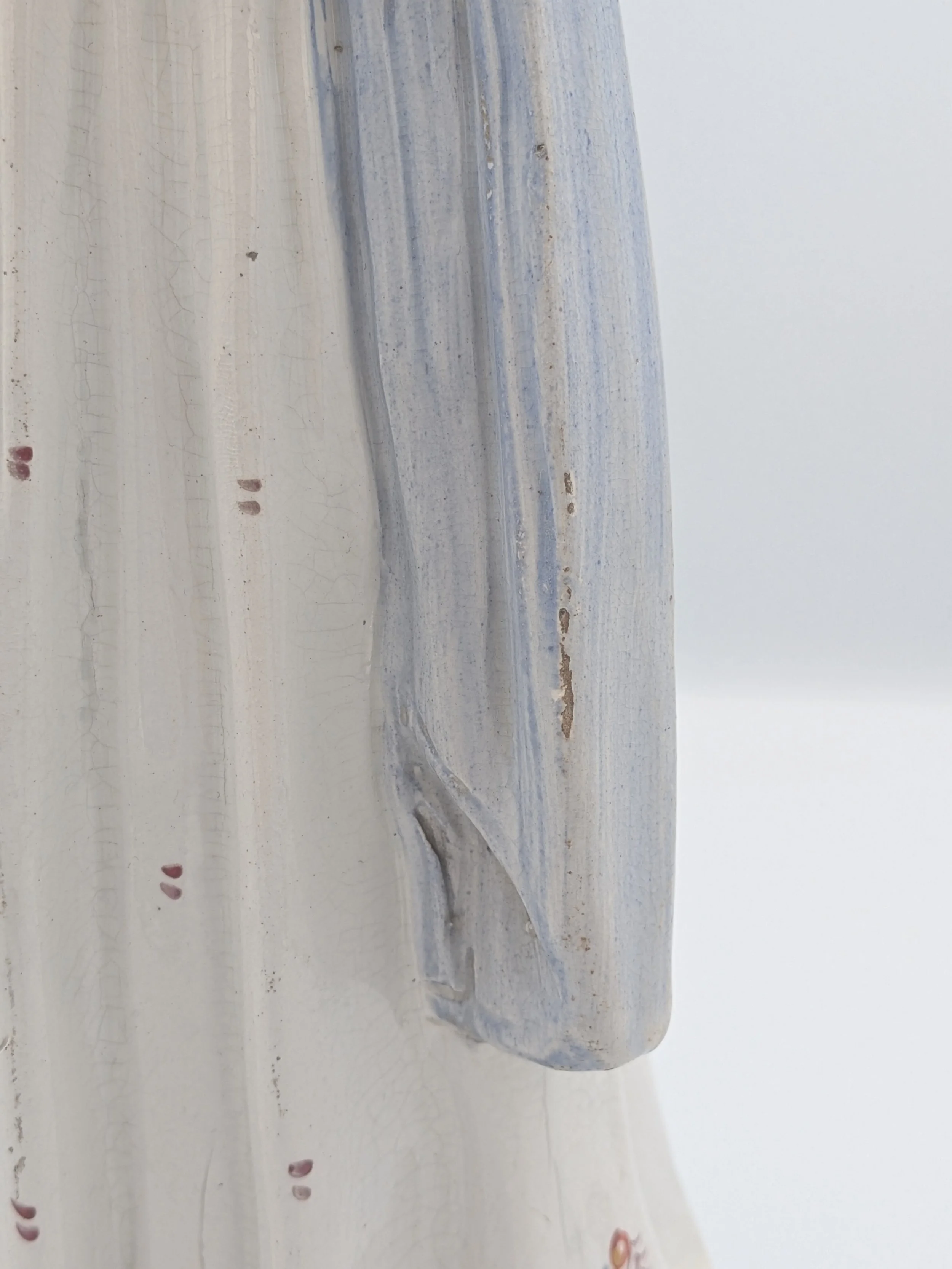 Image 50 of 71
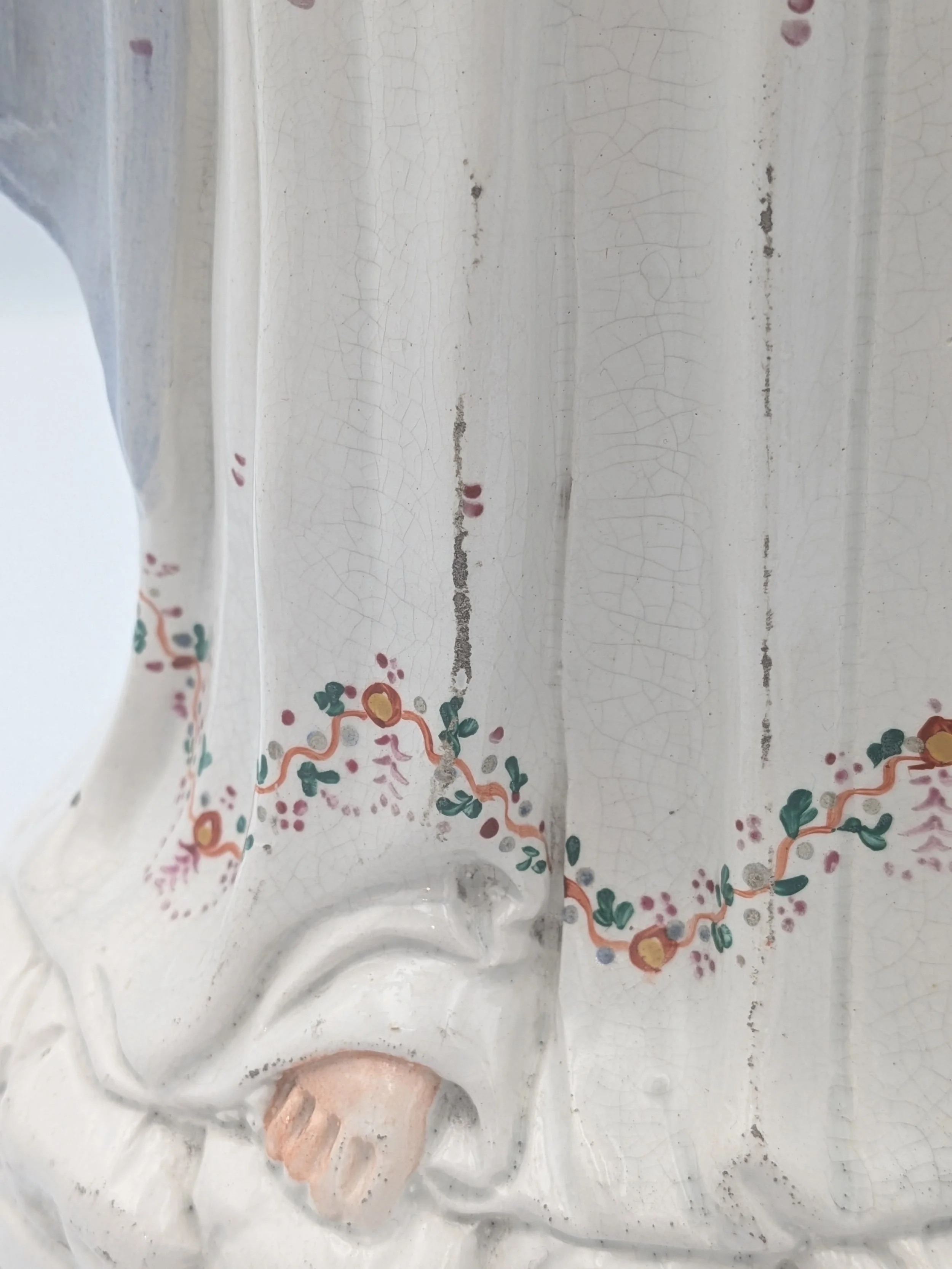 Image 51 of 71
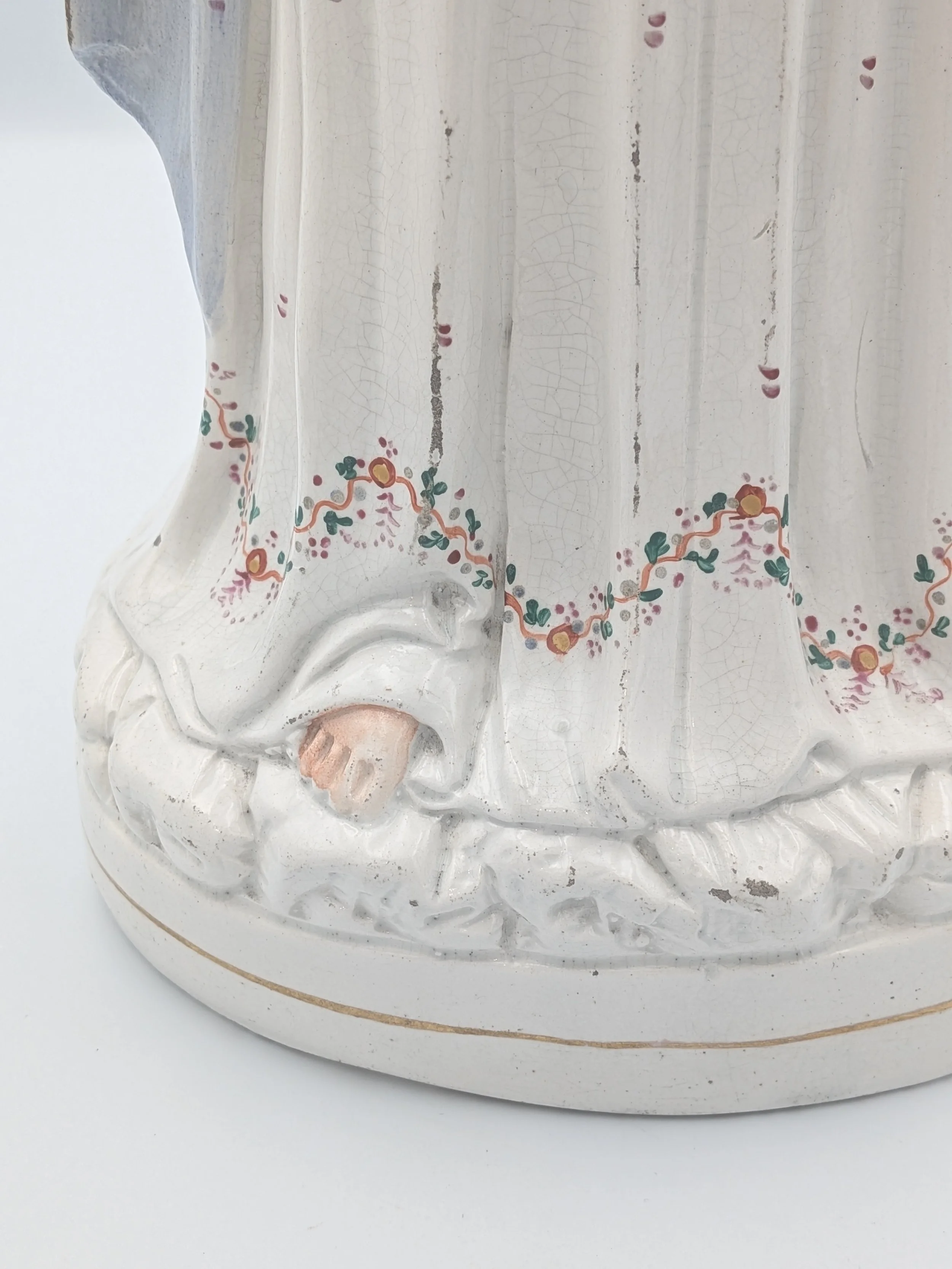 Image 52 of 71
 Image 53 of 71
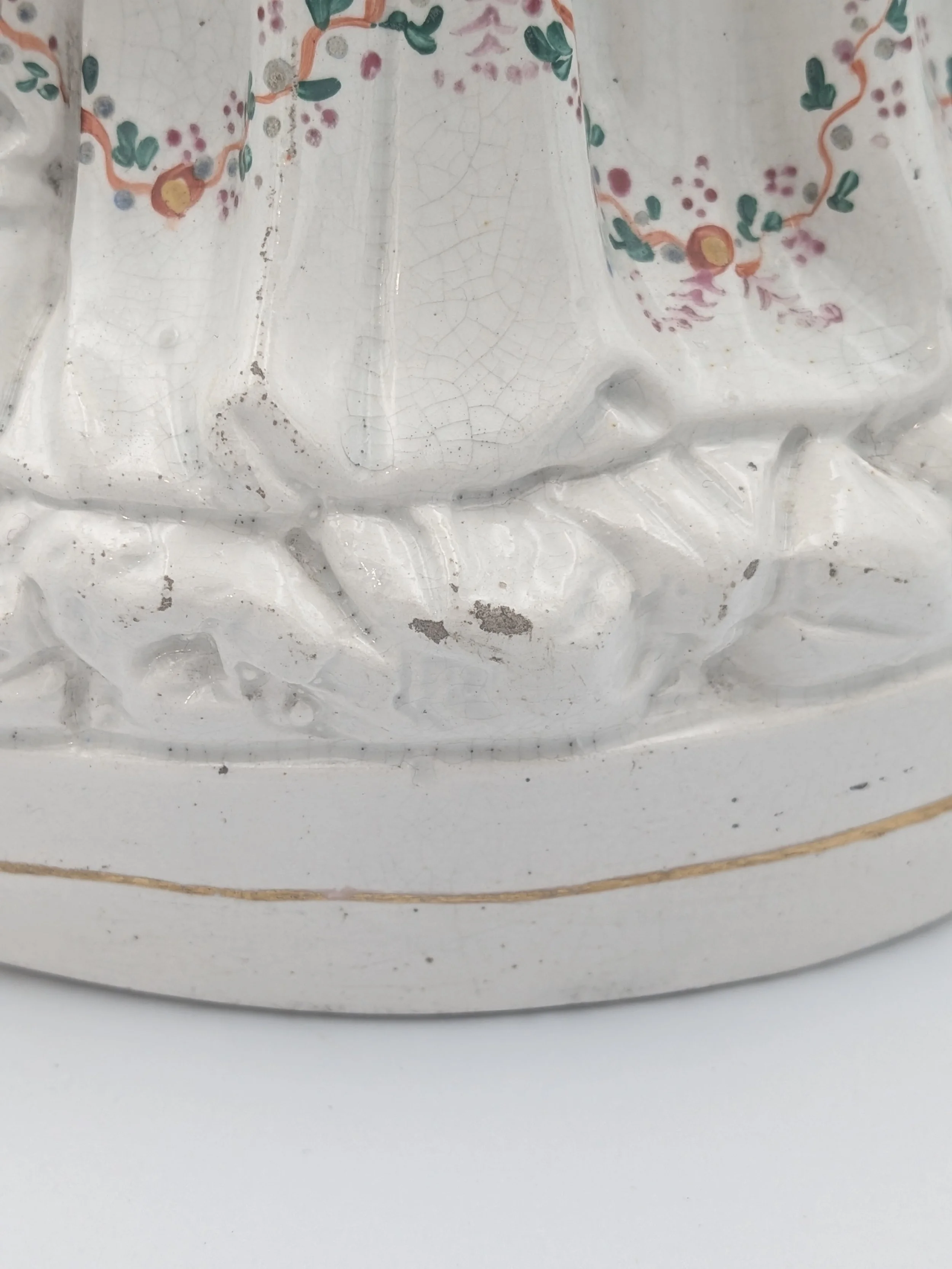 Image 54 of 71
 Image 55 of 71
 Image 56 of 71
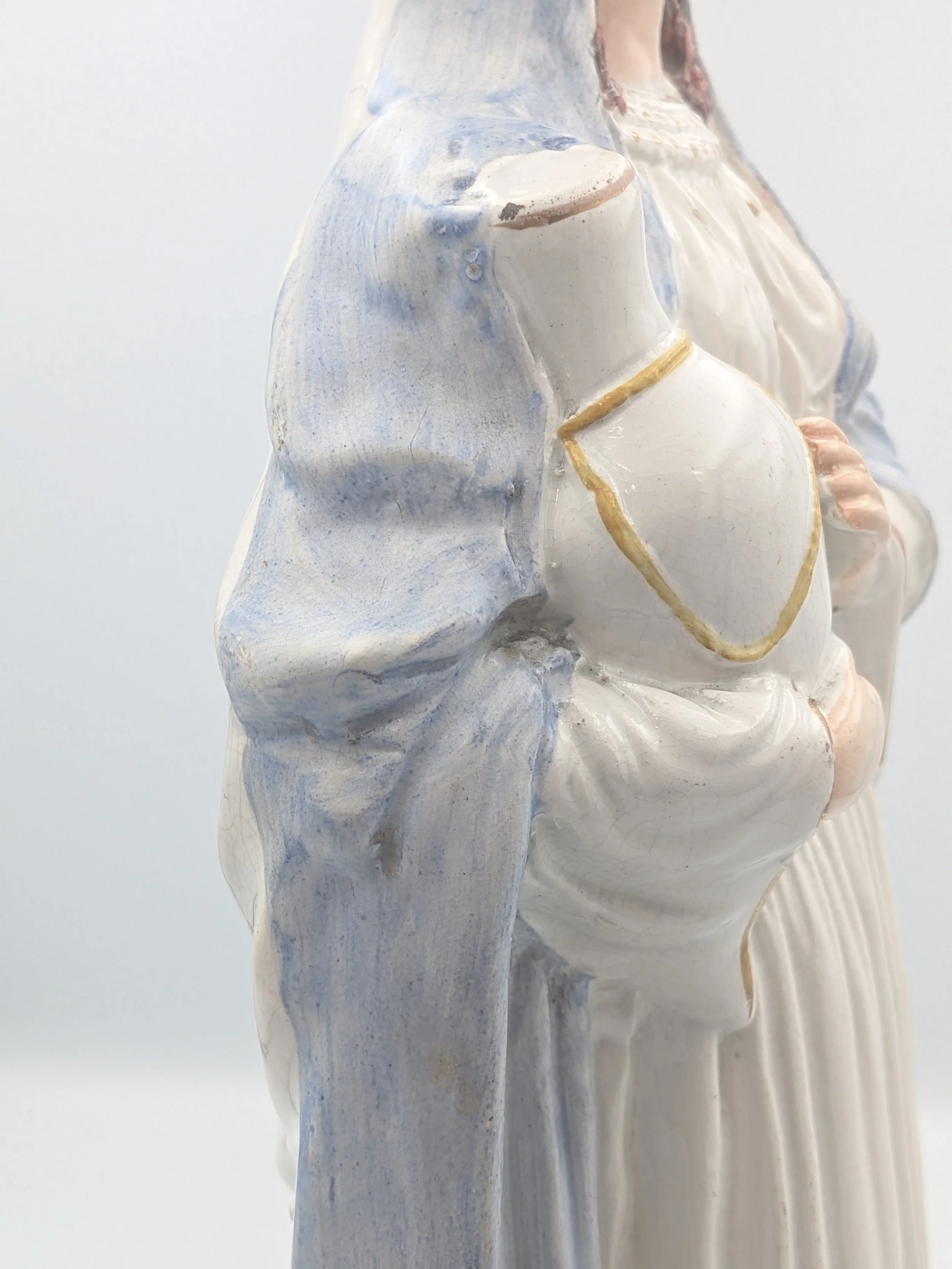 Image 57 of 71
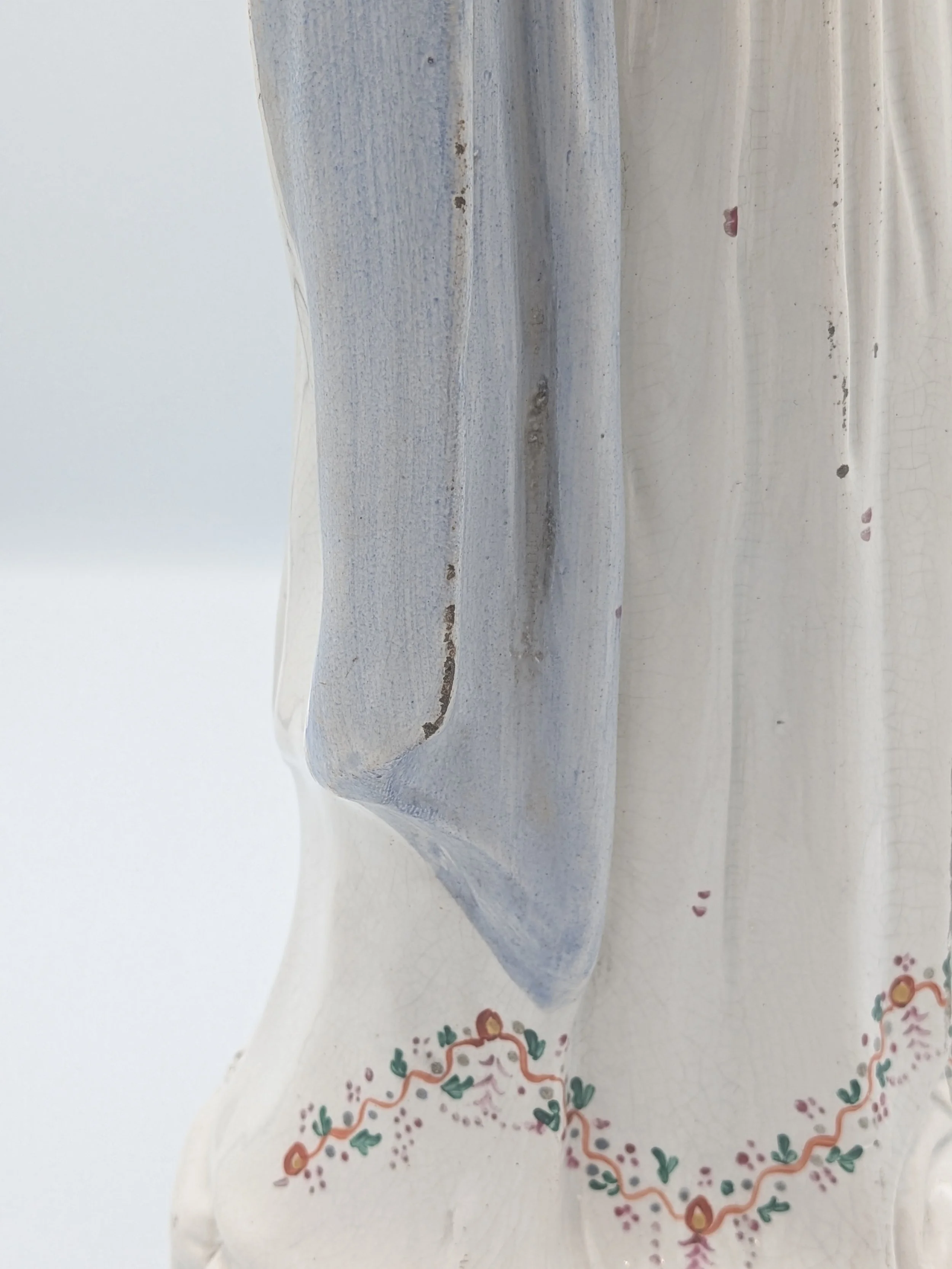 Image 58 of 71
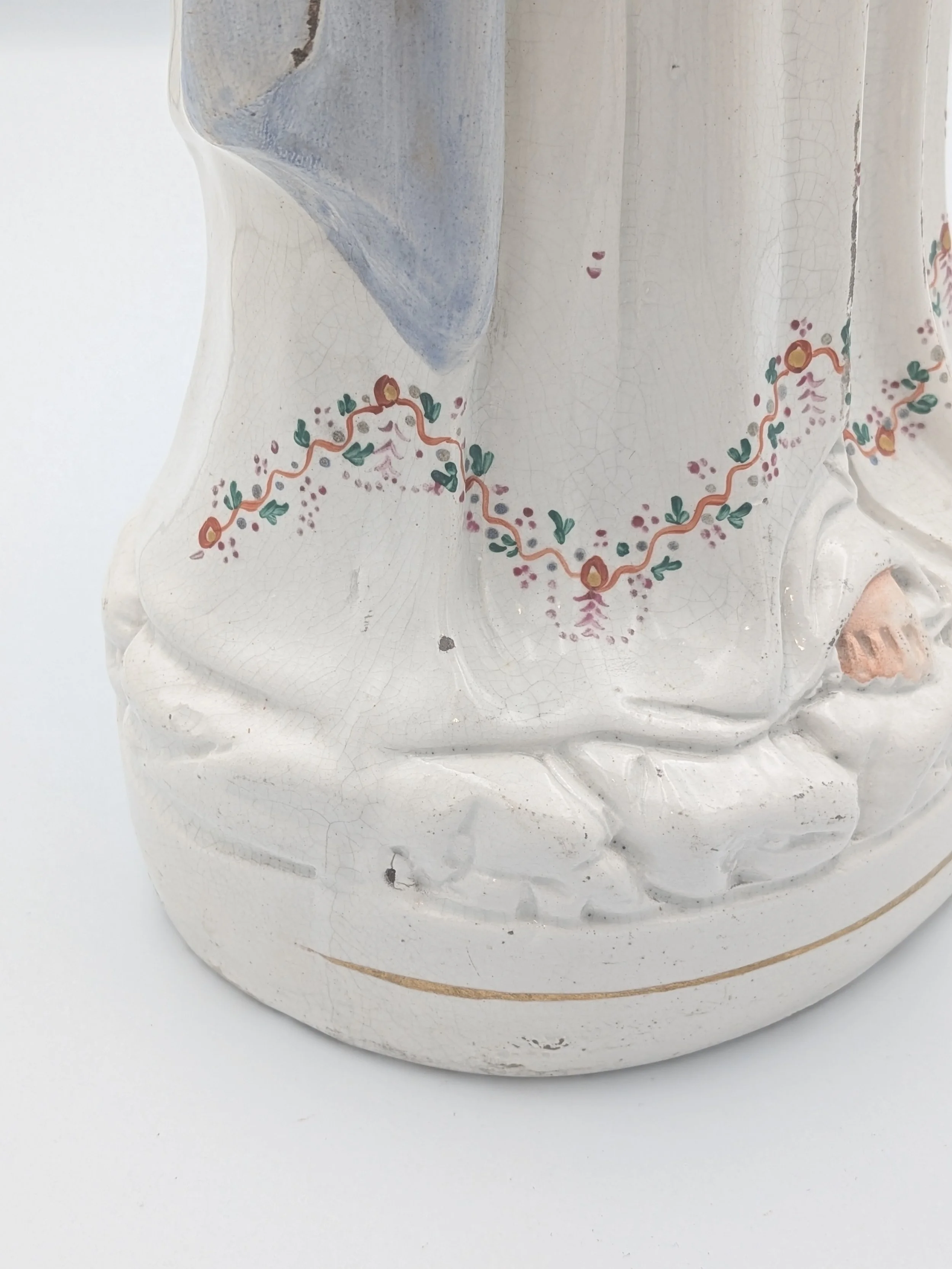 Image 59 of 71
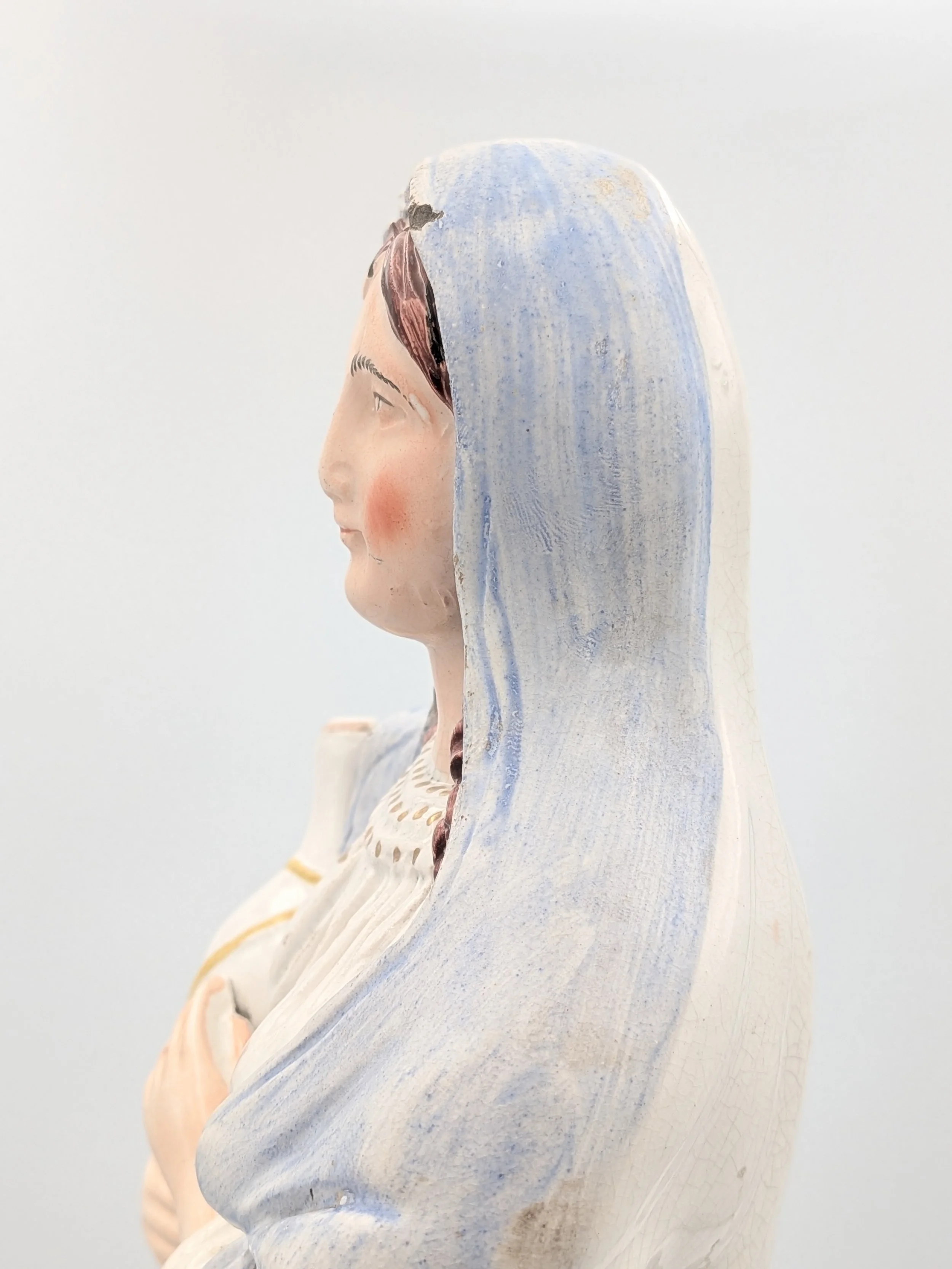 Image 60 of 71
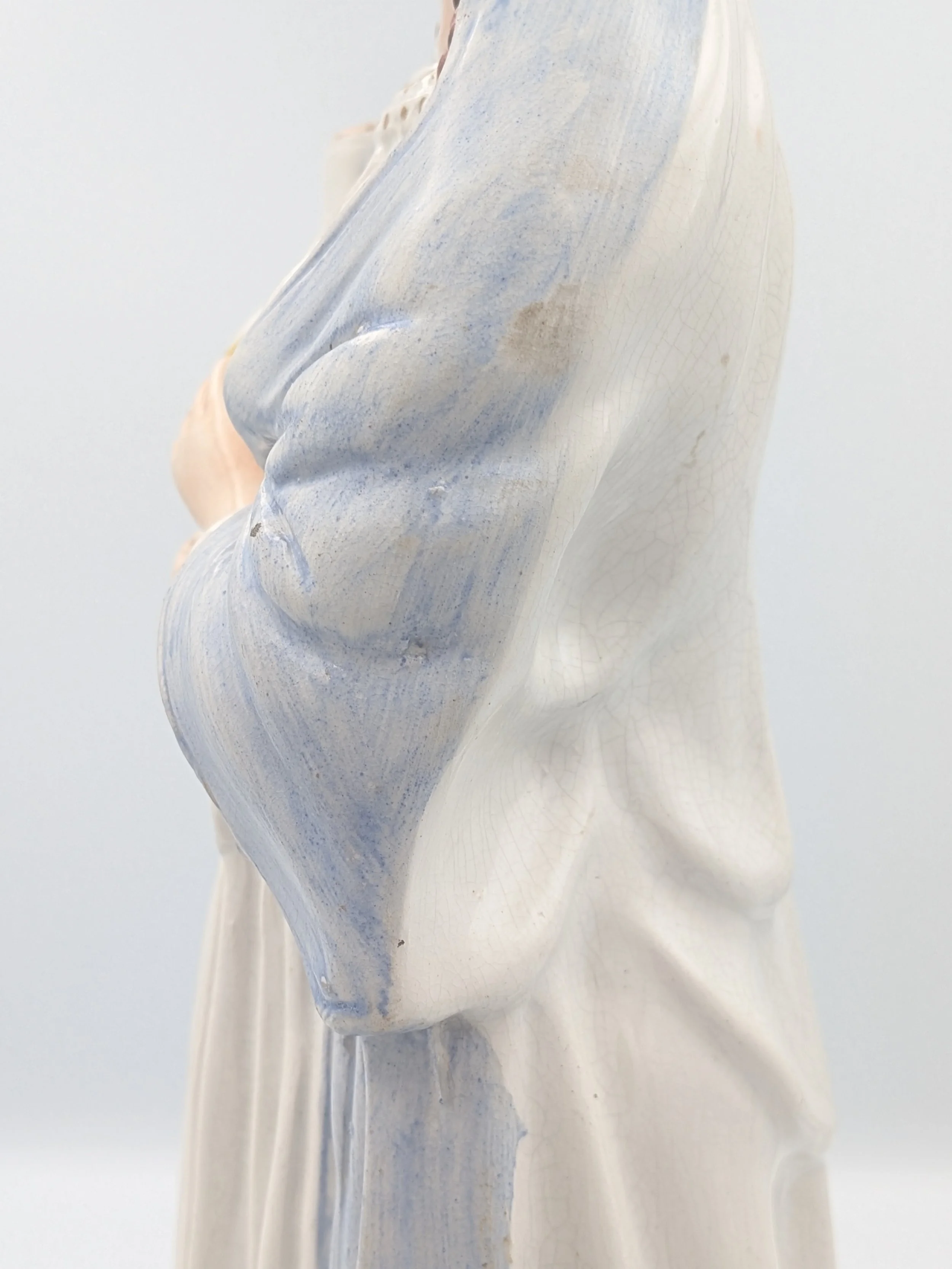 Image 61 of 71
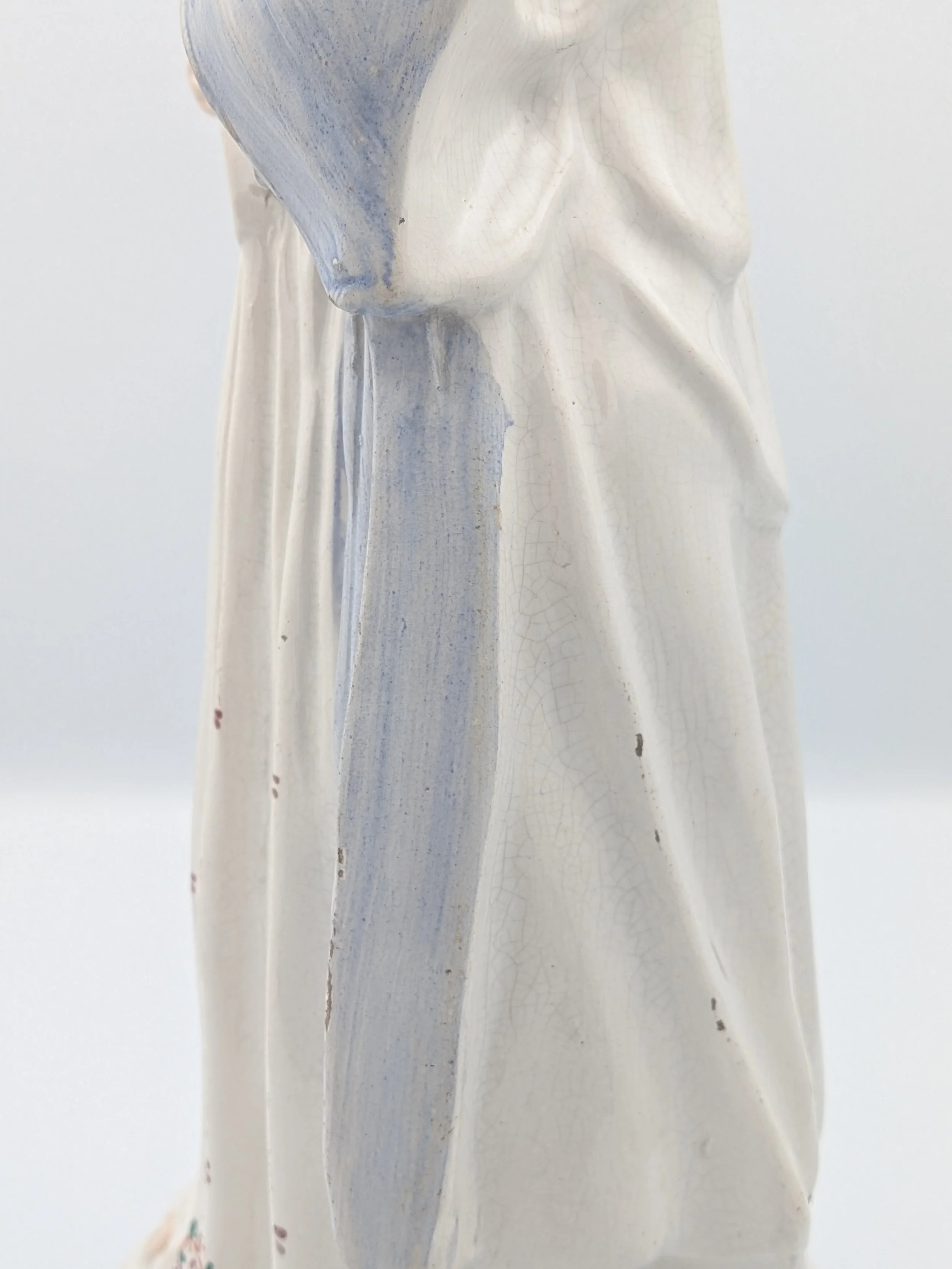 Image 62 of 71
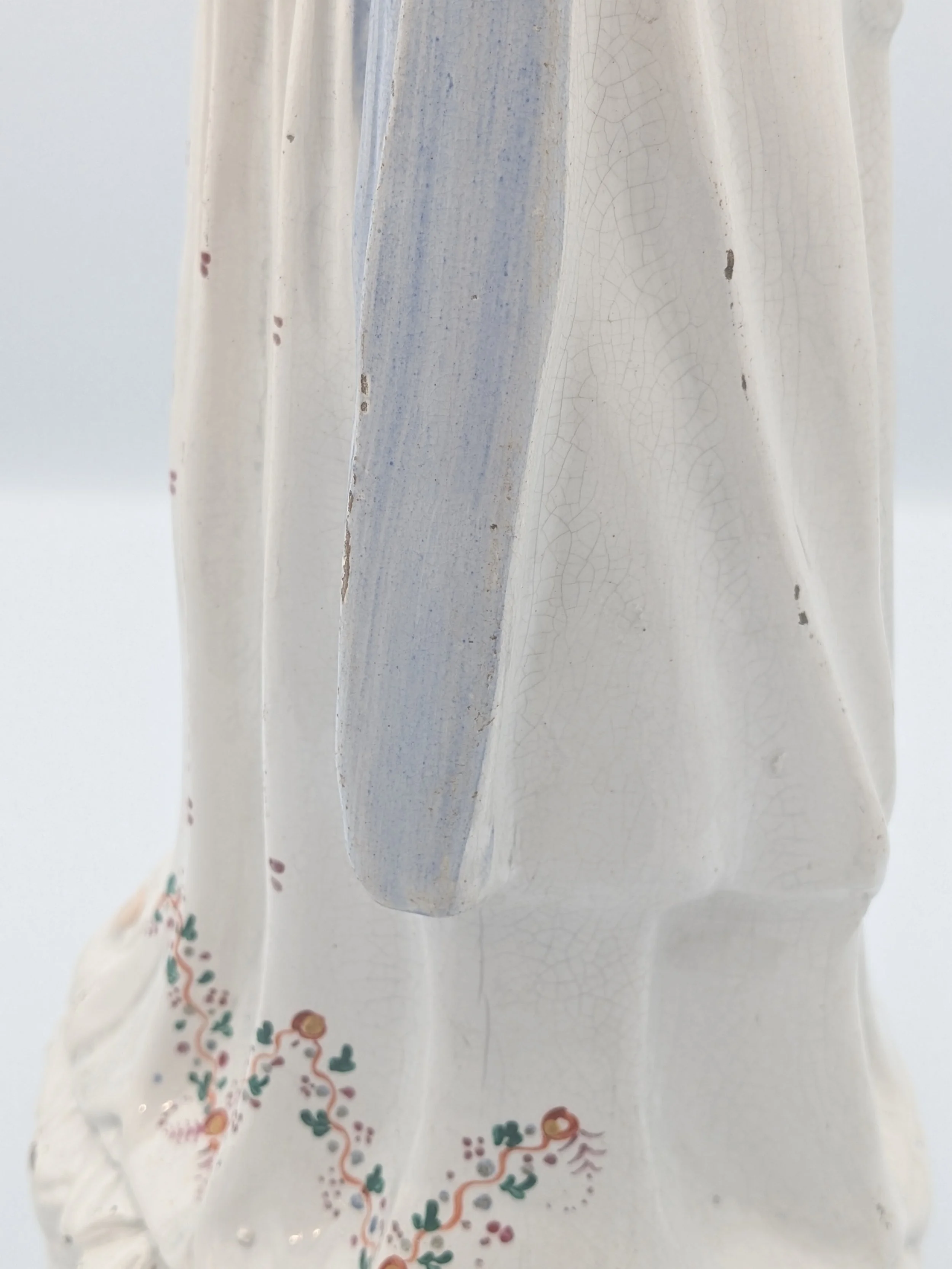 Image 63 of 71
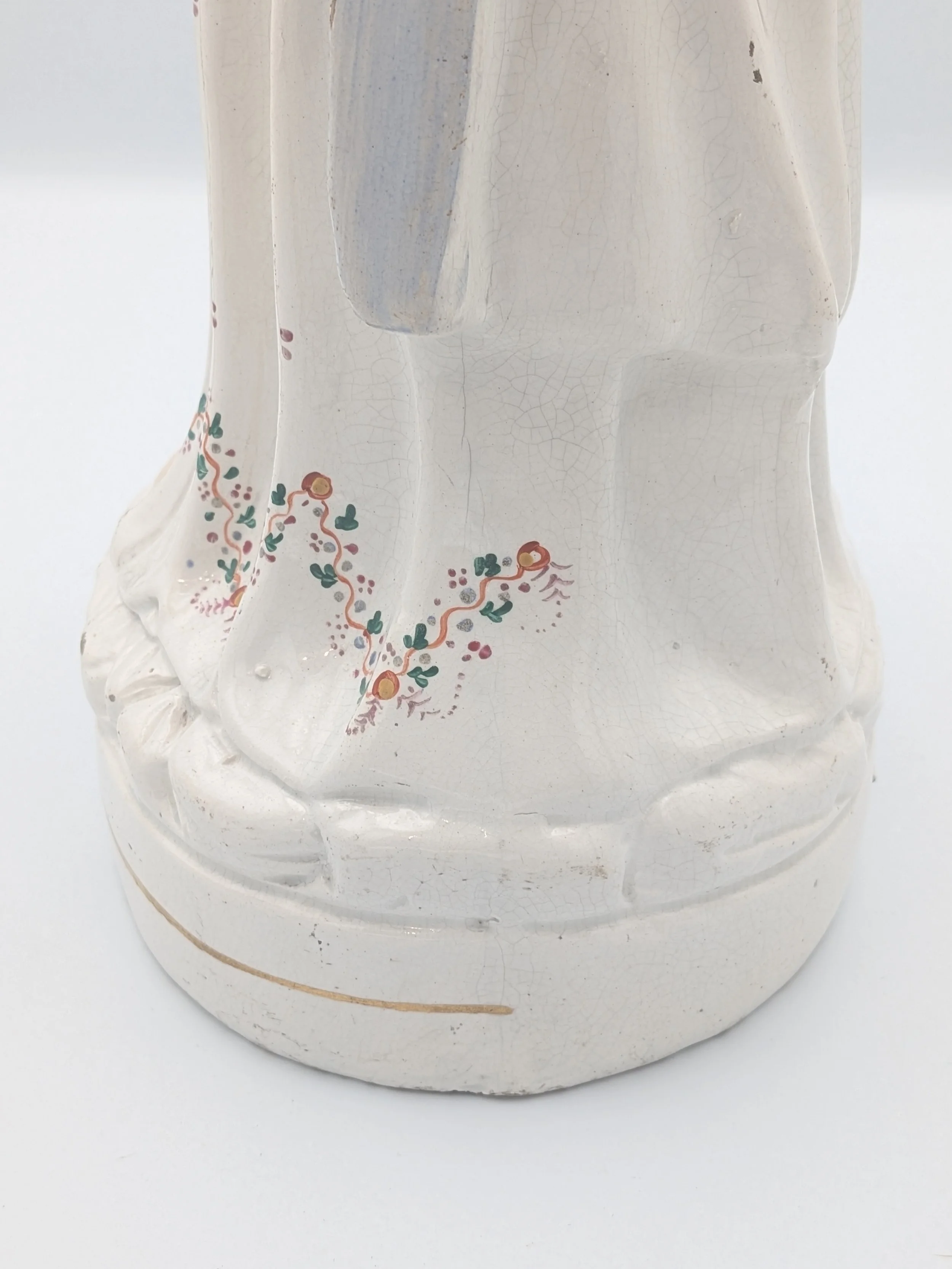 Image 64 of 71
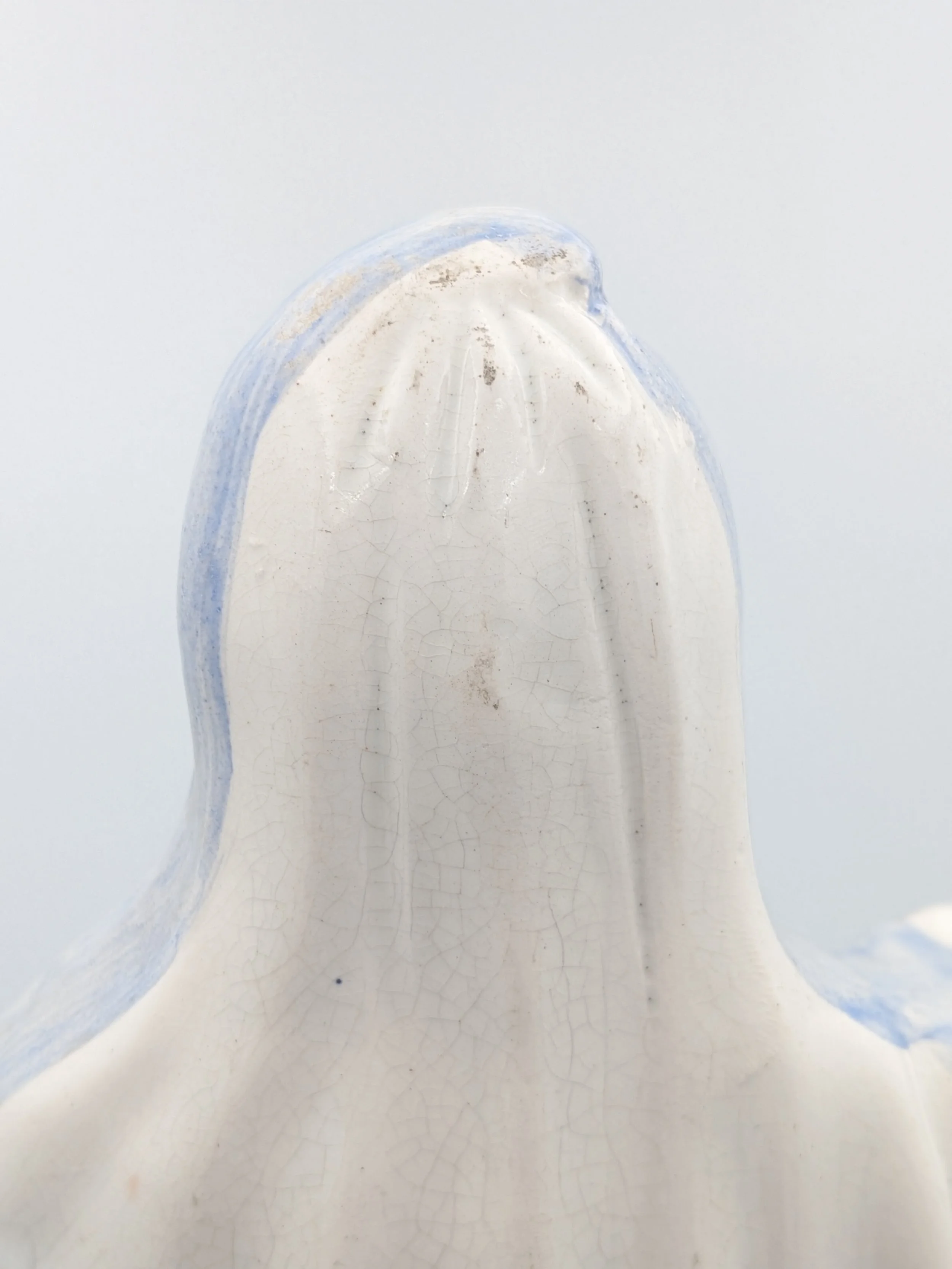 Image 65 of 71
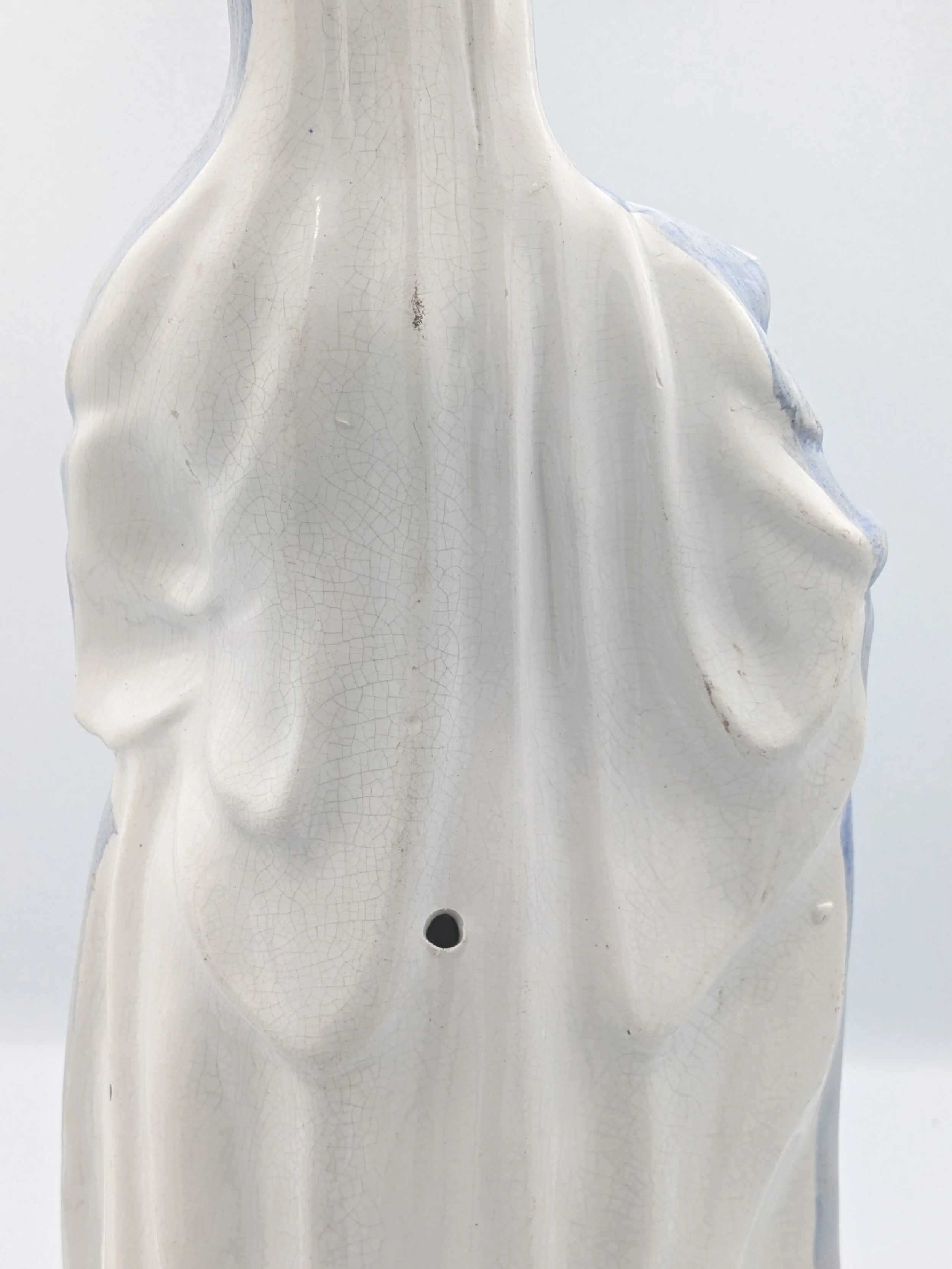 Image 66 of 71
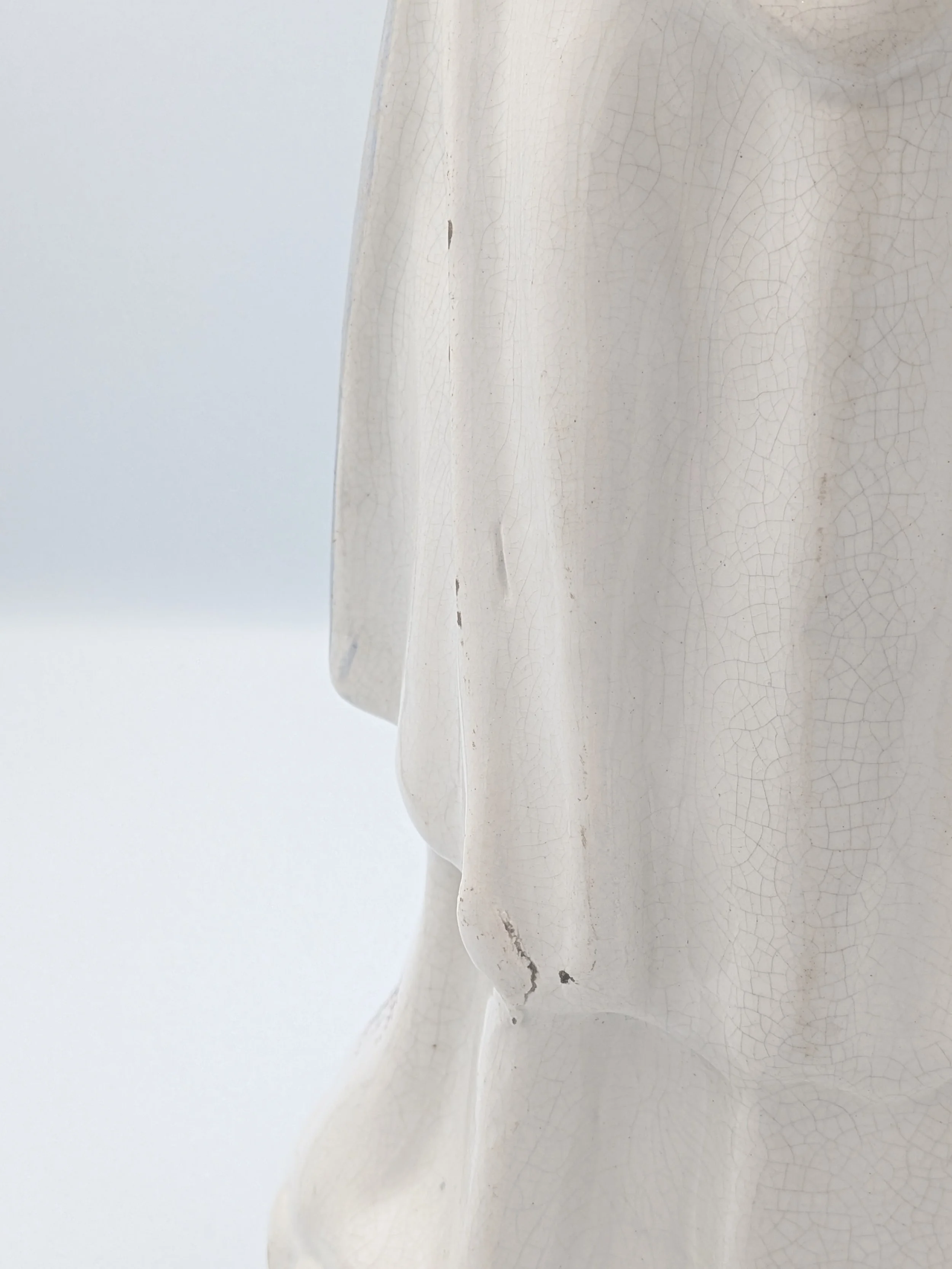 Image 67 of 71
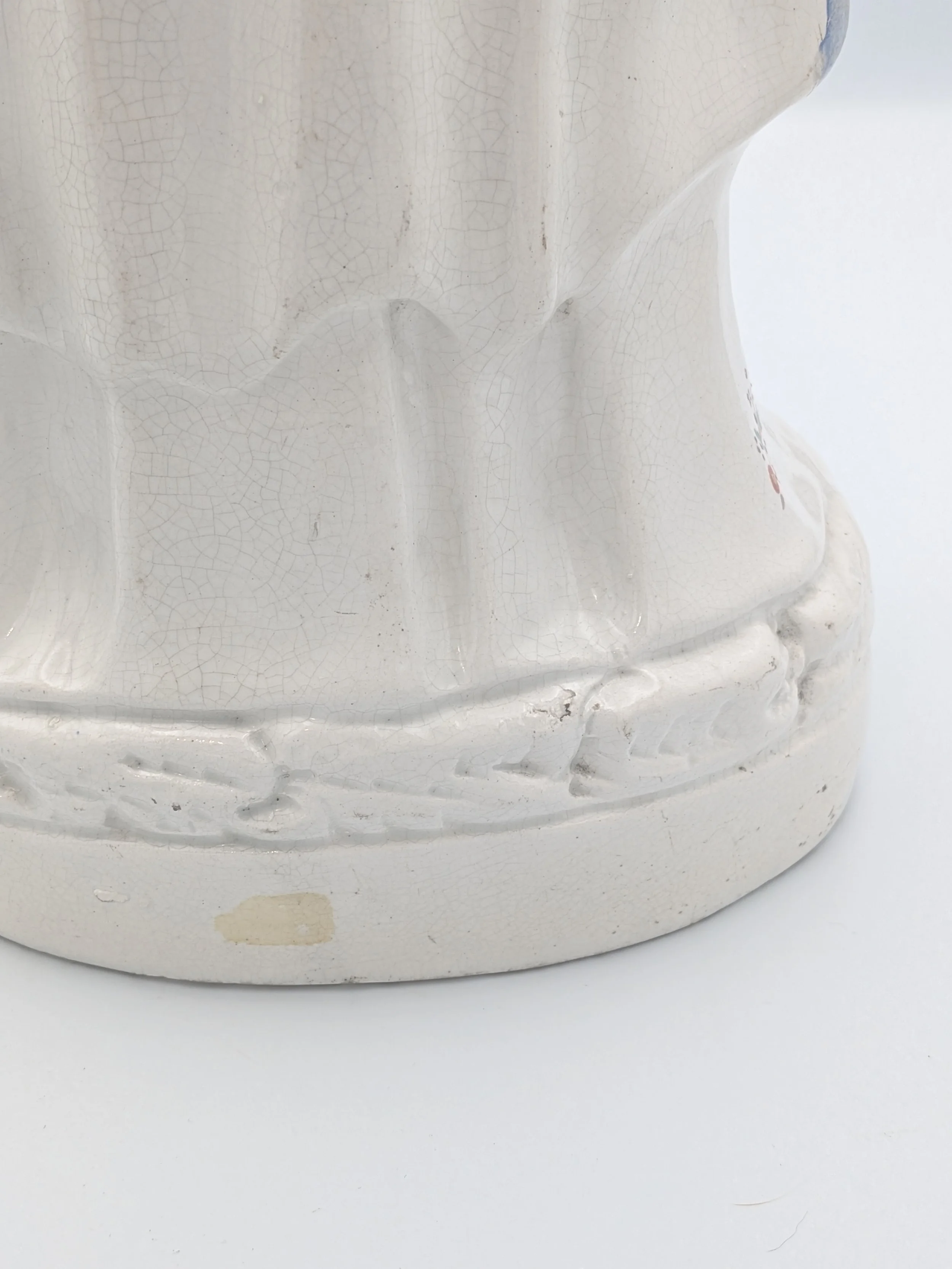 Image 68 of 71
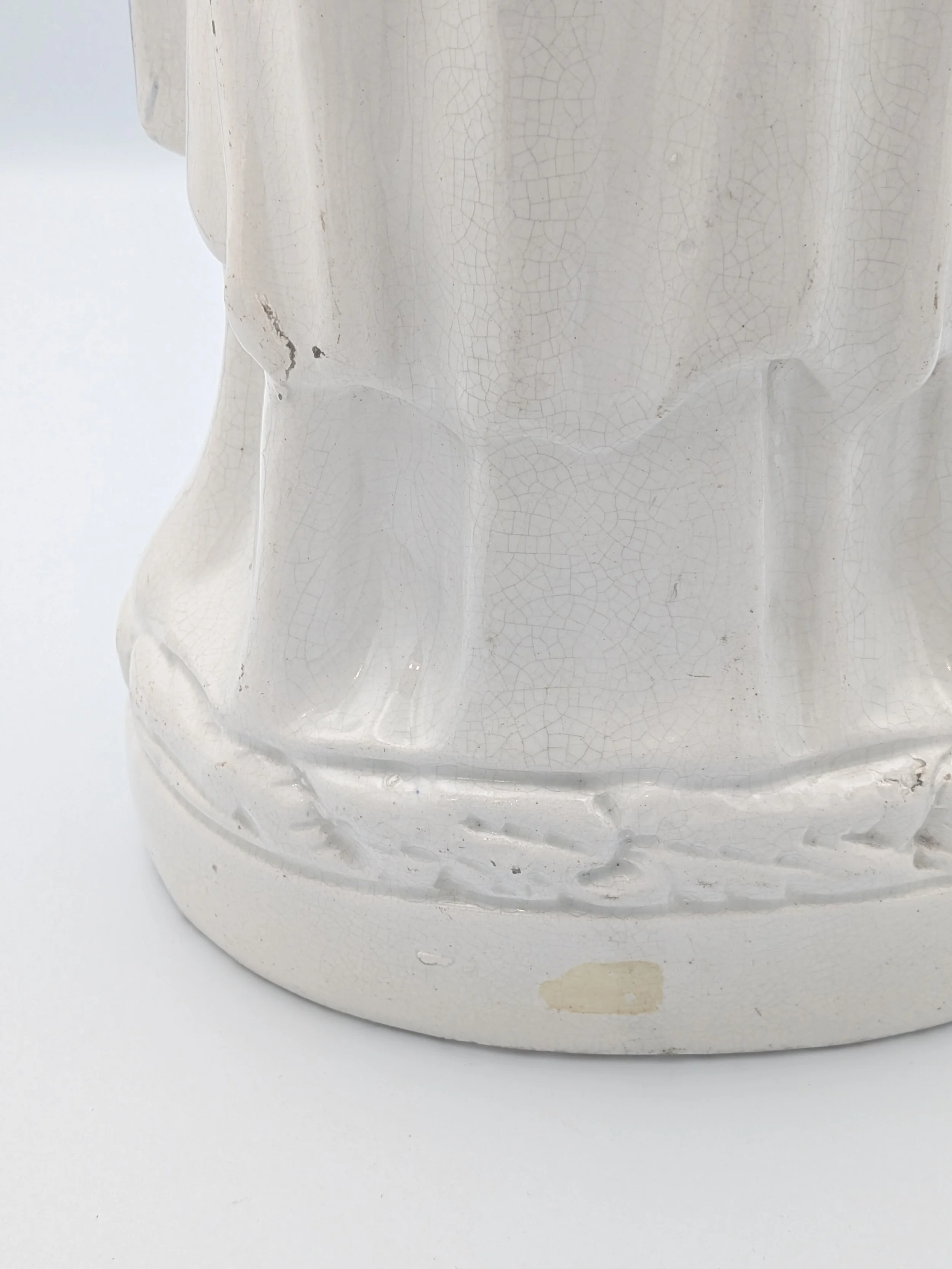 Image 69 of 71
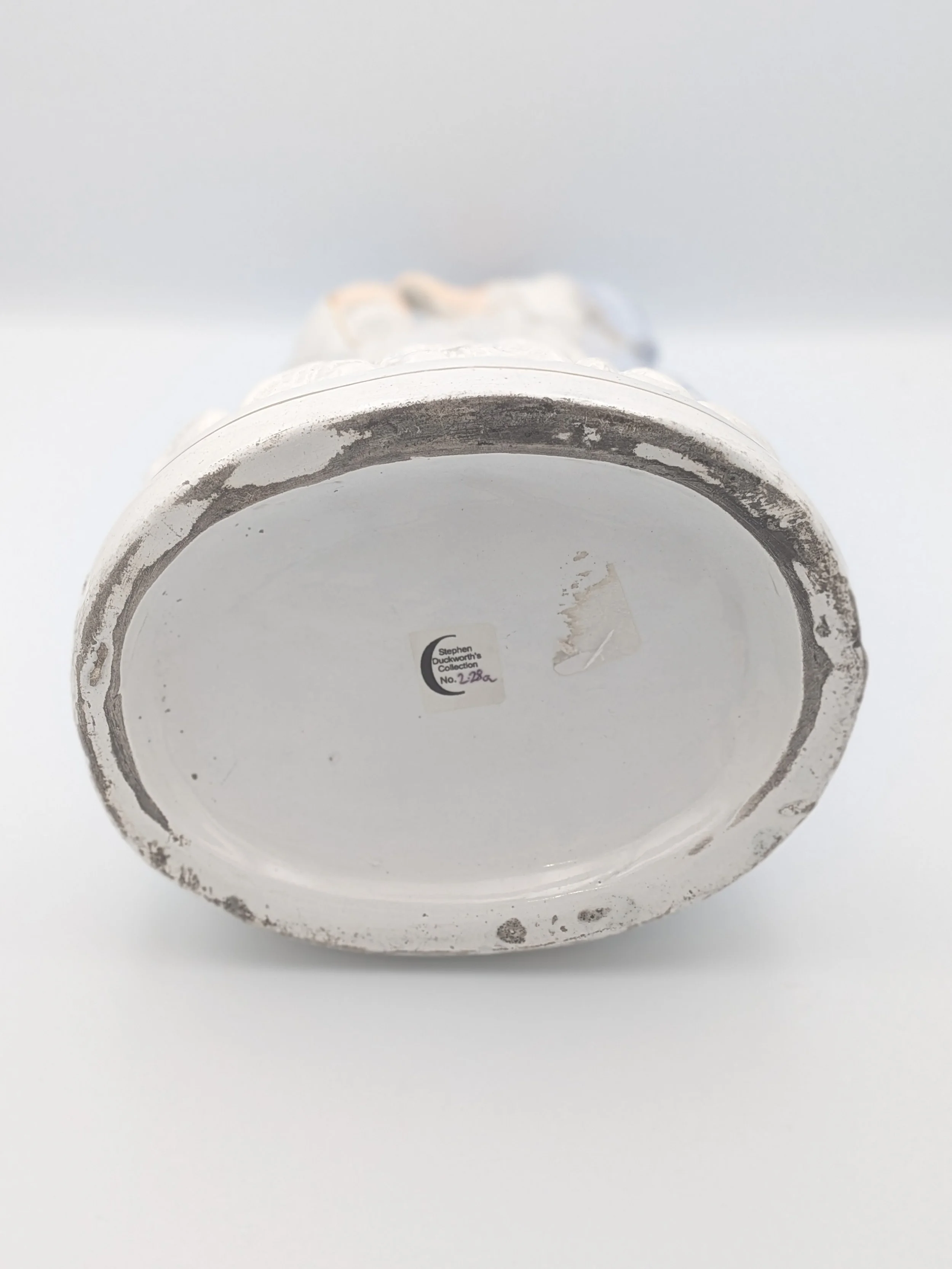 Image 70 of 71
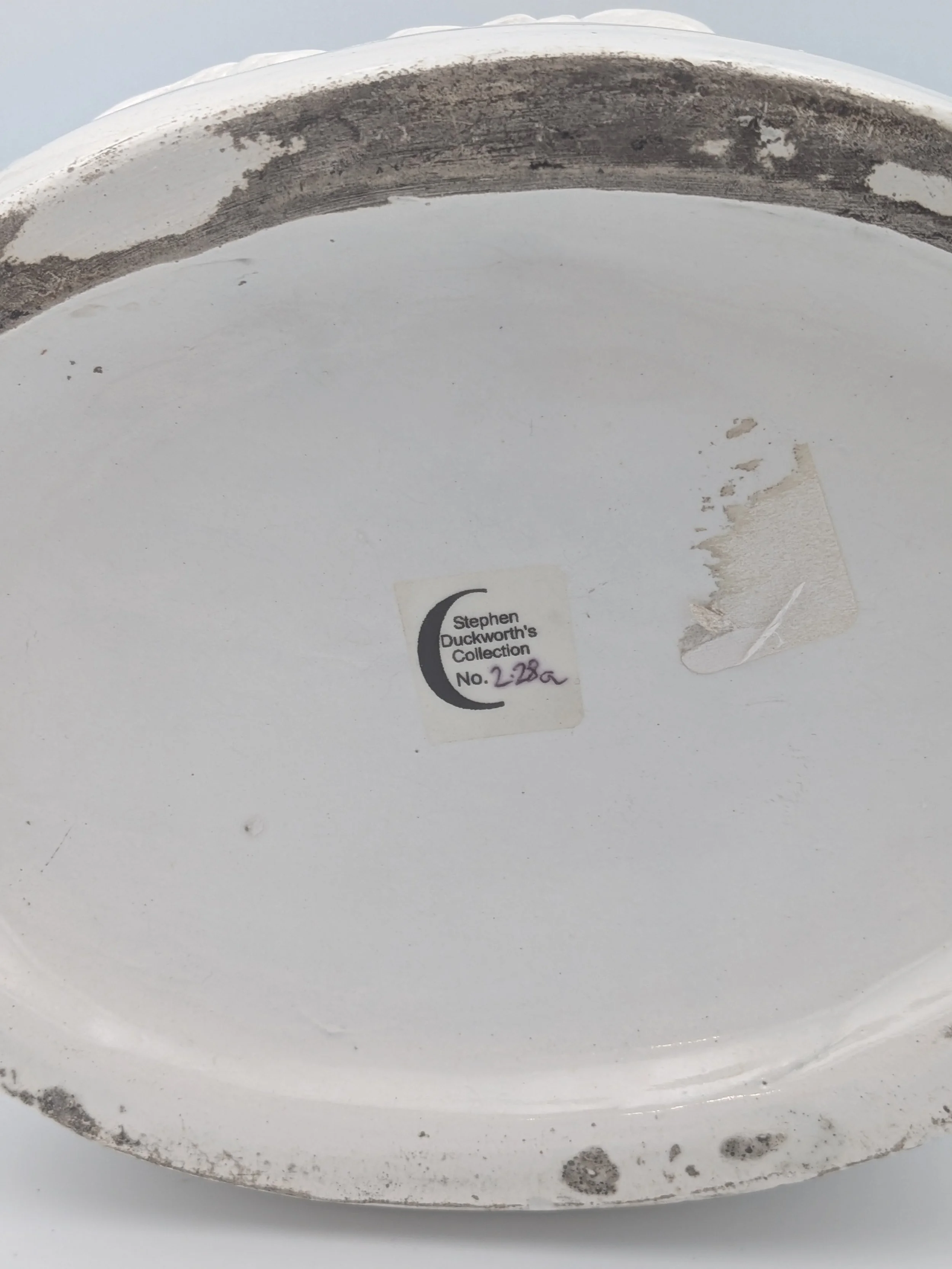 Image 71 of 71