A very desirable pair of equestrian figures of Crimean War interest depicting Omar Pasha and Abdul Mejid, Sultan of the Ottoman Empire, in the more popular larger size.
This pair (titled ‘OMER PACHA’ [sic] and ‘THE SULTAN’) depict the two characters in military garb, with scabbarded swords, riding grey horses. They form part of a series of Crimean General figures which include a pair of Marshal Arnaud and Lord Raglan.
Omar Pasha (or ‘Omer’) was an Ottoman field marshal and governor who became the primary strategic commander of Ottoman troops throughout the Crimean War, ultimately enjoying success at Oltenița, Cetate, and Eupatoria. He was known as a firm disciplinarian but enjoyed a great deal of respect among his men and contemporaries.
Abdul Mejid I (or ‘Abdülmecid’) succeeded his father Mahmud II to become the thirty-first Sultan of the Ottoman Empire in 1839. Mild mannered and a noted reformer, Abdul Mejid (who had received a European education and spoke fluent French) forged alliances with the major powers of Western Europe - specifically the United Kingdom and France - and ruled as Sultan throughout the Crimean War until his sudden death from tuberculosis in 1861 at the age of only 38.
These figures are well made and highly sought after by Crimean War figure collectors.
While displaying well and being impressive examples of equestrian figures, there are some flaws to note. Omar Pasha’s neck has been repaired and concealed - the concealment is reasonably subtle but as the concealment is over cobalt it is noticeable under bright light. The Sultan’s neck has also been repaired and concealed in the same way, and superficial slip-deep hairline cracks emanating from the repair have also been concealed. The top of his hat has been restored. There is a discreet, stable hairline round the horse’s left foreleg. There are two insignificant firing flaws and a small chip (visible only side-on) on the base.
Please look carefully at the images for a sense of the flaws of these figures. They display well, are a good match, and the concealments, though imperfect, are not glaringly obvious except at close inspection.
Reference: P. D. Gordon Pugh, Staffordshire Portrait Figures, p. C285, pl. figs 166 and 167
Height: 11”
Date: c. 1854
Provenance: The Kirkland Tellwright Collection
A very desirable pair of equestrian figures of Crimean War interest depicting Omar Pasha and Abdul Mejid, Sultan of the Ottoman Empire, in the more popular larger size.
This pair (titled ‘OMER PACHA’ [sic] and ‘THE SULTAN’) depict the two characters in military garb, with scabbarded swords, riding grey horses. They form part of a series of Crimean General figures which include a pair of Marshal Arnaud and Lord Raglan.
Omar Pasha (or ‘Omer’) was an Ottoman field marshal and governor who became the primary strategic commander of Ottoman troops throughout the Crimean War, ultimately enjoying success at Oltenița, Cetate, and Eupatoria. He was known as a firm disciplinarian but enjoyed a great deal of respect among his men and contemporaries.
Abdul Mejid I (or ‘Abdülmecid’) succeeded his father Mahmud II to become the thirty-first Sultan of the Ottoman Empire in 1839. Mild mannered and a noted reformer, Abdul Mejid (who had received a European education and spoke fluent French) forged alliances with the major powers of Western Europe - specifically the United Kingdom and France - and ruled as Sultan throughout the Crimean War until his sudden death from tuberculosis in 1861 at the age of only 38.
These figures are well made and highly sought after by Crimean War figure collectors.
While displaying well and being impressive examples of equestrian figures, there are some flaws to note. Omar Pasha’s neck has been repaired and concealed - the concealment is reasonably subtle but as the concealment is over cobalt it is noticeable under bright light. The Sultan’s neck has also been repaired and concealed in the same way, and superficial slip-deep hairline cracks emanating from the repair have also been concealed. The top of his hat has been restored. There is a discreet, stable hairline round the horse’s left foreleg. There are two insignificant firing flaws and a small chip (visible only side-on) on the base.
Please look carefully at the images for a sense of the flaws of these figures. They display well, are a good match, and the concealments, though imperfect, are not glaringly obvious except at close inspection.
Reference: P. D. Gordon Pugh, Staffordshire Portrait Figures, p. C285, pl. figs 166 and 167
Height: 11”
Date: c. 1854
Provenance: The Kirkland Tellwright Collection
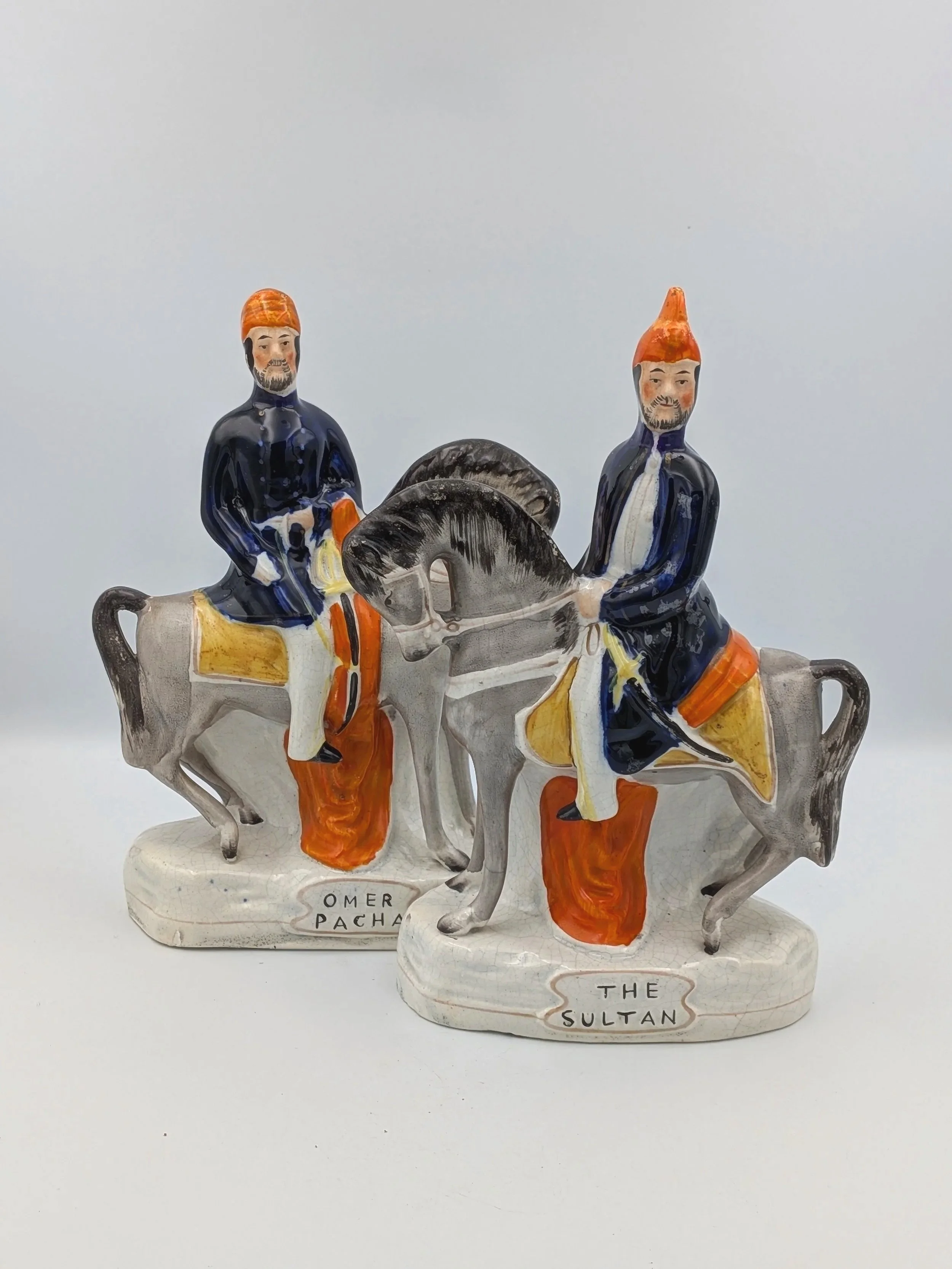 Image 1 of 34
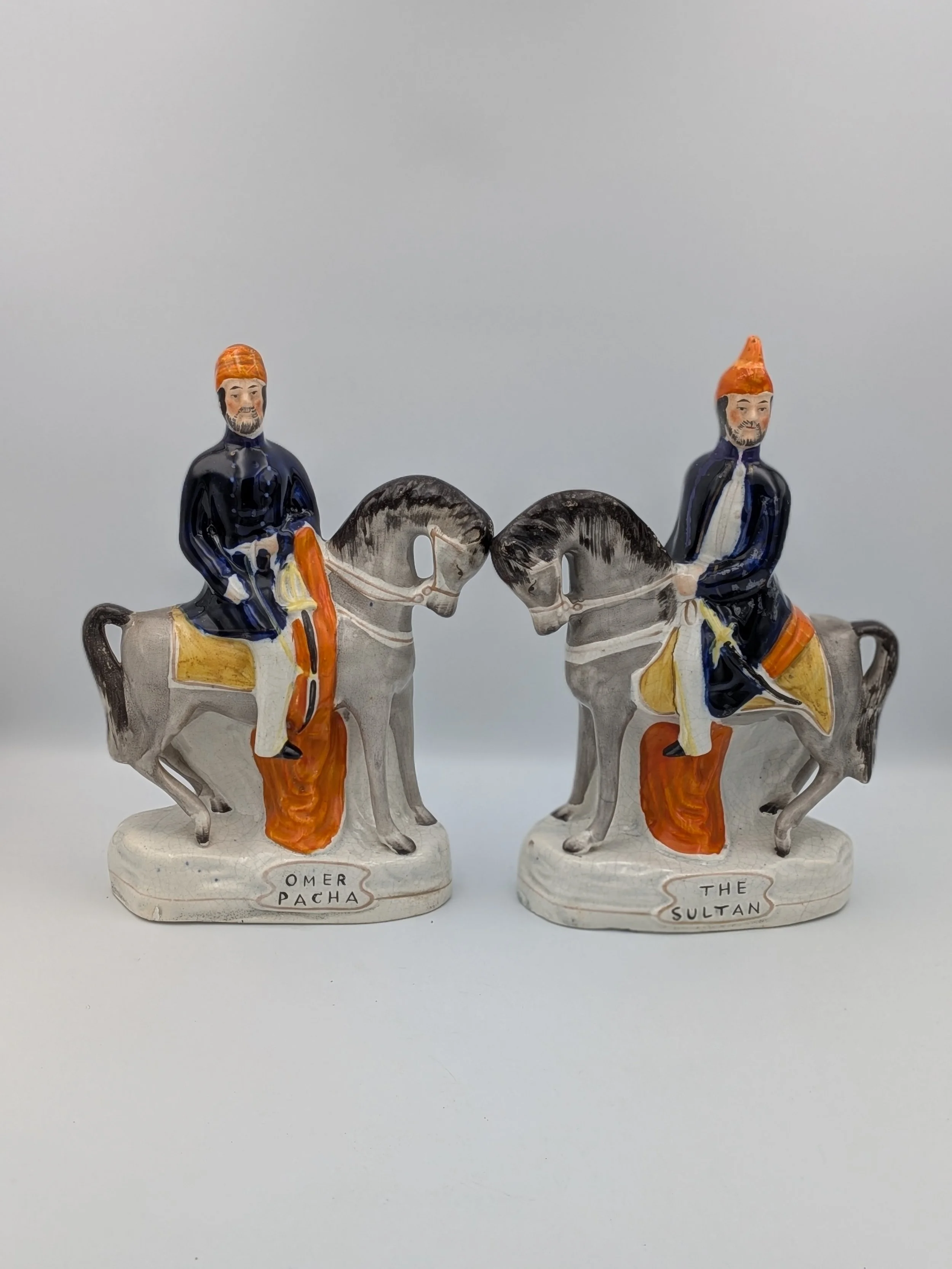 Image 2 of 34
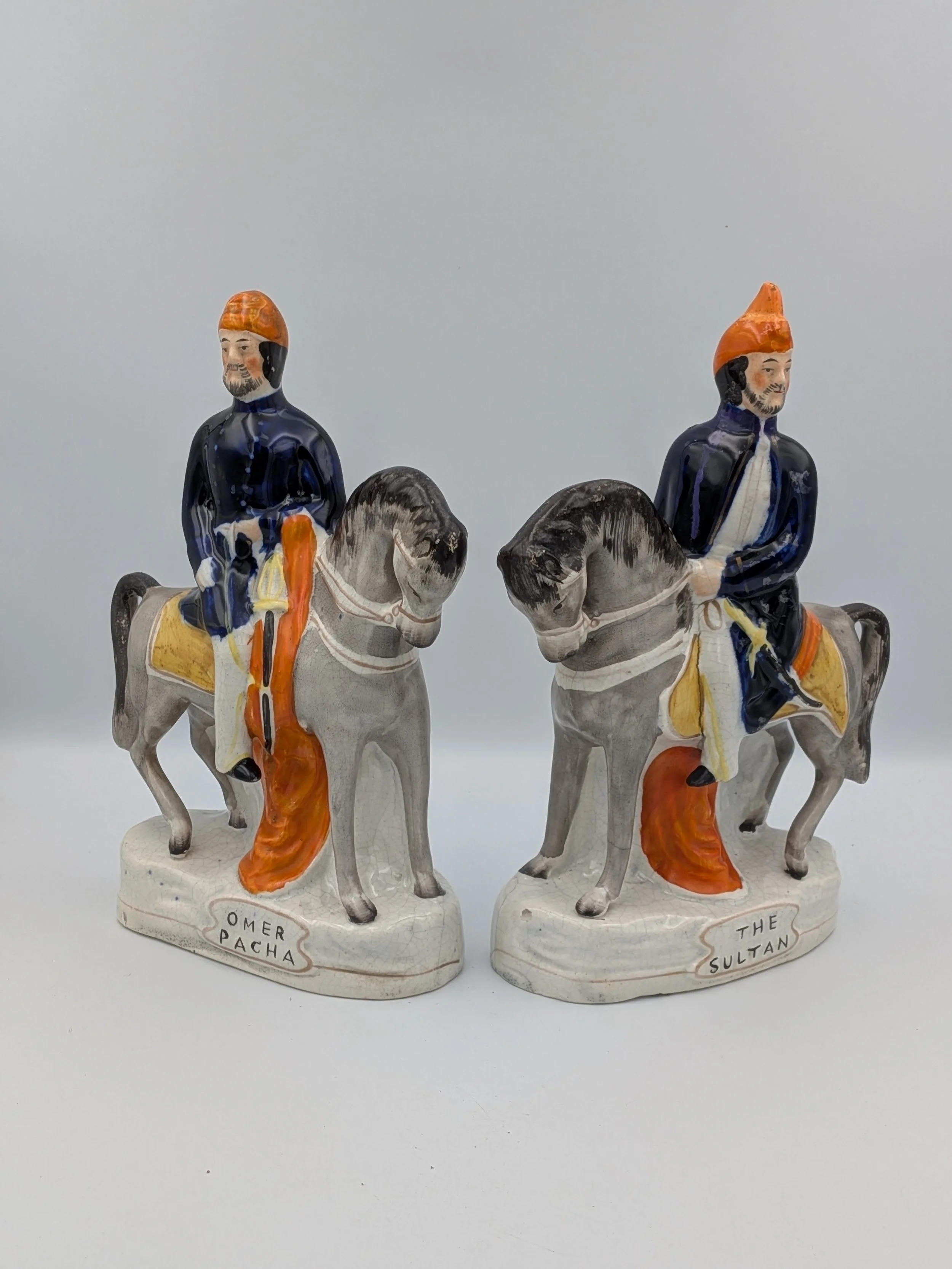 Image 3 of 34
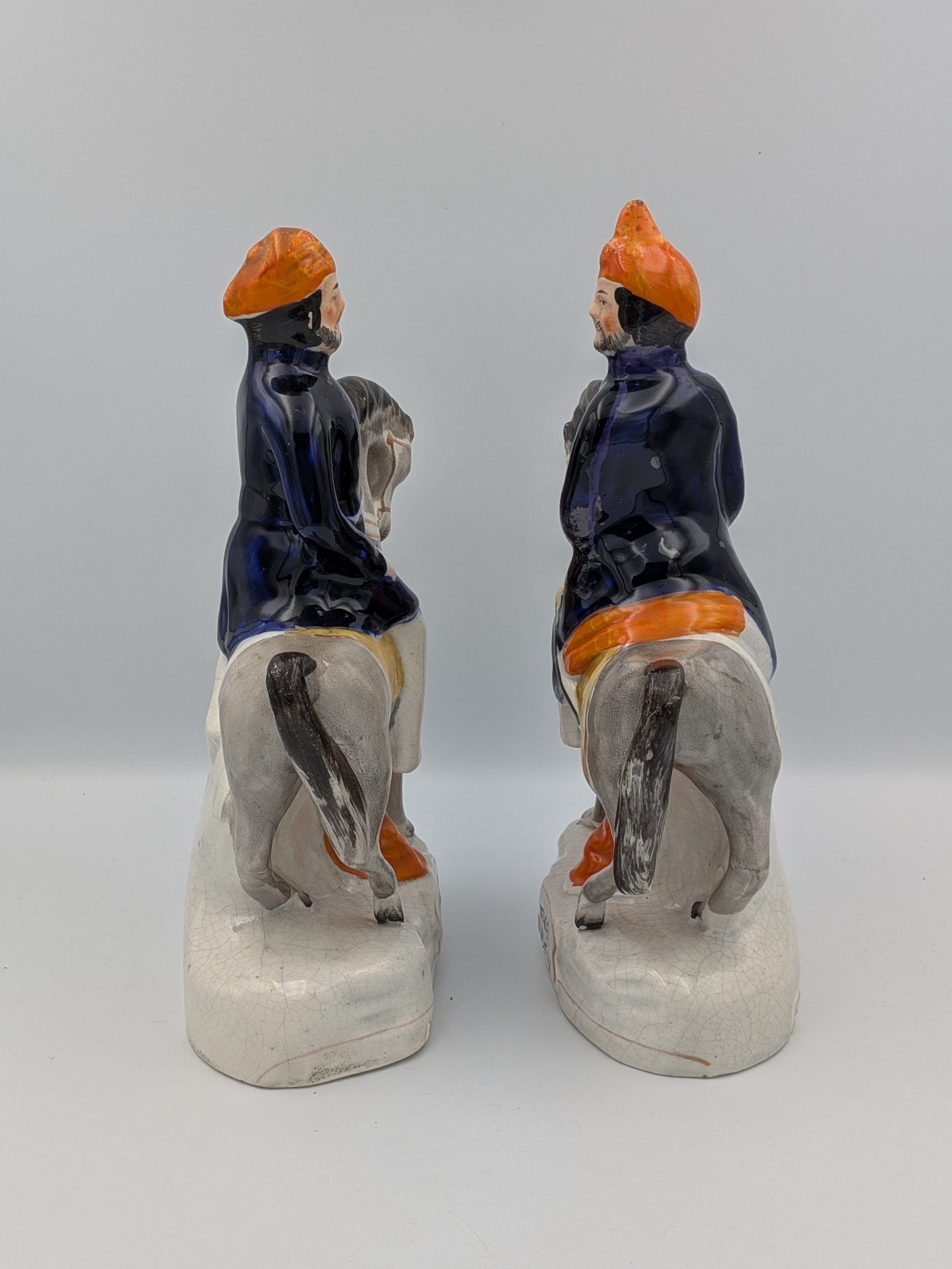 Image 4 of 34
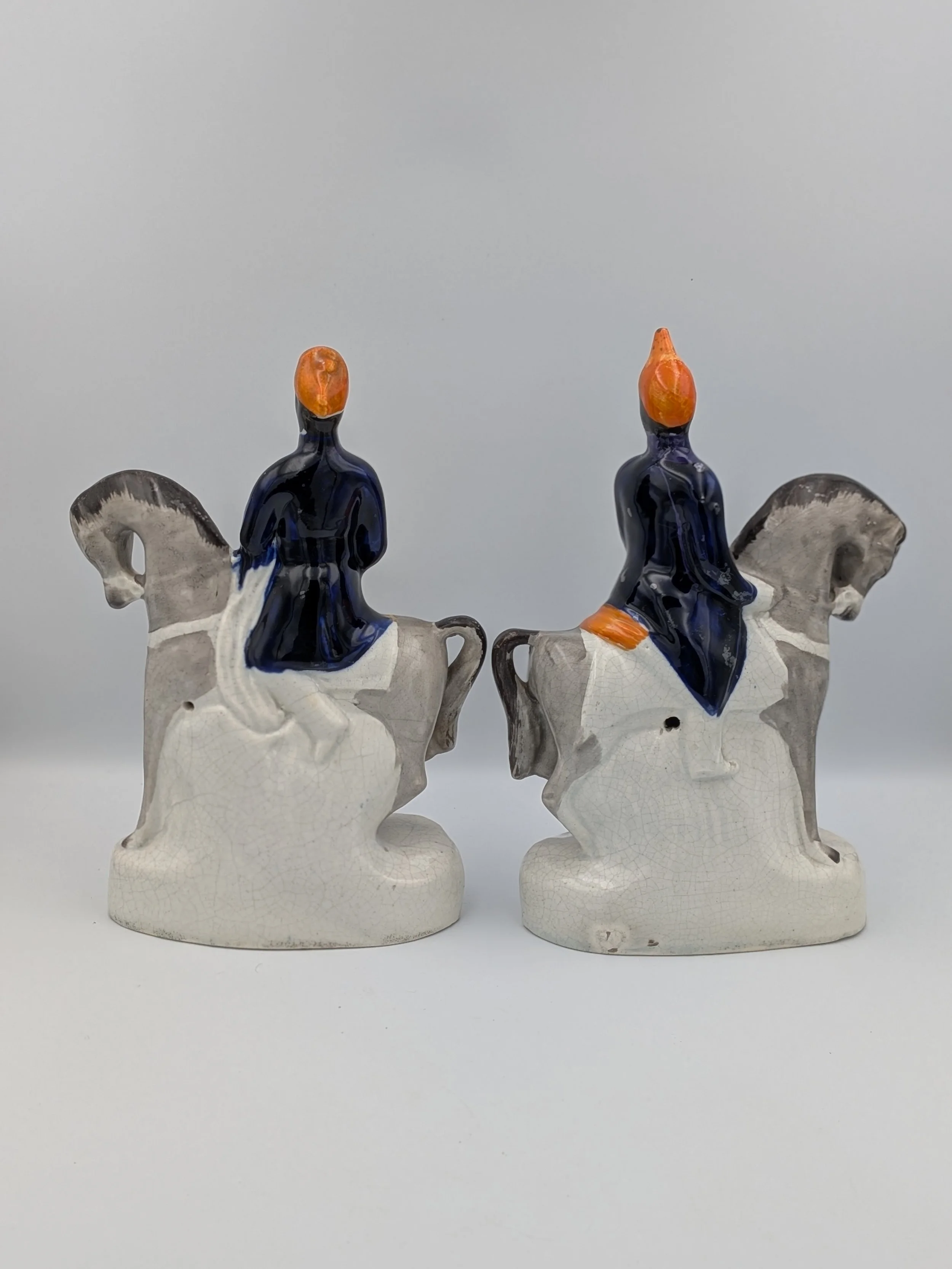 Image 5 of 34
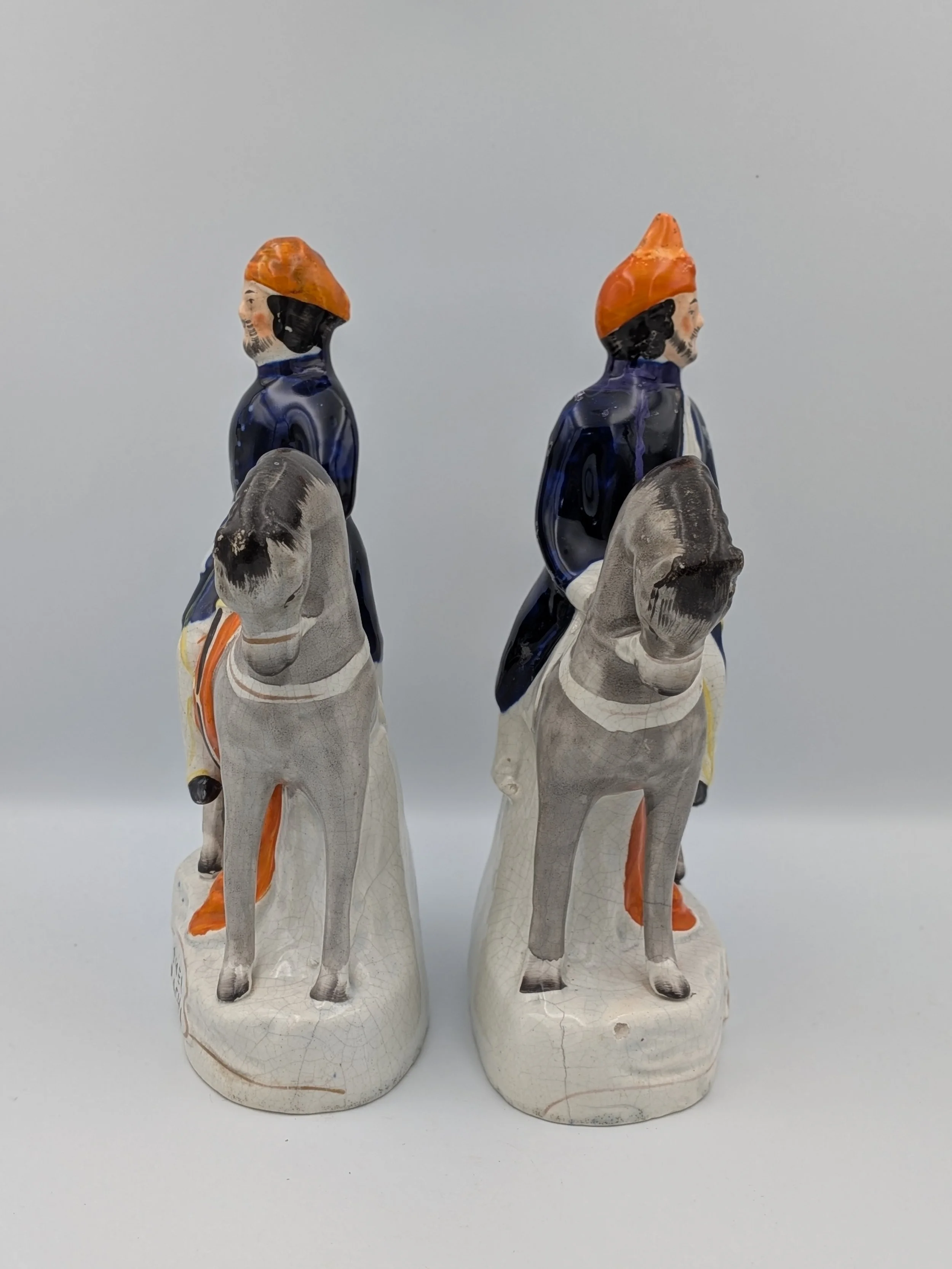 Image 6 of 34
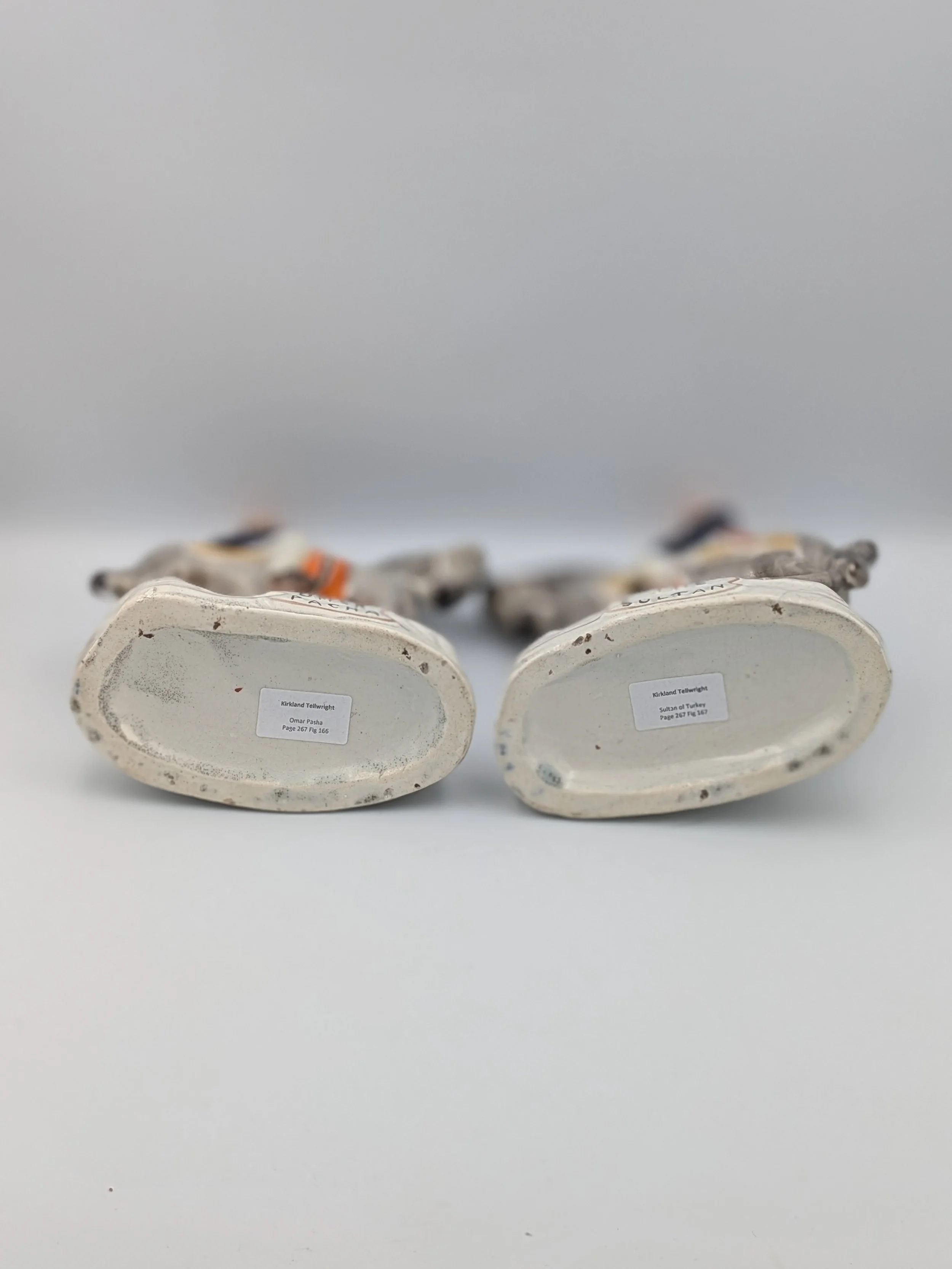 Image 7 of 34
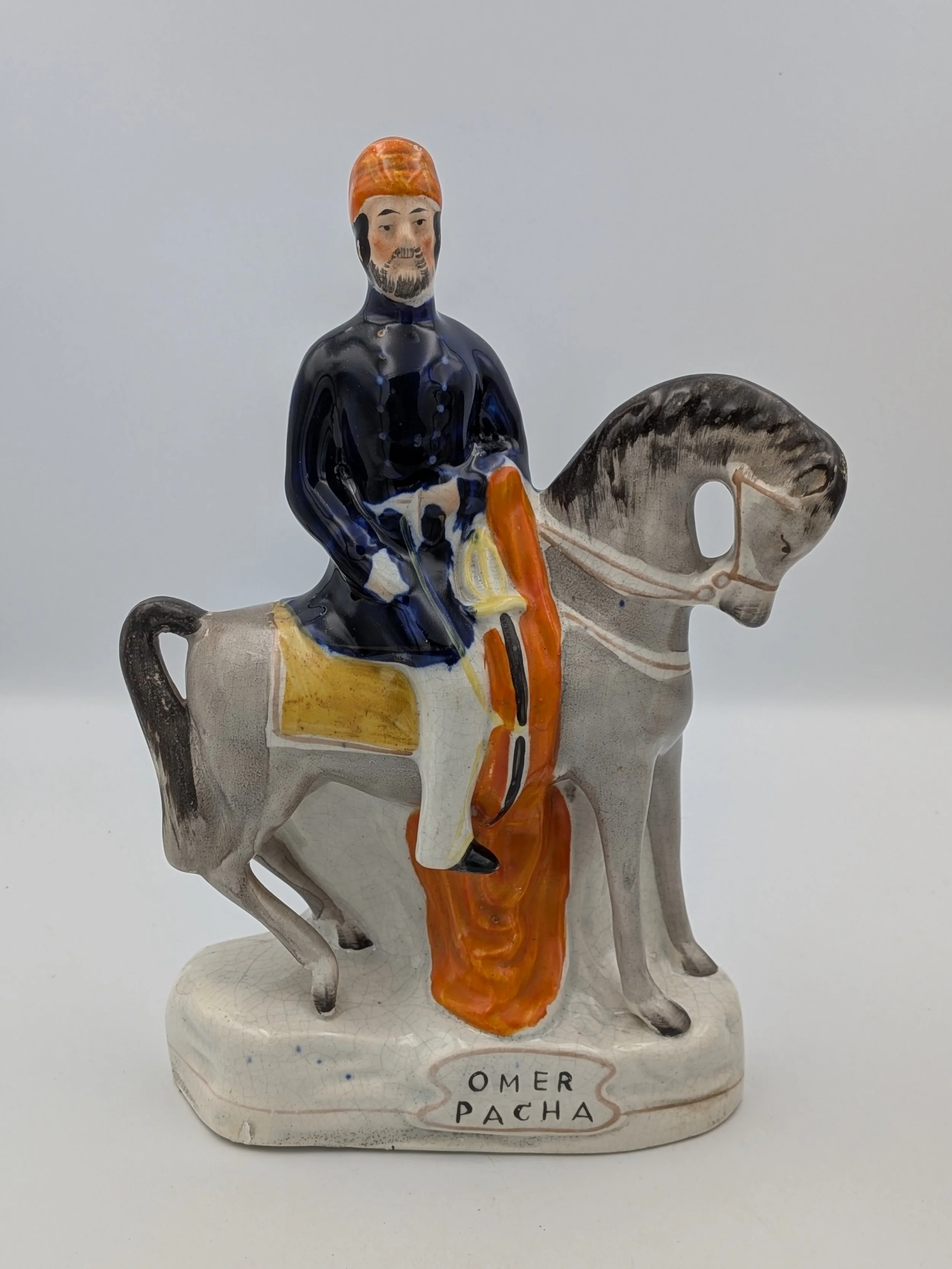 Image 8 of 34
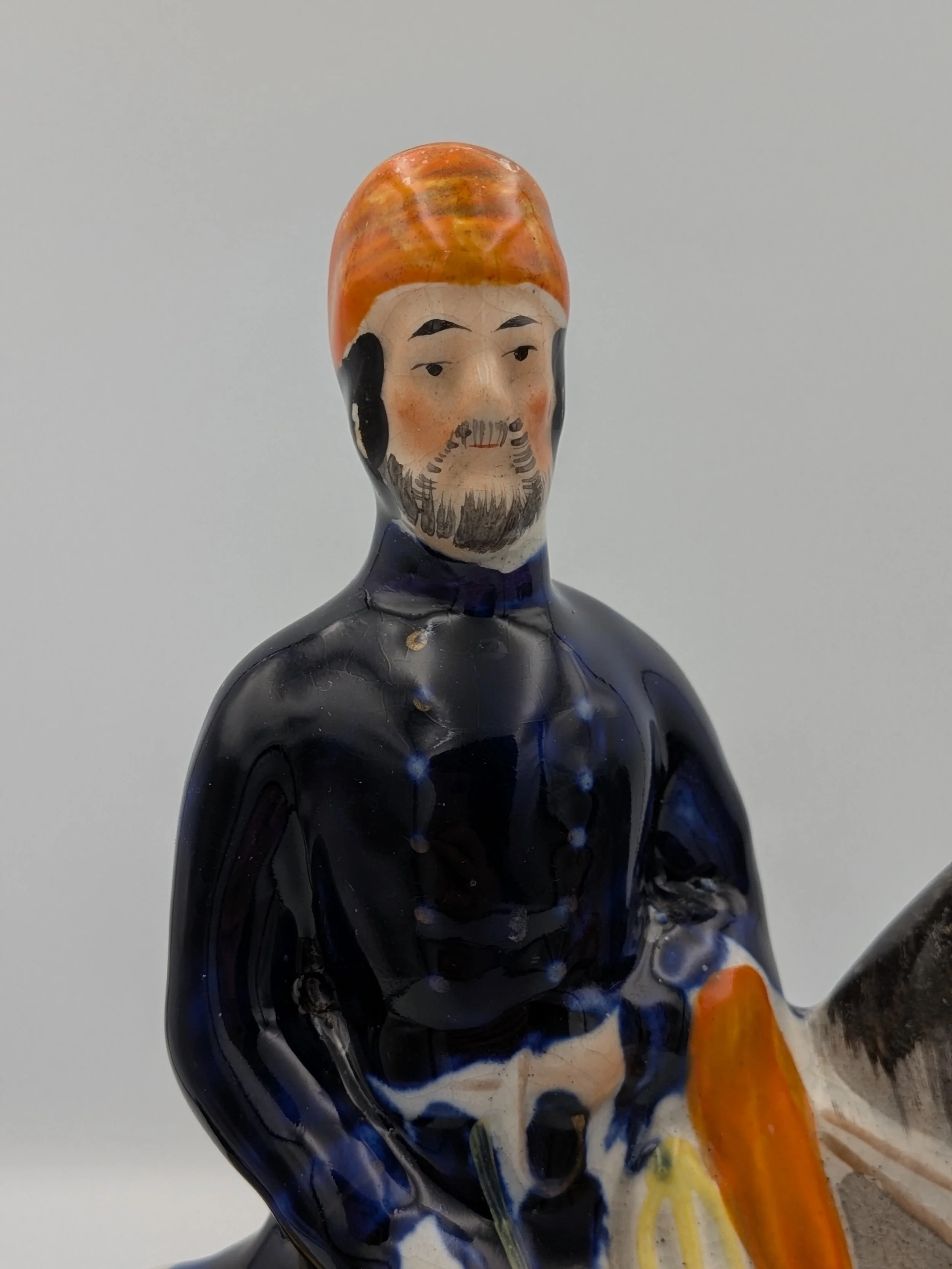 Image 9 of 34
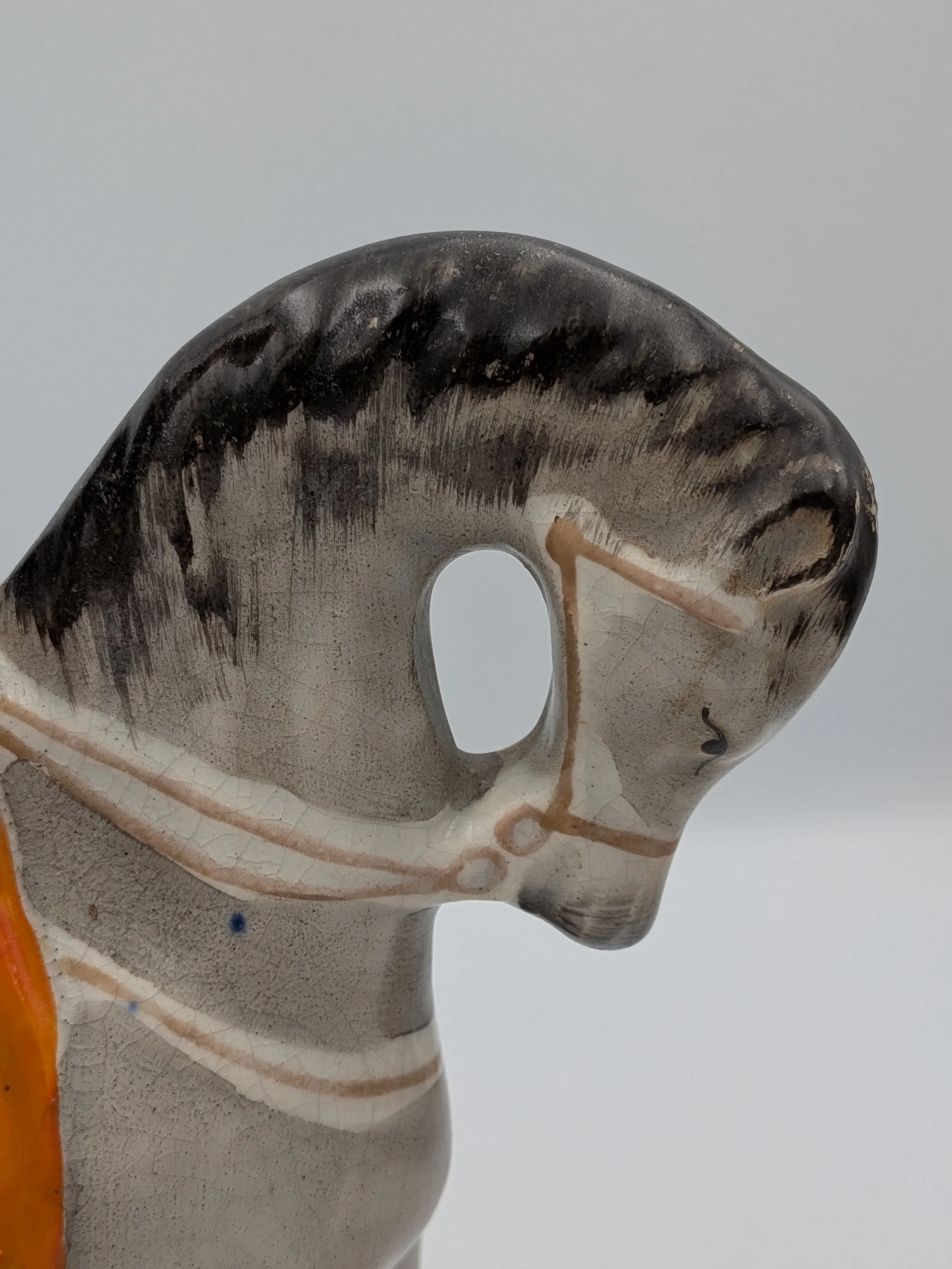 Image 10 of 34
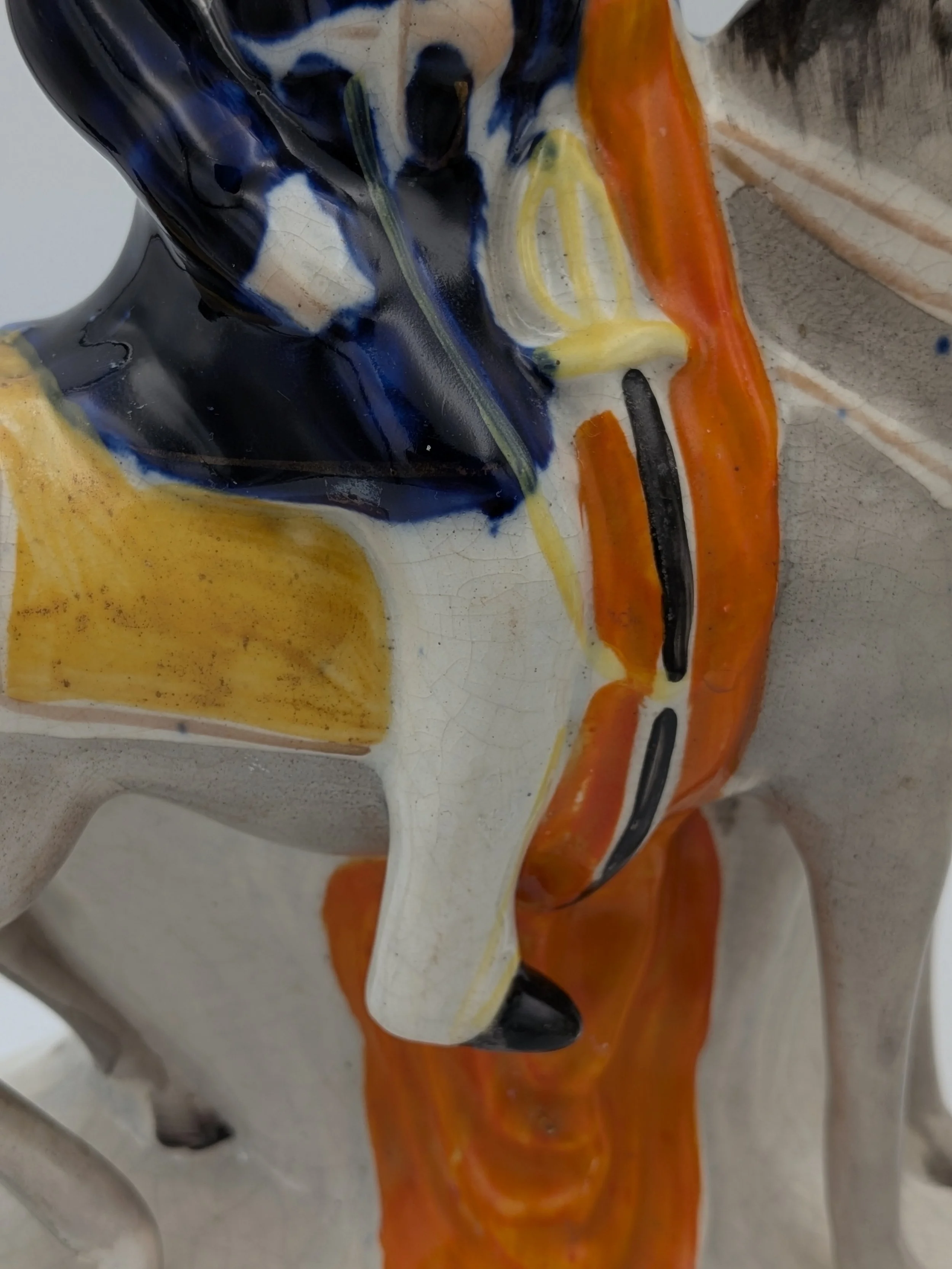 Image 11 of 34
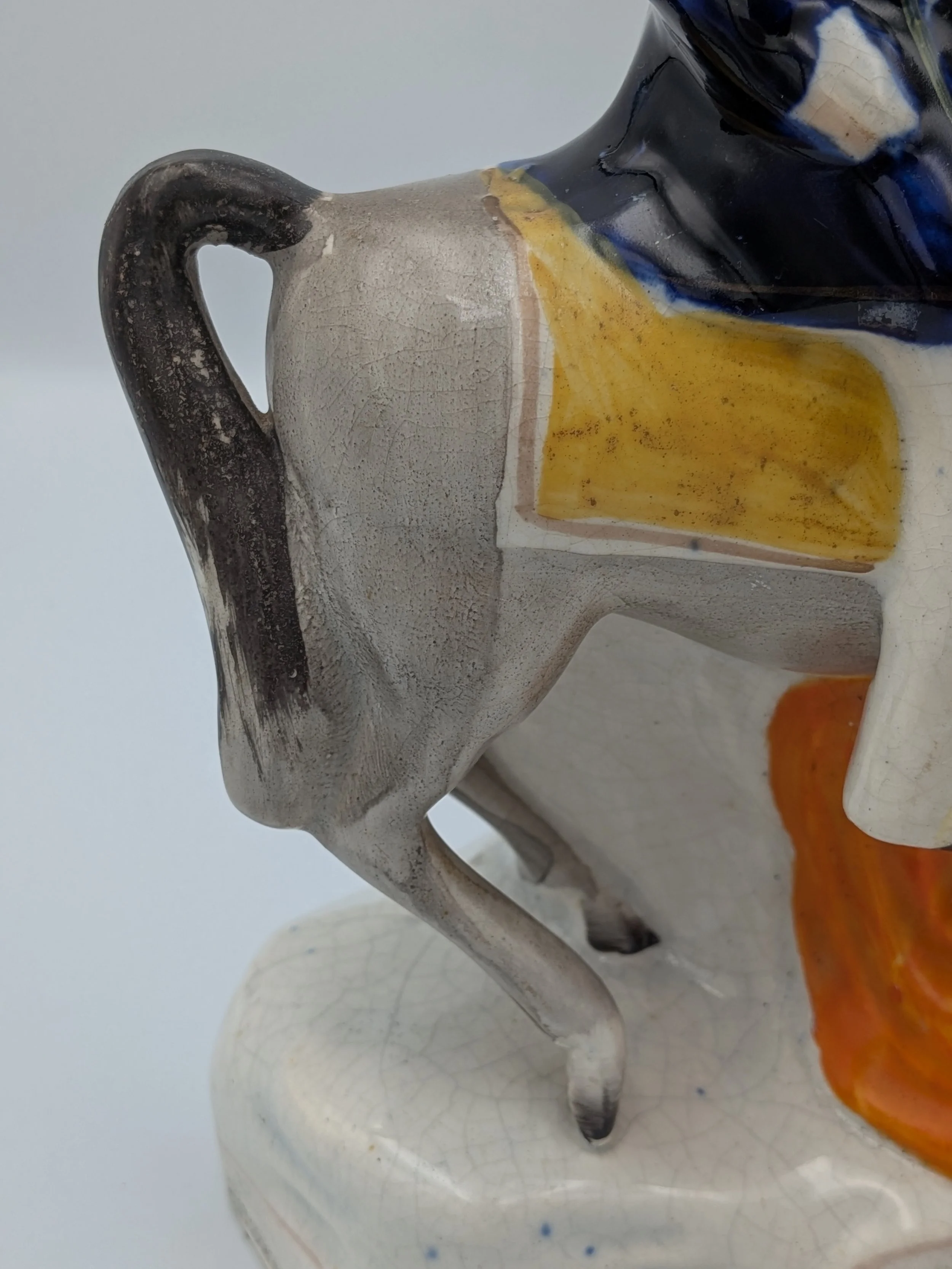 Image 12 of 34
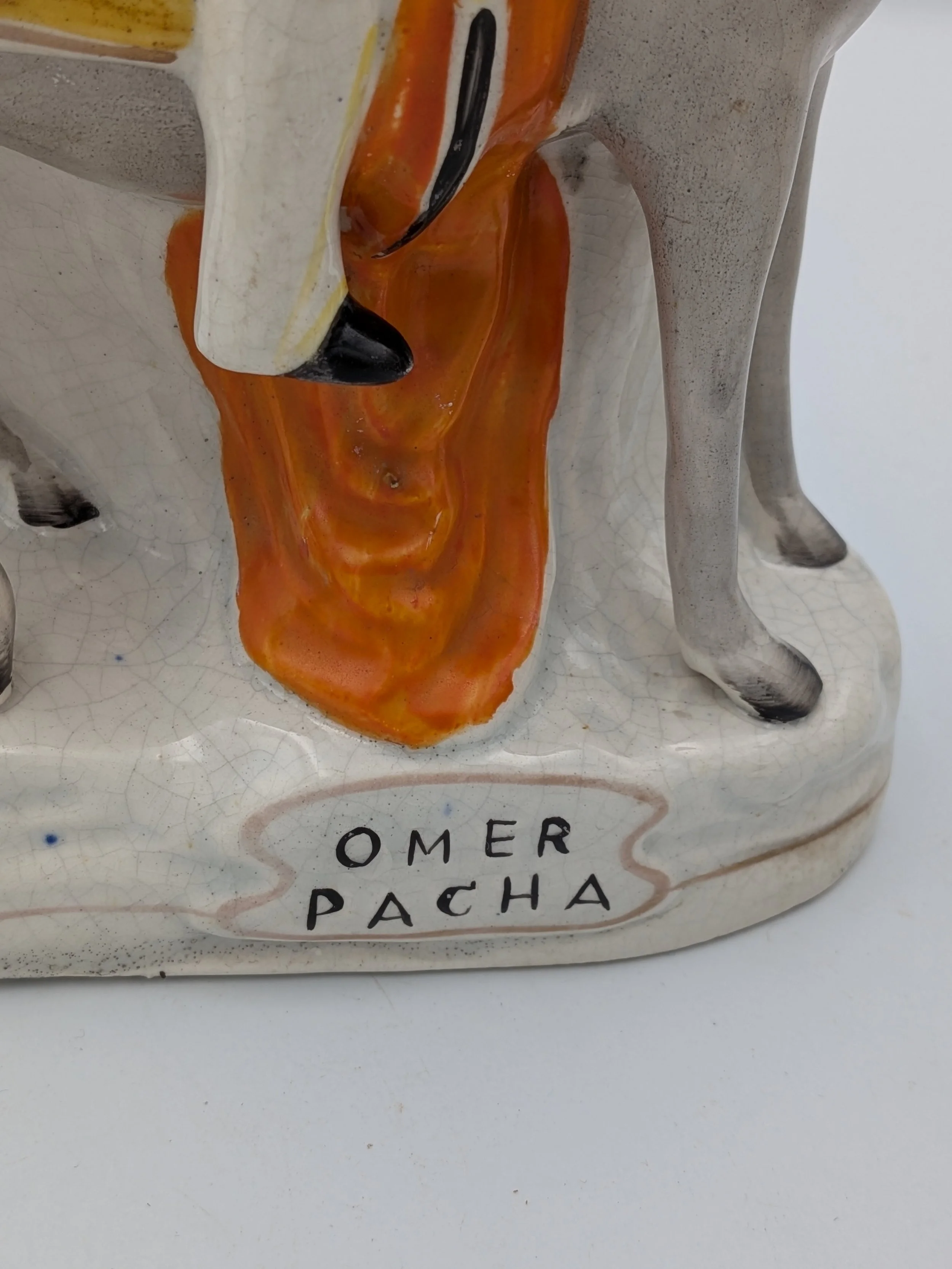 Image 13 of 34
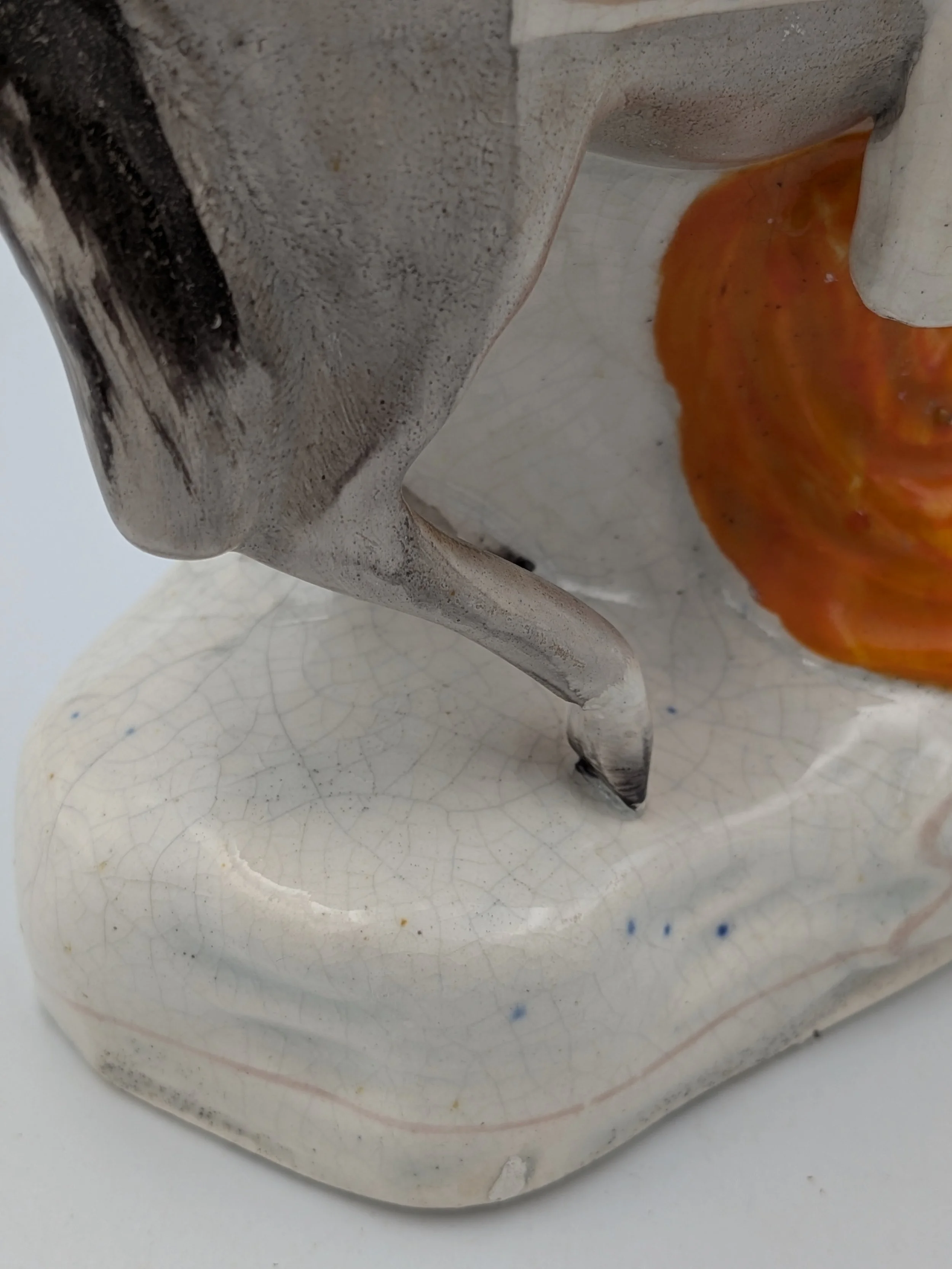 Image 14 of 34
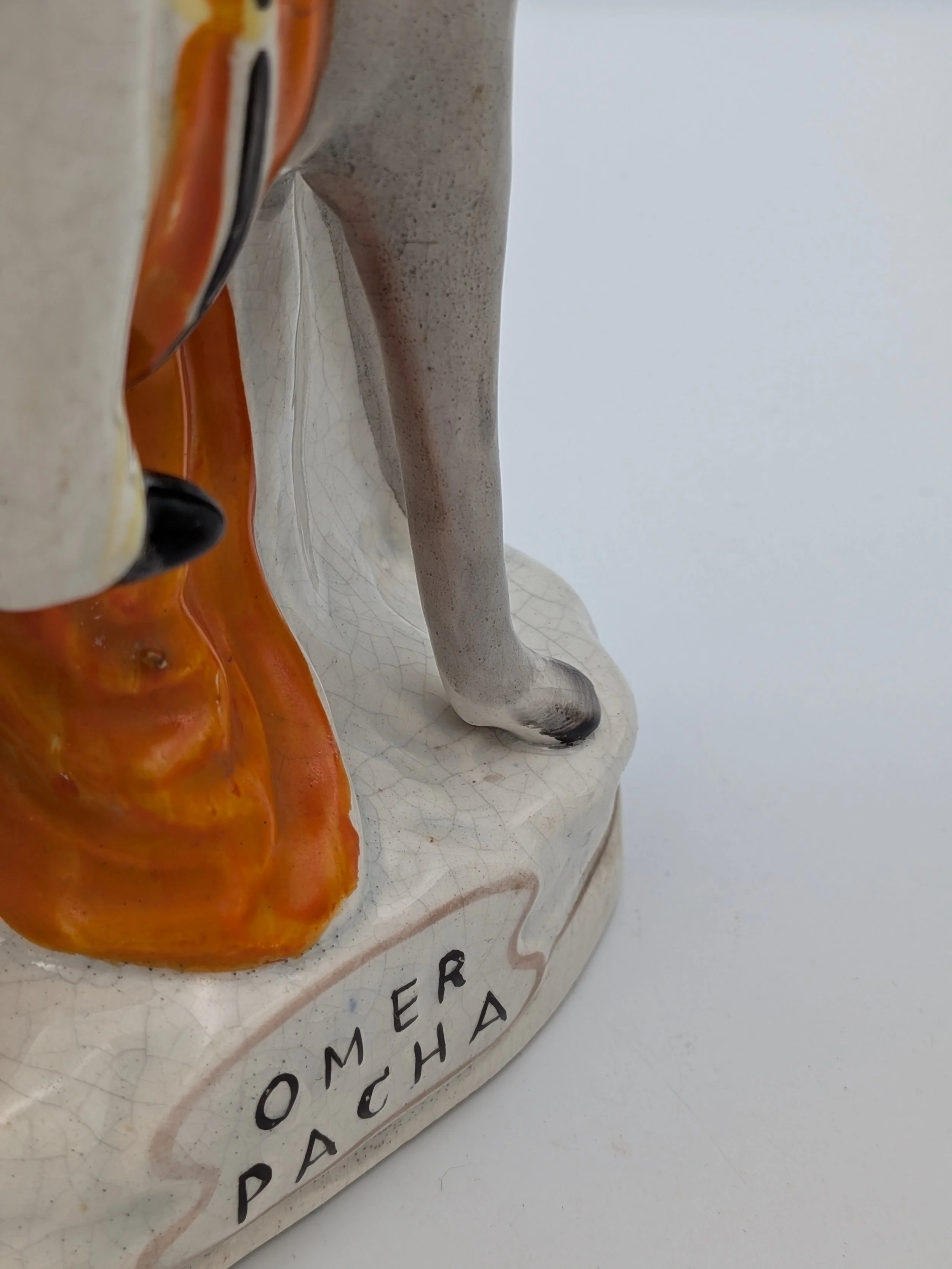 Image 15 of 34
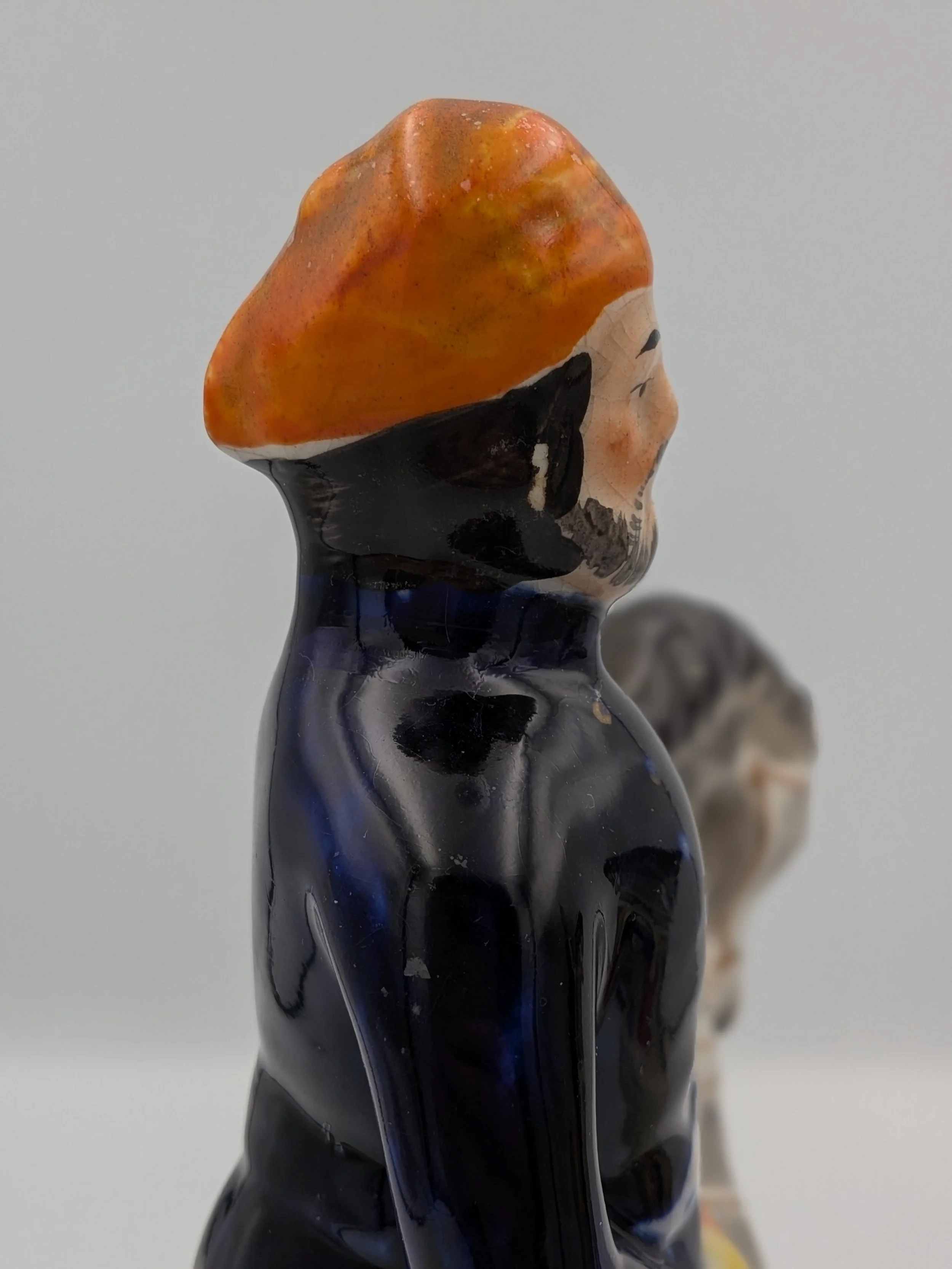 Image 16 of 34
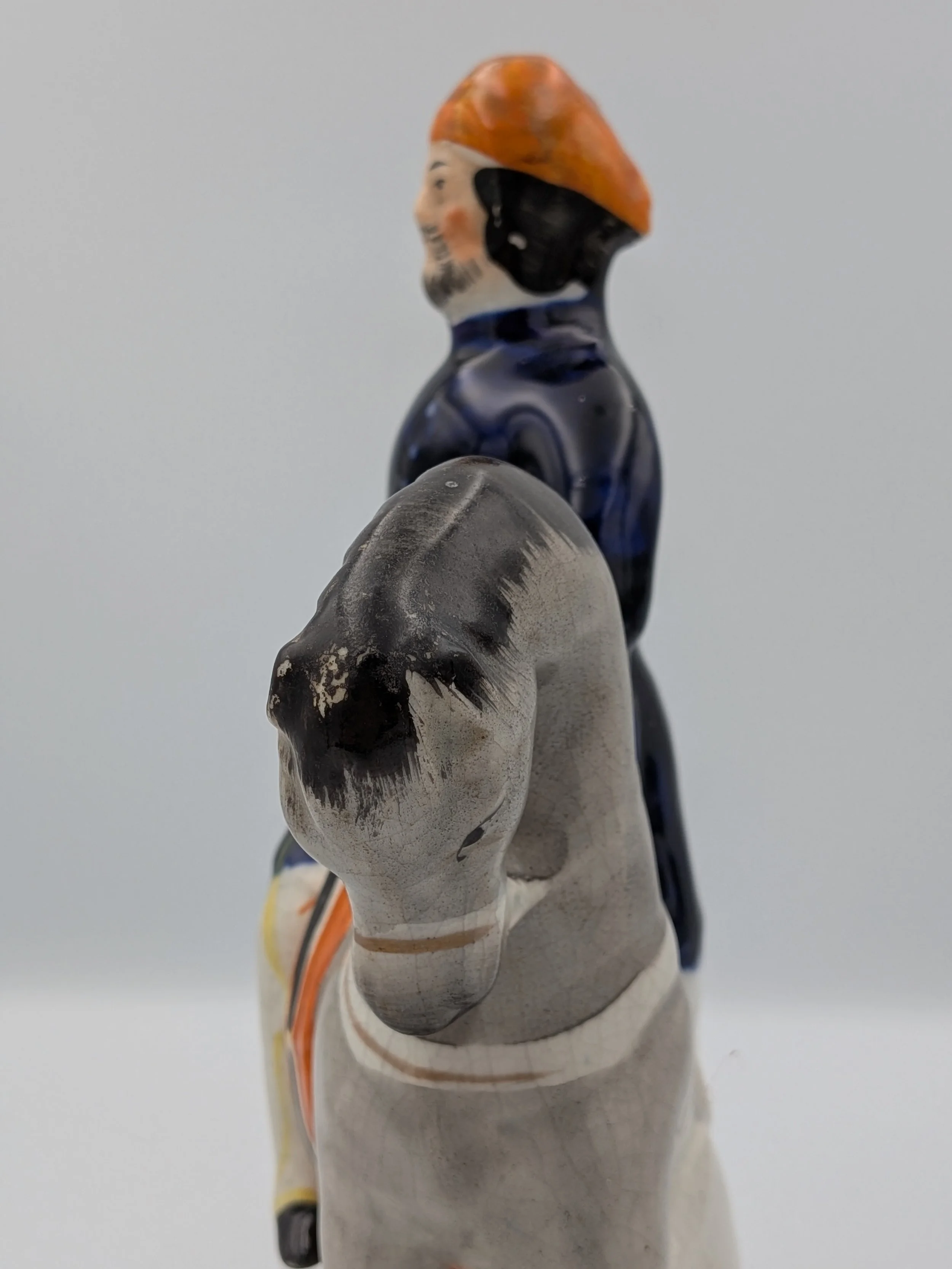 Image 17 of 34
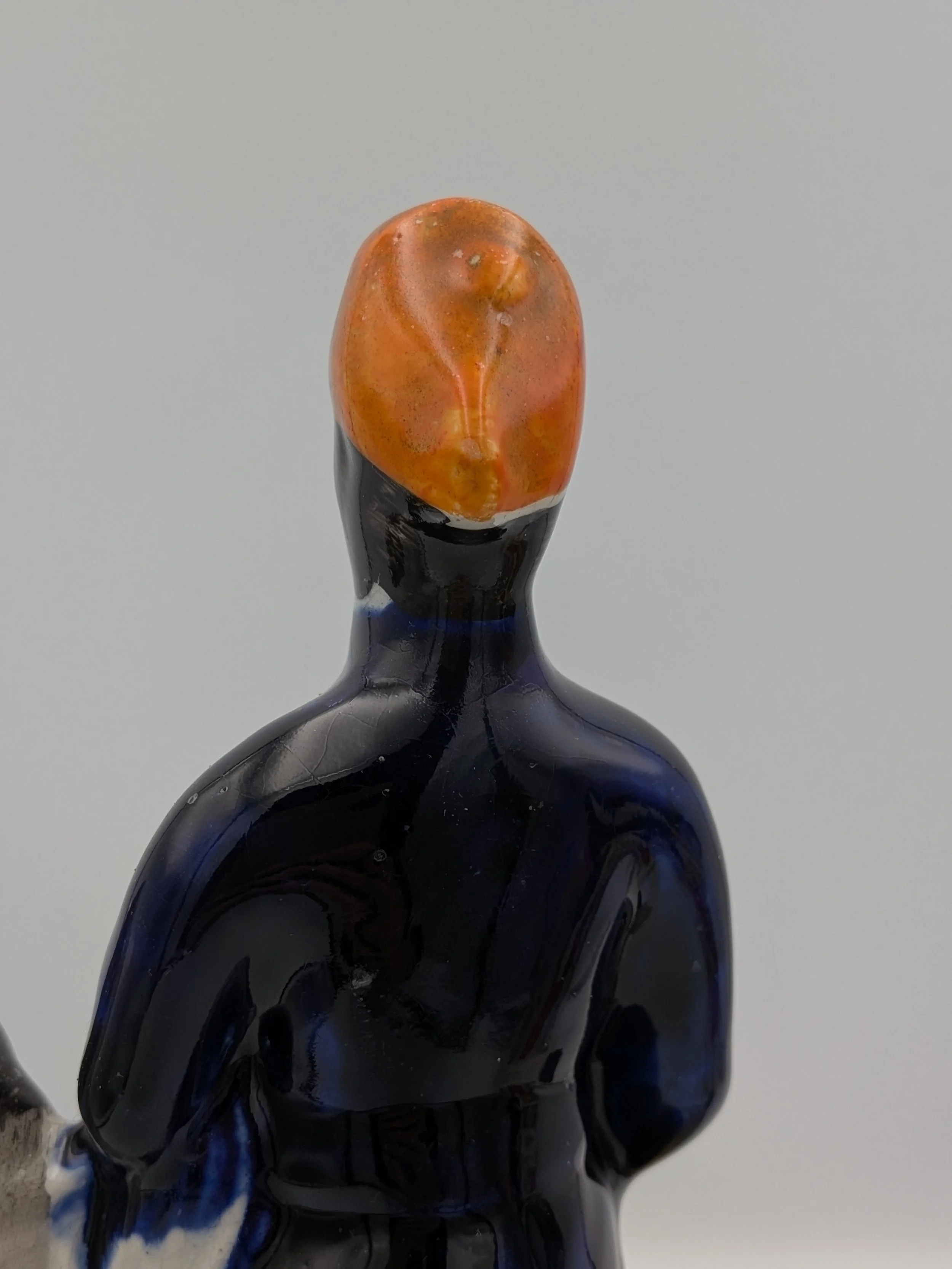 Image 18 of 34
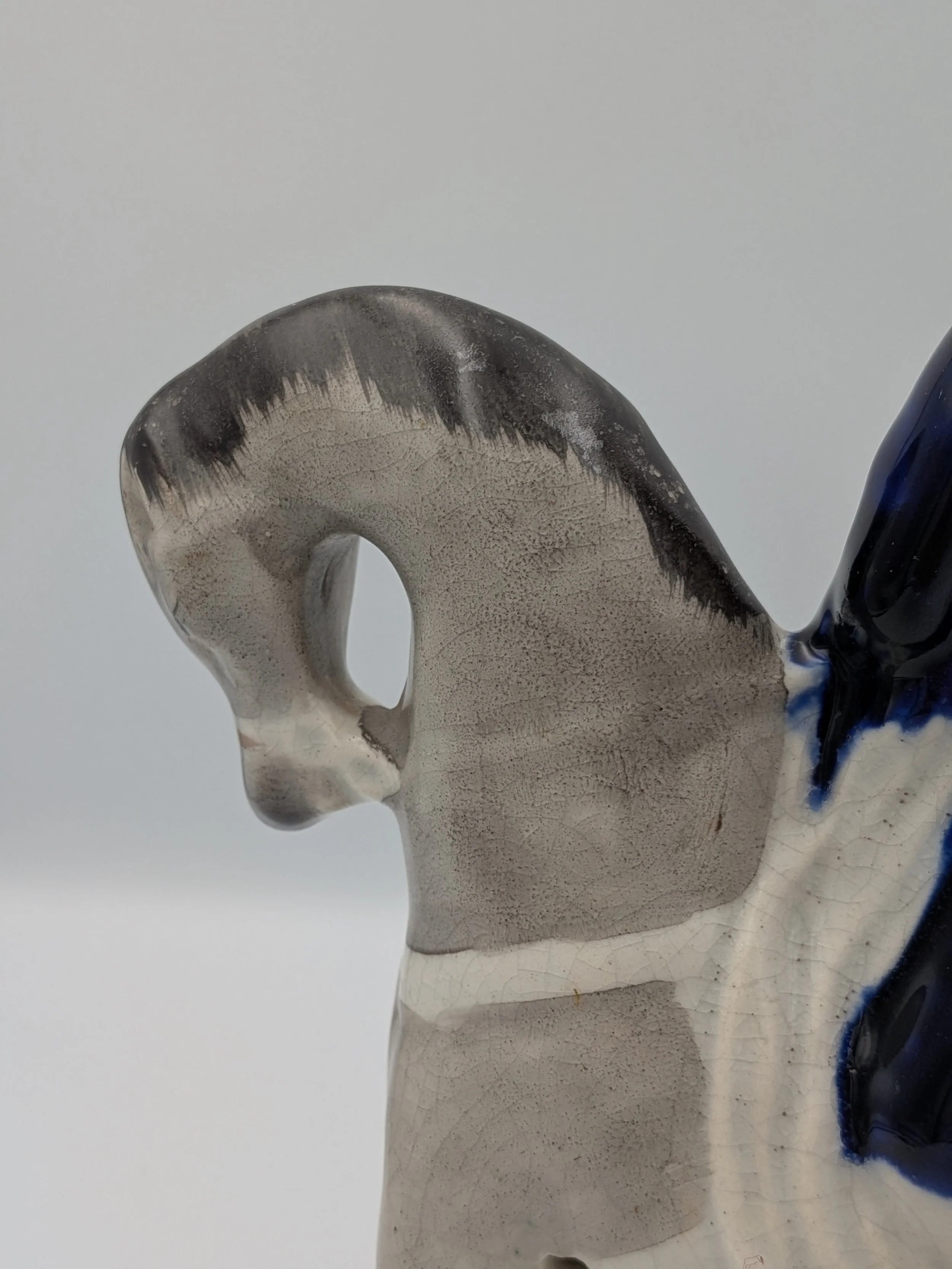 Image 19 of 34
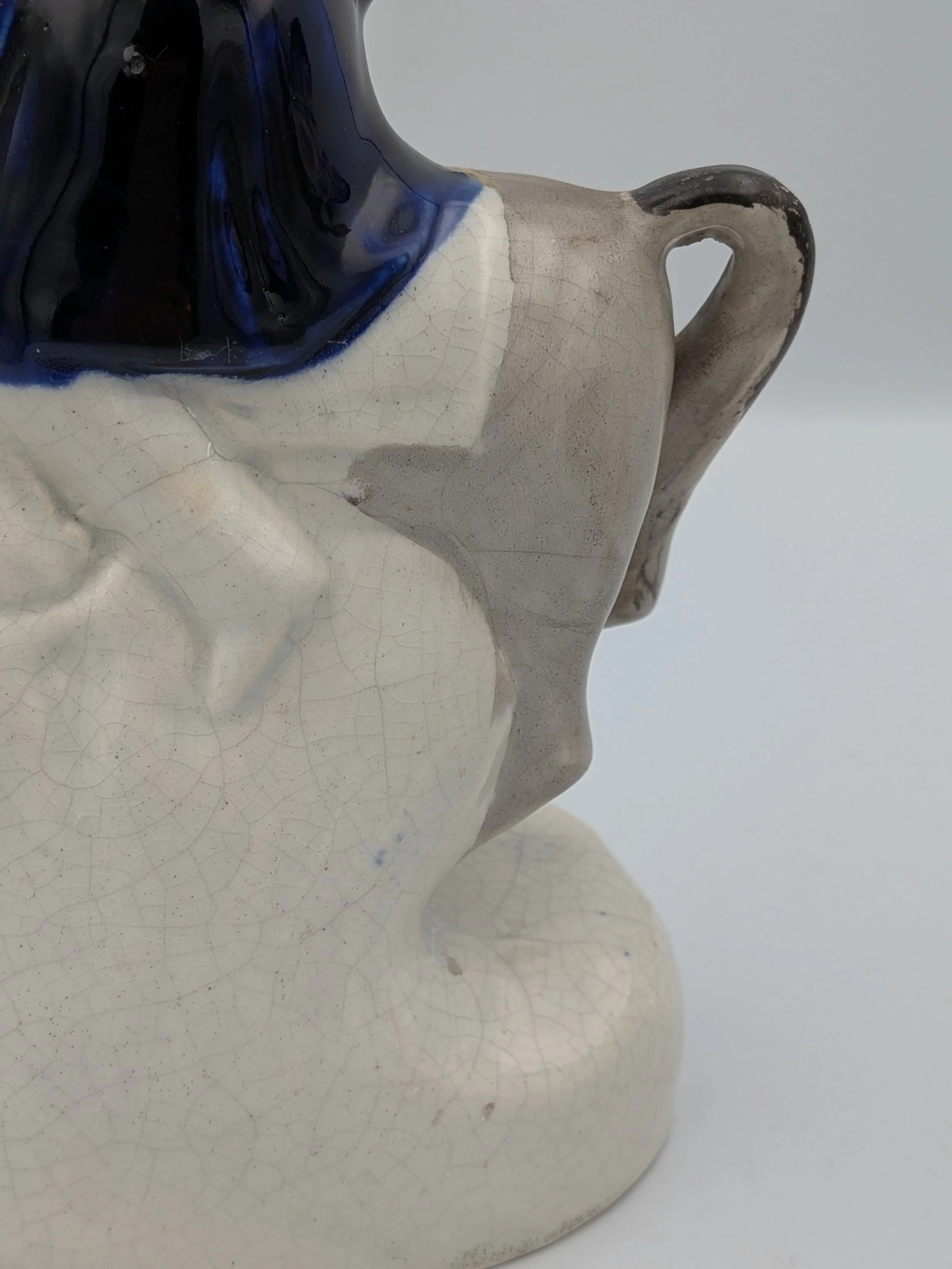 Image 20 of 34
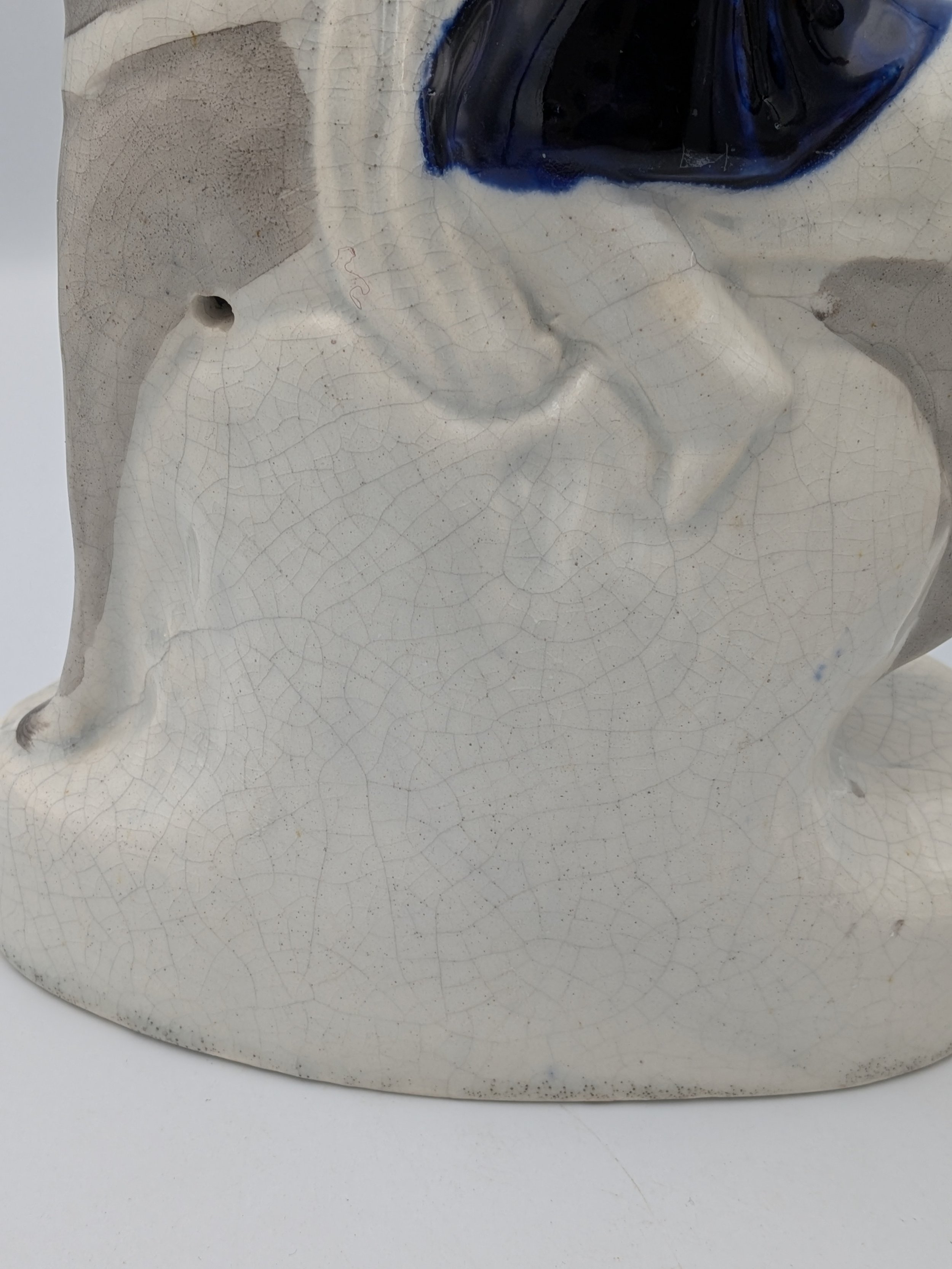 Image 21 of 34
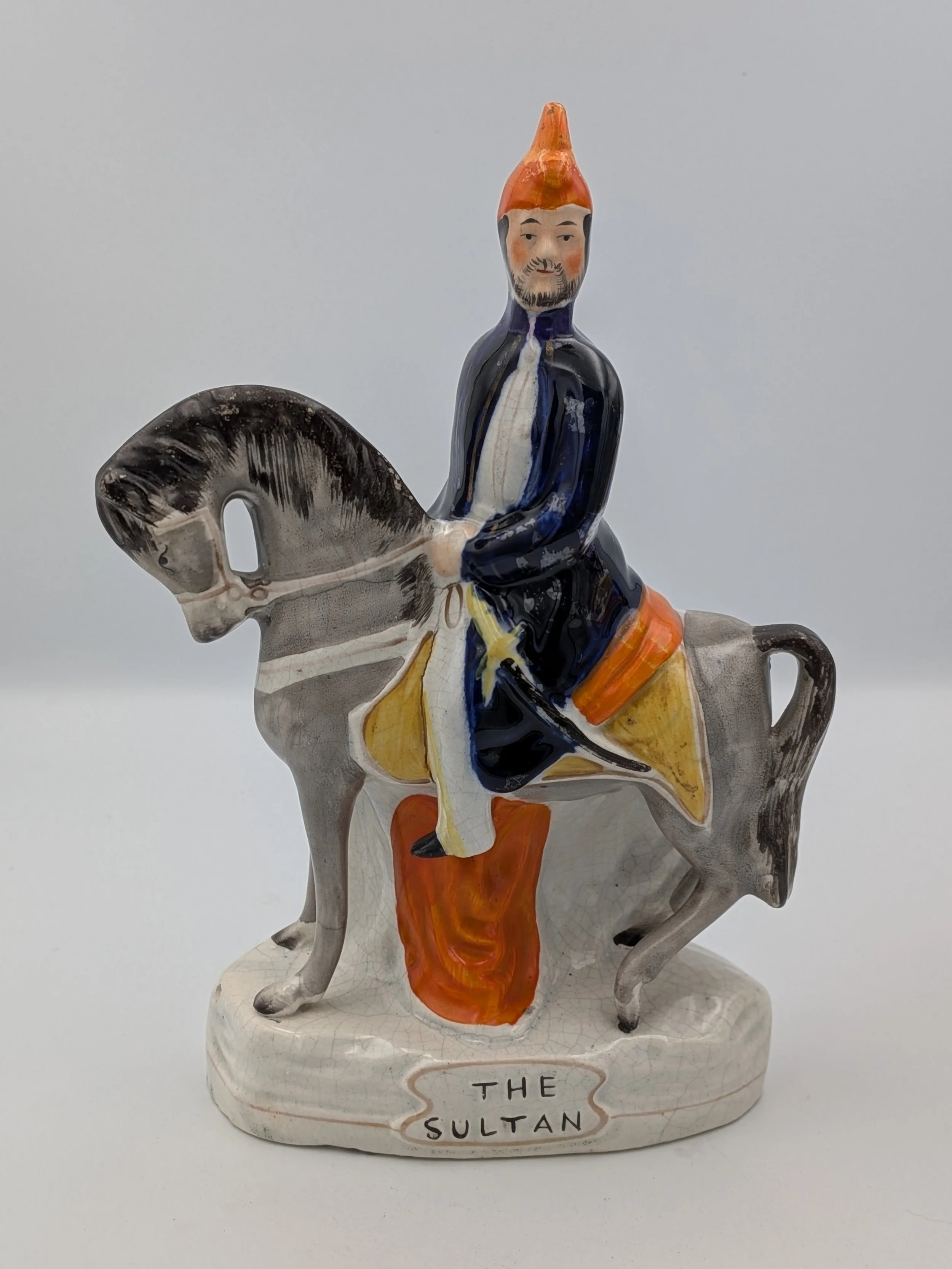 Image 22 of 34
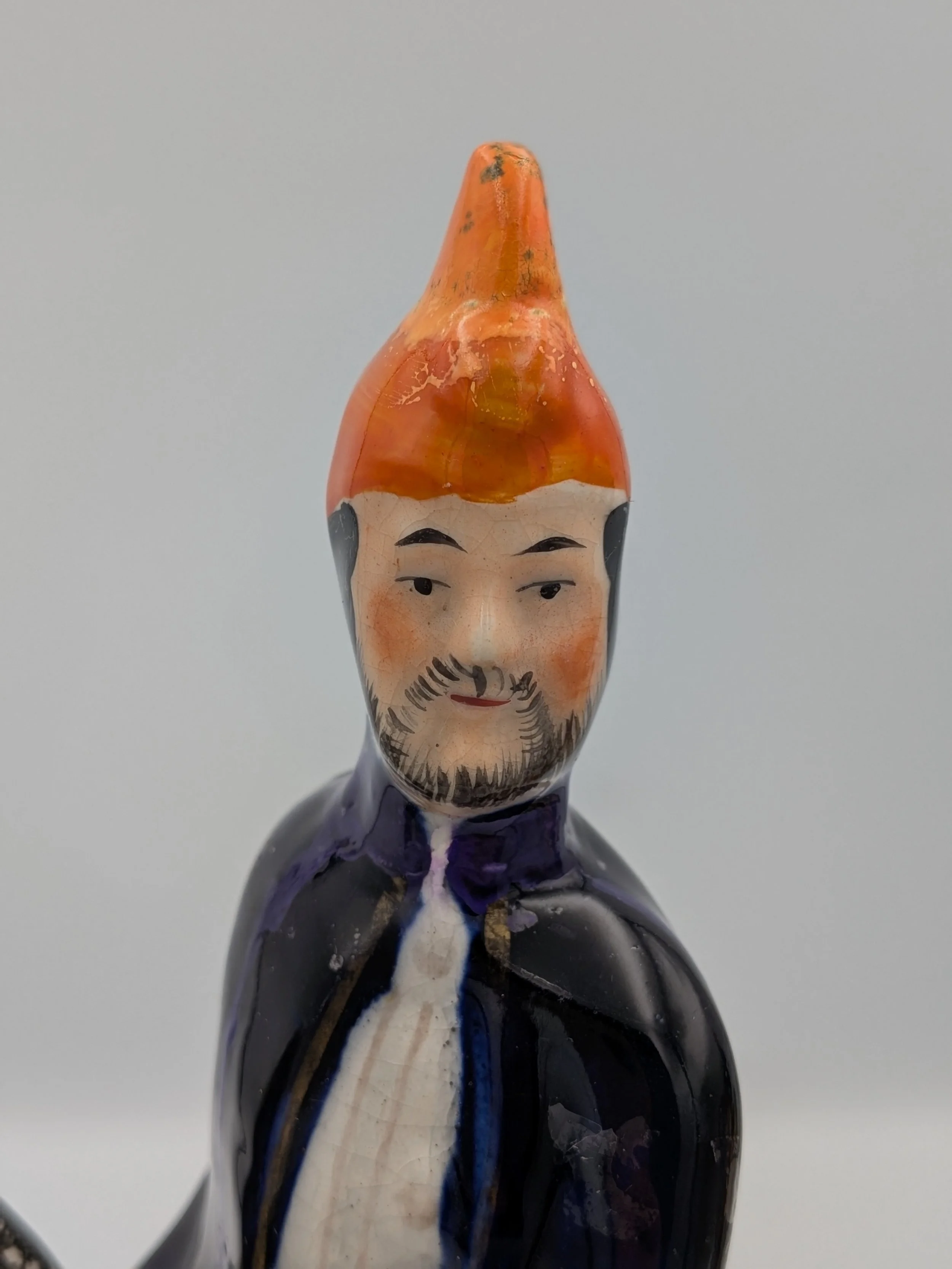 Image 23 of 34
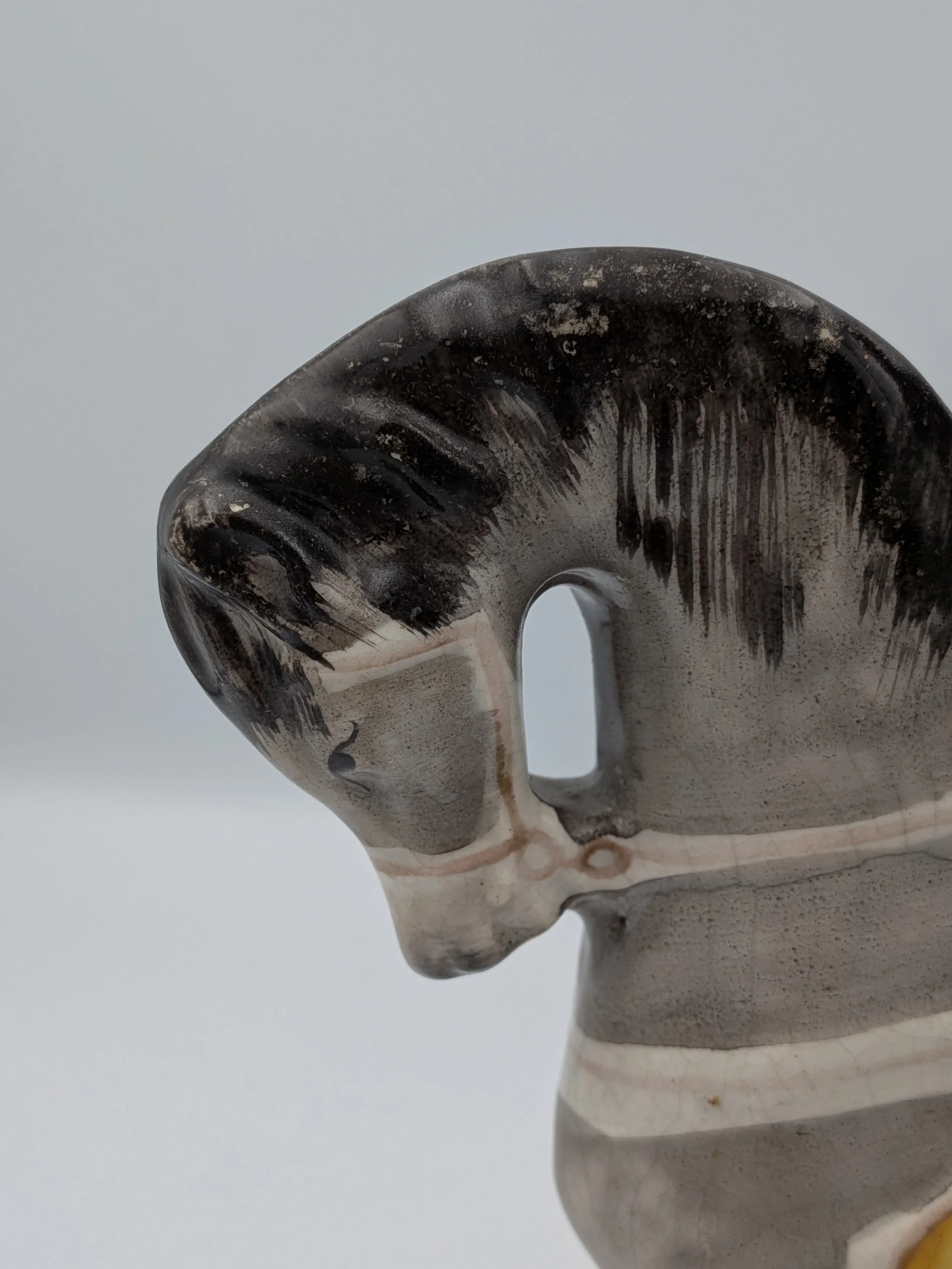 Image 24 of 34
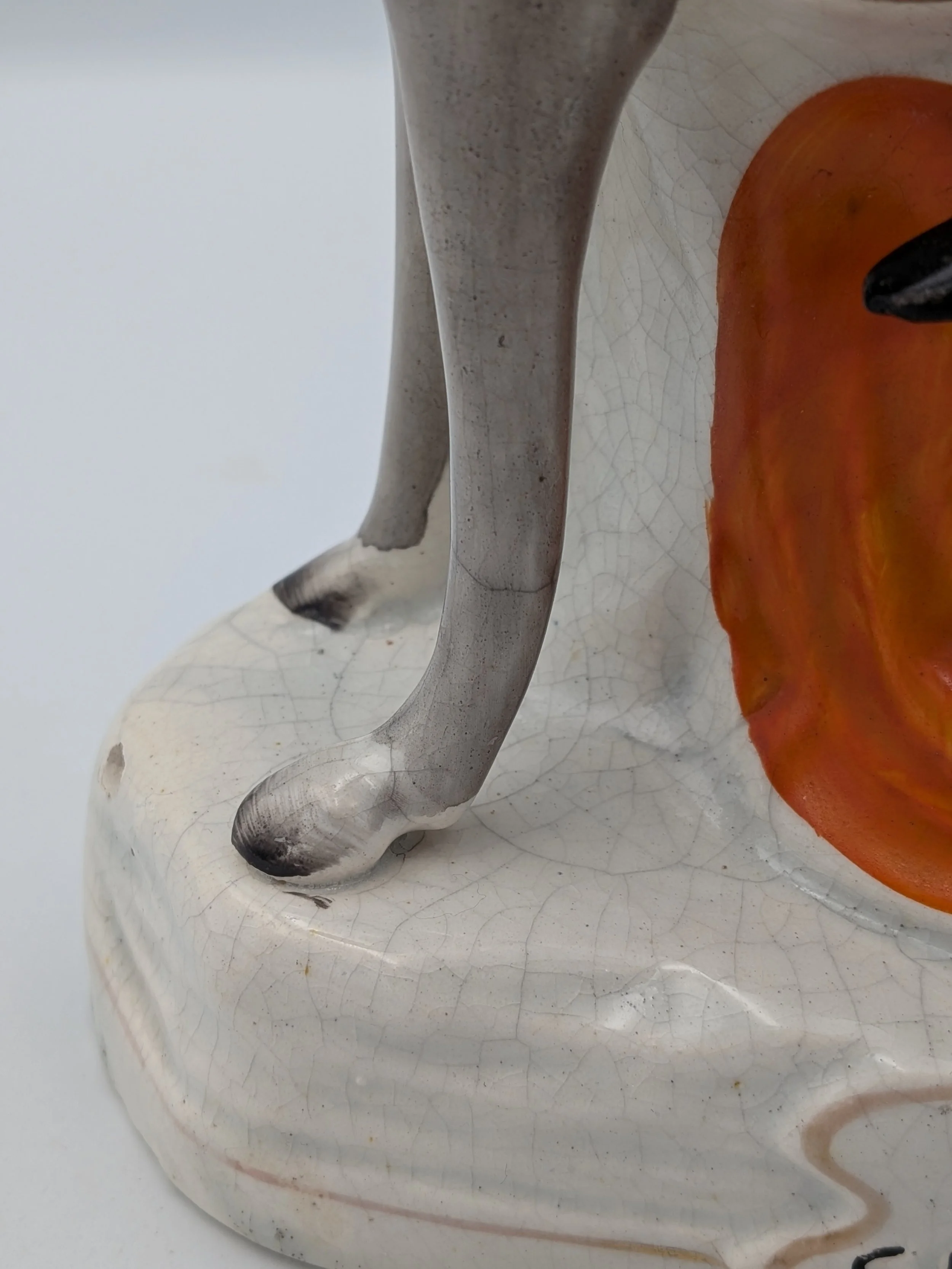 Image 25 of 34
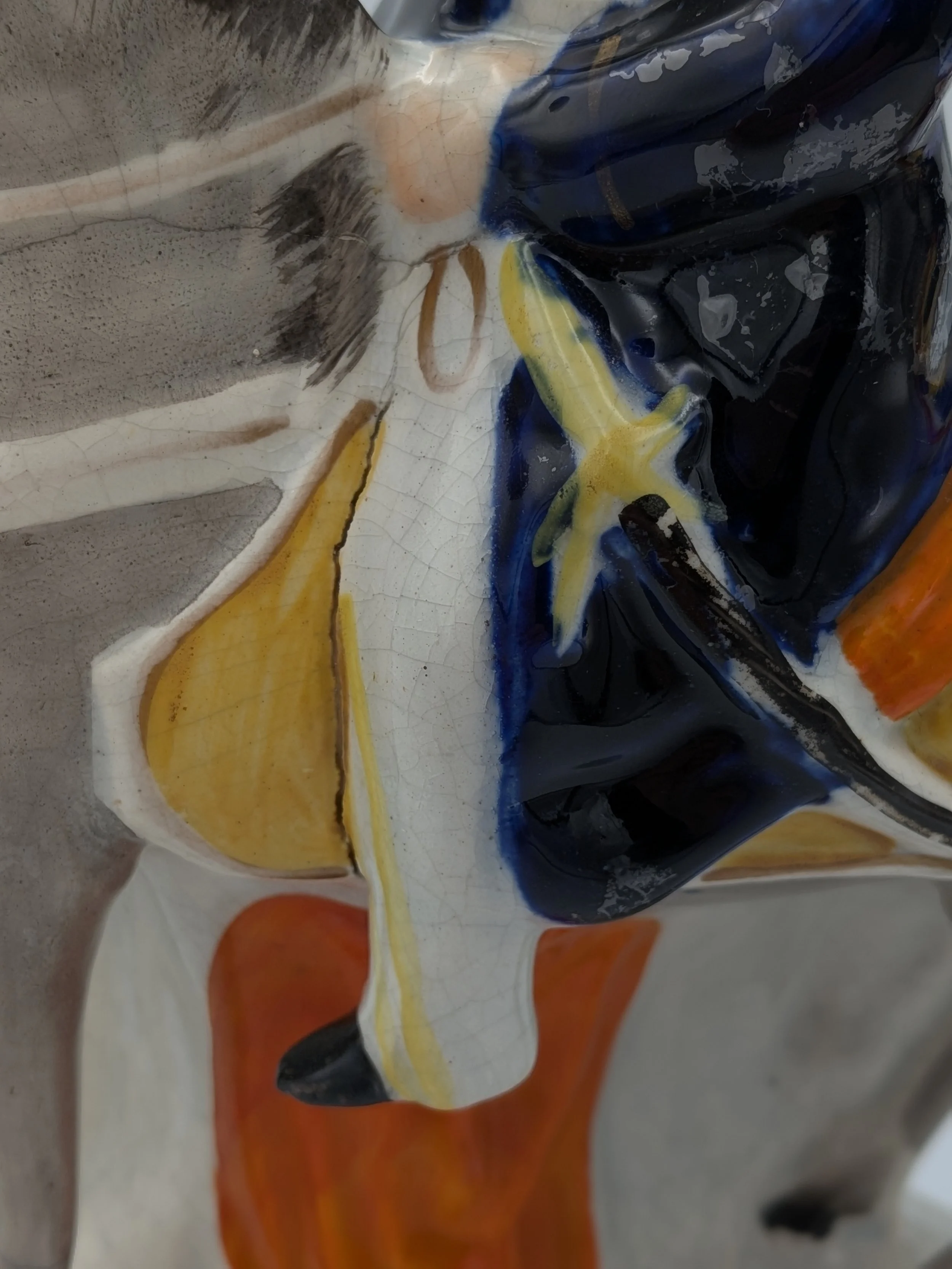 Image 26 of 34
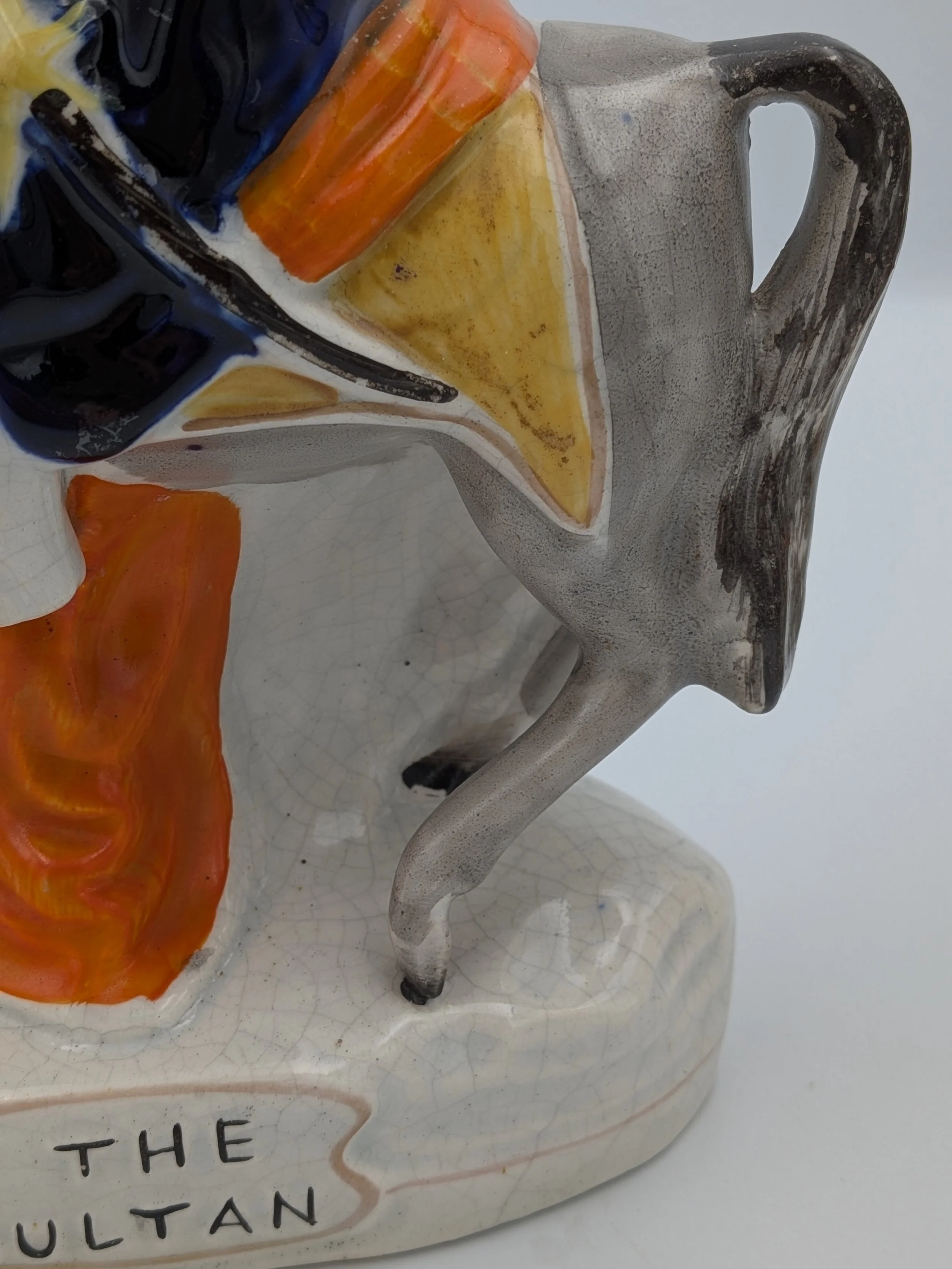 Image 27 of 34
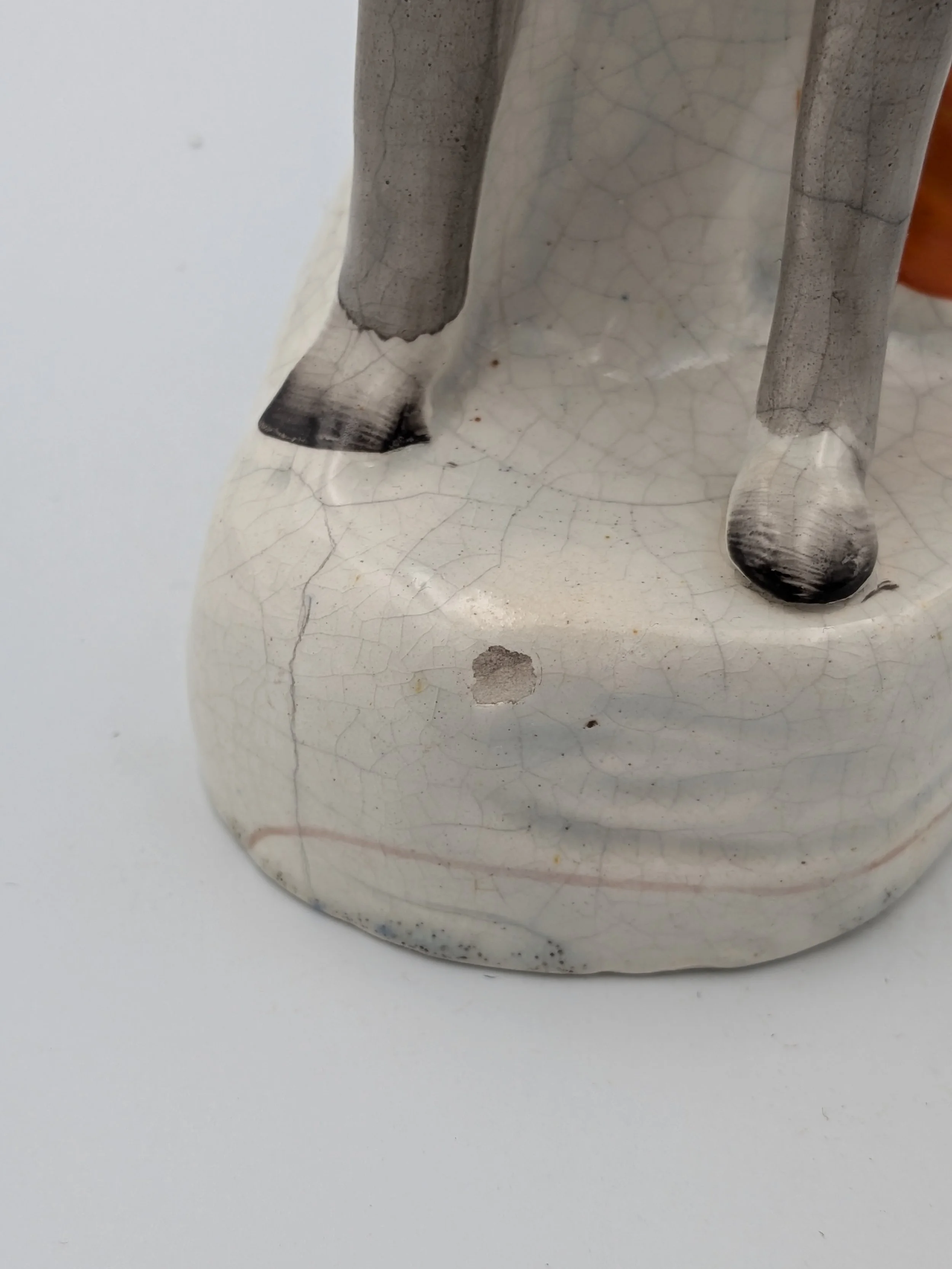 Image 28 of 34
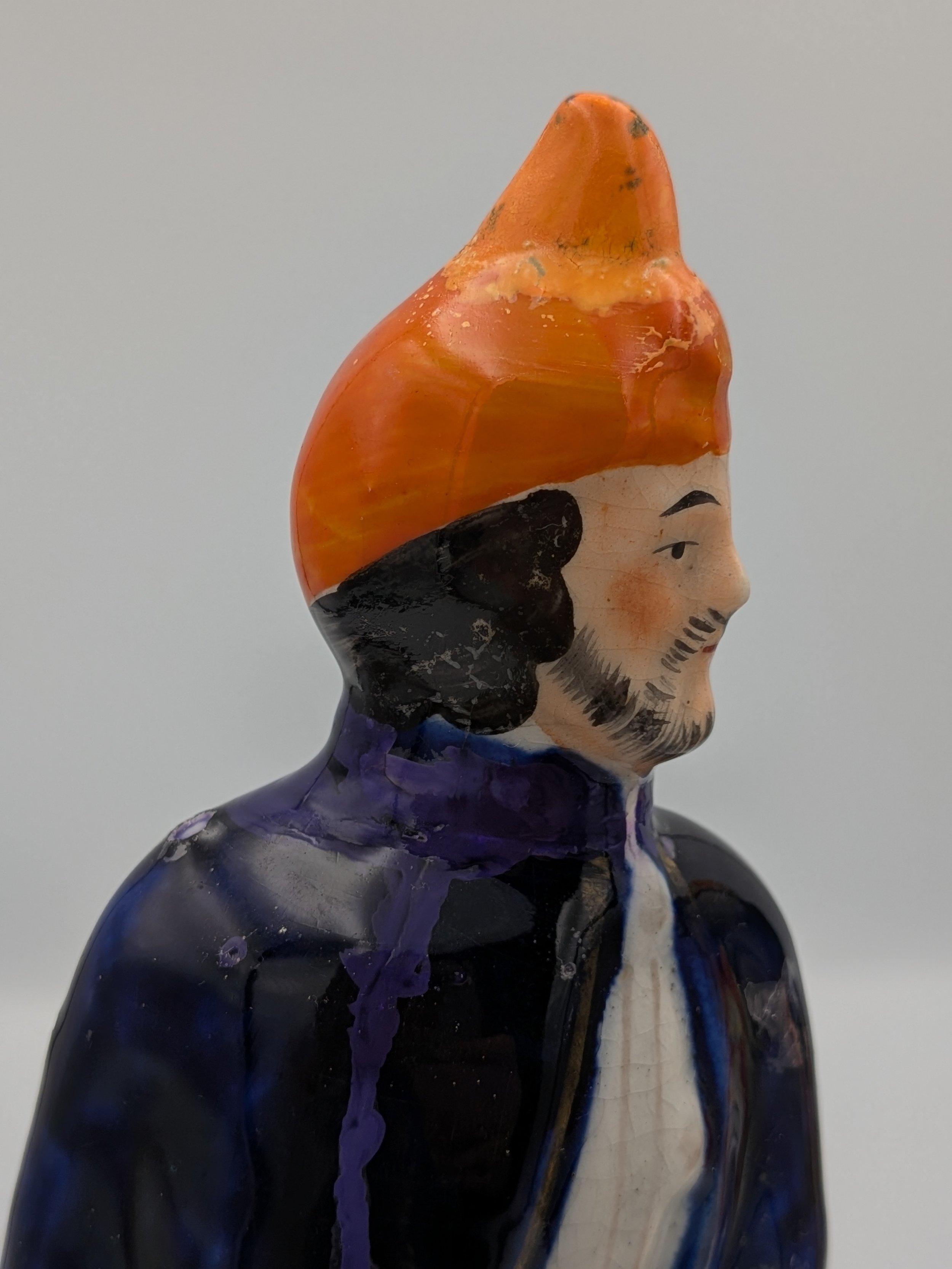 Image 29 of 34
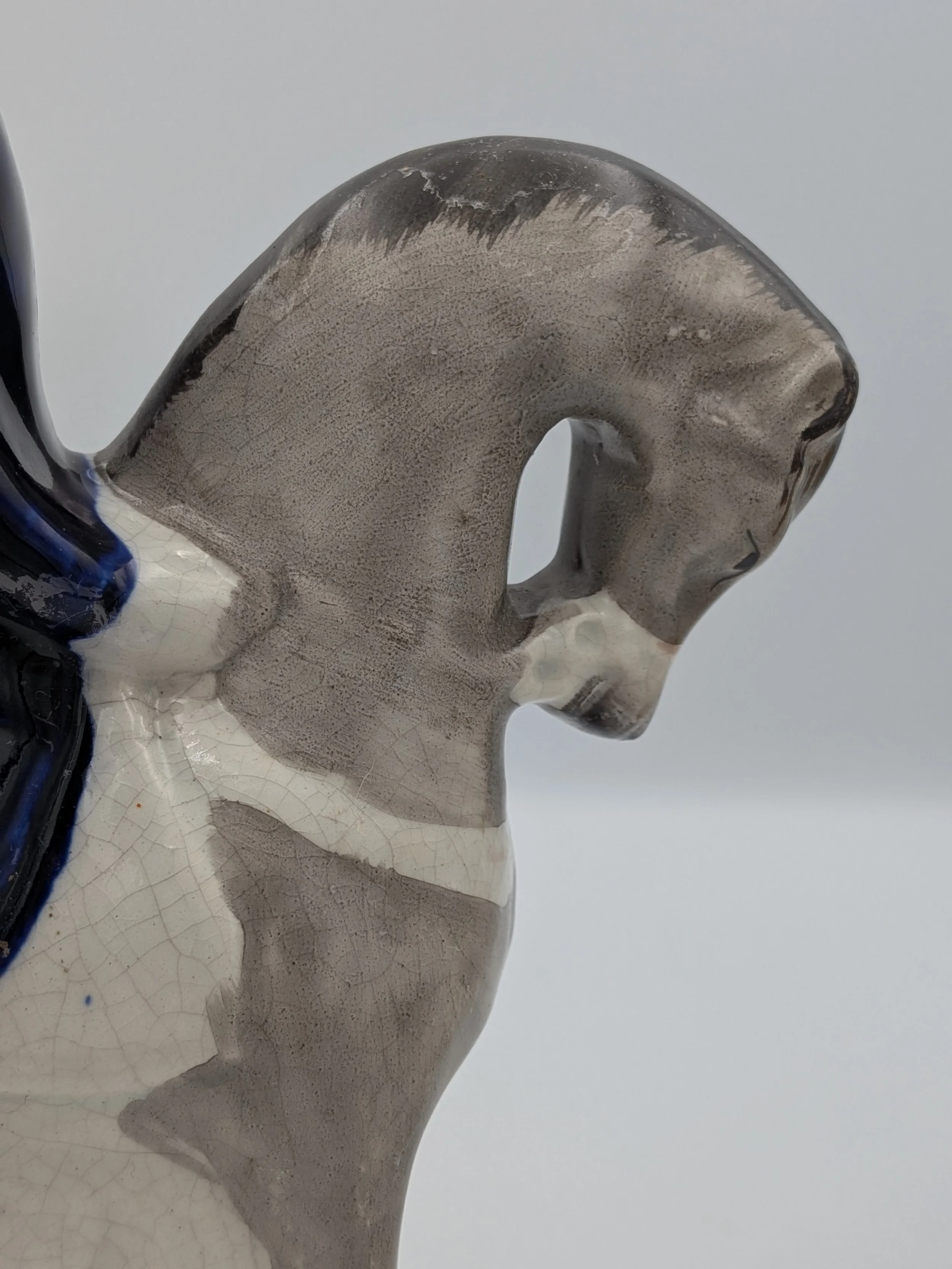 Image 30 of 34
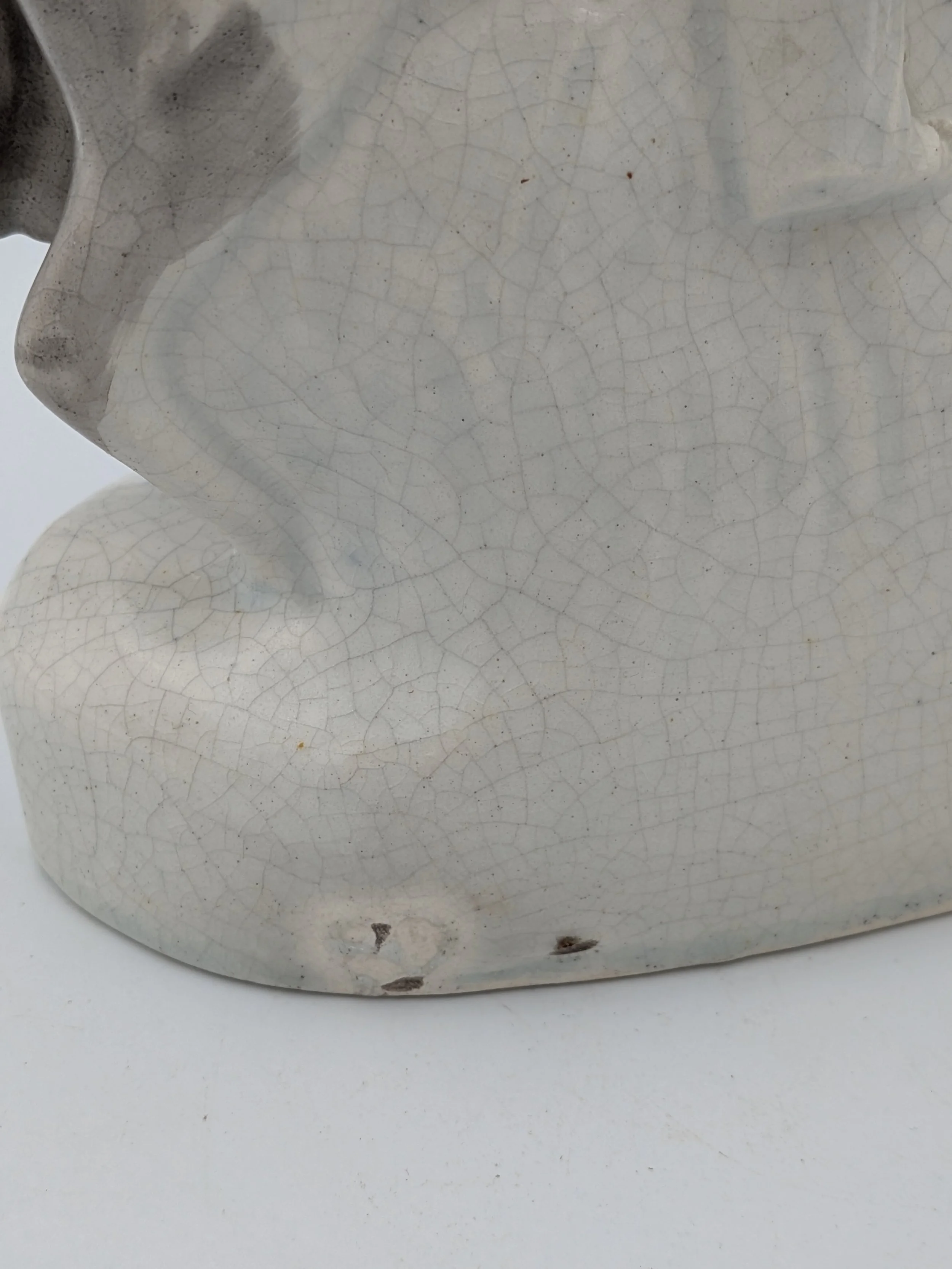 Image 31 of 34
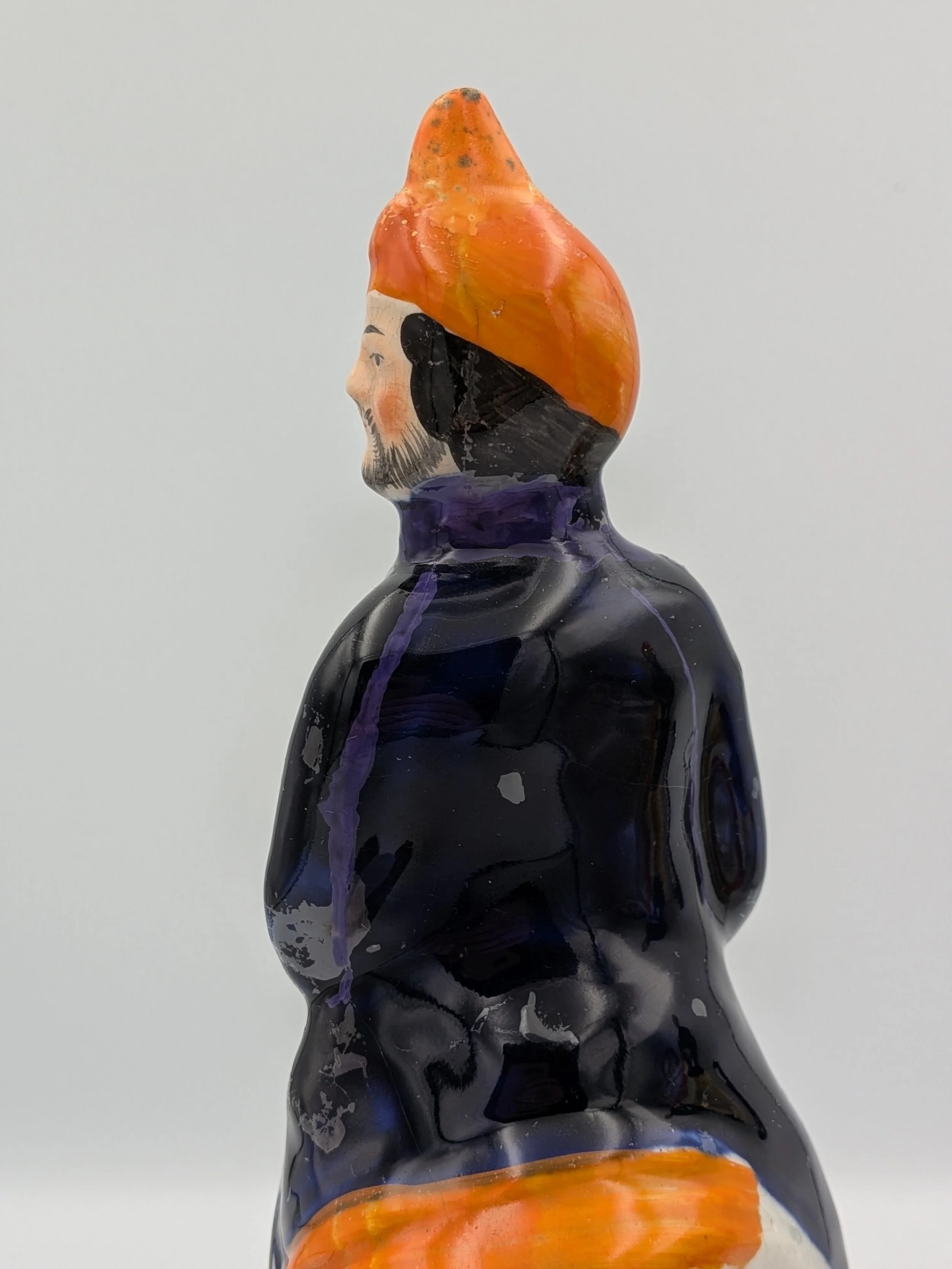 Image 32 of 34
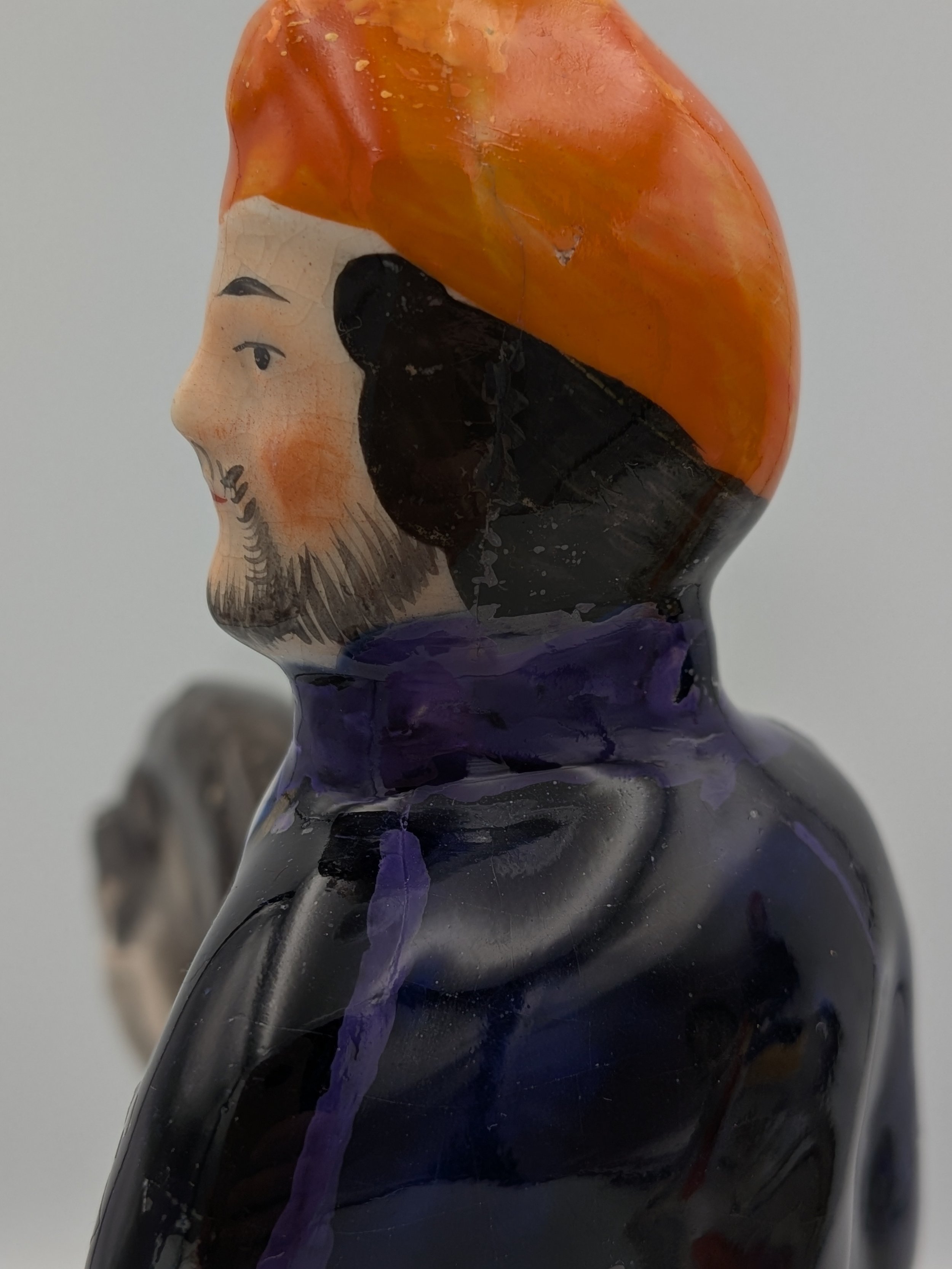 Image 33 of 34
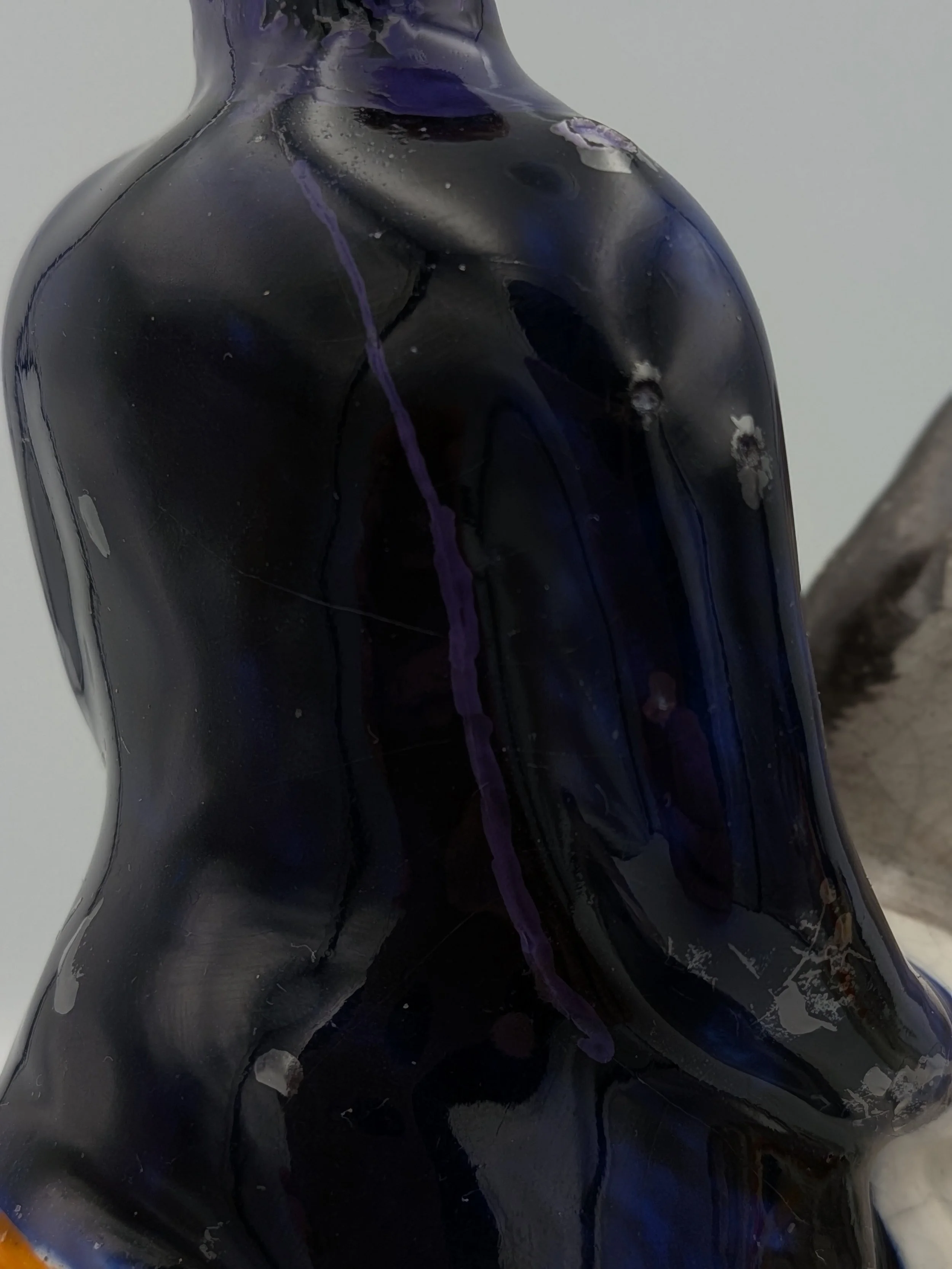 Image 34 of 34