A charming and interesting titled figure depicting James ‘Jemmy’ Wood, the ‘Gloucester Miser’.
Wood was a Victorian banker notorious around Gloucester for his miserly nature and tightfistedness (as well as his resemblance to Mr Punch!). It is believed that he was the real-life inspiration for Charles Dickens’ character Scrooge in A Christmas Carol.
Here, Wood is depicted as a portly, balding man with a black overcoat, yellow waistcoat, black breeches, white socks, and black buckled shoes. The title of the figure is written in gilt serif capitals on the base. The gilt has faded but his name may have originally been written as ‘JIMMY WOOD’ - the title is not part of the model and therefore the lettering was at the mercy of the enameler’s literacy.
The figure presents excellently - sharp and vivid. The black overcoat may have been entirely repainted - possibly to conceal extensive flaking - as the finish is oddly thick. Nevertheless, this a very appealing figure and a fascinating subject.
Reference: A. & N. Harding, Victorian Staffordshire Figures 1835 - 1875: Book One, p. 157, fig. 407
Height: 7.5”
Date: c. 1850
Provenance: Former stock of Castle Antiques (Barbara Gair)
A charming and interesting titled figure depicting James ‘Jemmy’ Wood, the ‘Gloucester Miser’.
Wood was a Victorian banker notorious around Gloucester for his miserly nature and tightfistedness (as well as his resemblance to Mr Punch!). It is believed that he was the real-life inspiration for Charles Dickens’ character Scrooge in A Christmas Carol.
Here, Wood is depicted as a portly, balding man with a black overcoat, yellow waistcoat, black breeches, white socks, and black buckled shoes. The title of the figure is written in gilt serif capitals on the base. The gilt has faded but his name may have originally been written as ‘JIMMY WOOD’ - the title is not part of the model and therefore the lettering was at the mercy of the enameler’s literacy.
The figure presents excellently - sharp and vivid. The black overcoat may have been entirely repainted - possibly to conceal extensive flaking - as the finish is oddly thick. Nevertheless, this a very appealing figure and a fascinating subject.
Reference: A. & N. Harding, Victorian Staffordshire Figures 1835 - 1875: Book One, p. 157, fig. 407
Height: 7.5”
Date: c. 1850
Provenance: Former stock of Castle Antiques (Barbara Gair)
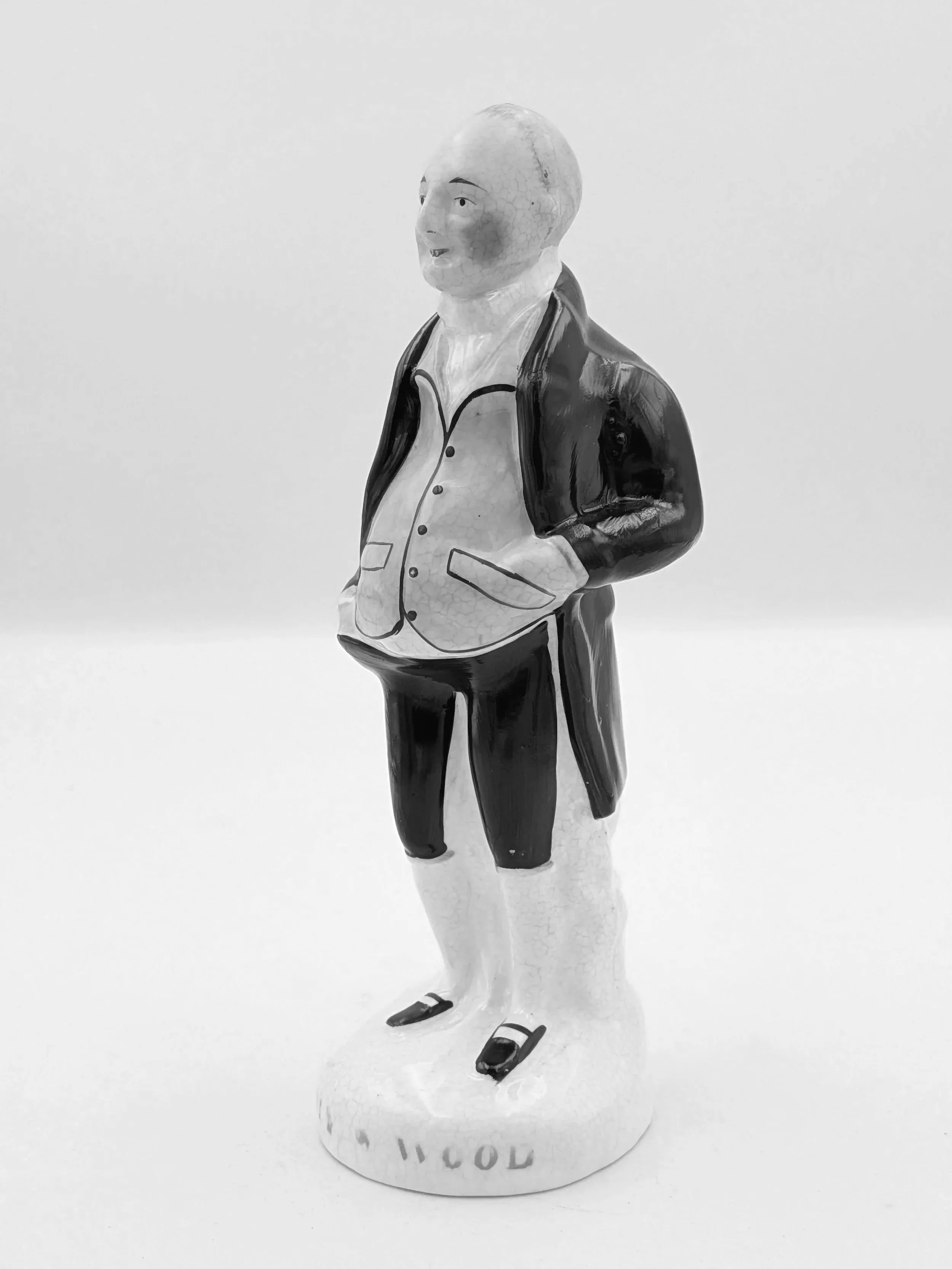 Image 1 of 18
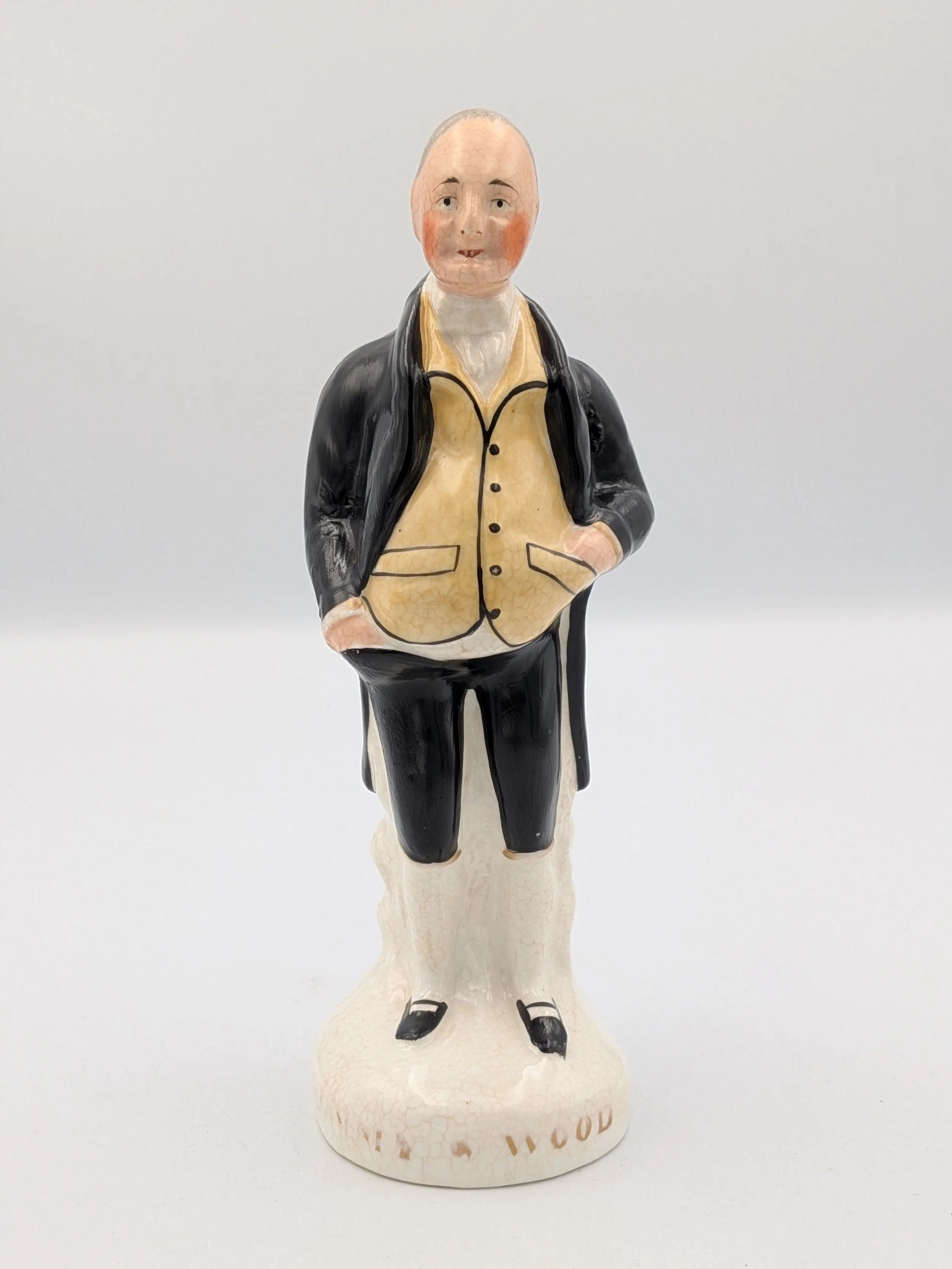 Image 2 of 18
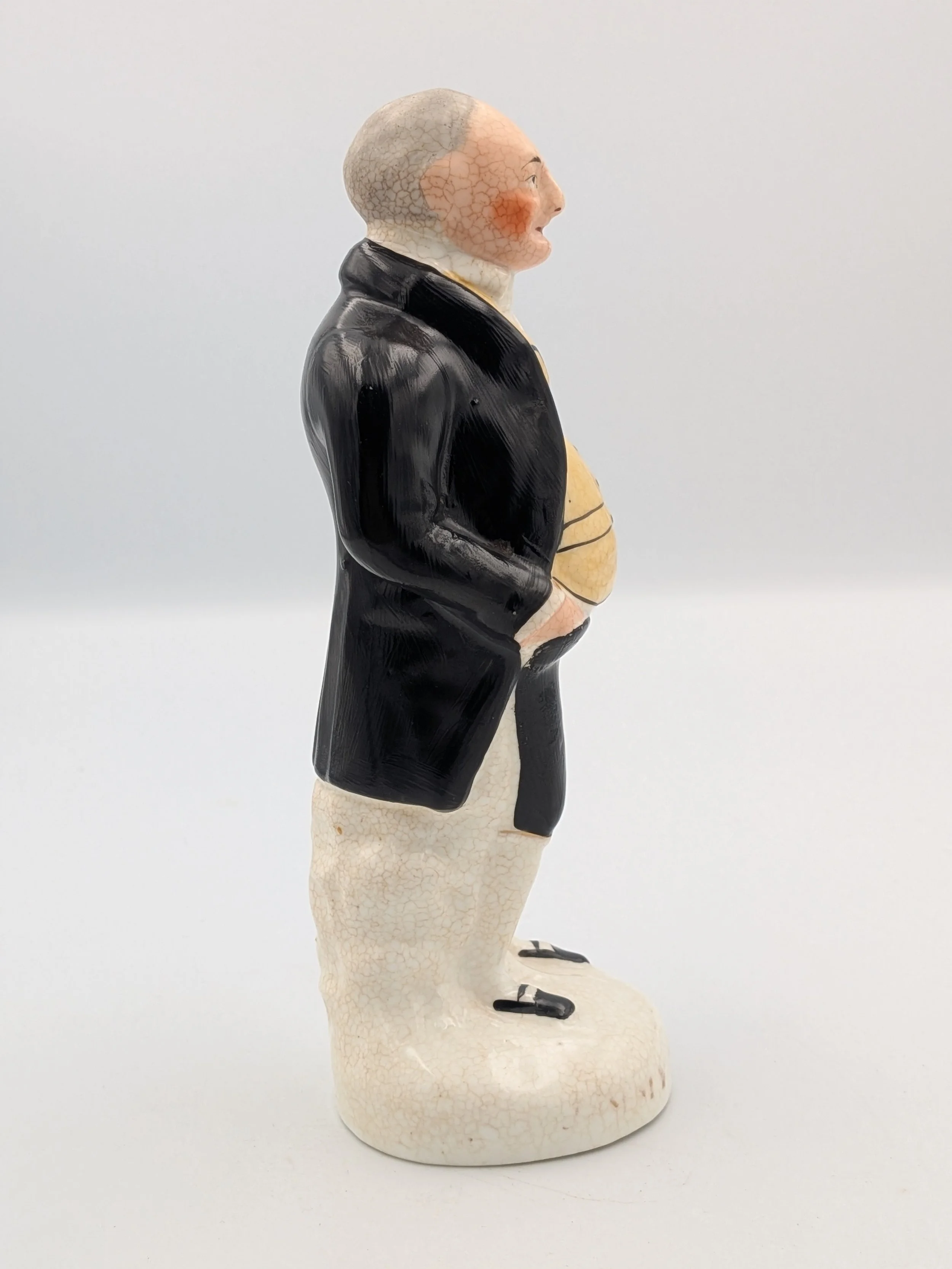 Image 3 of 18
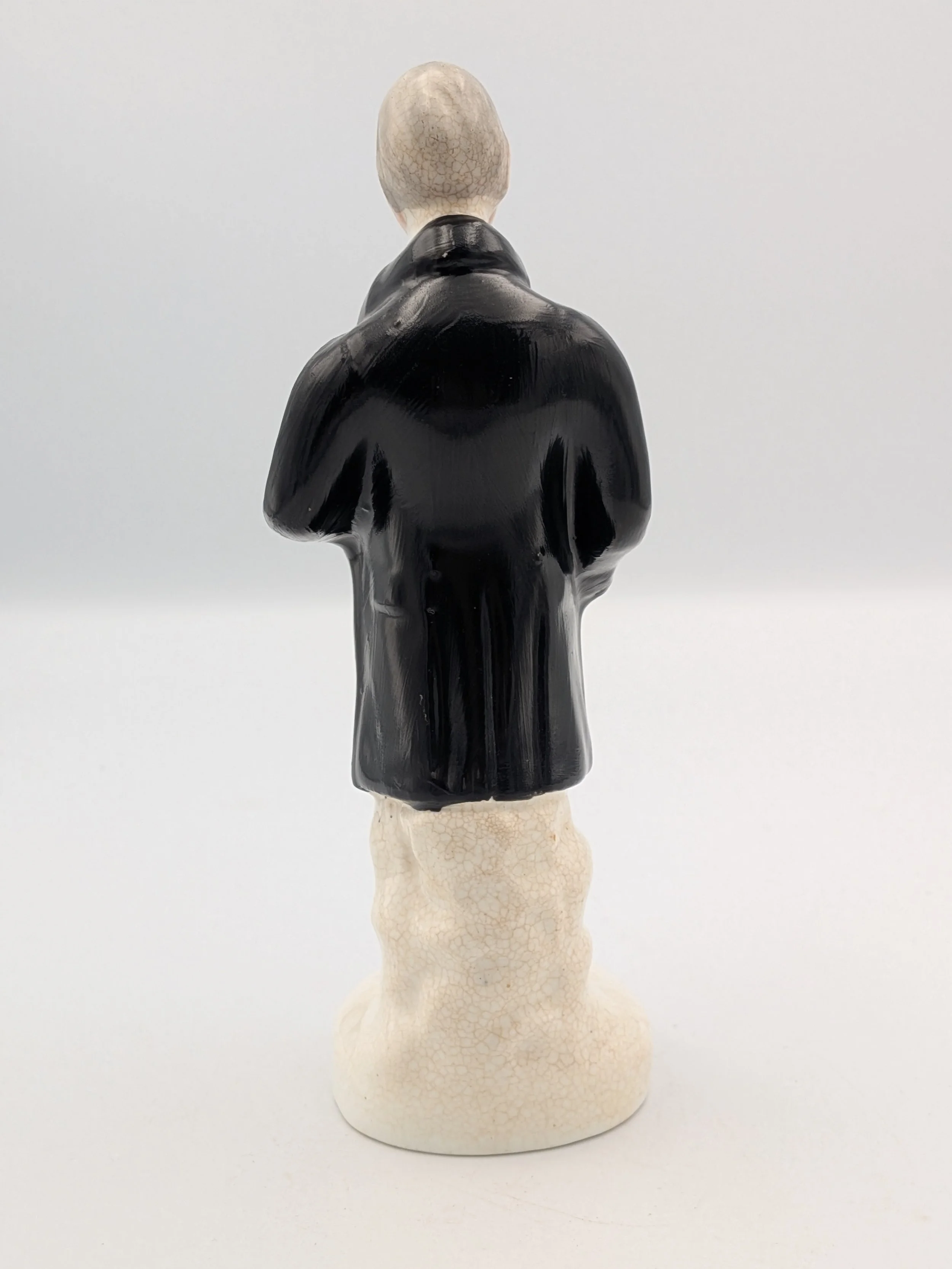 Image 4 of 18
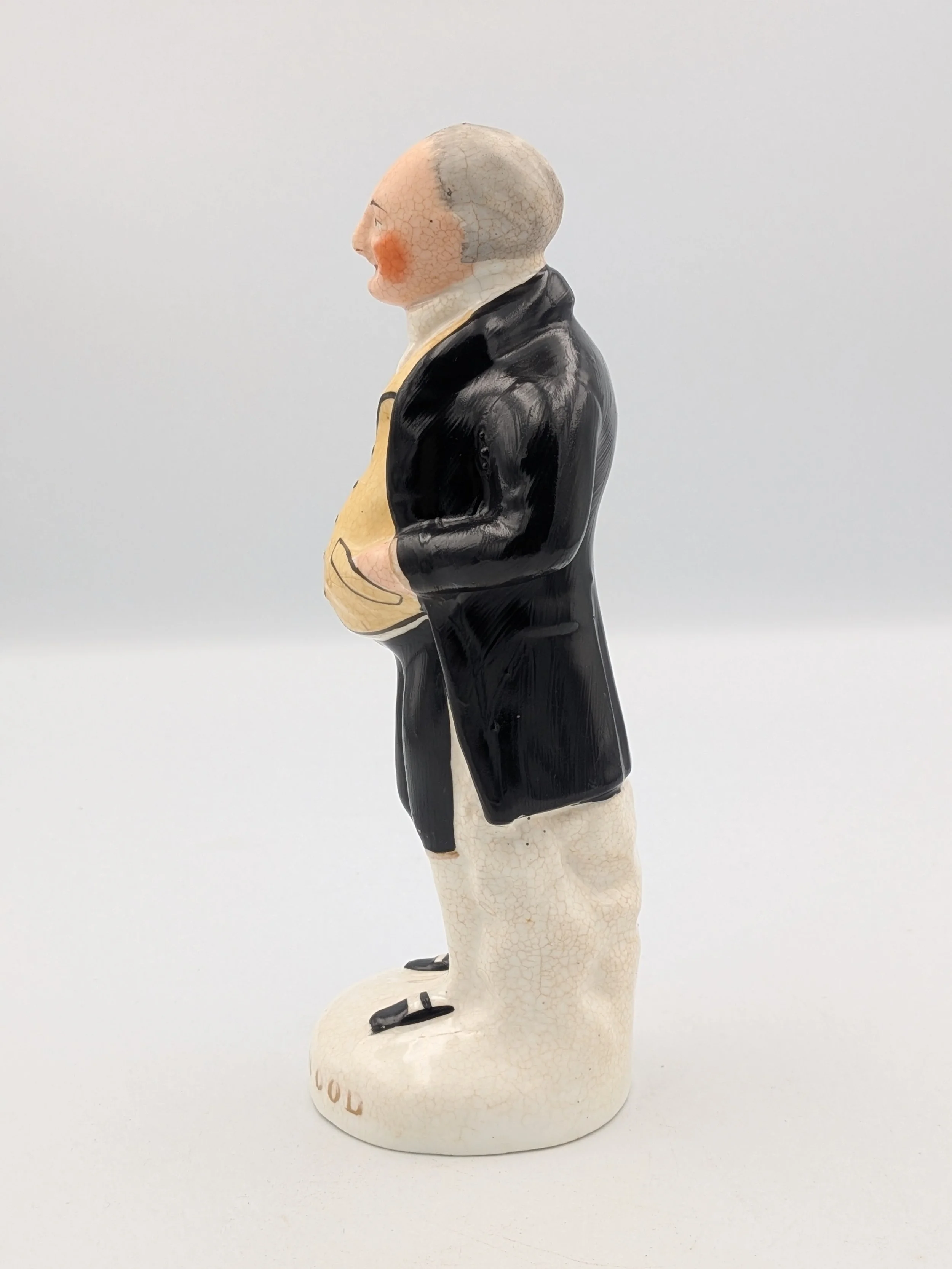 Image 5 of 18
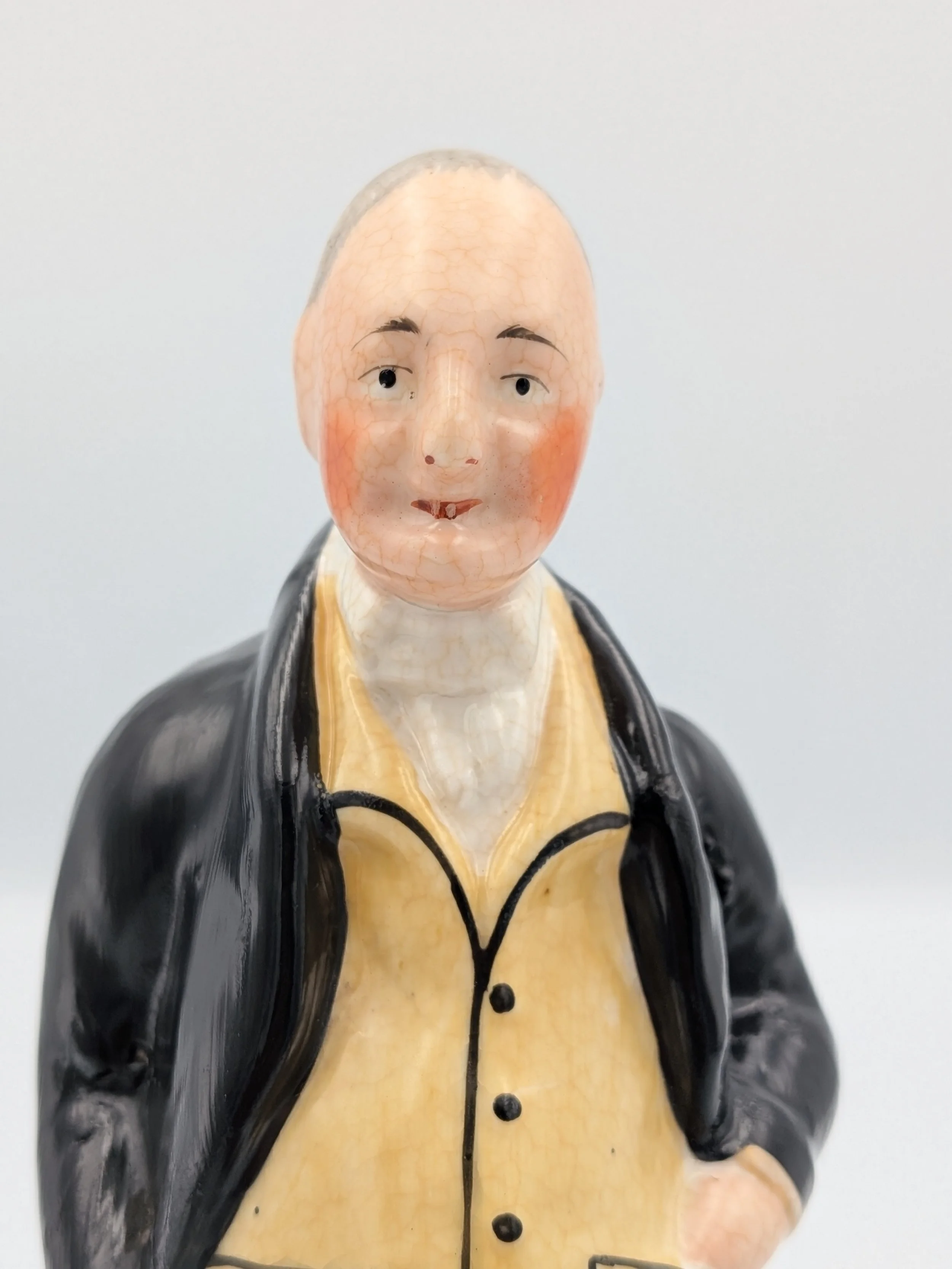 Image 6 of 18
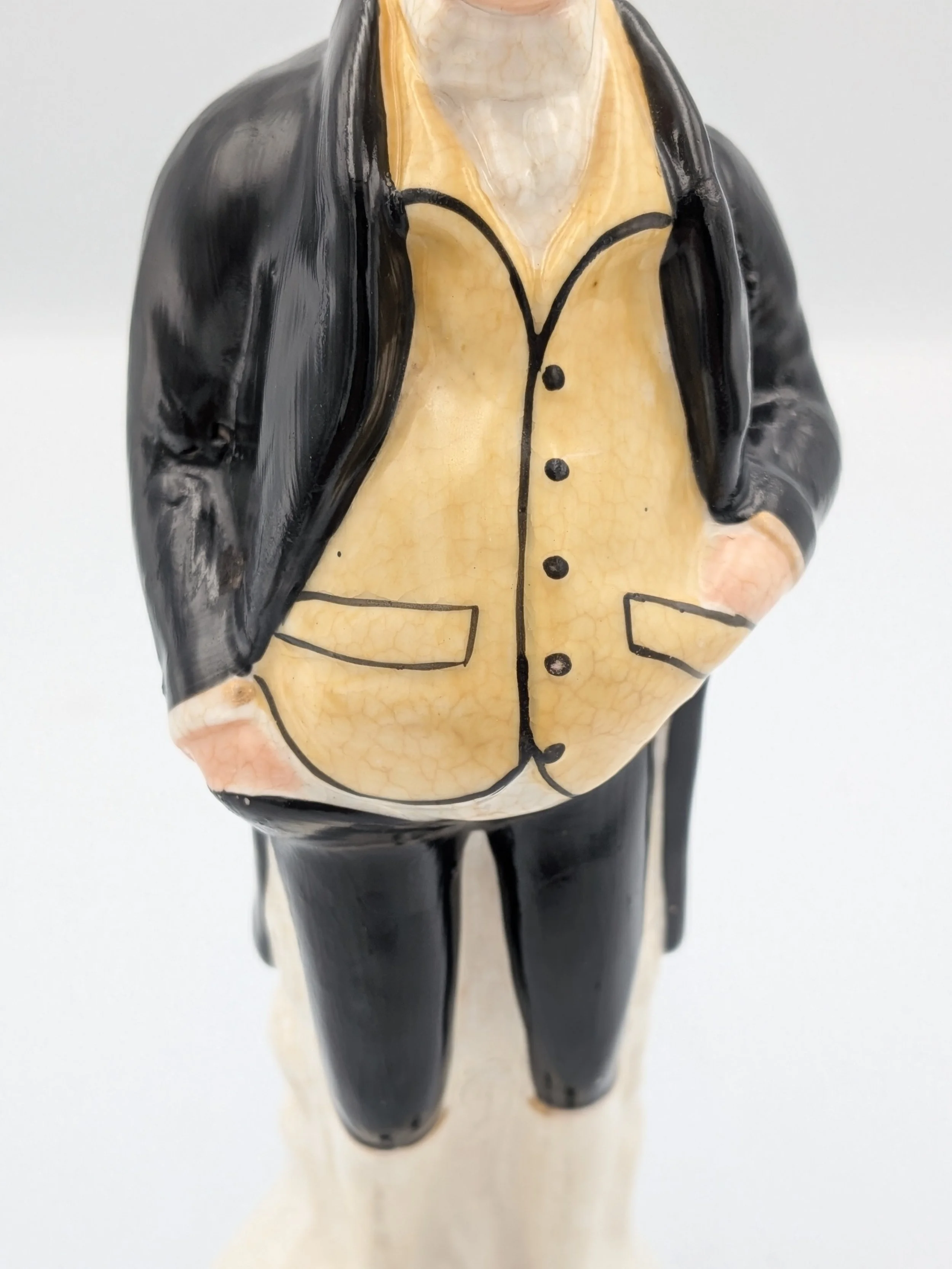 Image 7 of 18
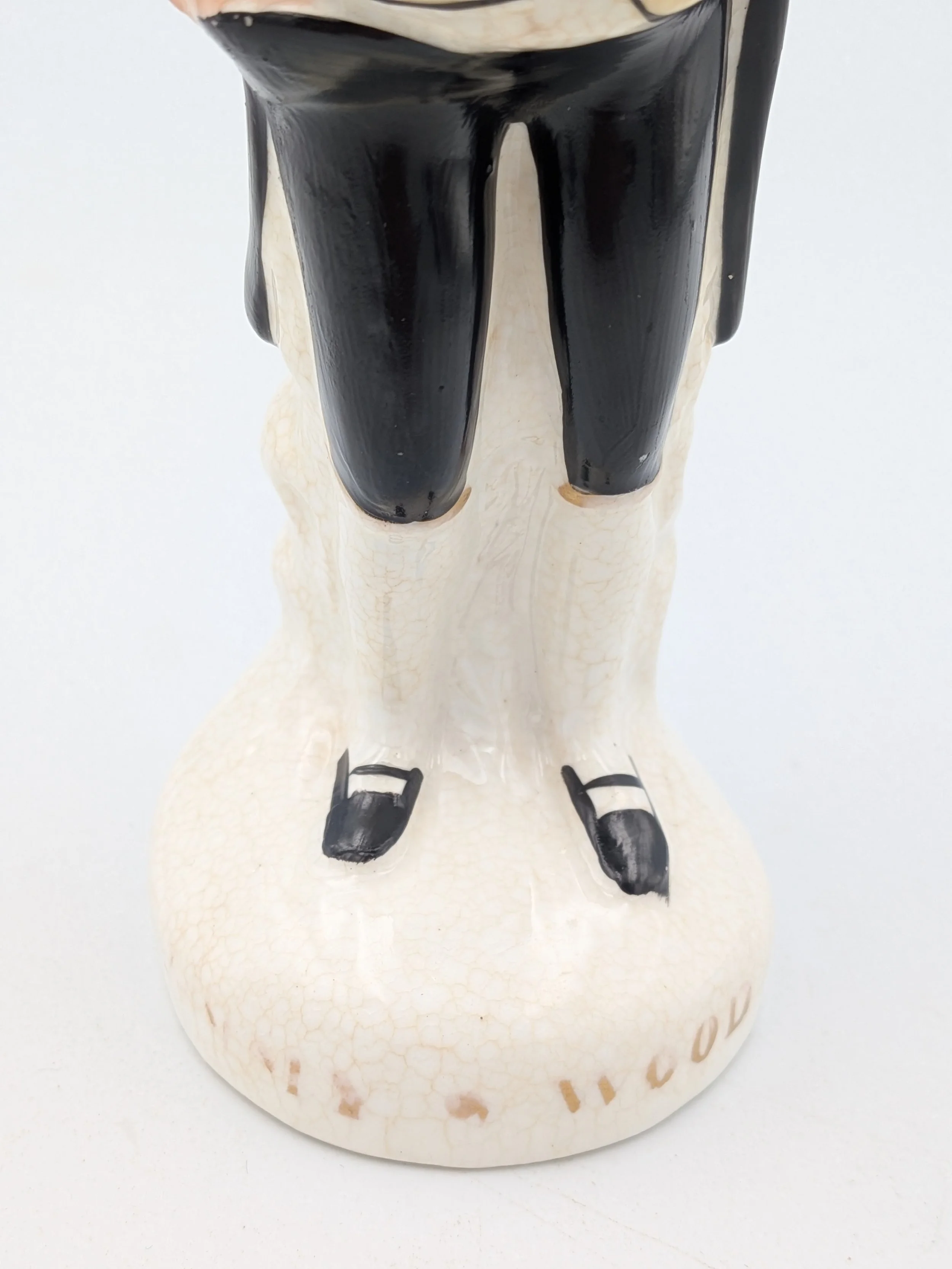 Image 8 of 18
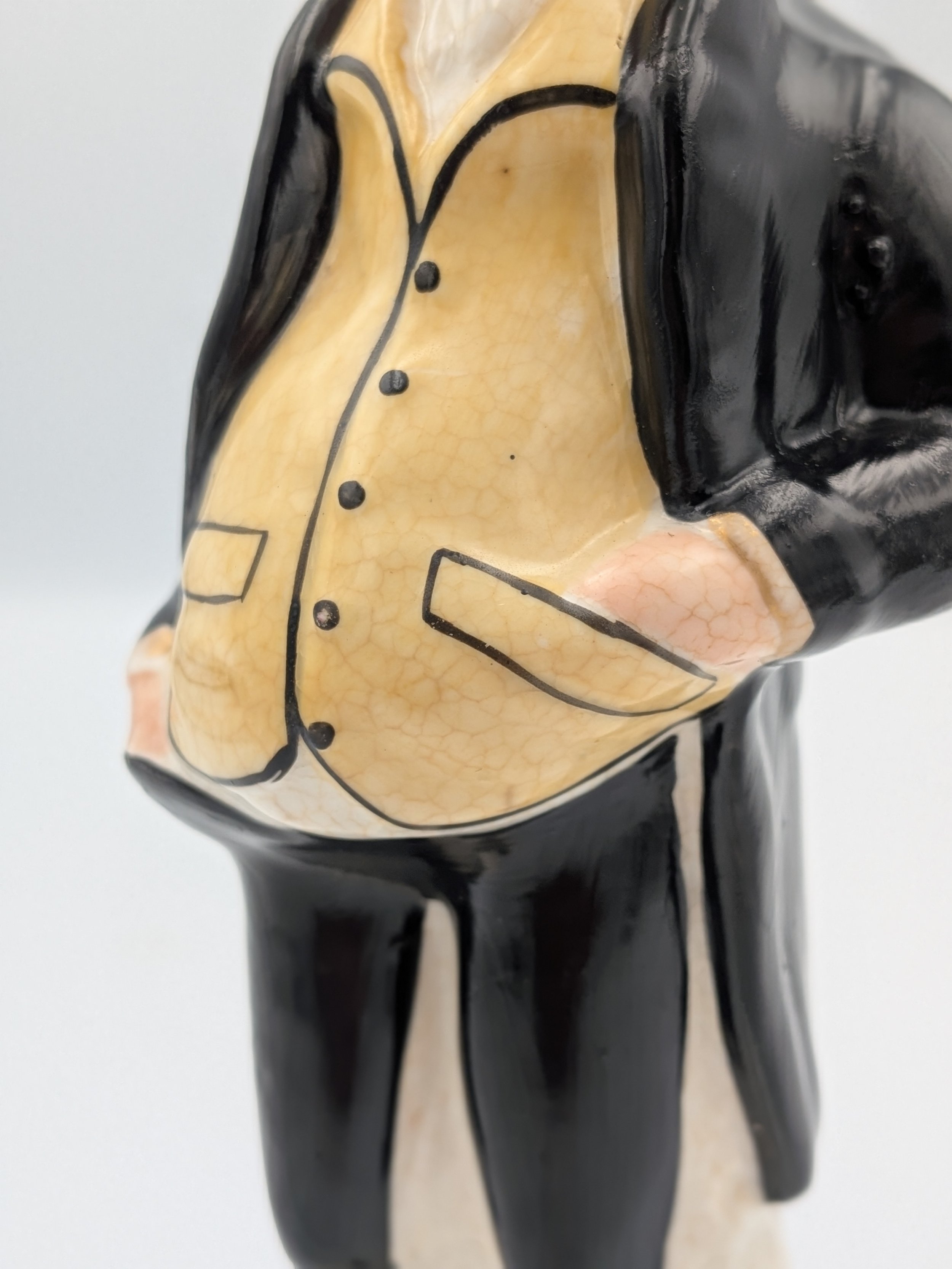 Image 9 of 18
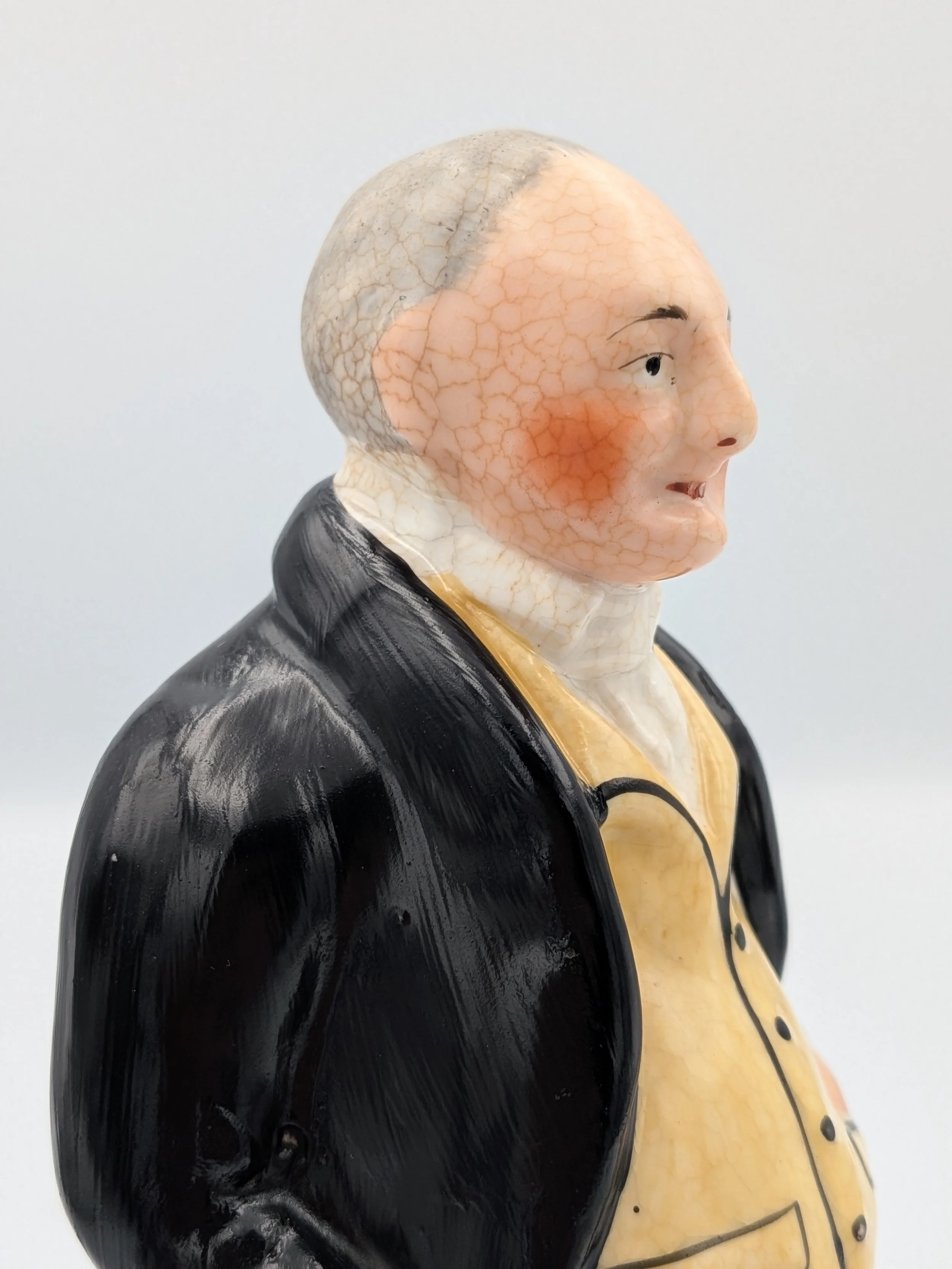 Image 10 of 18
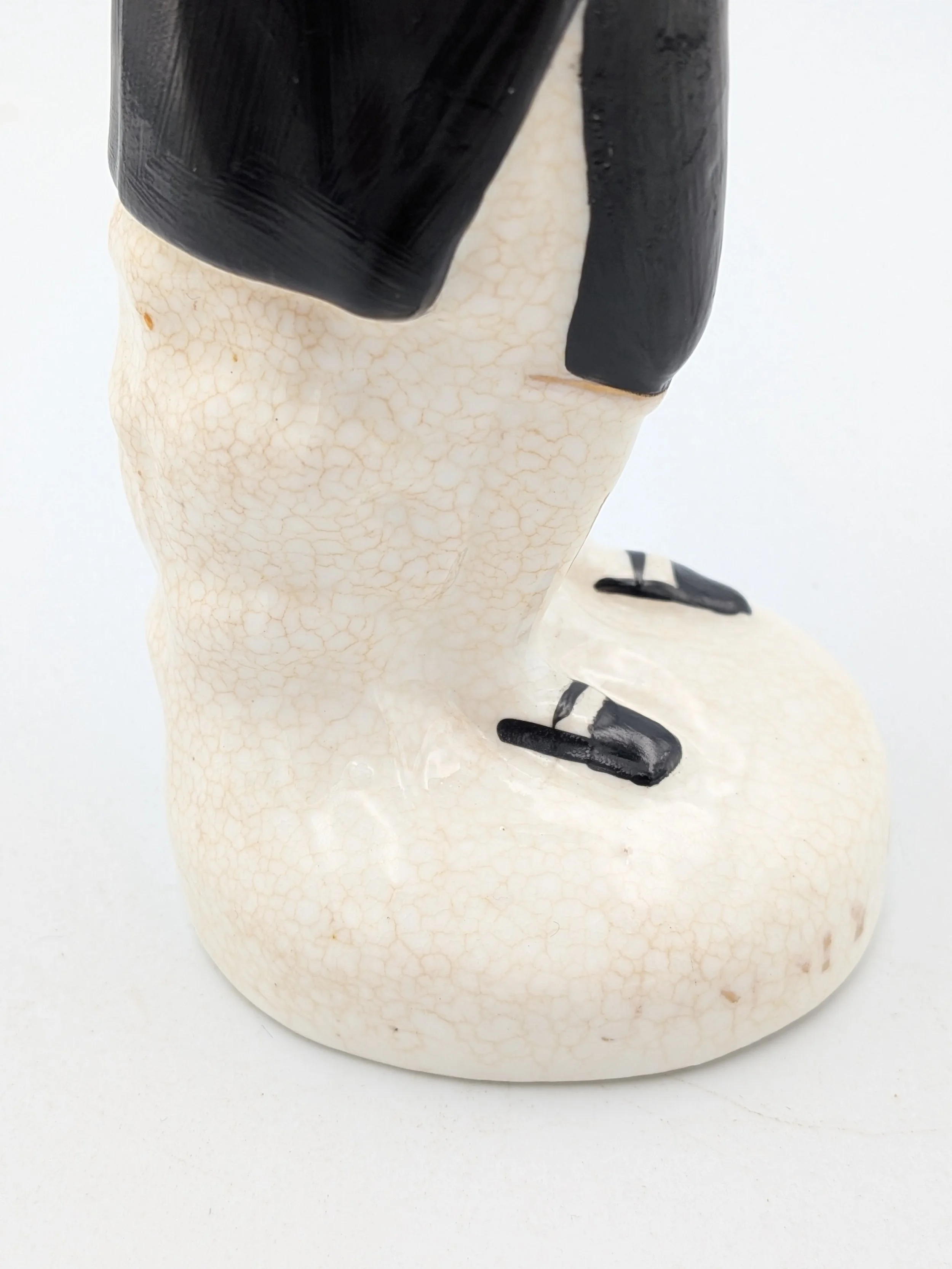 Image 11 of 18
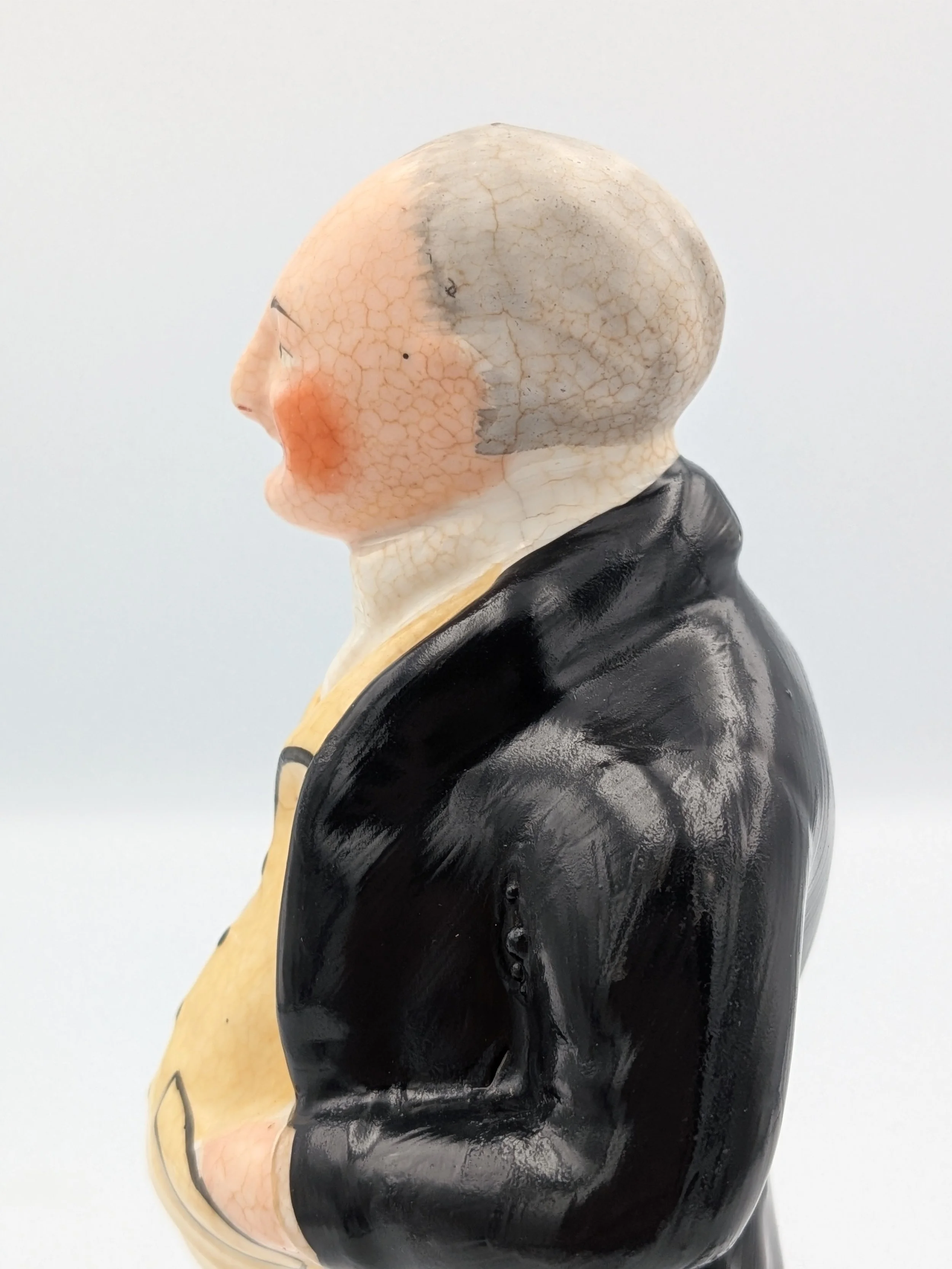 Image 12 of 18
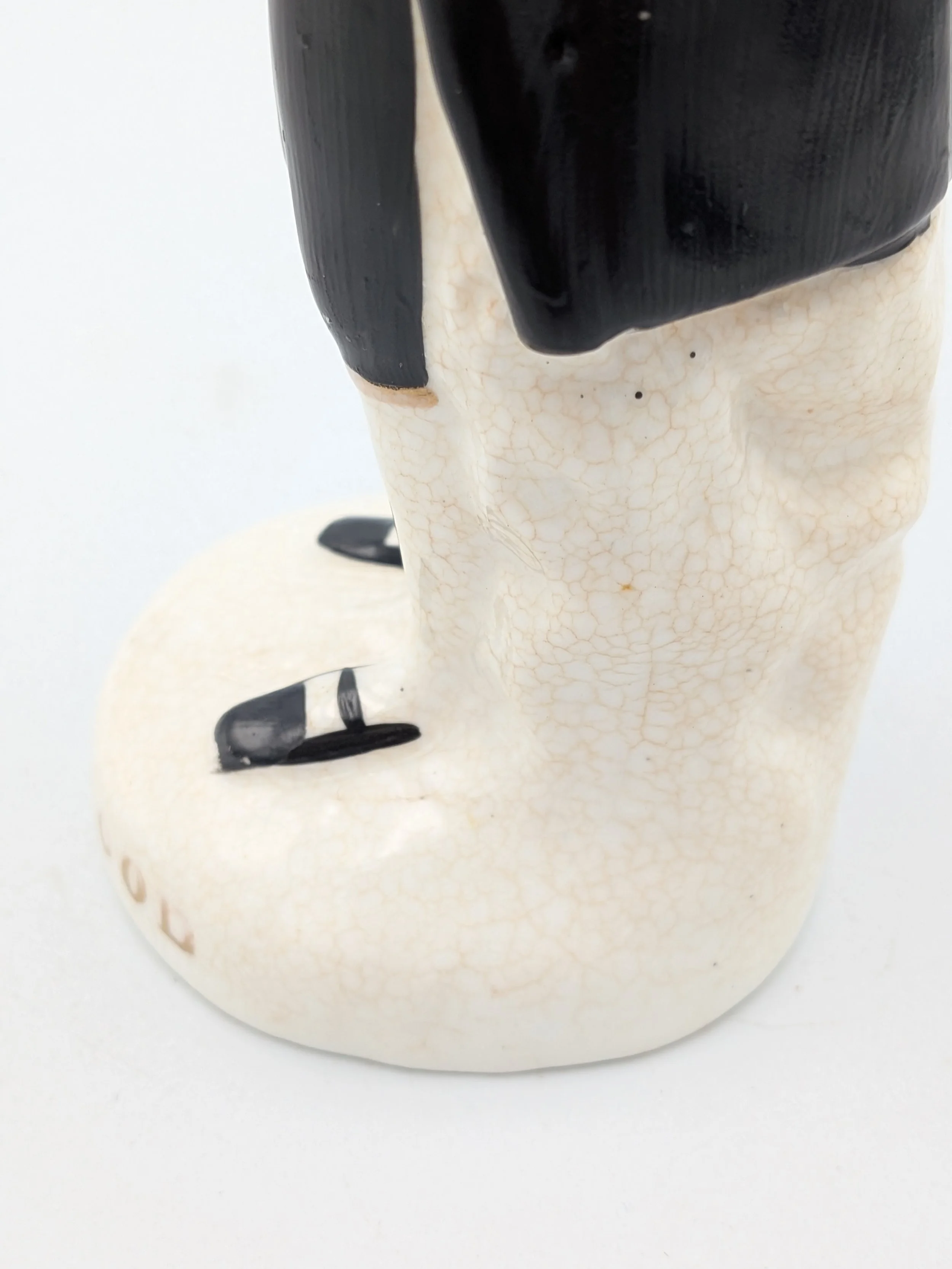 Image 13 of 18
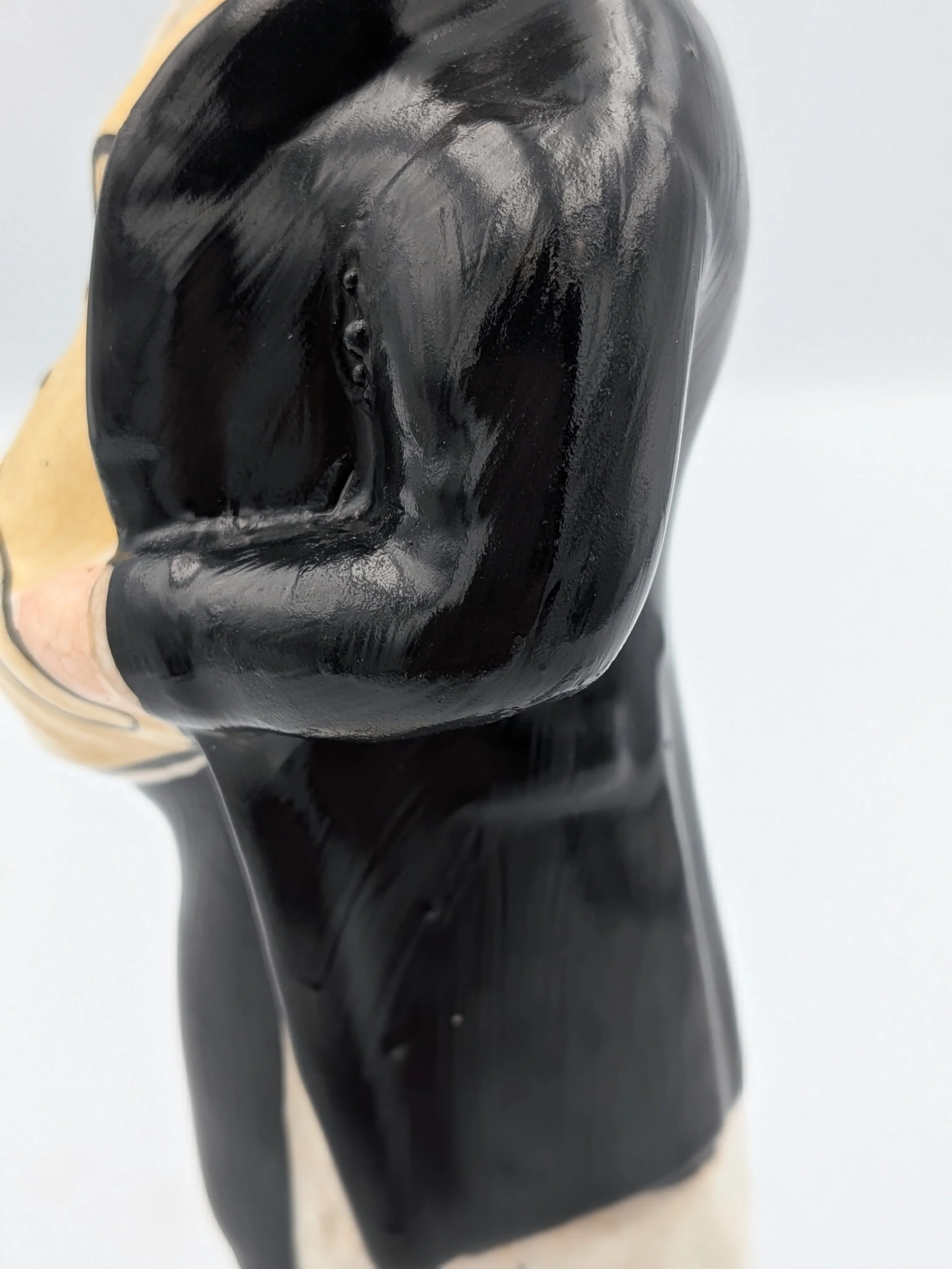 Image 14 of 18
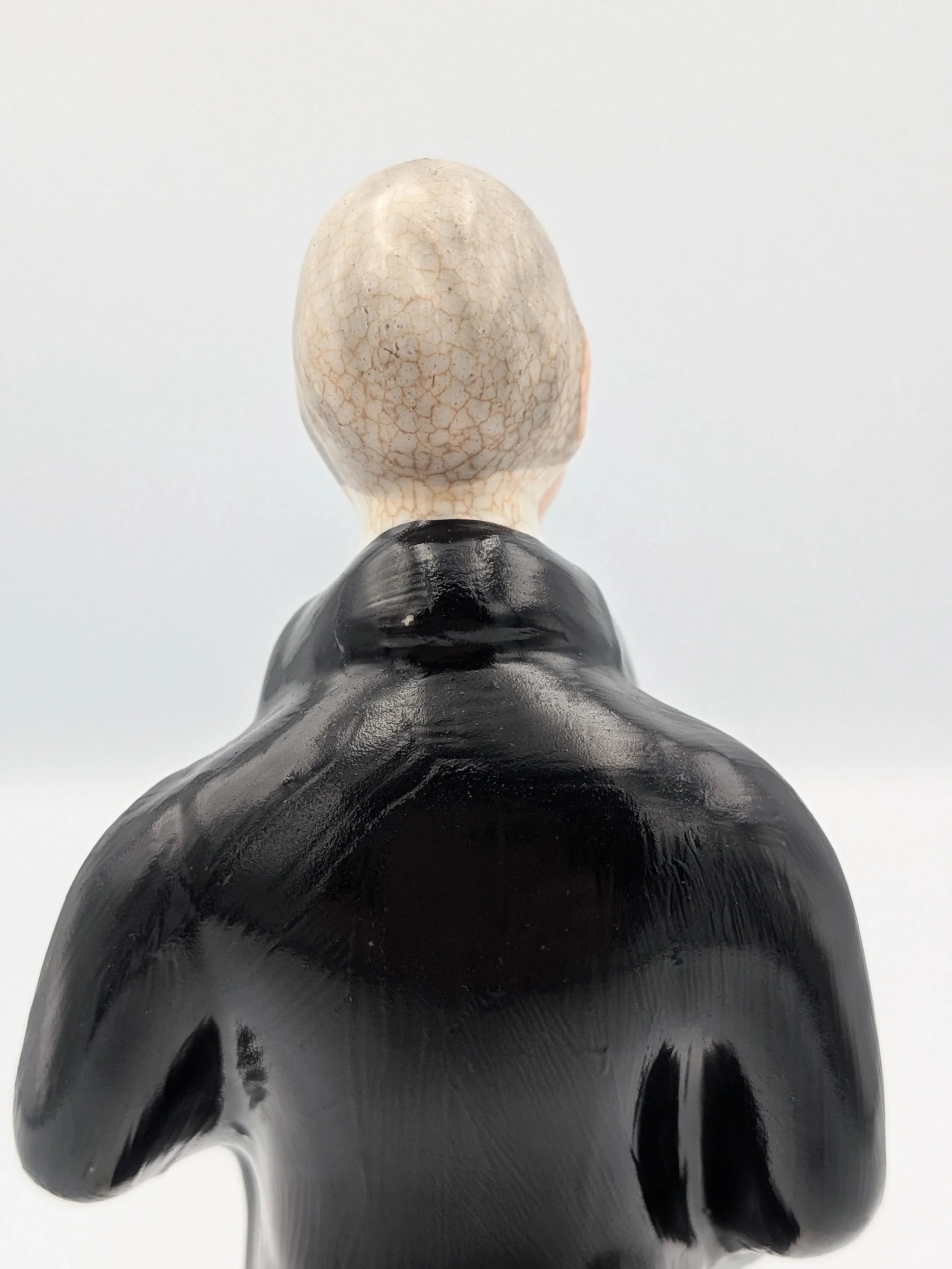 Image 15 of 18
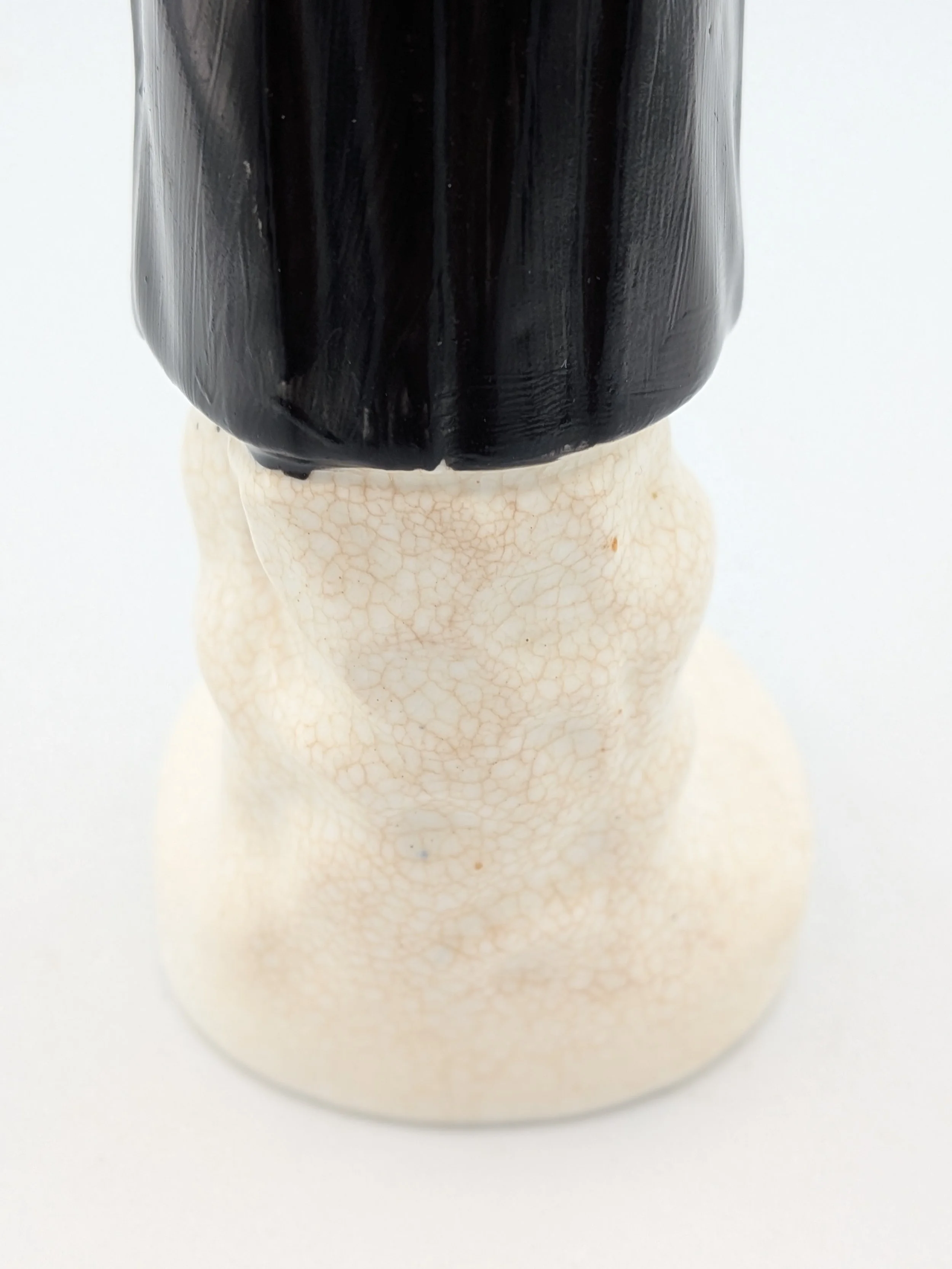 Image 16 of 18
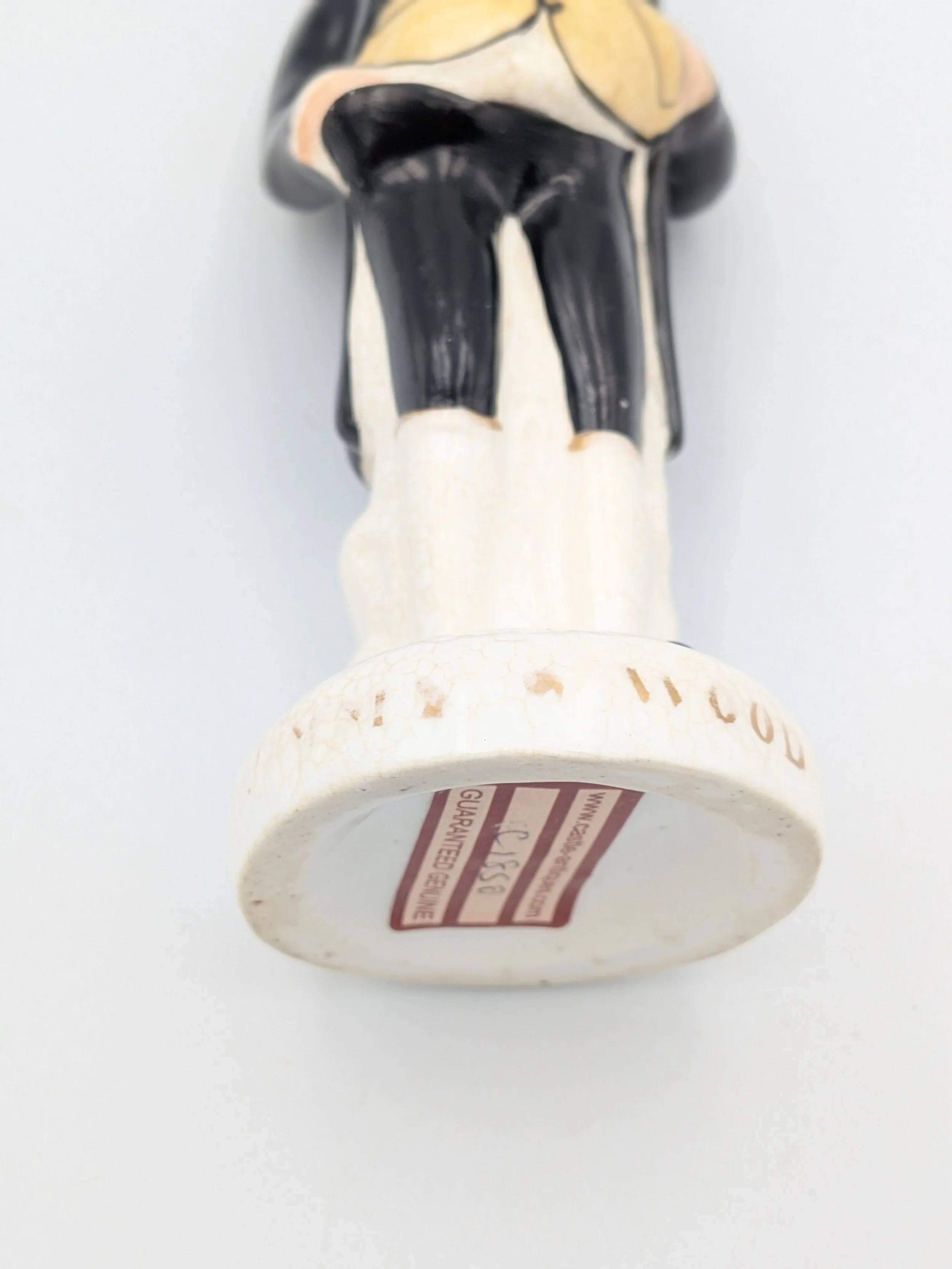 Image 17 of 18
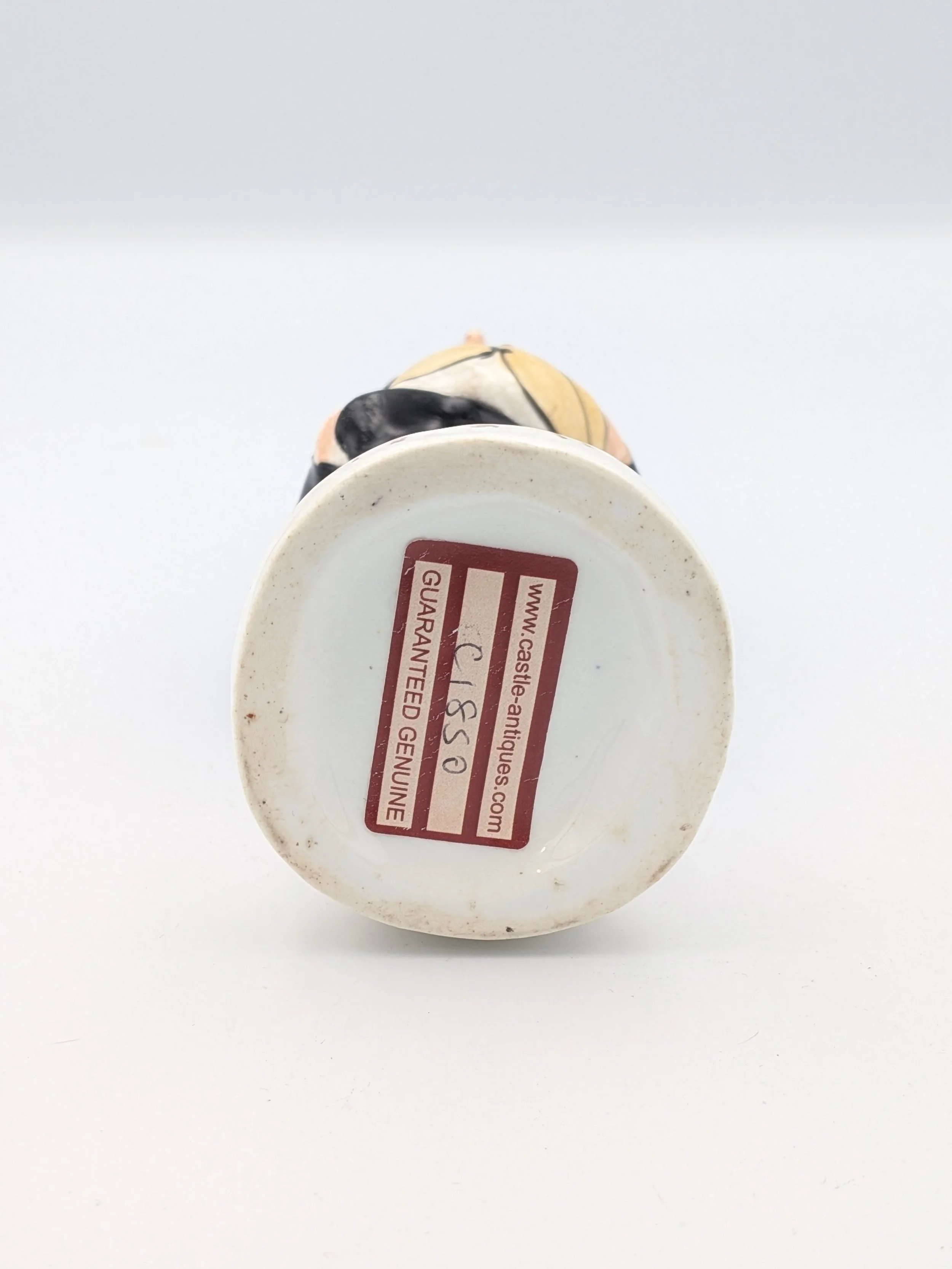 Image 18 of 18