A rare and imposing equestrian figure depicting the British Crimean commander, General Sir William Codrington.
Codrington wears a blue tunic and white cape with a white military cap. He holds a scroll in his left hand and his horse’s reins in his right. He sits on a brown and white horse with an elaborate saddle cloth. The scene is modelled atop a simple green base with the figure’s title - ‘GNL CODRINGTON’ - written in raised black capitals on a plinth.
At the request of Lord Raglan, Codrington took command of the 1st Brigade of the Light Division. He had no experience of war but went into action for the first time at the Battle of Alma. His division fell into confusion while crossing the Alma but Codrington boldly charged the redoubt and carried it before falling back before the weight of the opposing Russian column. His bravery saved his unit from being completely routed and it was clear that he had earned his position. He enjoyed further success at the Battle of Inkerman, ultimately taking control of the whole division when Sir George Brown was severely wounded. Together with General Edwin Markham, Codrington arranged the attack on the Redan in September 1855. The attack was a failure but contemporary attitudes blamed chief commander Sir James Simpson for the debacle. Simpson resigned some little time later and Codrington was promoted to Commander-in-Chief (despite Sir Colin Campbell having a far stronger claim to the promotion). There was no further fighting until the final evacuation of the Crimea in July 1856, and Codrington spent the remainder of the war commanding the force occupying Sebastopol. Codrington, therefore, was generally considered to one of the Crimean War’s more successful commanders - surviving the war and largely escaping blame for Allied failures.
Figures of Codrington are comparatively rare as his tenure as Commander-in-Chief largely took place after fighting had concluded.
This heavy earthenware figure is simply and conservatively decorated, with large portions left undecorated. Nevertheless, there are good details in the face and examples of fine modelling in places.
The figure presents well and is offered in generally good restored condition. The scroll has been professionally restored; as has the horse’s left front leg. There is a firing flaw on the front of the base. Strangely, the back of Codrington’s hair has been painted (it was presumably undecorated originally), but this should be easy enough to remove to restore the decoration to its original state.
Reference: A. & N. Harding, Victorian Staffordshire Figures 1835 - 1875: Book One, p. 53, fig. 113P
Height: 11.5”
Date: c. 1856
Provenance: The Kirkland Tellwright Collection
A rare and imposing equestrian figure depicting the British Crimean commander, General Sir William Codrington.
Codrington wears a blue tunic and white cape with a white military cap. He holds a scroll in his left hand and his horse’s reins in his right. He sits on a brown and white horse with an elaborate saddle cloth. The scene is modelled atop a simple green base with the figure’s title - ‘GNL CODRINGTON’ - written in raised black capitals on a plinth.
At the request of Lord Raglan, Codrington took command of the 1st Brigade of the Light Division. He had no experience of war but went into action for the first time at the Battle of Alma. His division fell into confusion while crossing the Alma but Codrington boldly charged the redoubt and carried it before falling back before the weight of the opposing Russian column. His bravery saved his unit from being completely routed and it was clear that he had earned his position. He enjoyed further success at the Battle of Inkerman, ultimately taking control of the whole division when Sir George Brown was severely wounded. Together with General Edwin Markham, Codrington arranged the attack on the Redan in September 1855. The attack was a failure but contemporary attitudes blamed chief commander Sir James Simpson for the debacle. Simpson resigned some little time later and Codrington was promoted to Commander-in-Chief (despite Sir Colin Campbell having a far stronger claim to the promotion). There was no further fighting until the final evacuation of the Crimea in July 1856, and Codrington spent the remainder of the war commanding the force occupying Sebastopol. Codrington, therefore, was generally considered to one of the Crimean War’s more successful commanders - surviving the war and largely escaping blame for Allied failures.
Figures of Codrington are comparatively rare as his tenure as Commander-in-Chief largely took place after fighting had concluded.
This heavy earthenware figure is simply and conservatively decorated, with large portions left undecorated. Nevertheless, there are good details in the face and examples of fine modelling in places.
The figure presents well and is offered in generally good restored condition. The scroll has been professionally restored; as has the horse’s left front leg. There is a firing flaw on the front of the base. Strangely, the back of Codrington’s hair has been painted (it was presumably undecorated originally), but this should be easy enough to remove to restore the decoration to its original state.
Reference: A. & N. Harding, Victorian Staffordshire Figures 1835 - 1875: Book One, p. 53, fig. 113P
Height: 11.5”
Date: c. 1856
Provenance: The Kirkland Tellwright Collection
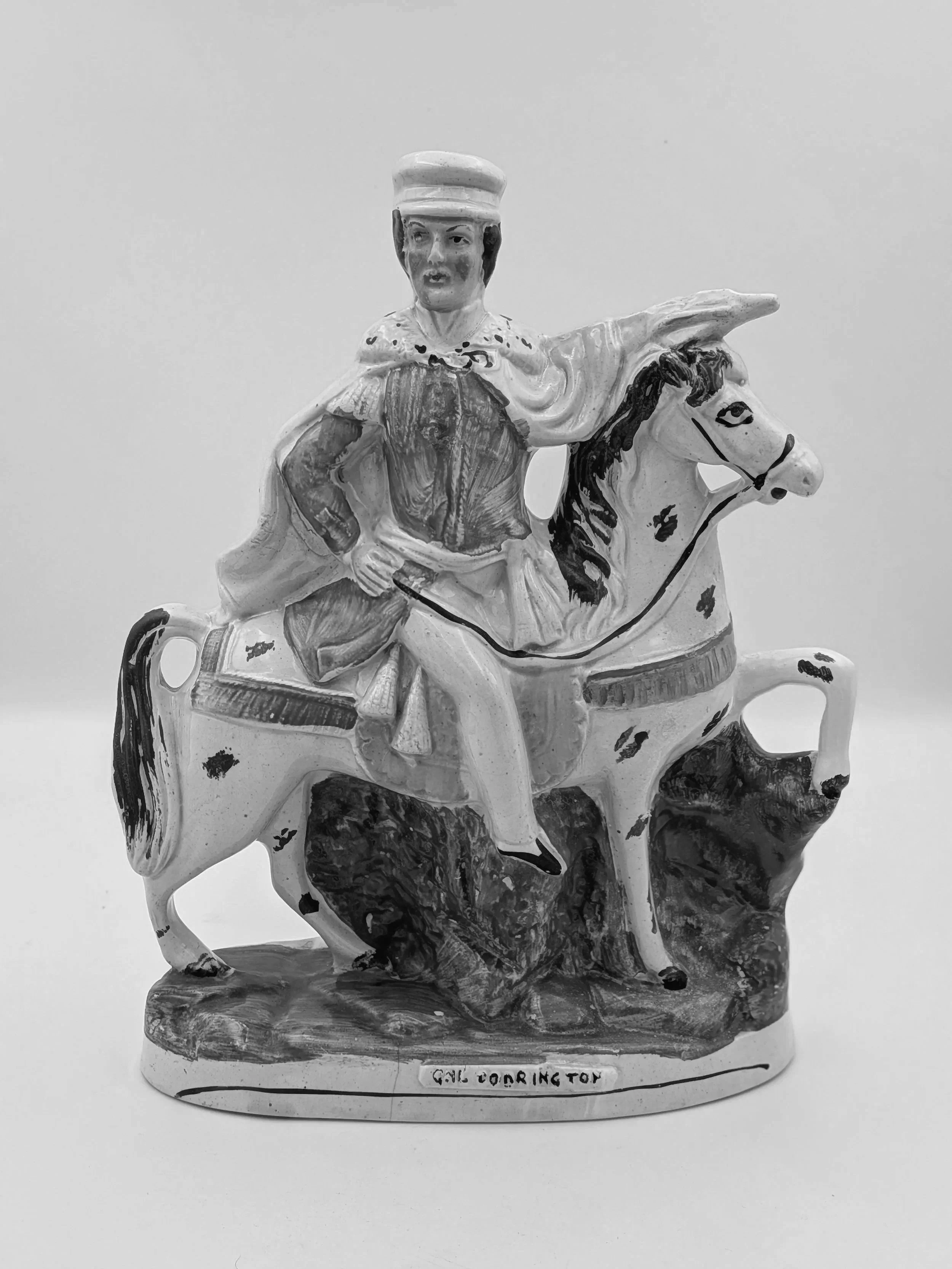 Image 1 of 25
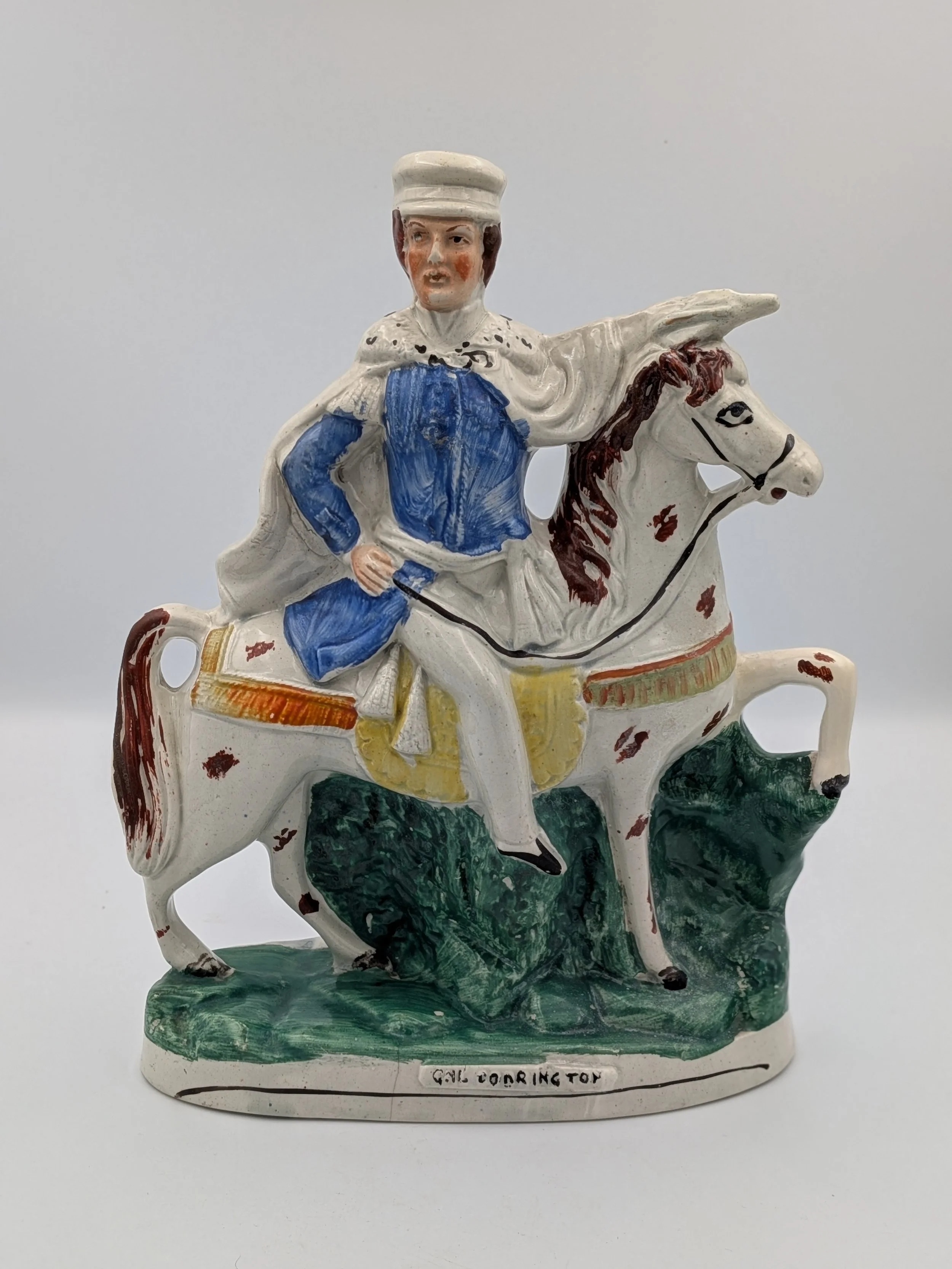 Image 2 of 25
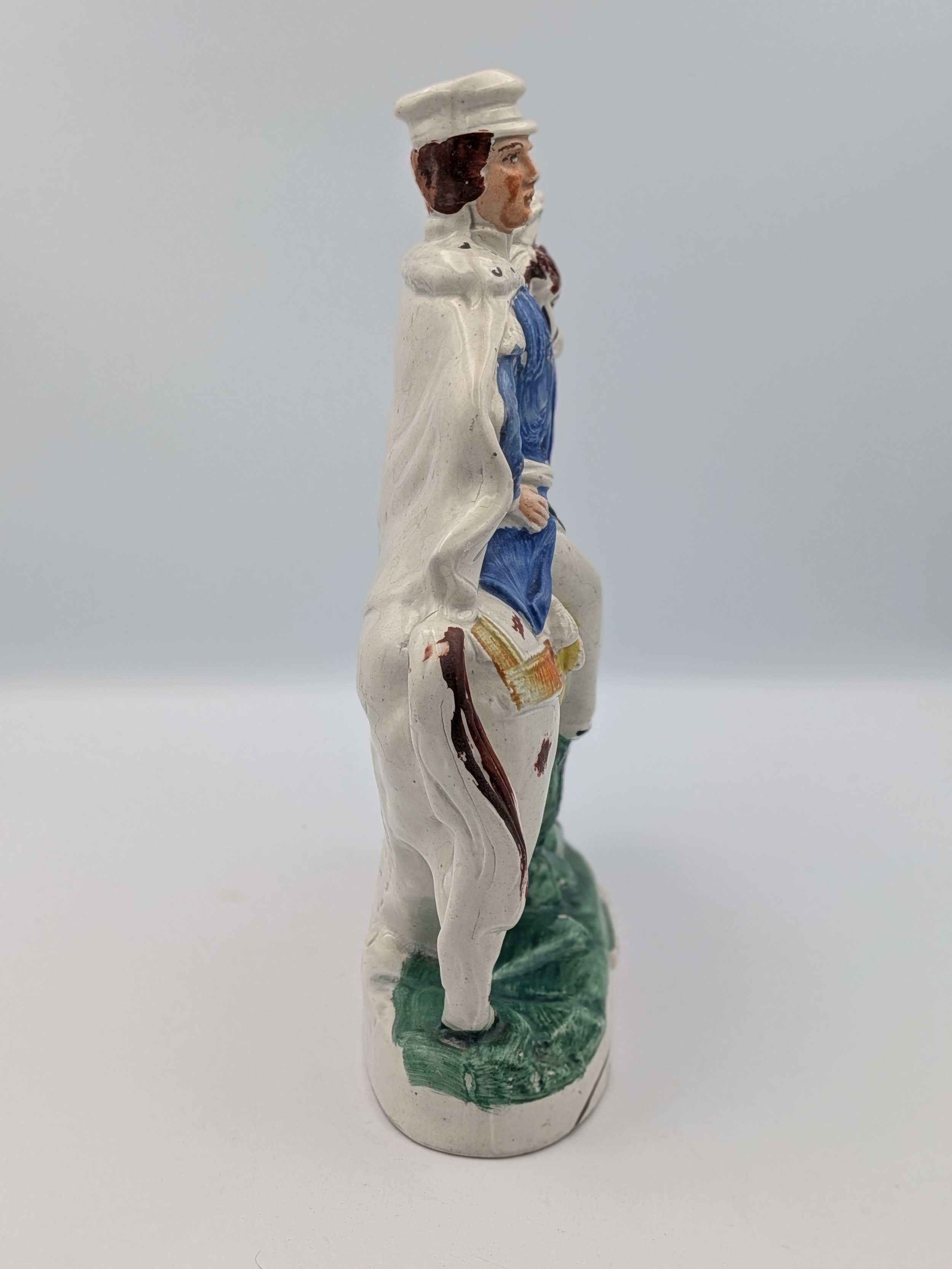 Image 3 of 25
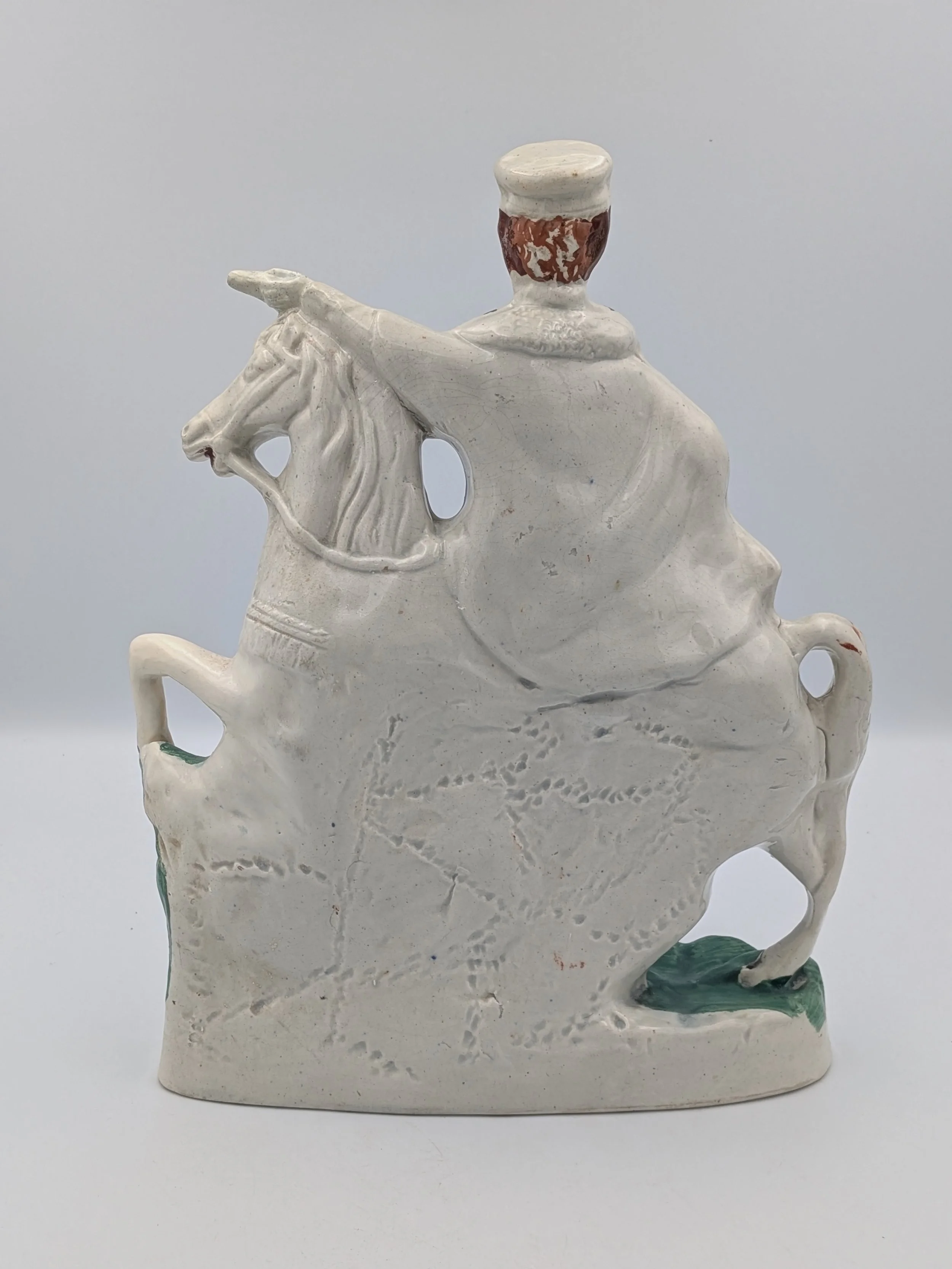 Image 4 of 25
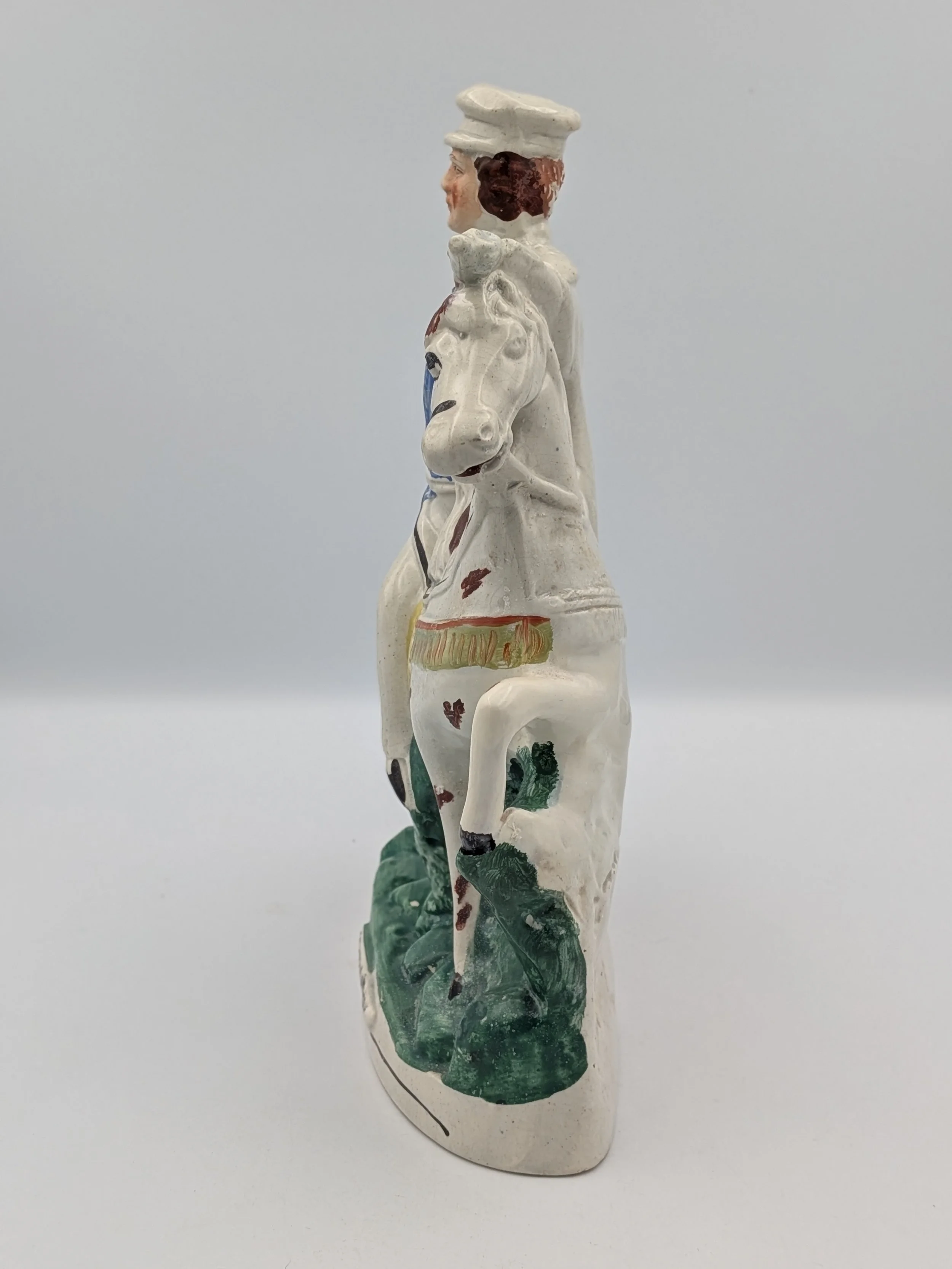 Image 5 of 25
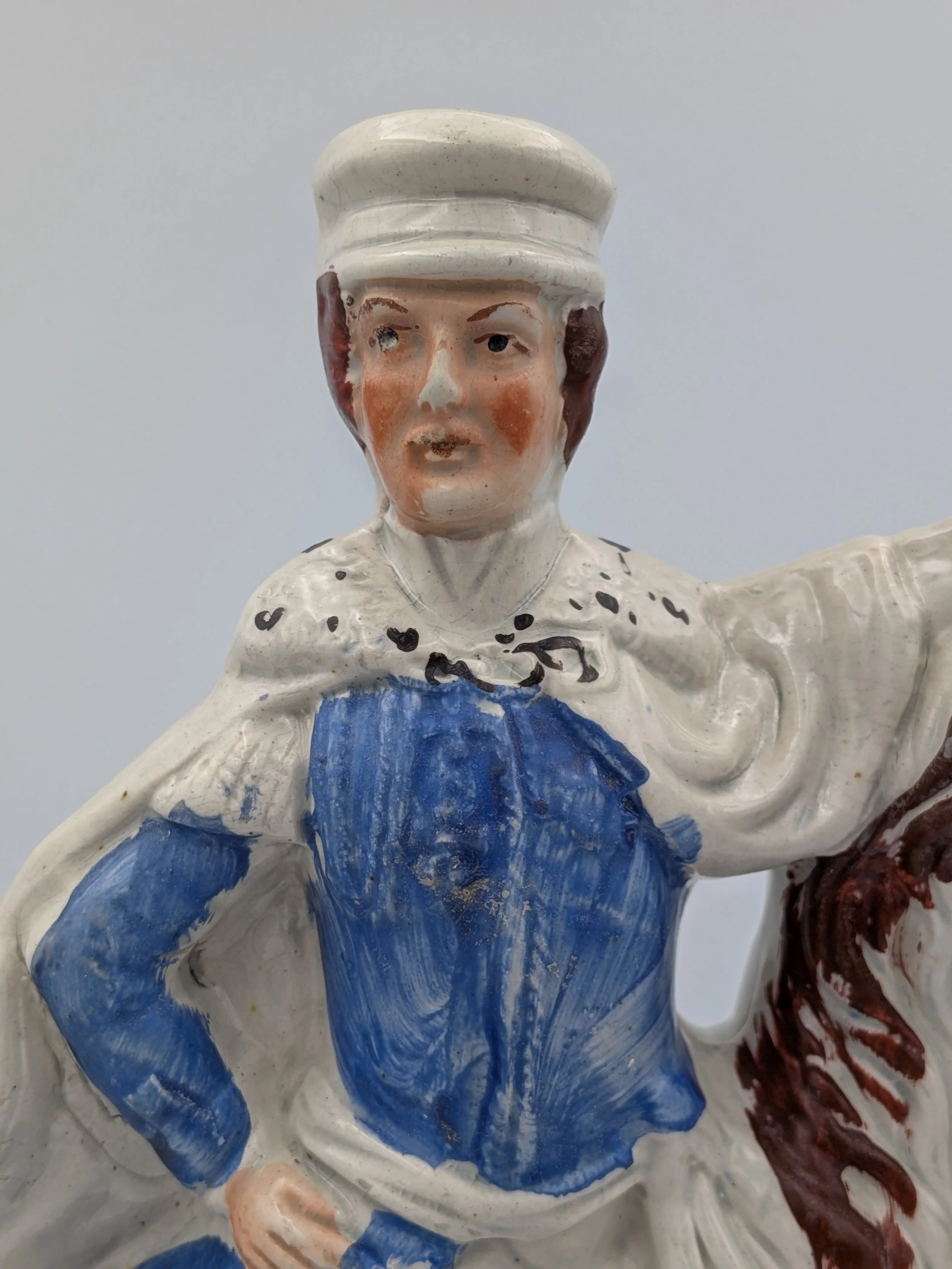 Image 6 of 25
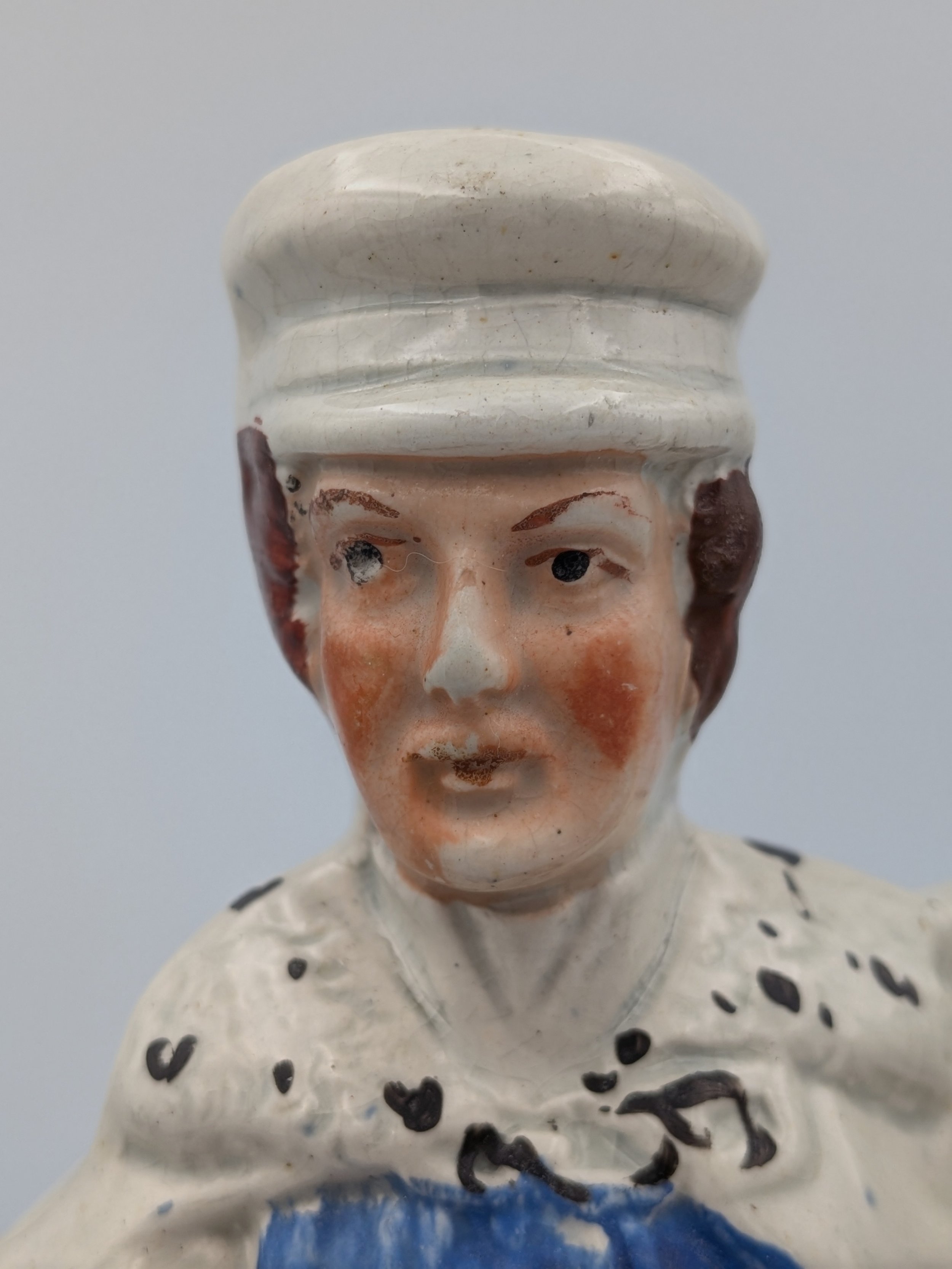 Image 7 of 25
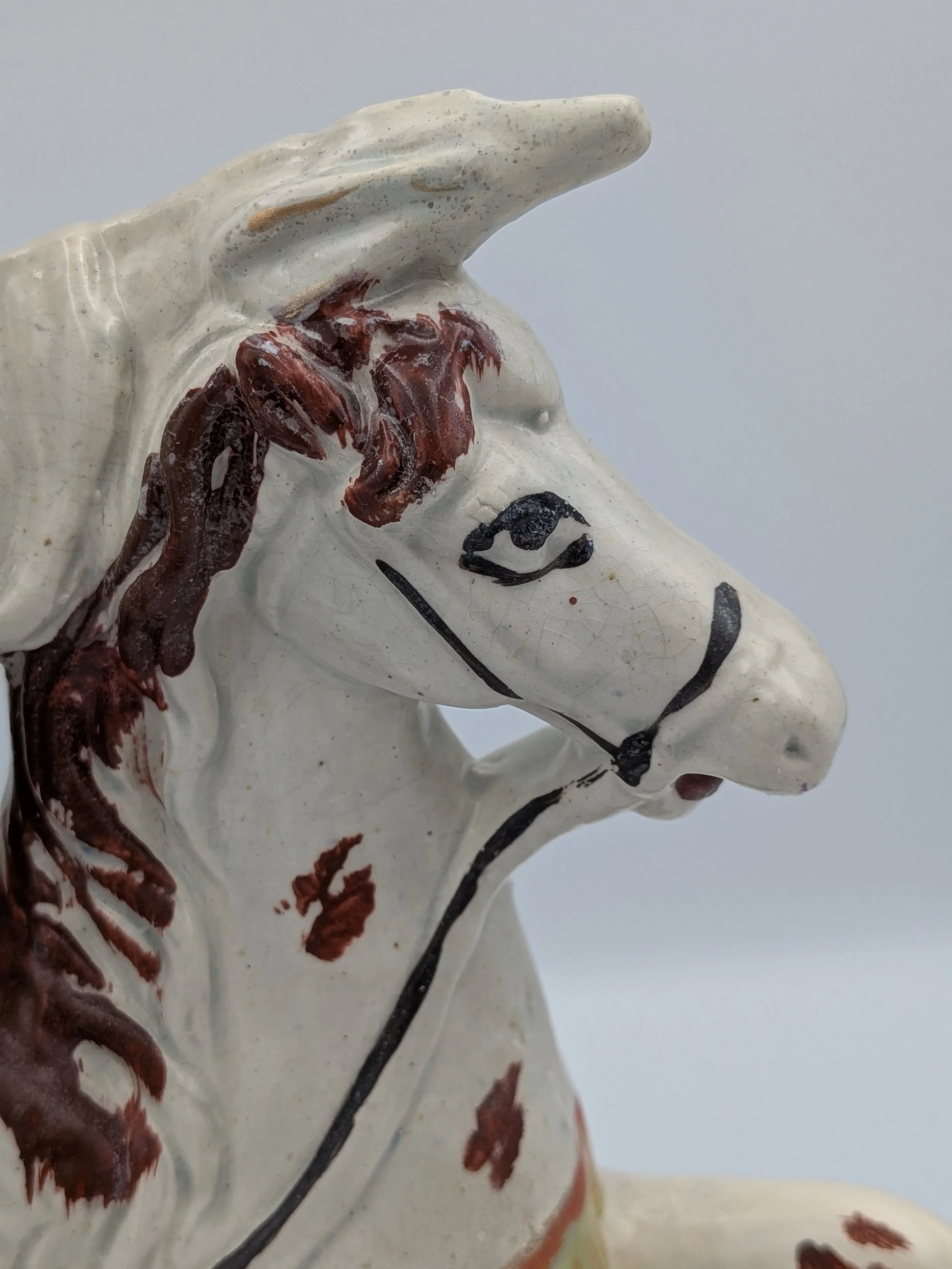 Image 8 of 25
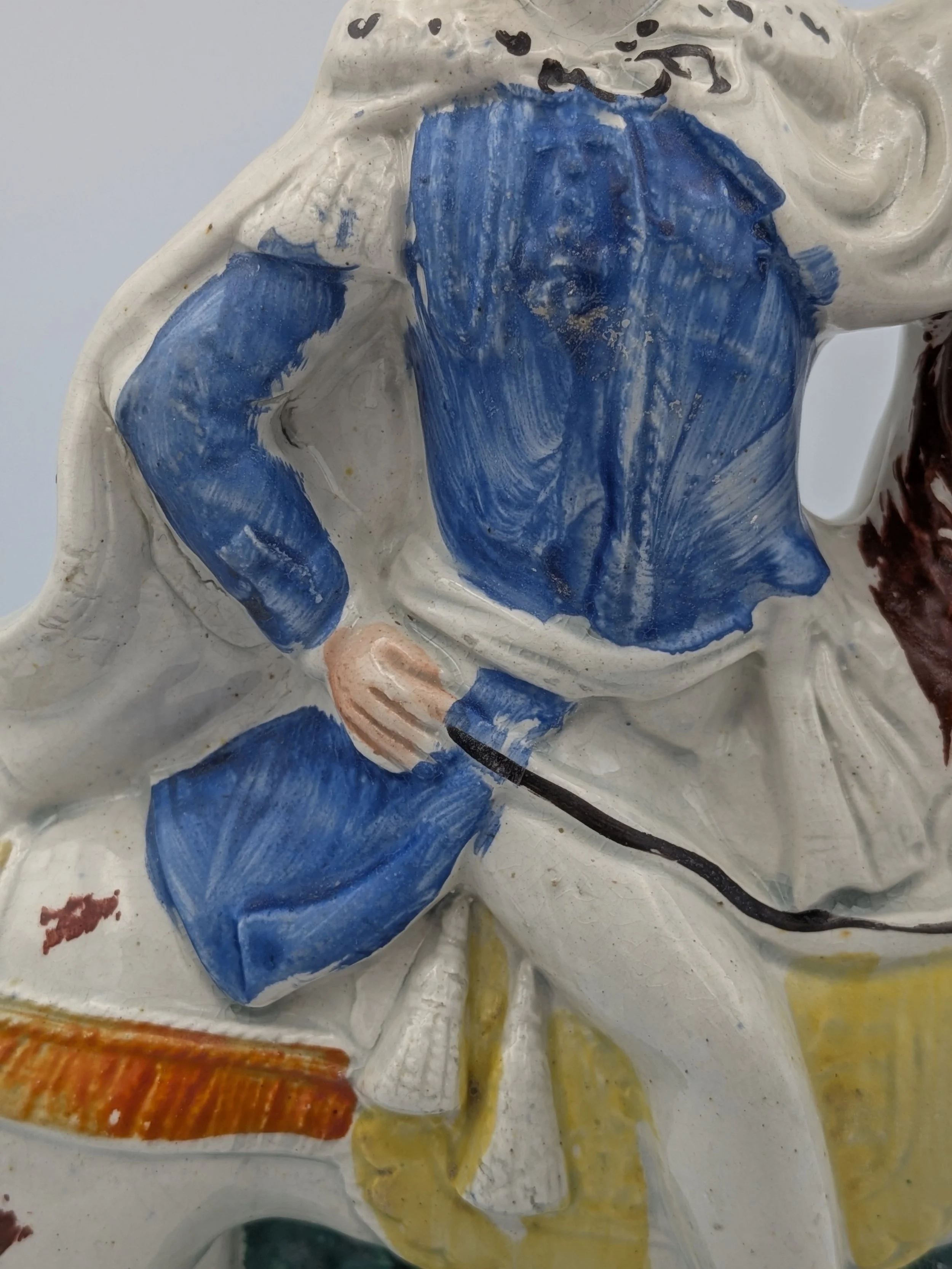 Image 9 of 25
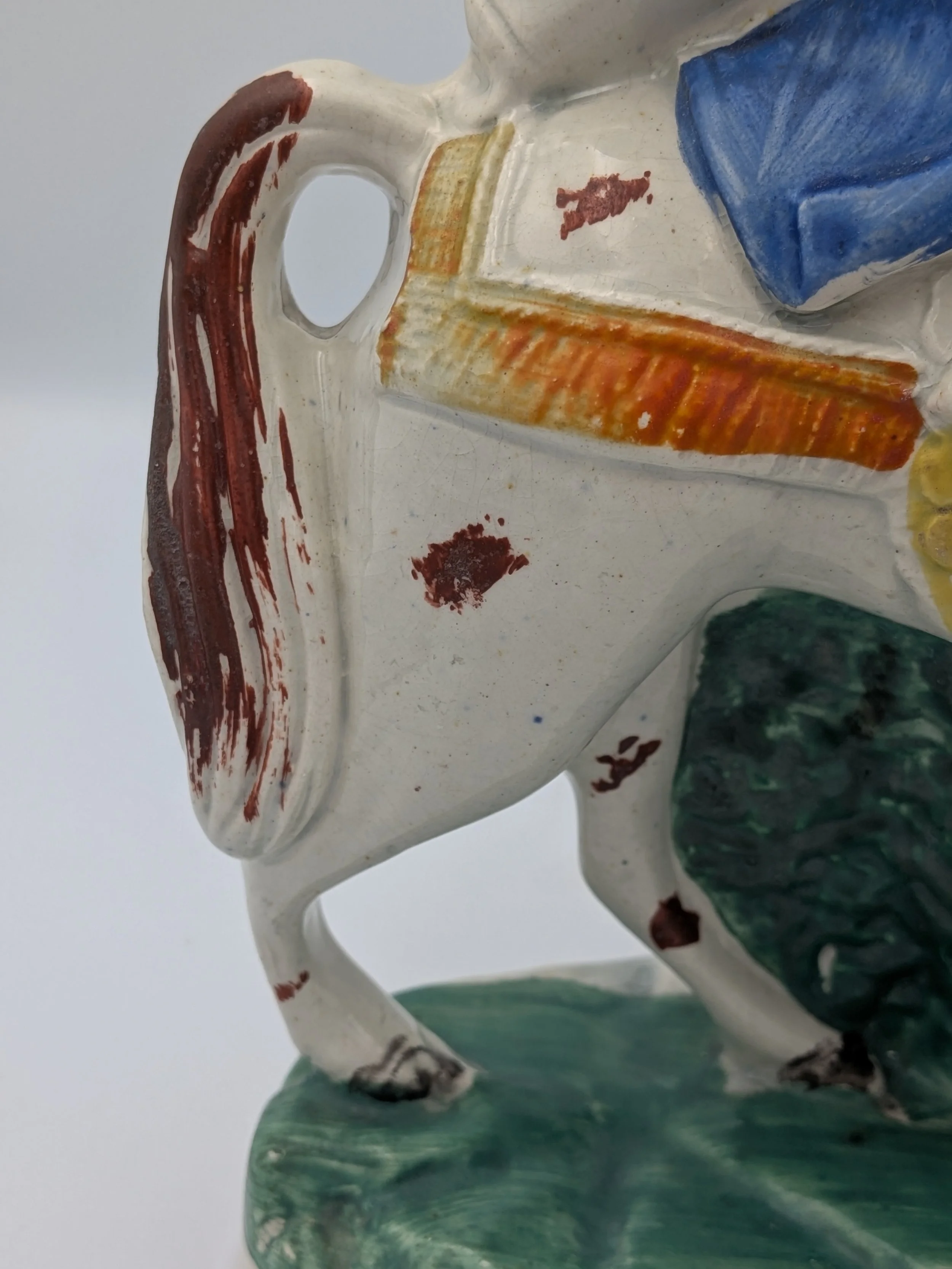 Image 10 of 25
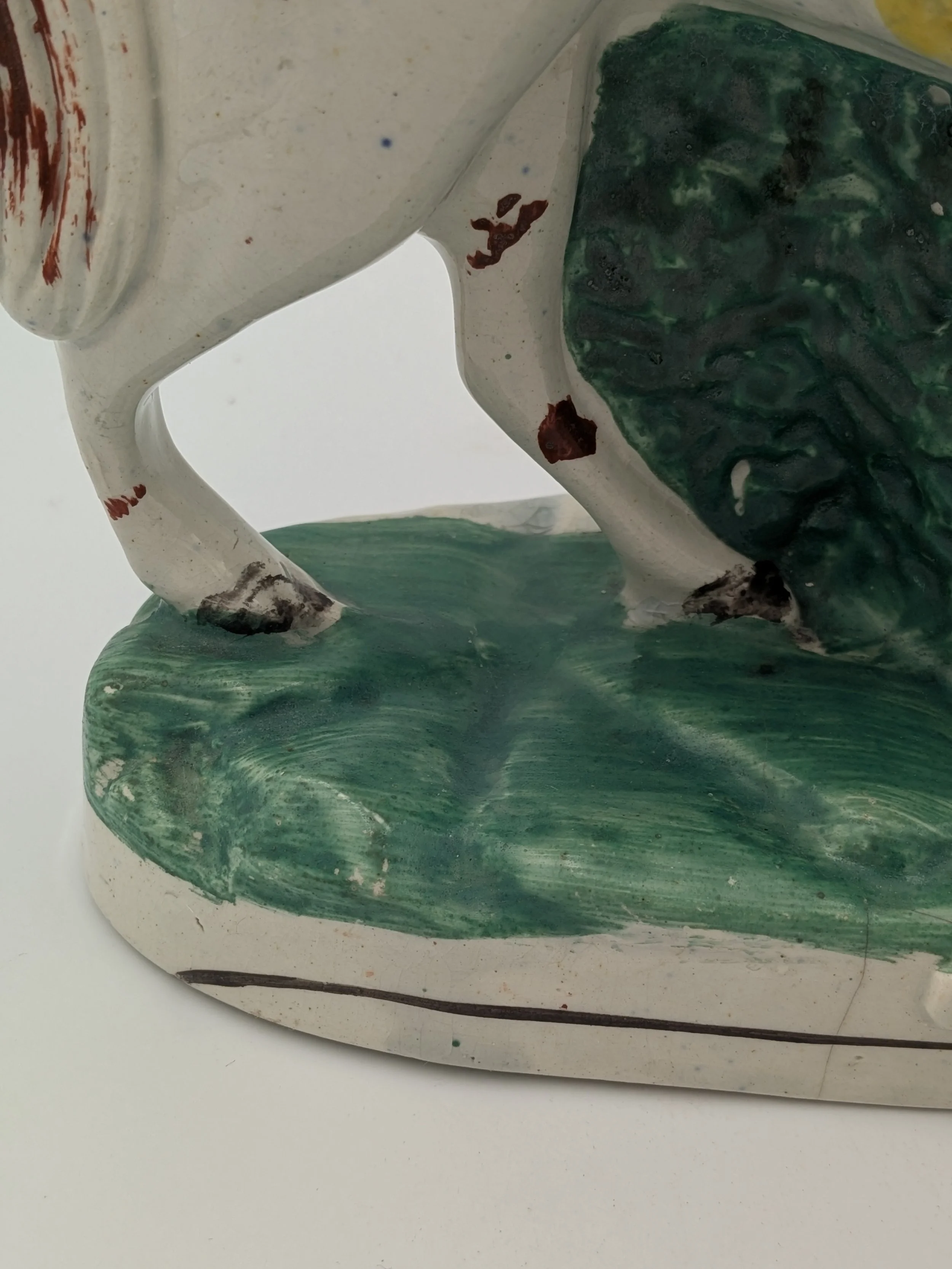 Image 11 of 25
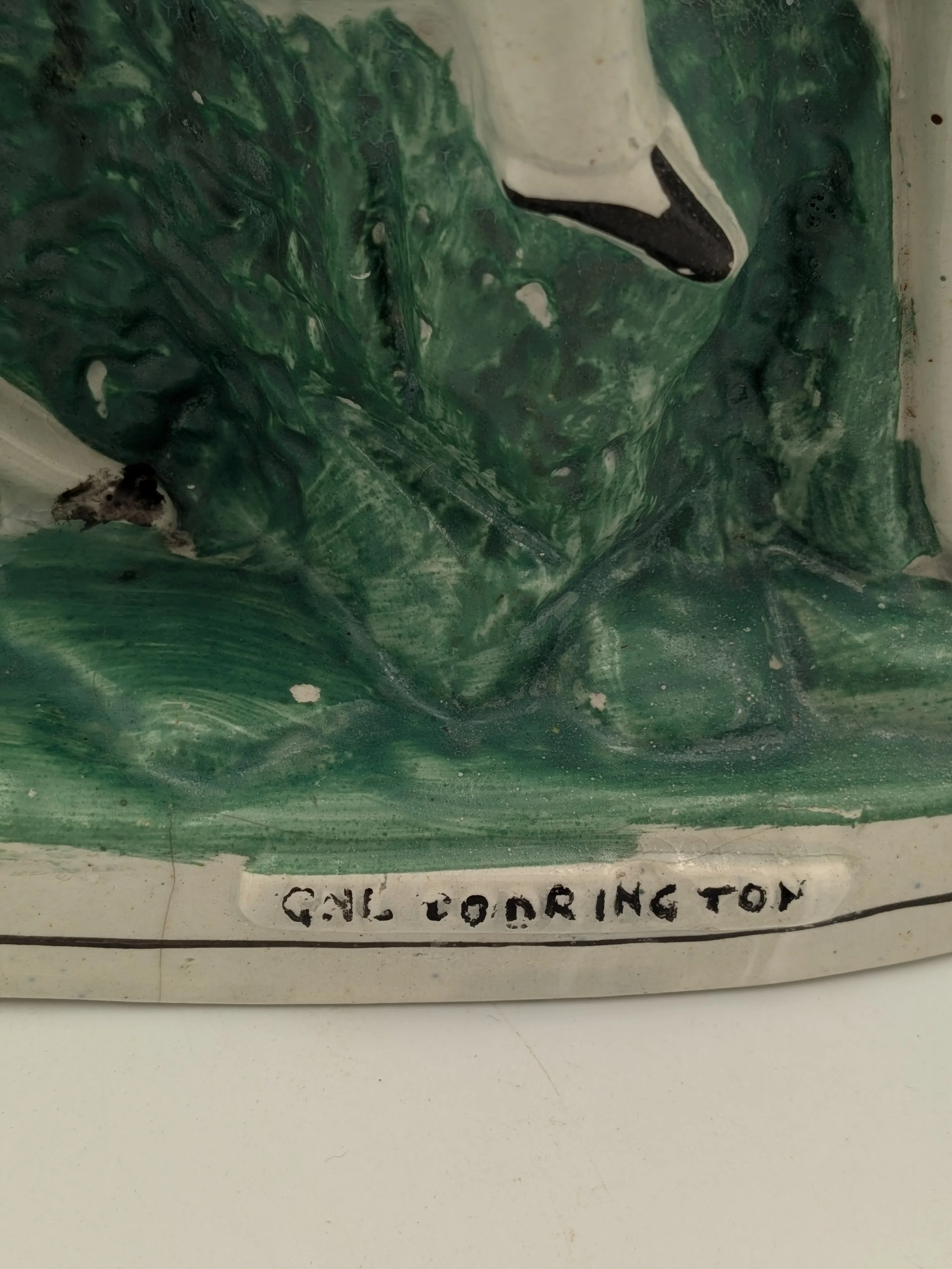 Image 12 of 25
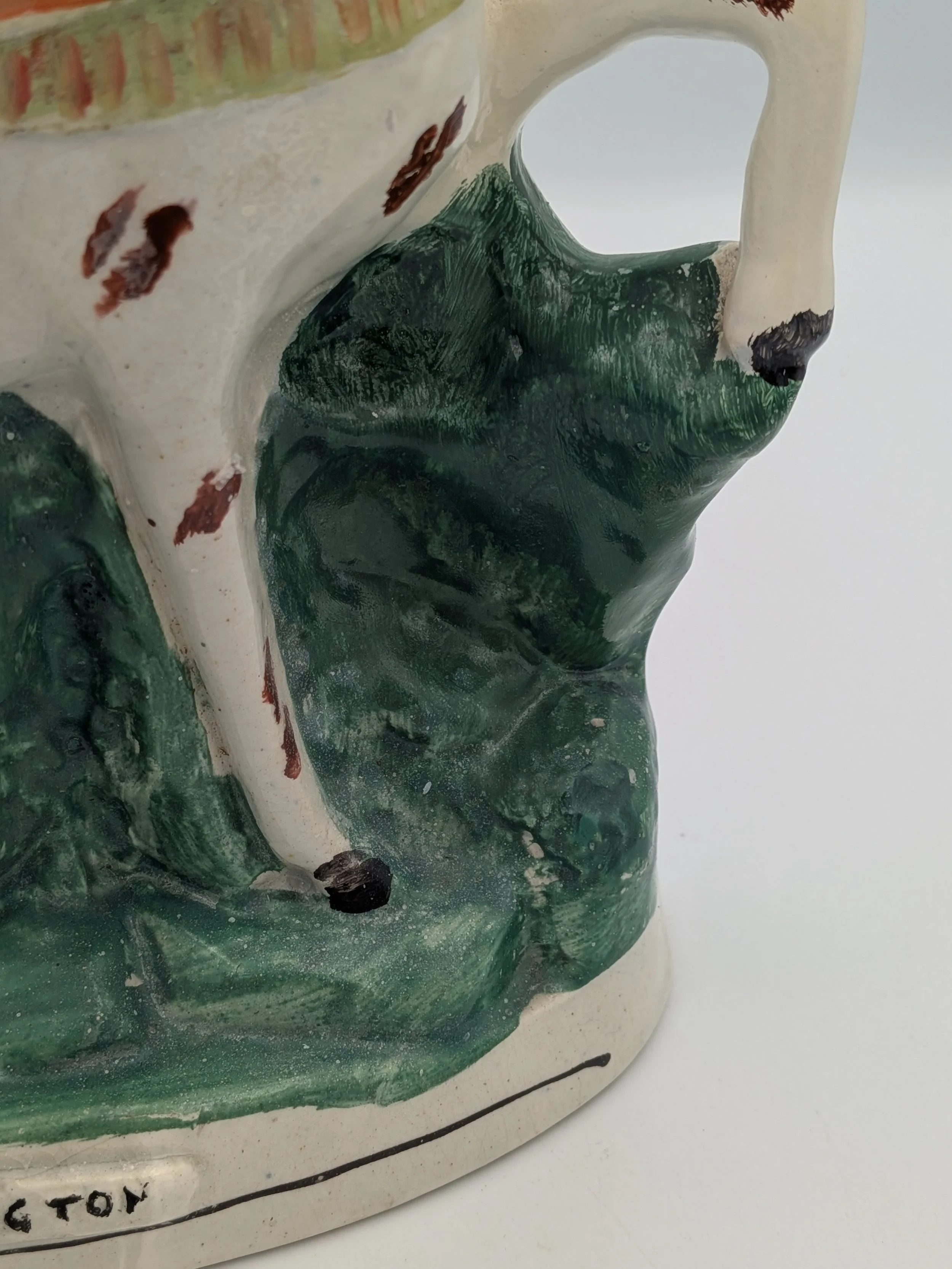 Image 13 of 25
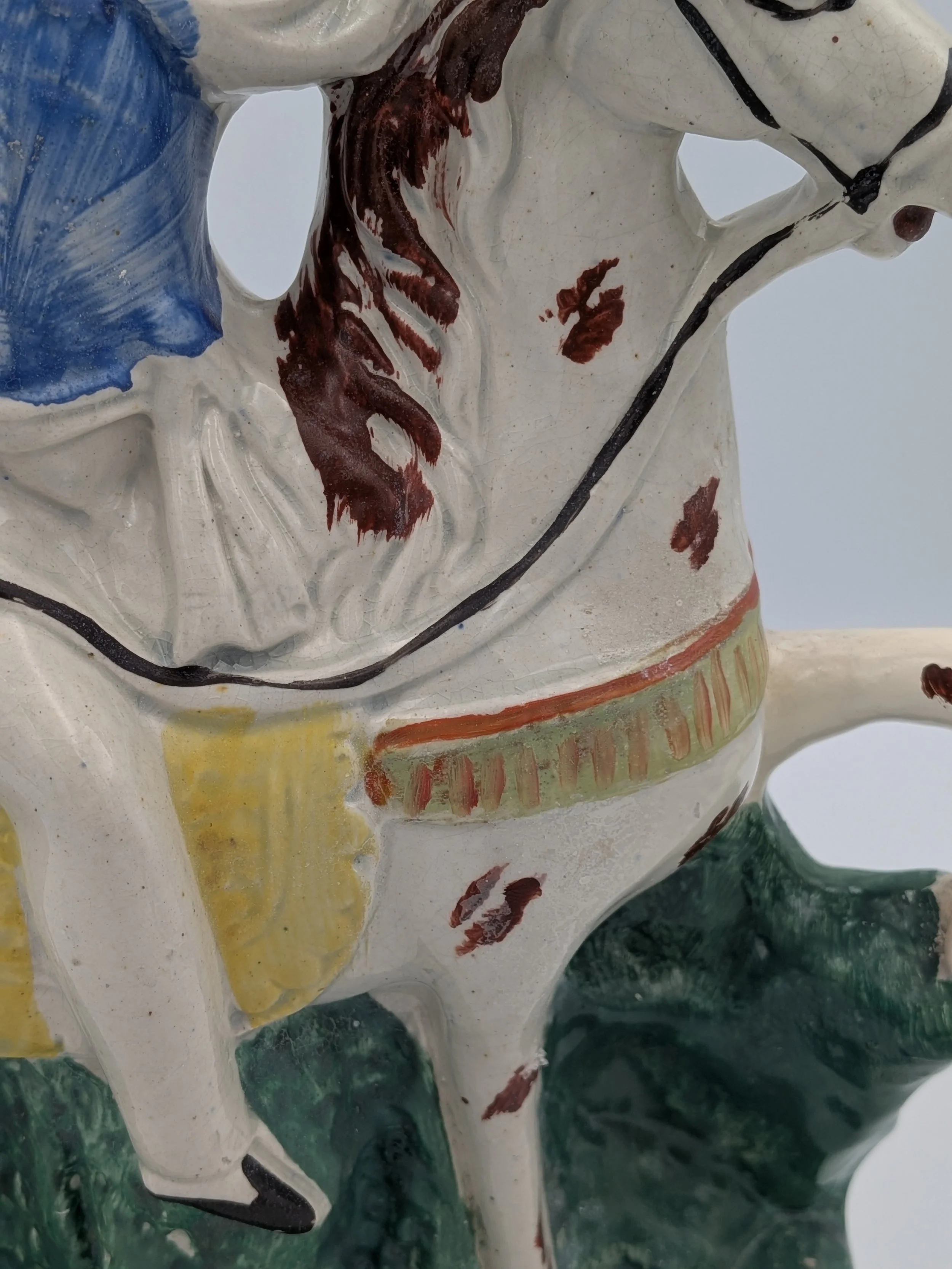 Image 14 of 25
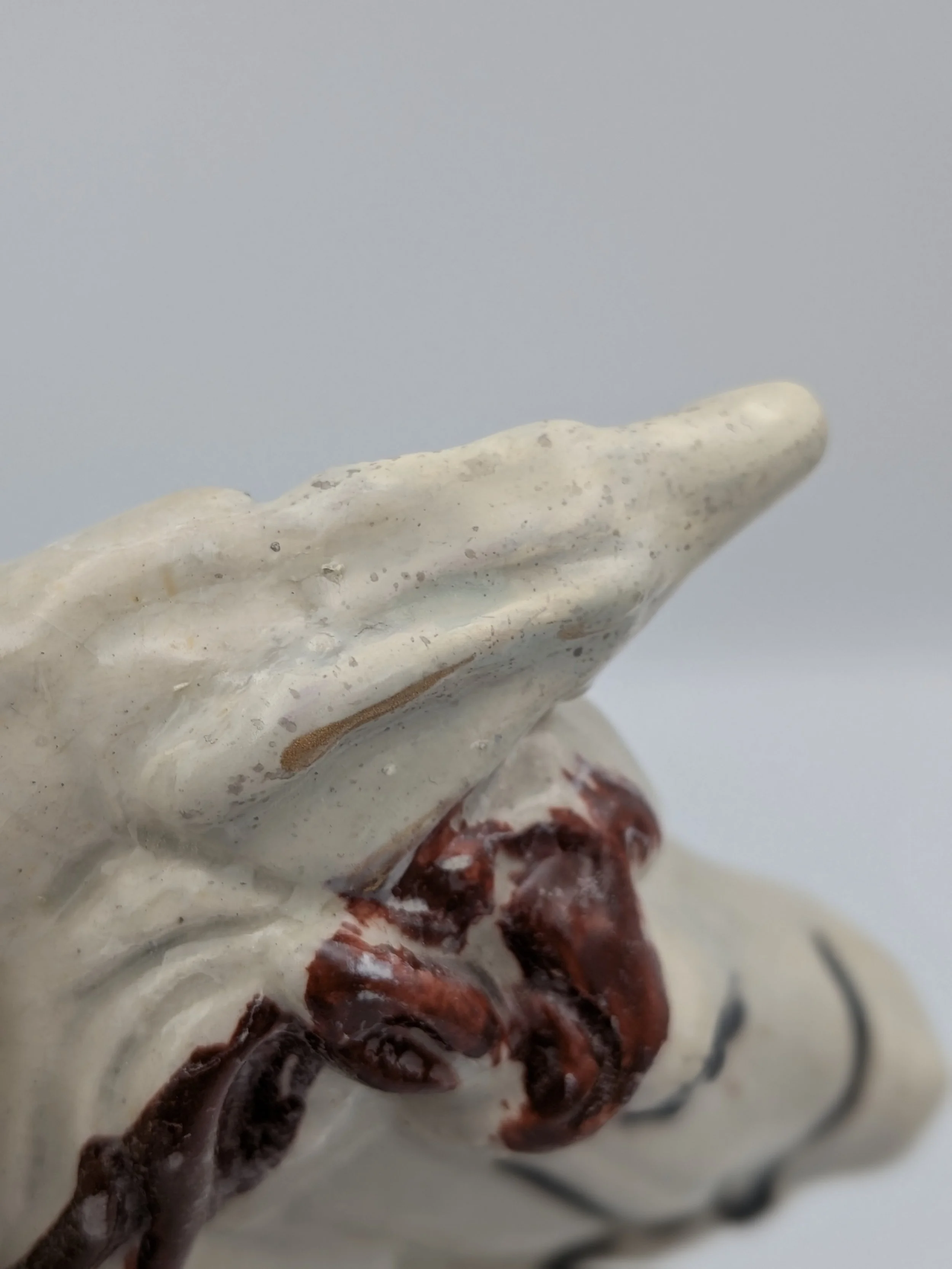 Image 15 of 25
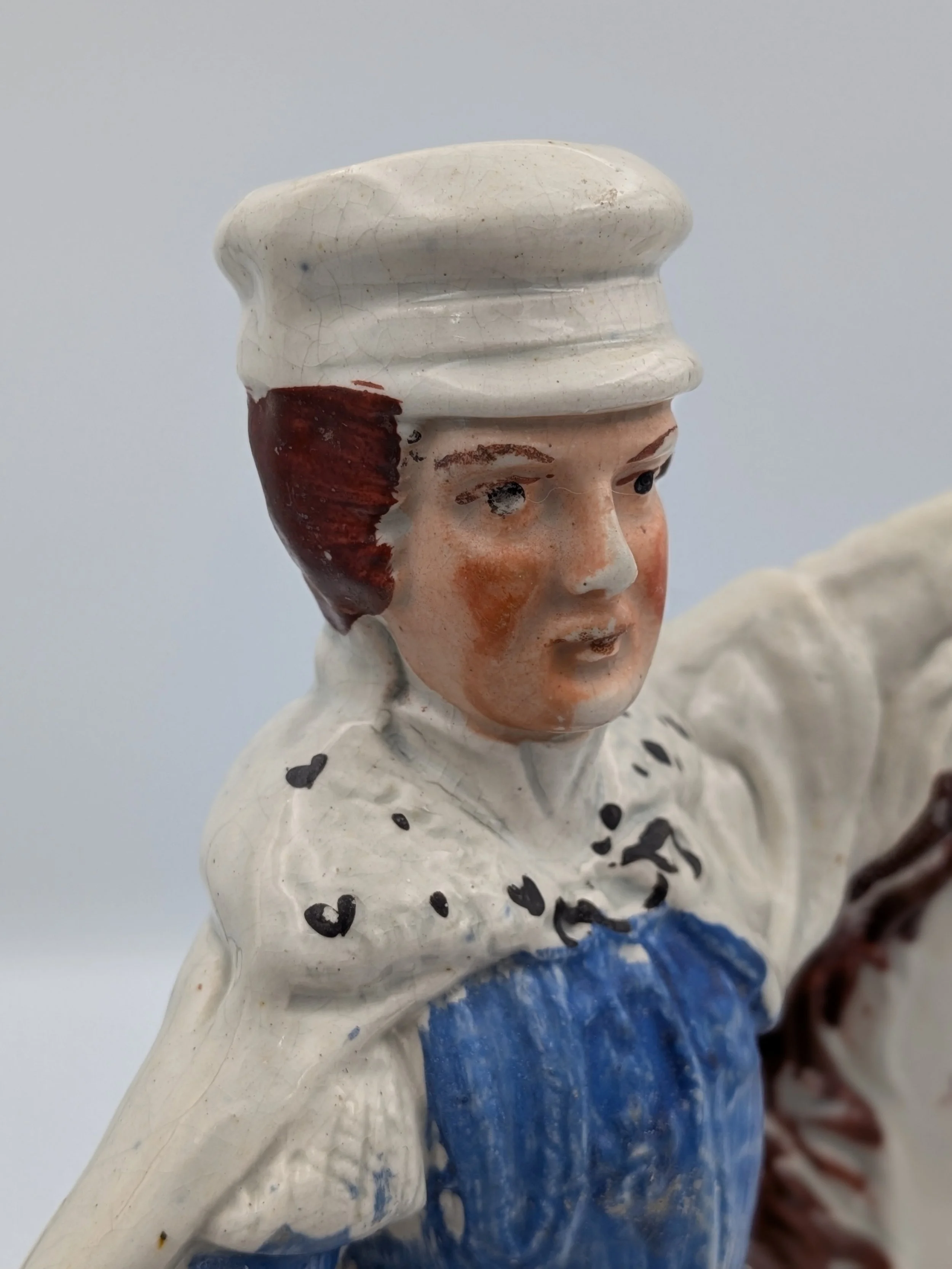 Image 16 of 25
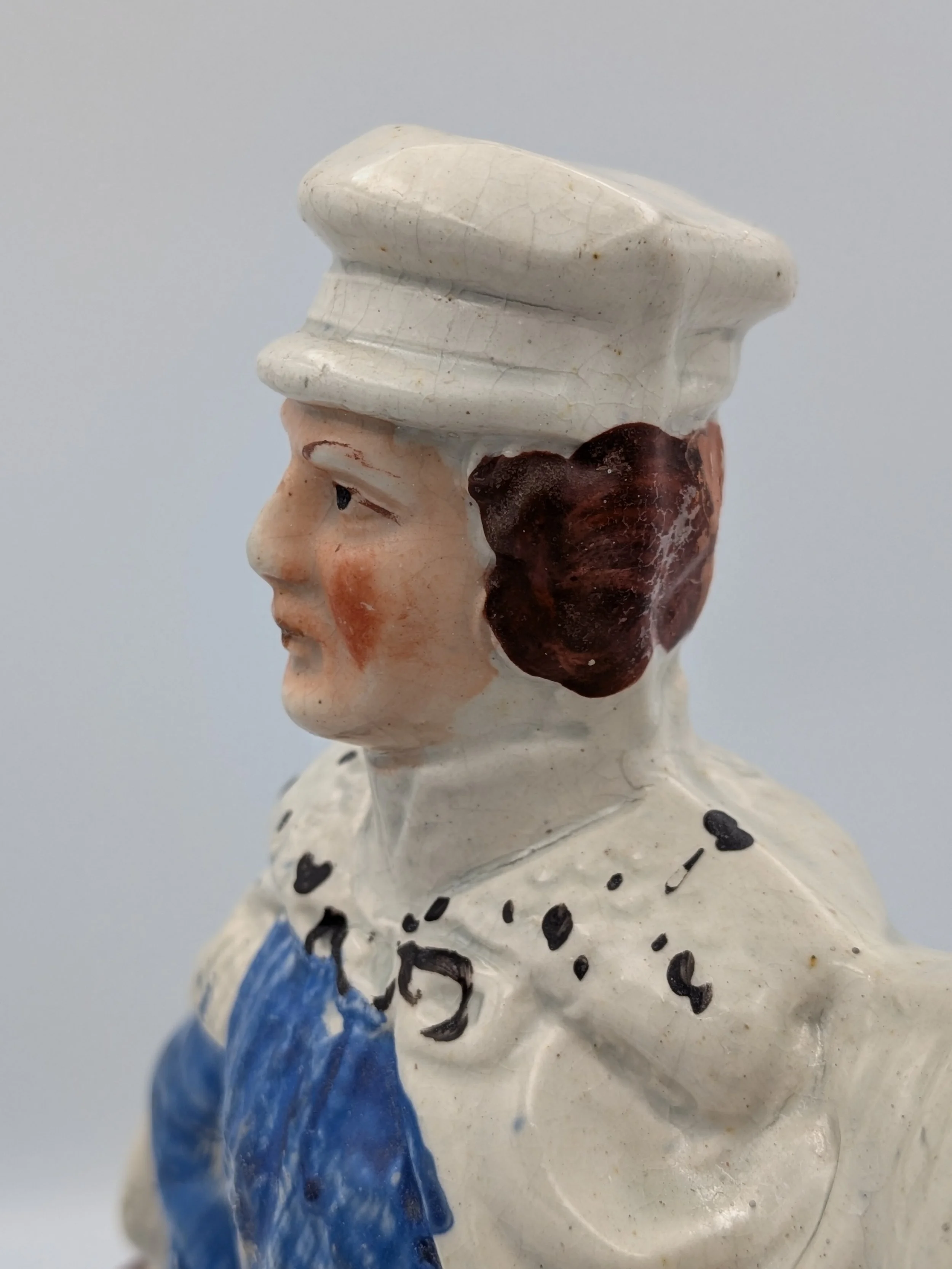 Image 17 of 25
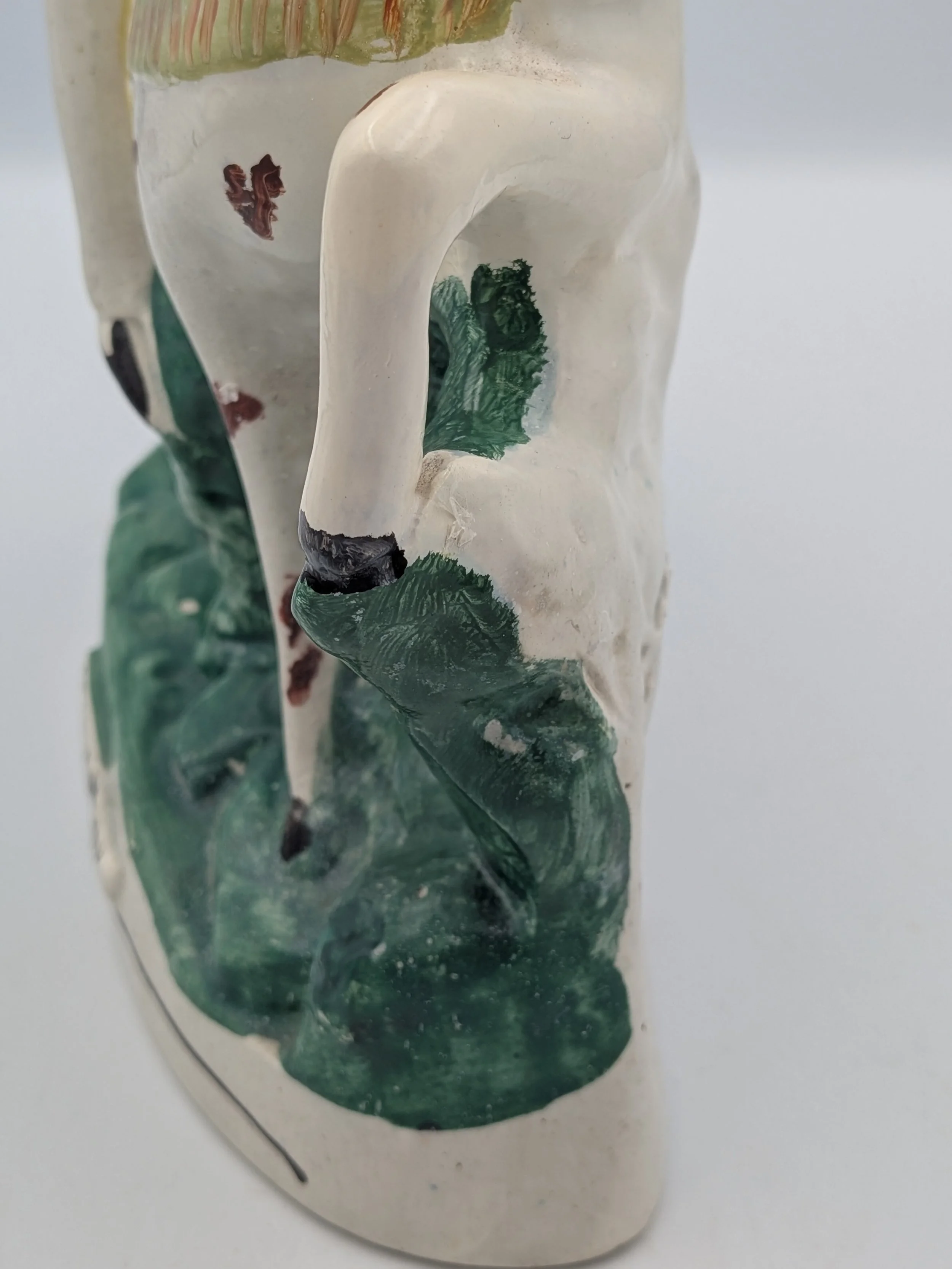 Image 18 of 25
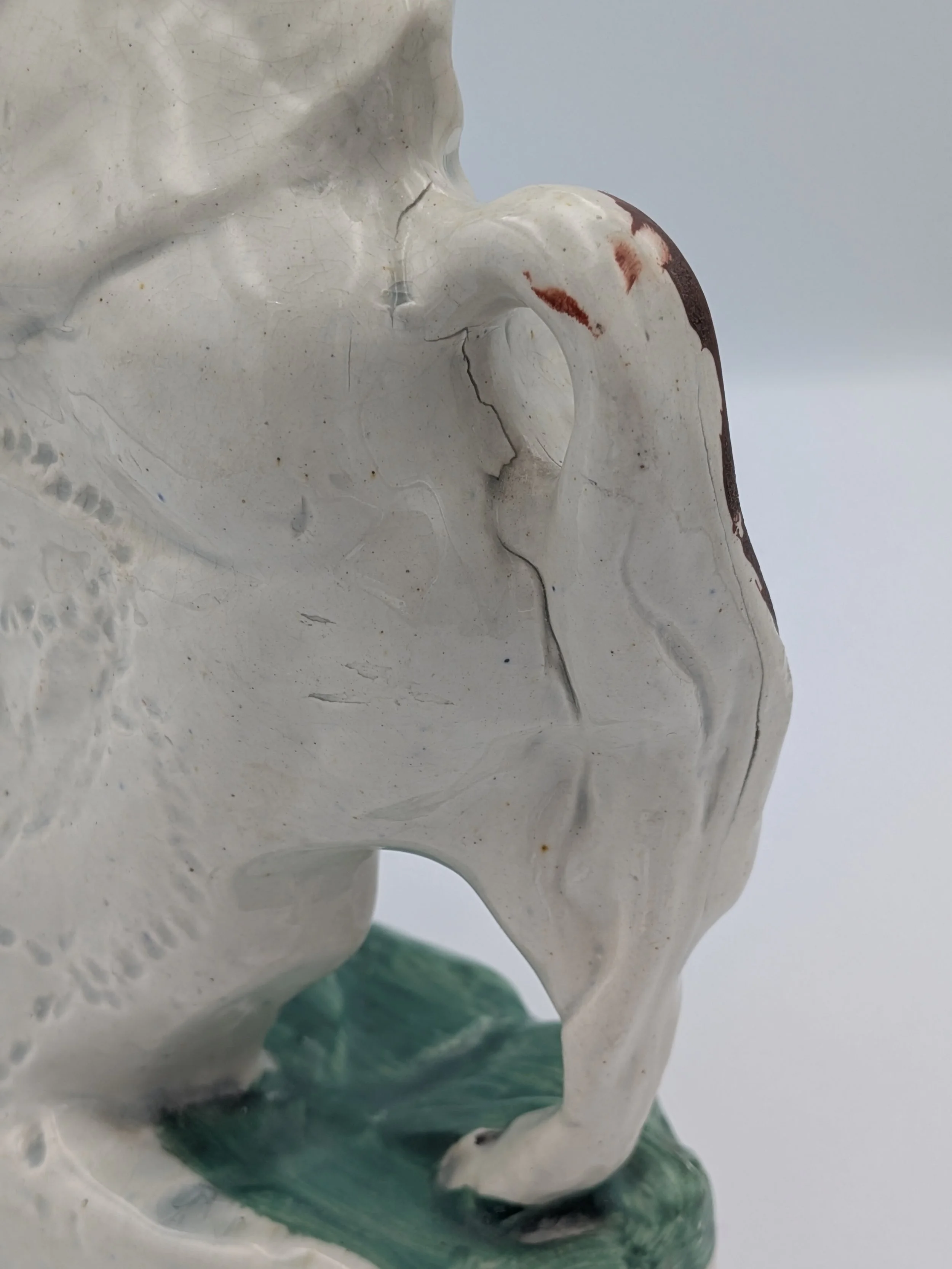 Image 19 of 25
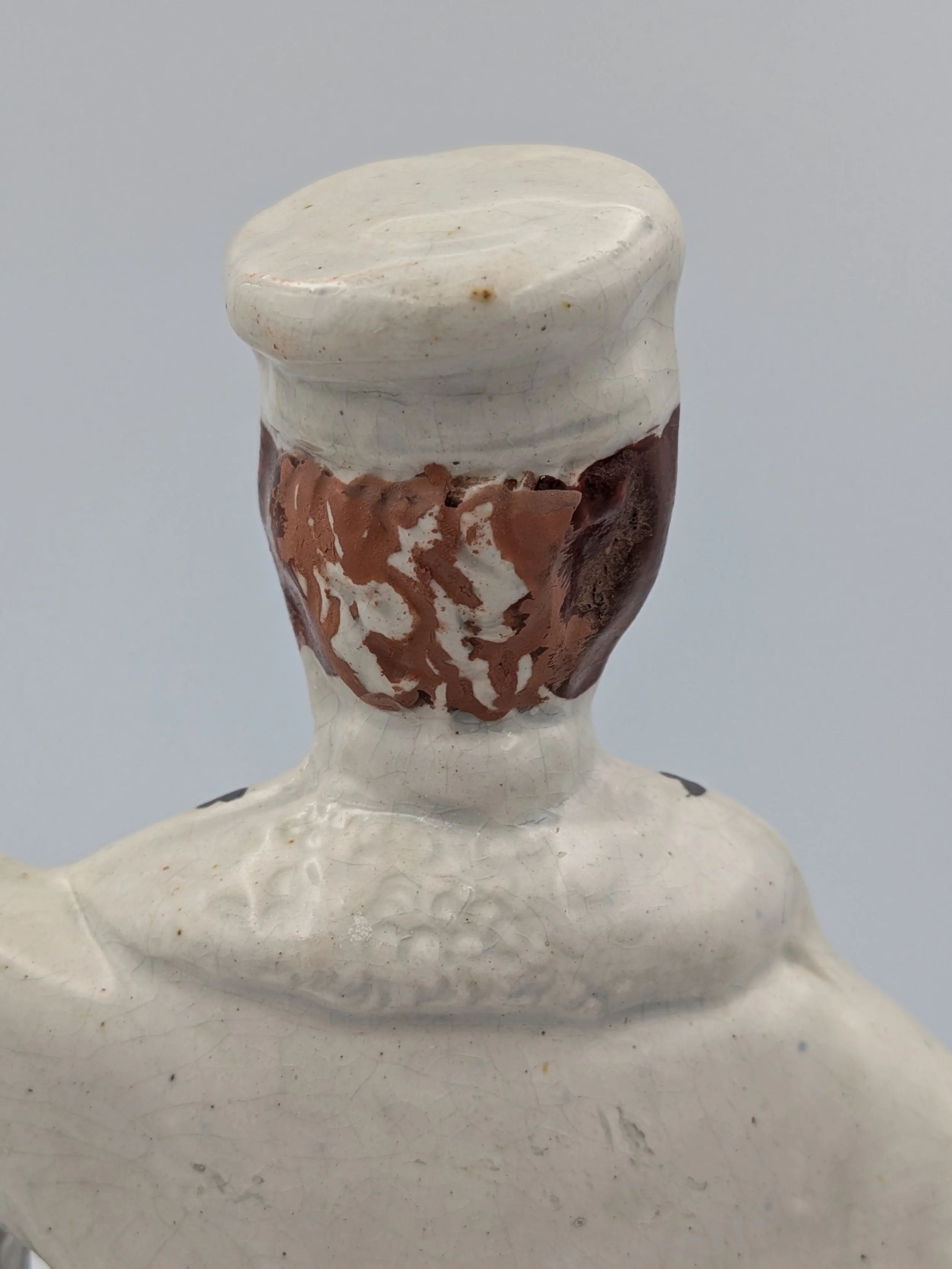 Image 20 of 25
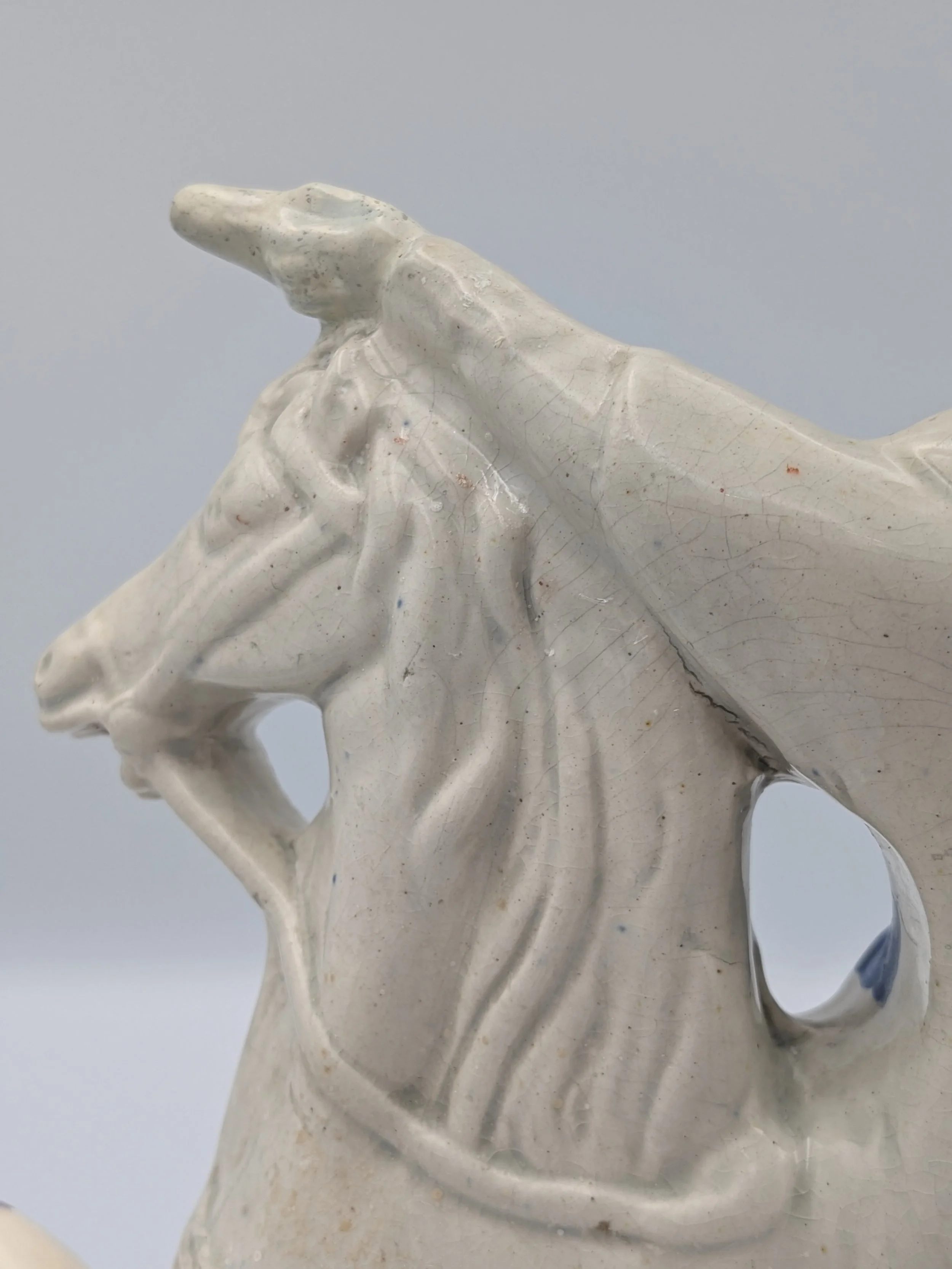 Image 21 of 25
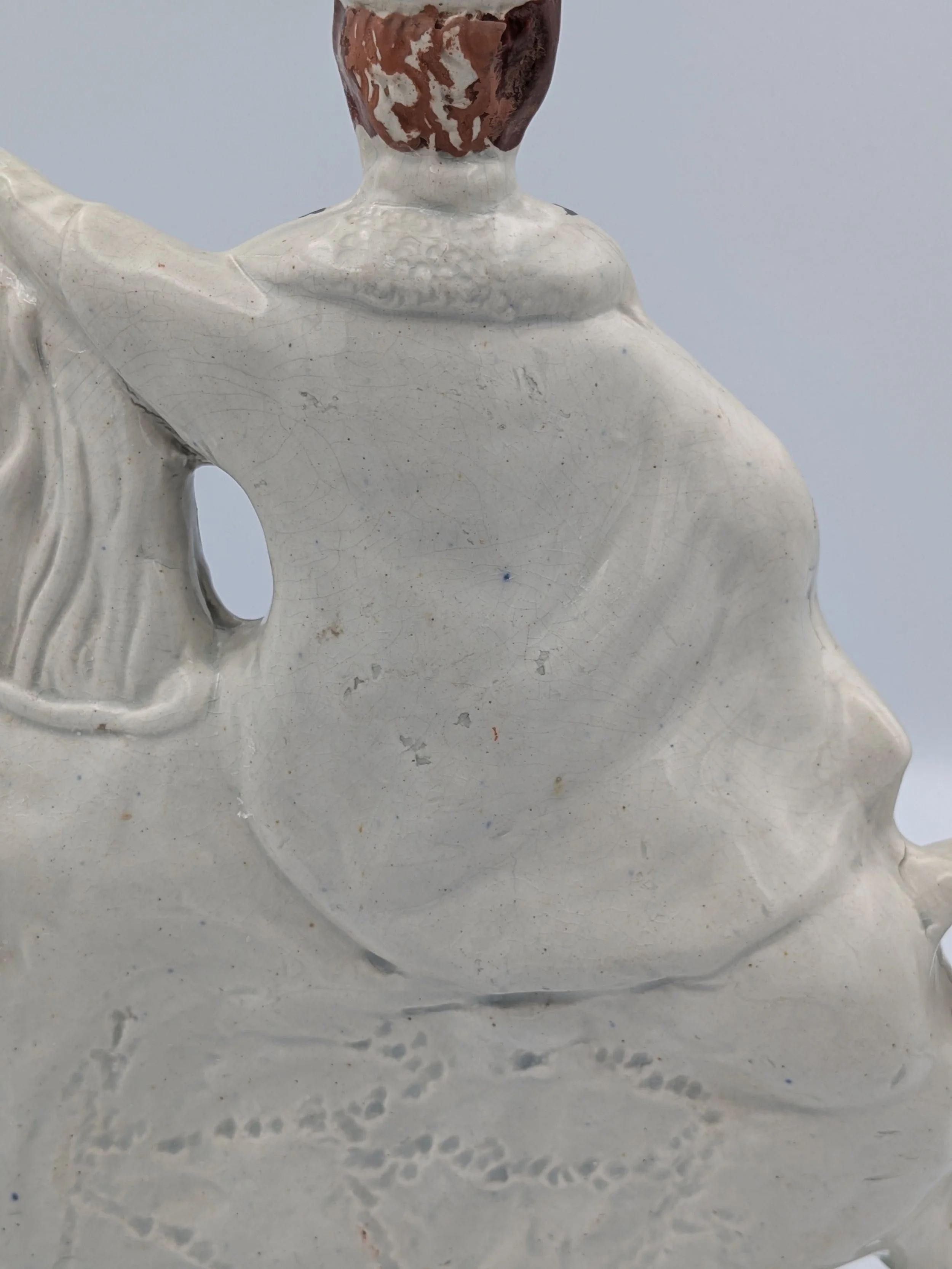 Image 22 of 25
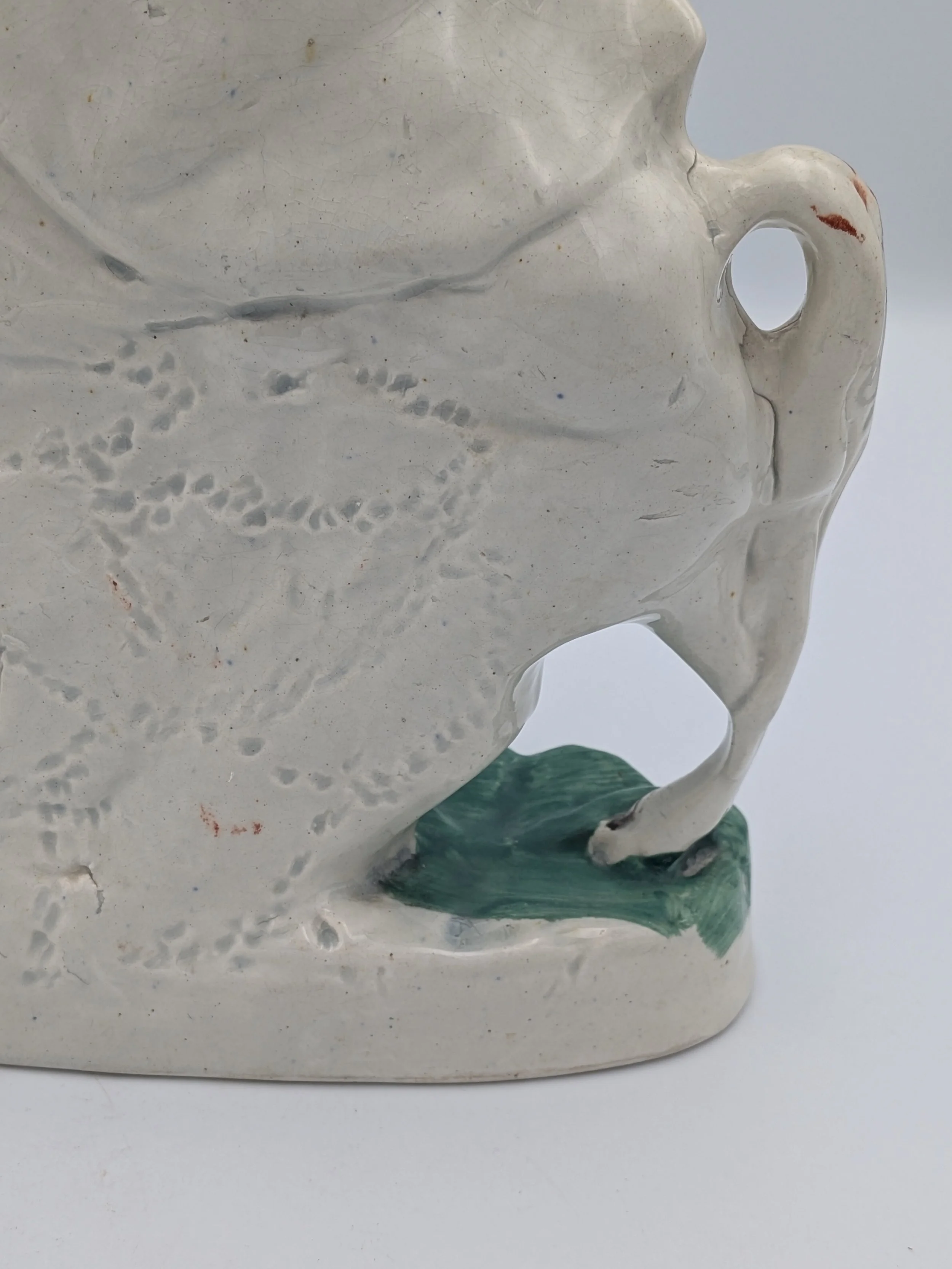 Image 23 of 25
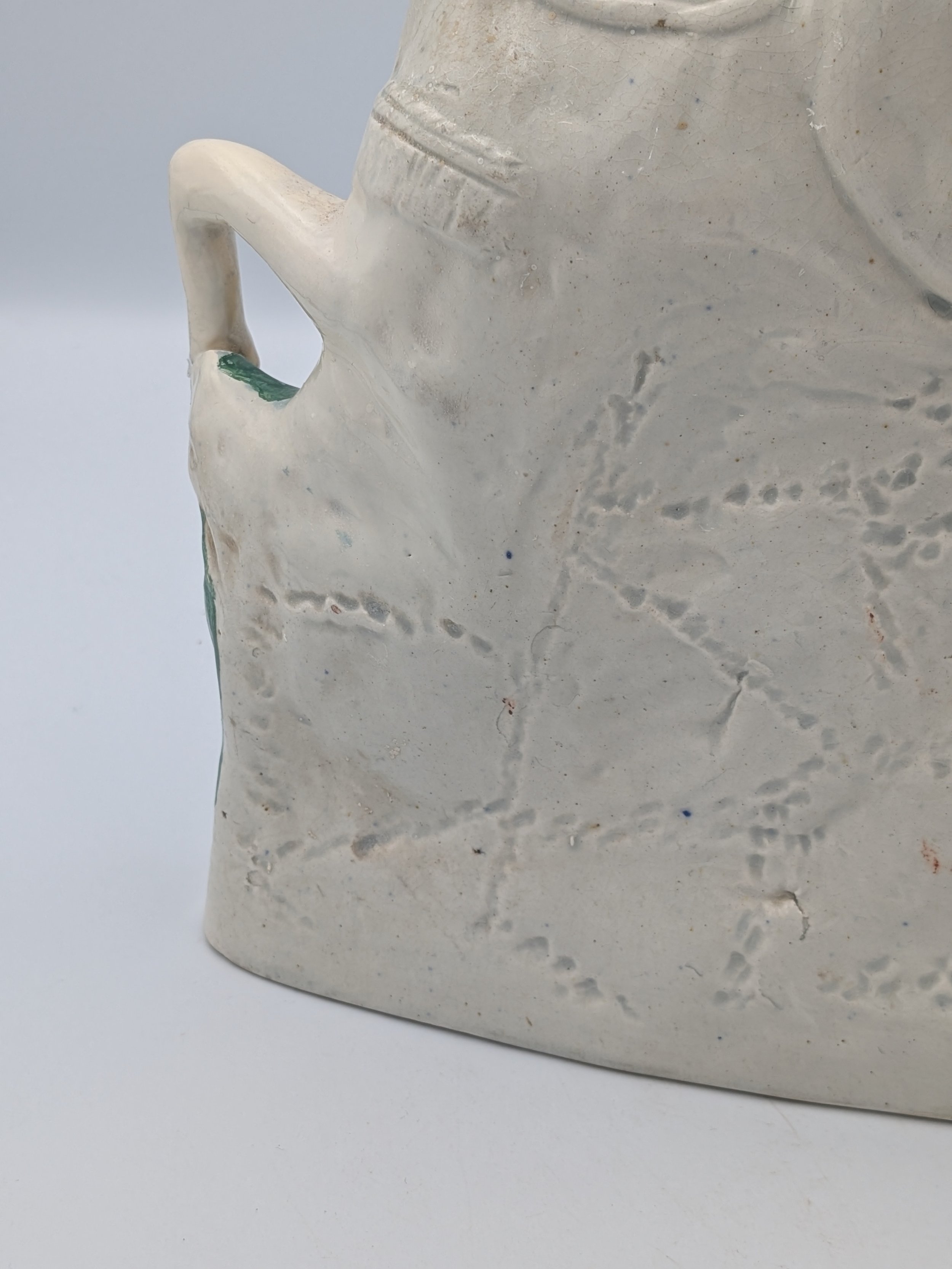 Image 24 of 25
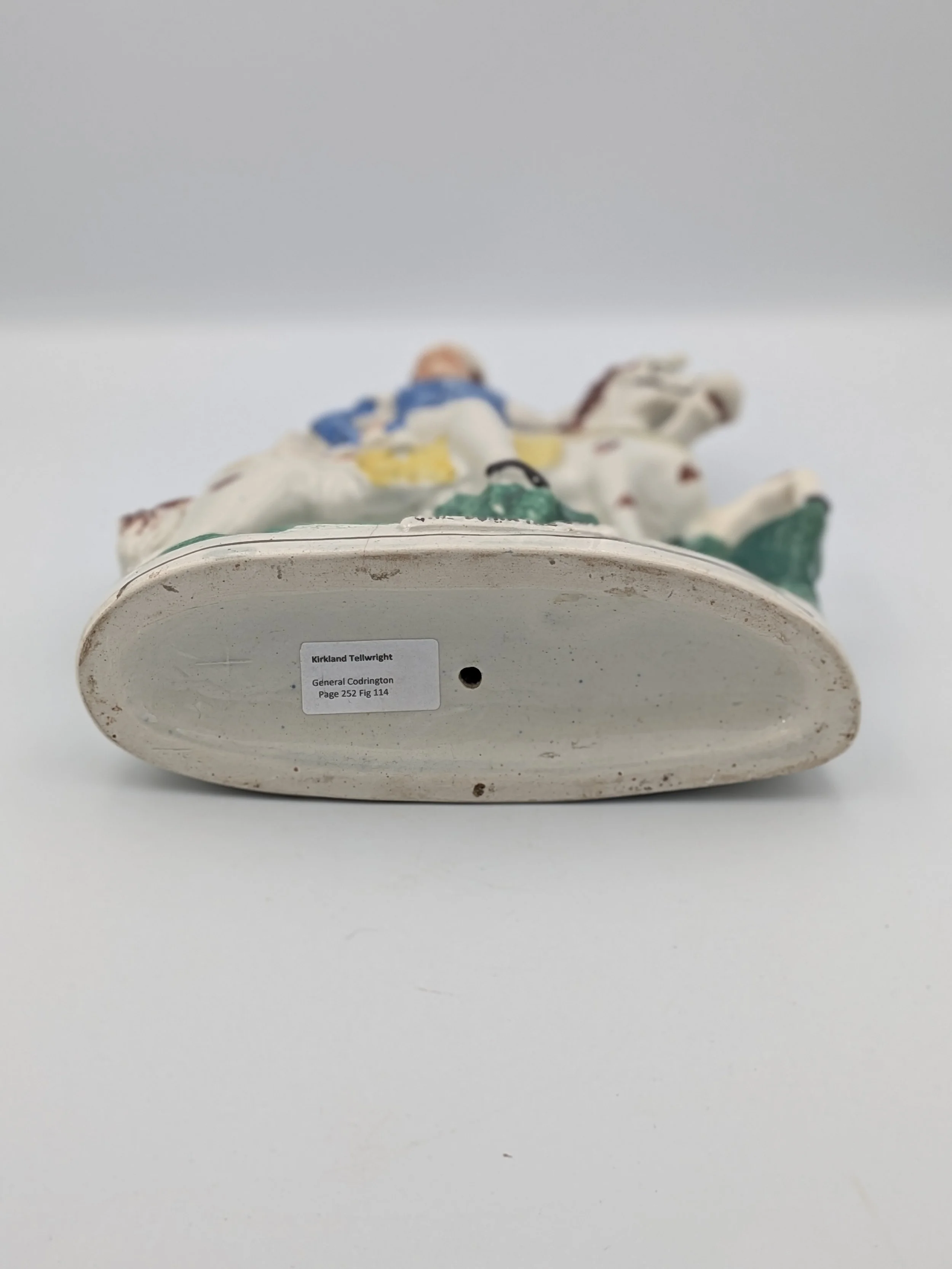 Image 25 of 25